Problem-Solving Skills Phonics Worksheets for Ages 4-8
5 filtered results
-
From - To
Unlock your child's potential with our engaging Problem-Solving Skills Phonics Worksheets designed for kids aged 4 to 8. These interactive resources blend phonics practice with critical thinking, fostering essential problem-solving abilities while improving literacy skills. Each worksheet is thoughtfully crafted to challenge young learners, encouraging them to analyze situations and explore solutions in a fun, supportive environment. With colorful visuals and age-appropriate activities, these worksheets make learning enjoyable and effective. Perfect for use at home or in the classroom, they’re an excellent tool for parents and teachers aiming to promote cognitive development alongside phonics mastery. Start your child's learning adventure today!
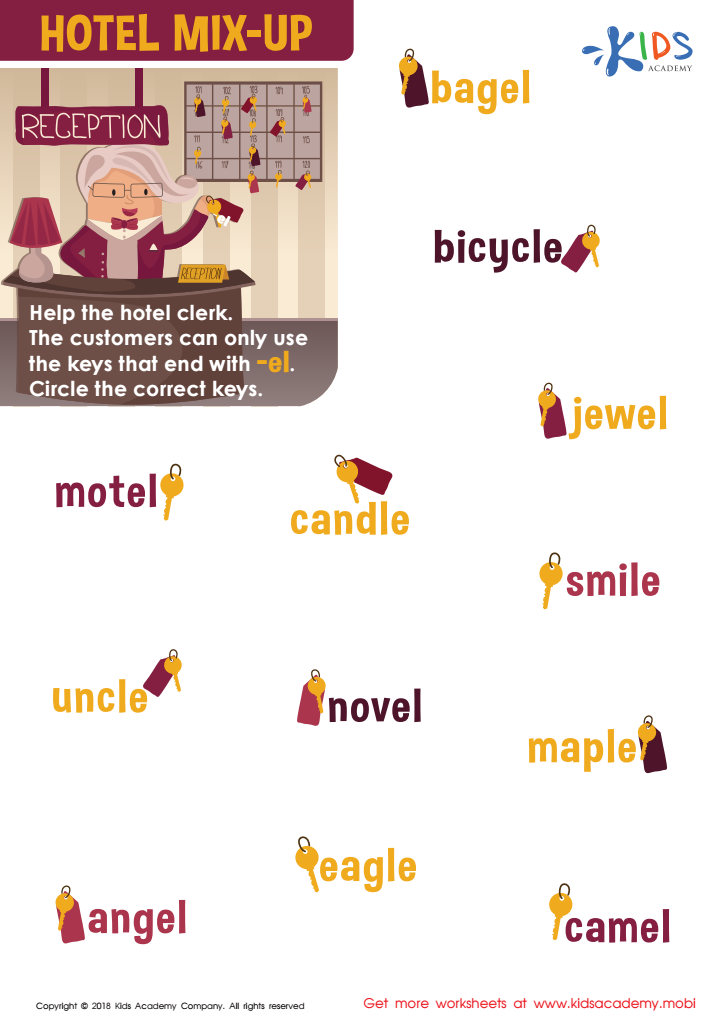
Hotel Mix-up Worksheet
 Assign to My Students
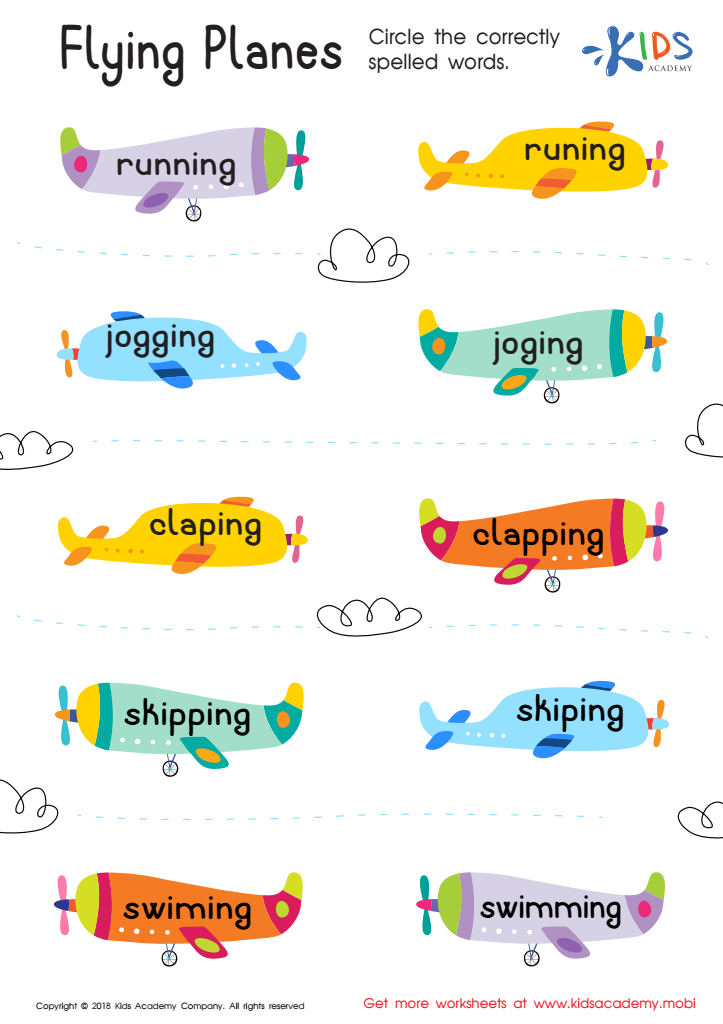
Flying Planes Worksheet
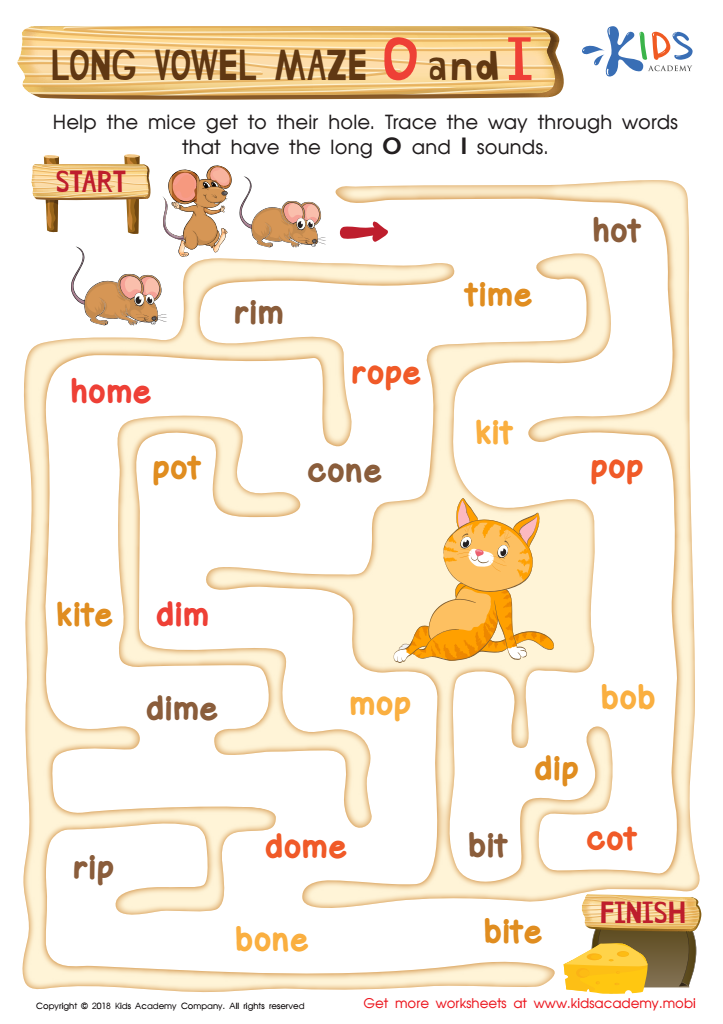
Long Vowel Maze /o/ and /i/ Worksheet
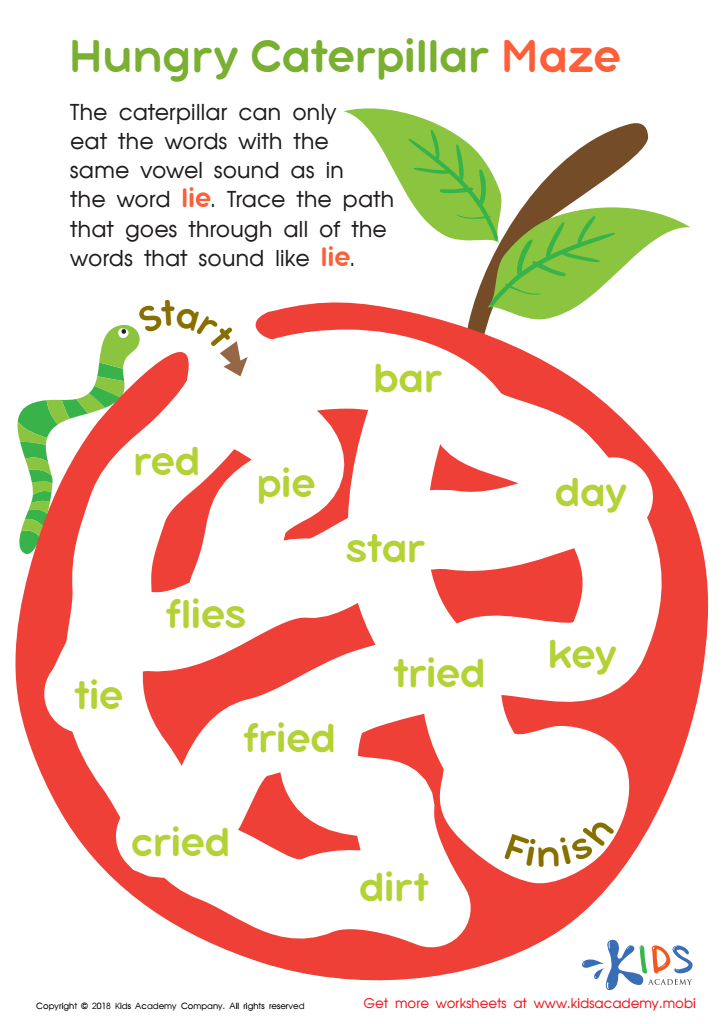
Hungry Caterpillar Maze Worksheet
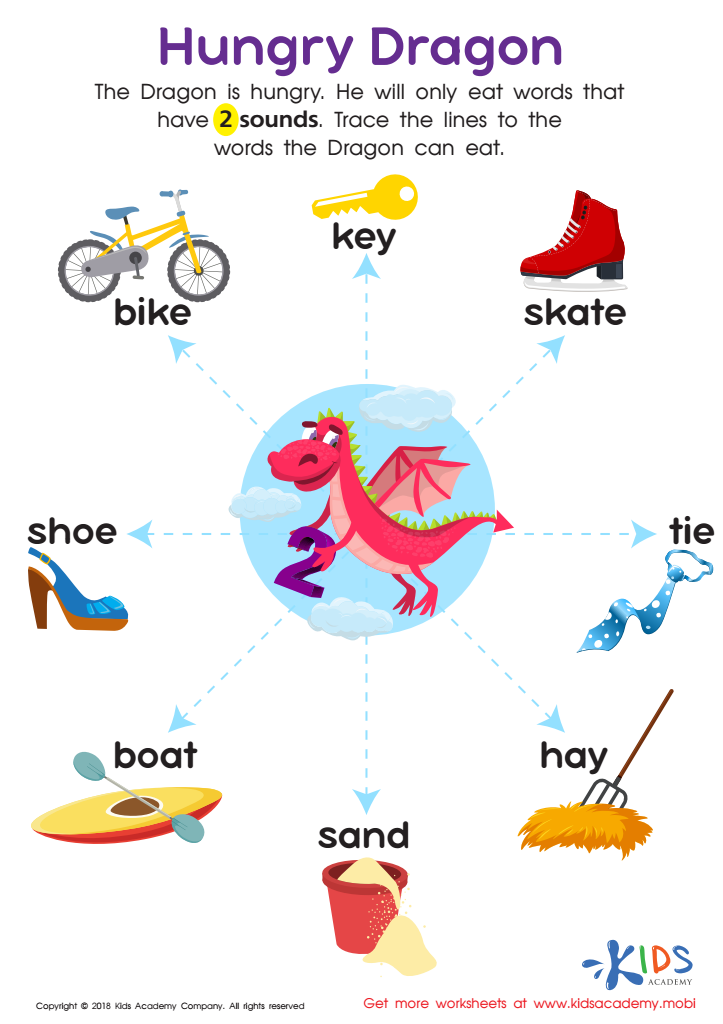
Hungry Dragon Worksheet








Parents and teachers should prioritize Problem-Solving Skills integrated with phonics for children aged 4-8 because these foundational abilities play a crucial role in early literacy and overall cognitive development. At this age, children are like sponges, absorbing new information and skills rapidly. Phonics teaches them the relationships between sounds and letters, essential for reading fluency and comprehension. When combined with problem-solving skills, children learn to think critically and creatively as they approach reading challenges.
Developing strong problem-solving skills helps children to decode unfamiliar words, enhancing their reading resilience. When faced with a tricky sentence or word, confident problem solvers will learn to apply strategies—like sounding out, looking for patterns, or using context clues—that empower them to become independent readers. This confidence fosters a love for learning and encourages a growth mindset, essential traits for lifelong success.
Moreover, teaching phonics through problem-solving activities engages children actively, making the learning process enjoyable. This engagement not only deepens their understanding but also lays the groundwork for collaboration and effective communication, both vital for social interactions. By investing in these skills, parents and teachers can equip children with the tools needed to navigate educational challenges effectively, setting the stage for academic success.







