Reading comprehension Vowel Blends Worksheets for Ages 4-8
7 filtered results
-
From - To
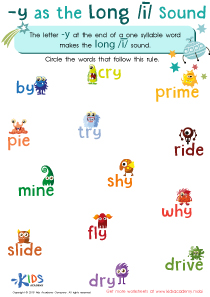
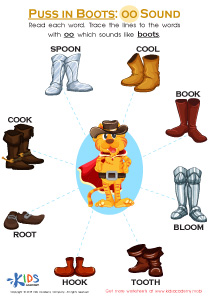
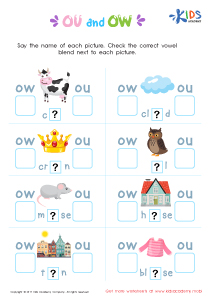
Our Reading Comprehension Vowel Blends Worksheets are expertly designed for children ages 4-8, focusing on fundamental literacy skills. These engaging worksheets help young learners grasp the concept of vowel blends through interactive and fun activities, enhancing their reading comprehension. By incorporating a variety of exercises, from matching to fill-in-the-blank, these resources are tailored to improve phonemic awareness and bolster confidence in reading. Perfect for both classroom and at-home use, our worksheets ensure a solid foundation in reading skills, setting up learners for future academic success. Unlock the joy of reading and watch your child’s comprehension skills flourish!
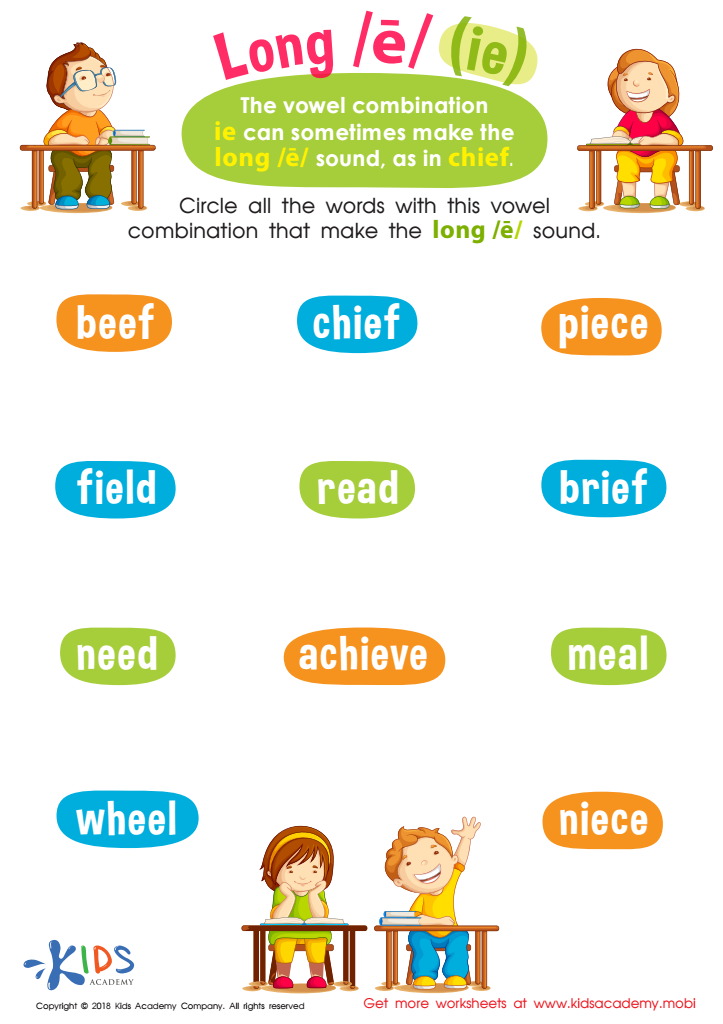
Reading: Long E and IE Worksheet
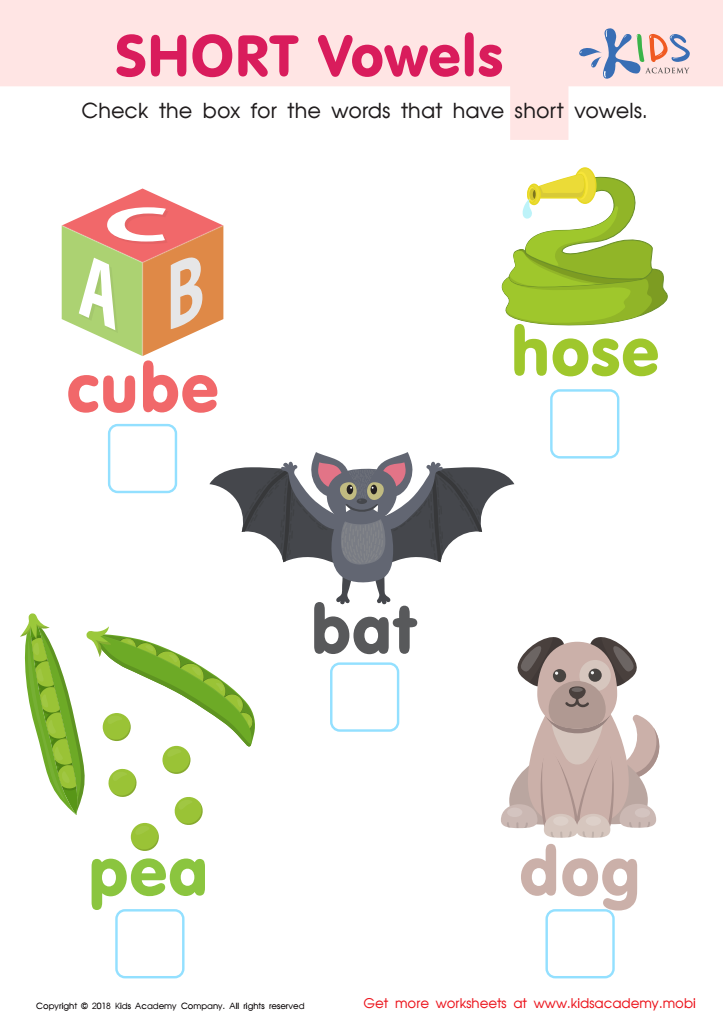
short vowels Worksheet
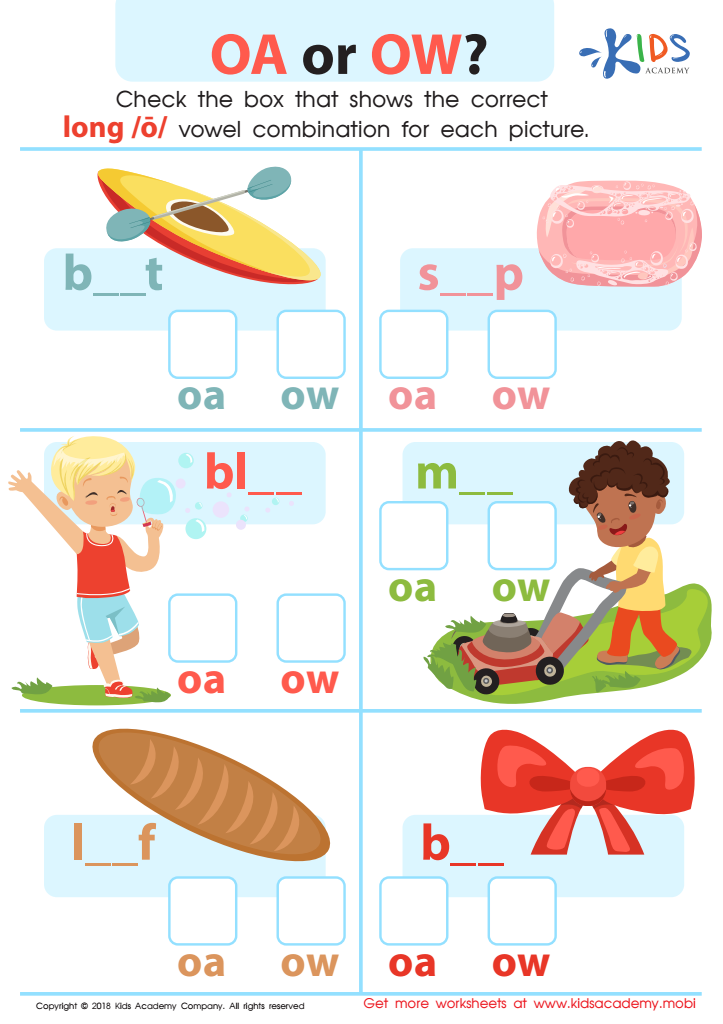
Reading: OA or OW Worksheet
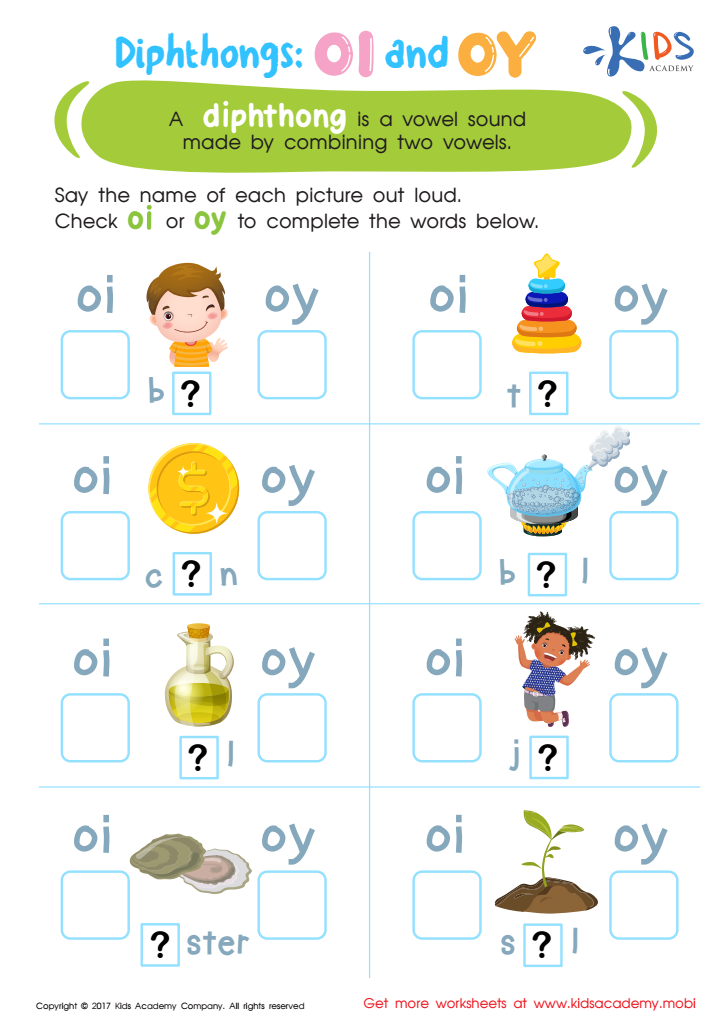
Vowel Diphthongs OI OY Worksheet
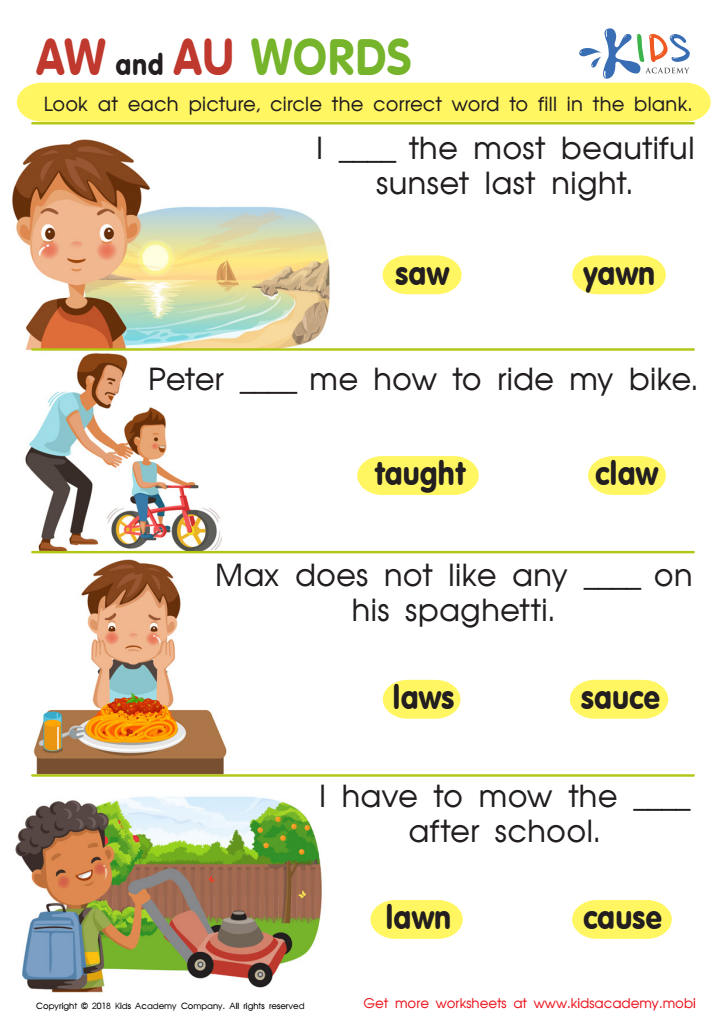
Reading: AW and AU Words Worksheet
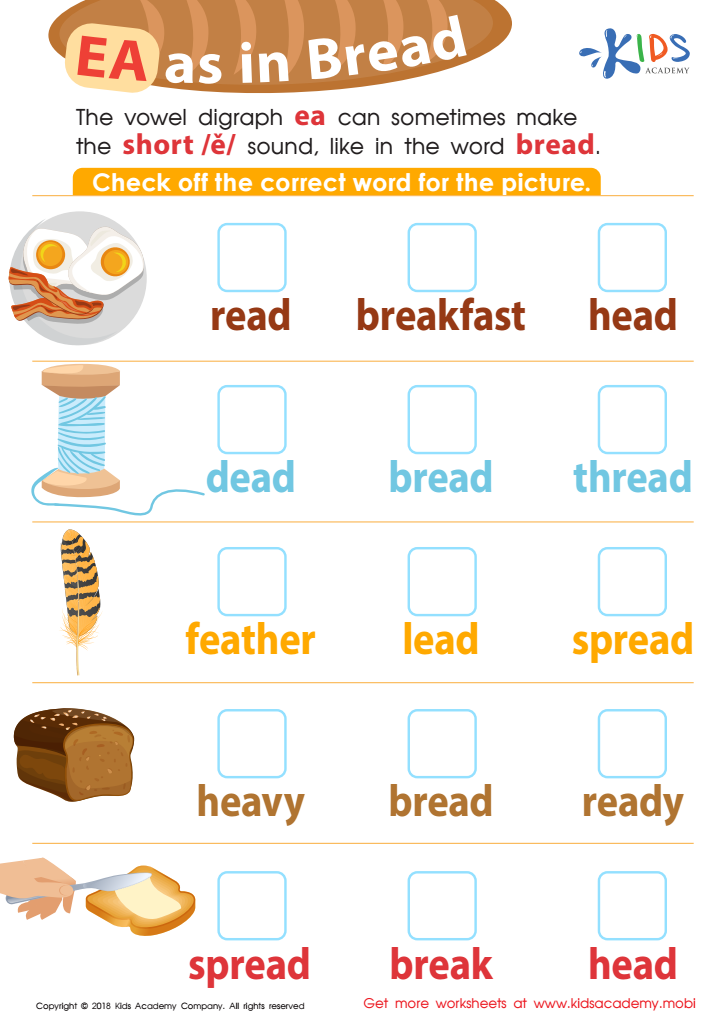
Reading: EA as in Bread Worksheet
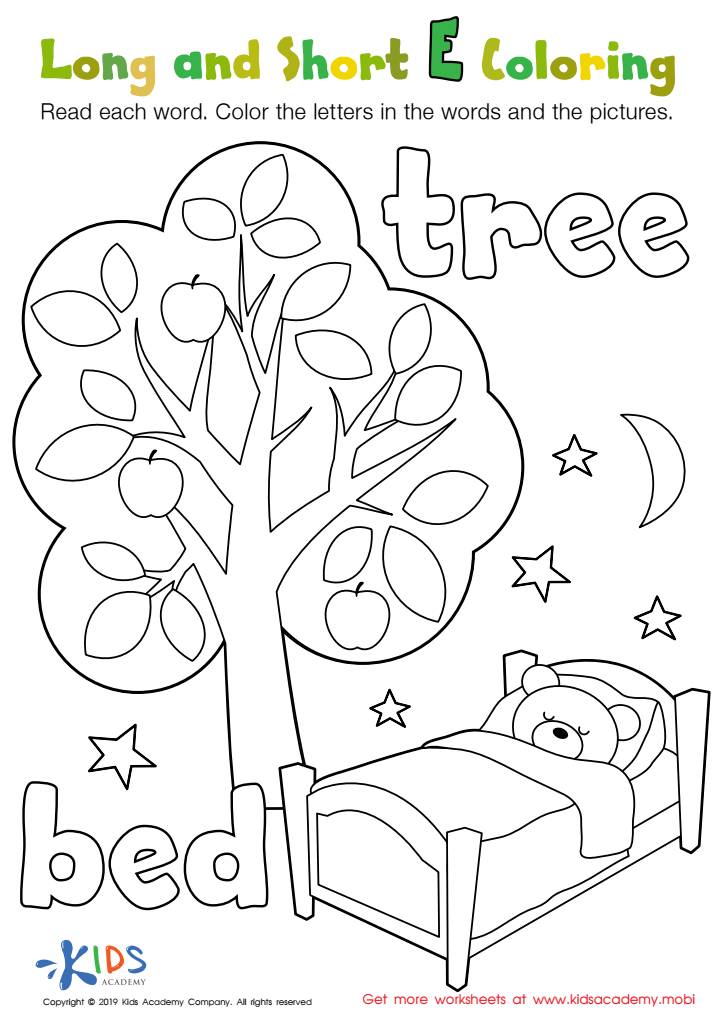
Long and Short E Worksheet
 Assign to My Students





Understanding vowel blends is crucial for young learners aged 4-8, as it lays the foundational skills required for proficient reading and enhances overall communication abilities. Vowel blends are combinations of vowels that produce specific sounds in words, helping children decode new words while reading. Mastery of vowel blends enables smoother transitions from phonetic decoding to fluent reading, fostering comprehension and retention of read material.
For parents and teachers, focusing on vowel blends is essential because proper reading comprehension significantly impacts a child's academic success. When children grasp these blends early, they become more confident readers, equipped to handle complex texts as they progress in their education. Engaging with vowel blends at an early age helps develop phonemic awareness, a critical skill in understanding language nuances. This, in turn, promotes better writing skills, as children become adept at applying their reading knowledge to spell accurately.
Moreover, early reading success directly influences a child's enthusiasm for learning. Encouragement and support in mastering vowel blends propel their literacy journey, making reading an enjoyable and less daunting task. This confidence helps cultivate a lifelong love for reading, contributing to broader educational and developmental outcomes. Hence, emphasizing vowel blends in early education should be a key priority for both parents and teachers.