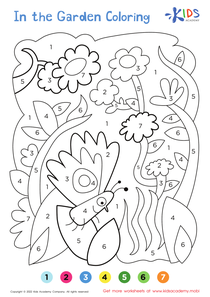
Color recognition Animals Worksheets for Ages 4-8
12 filtered results
-
From - To
Unlock a world of vibrant education with our Color Recognition Animals Worksheets, designed specifically for children aged 4 to 8. These engaging activities not only help young learners identify colors but also introduce them to various animals in a fun and interactive way. Through lively illustrations and guided exercises, kids can enhance their color recognition skills while developing fine motor abilities and creativity. Ideal for classrooms or at-home learning, our worksheets foster a love for both colors and creatures. Explore this delightful collection of resources today and watch your child’s learning journey blossom! Perfect for parents and educators alike!
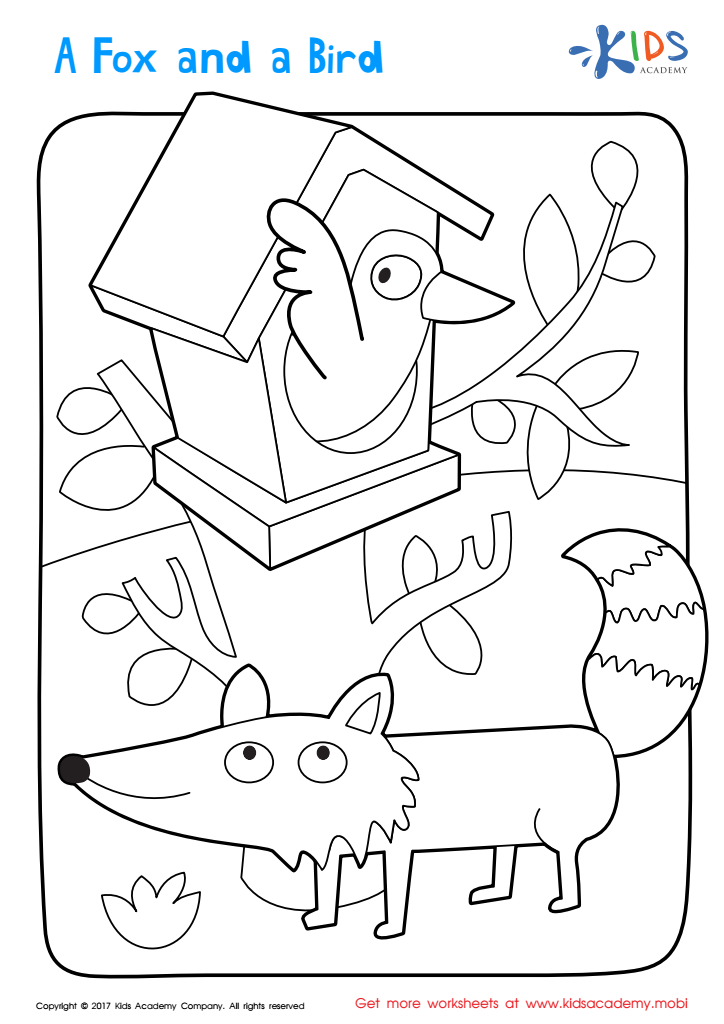
A Fox and Bird Coloring Page
 Assign to My Students
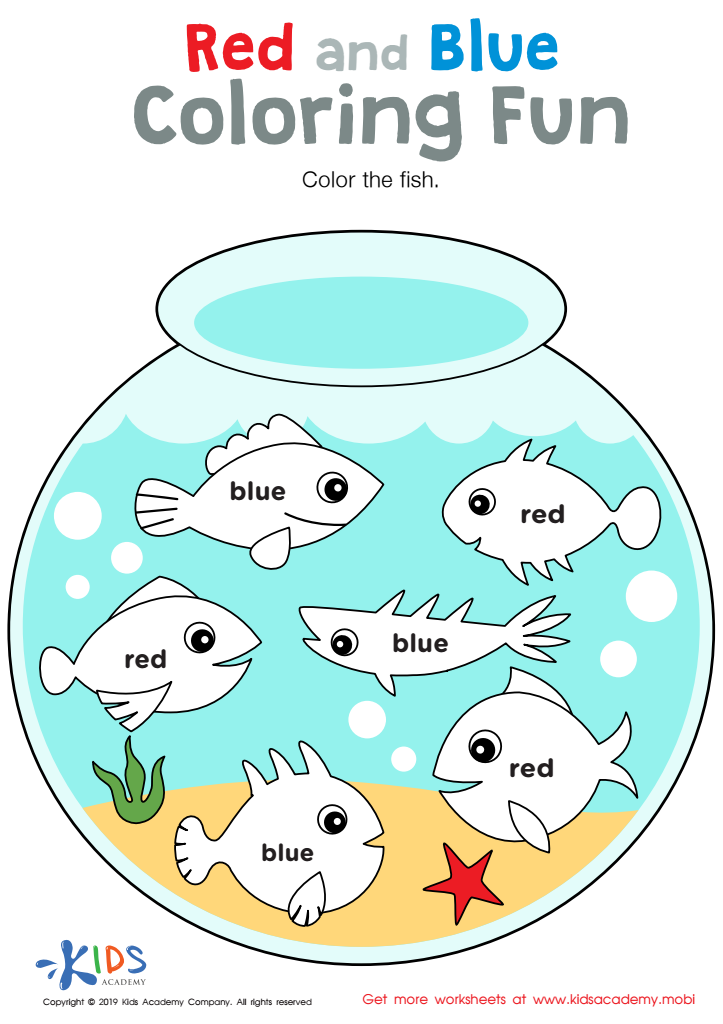
Red and Blue Coloring Fun Worksheet
Assign to My Students
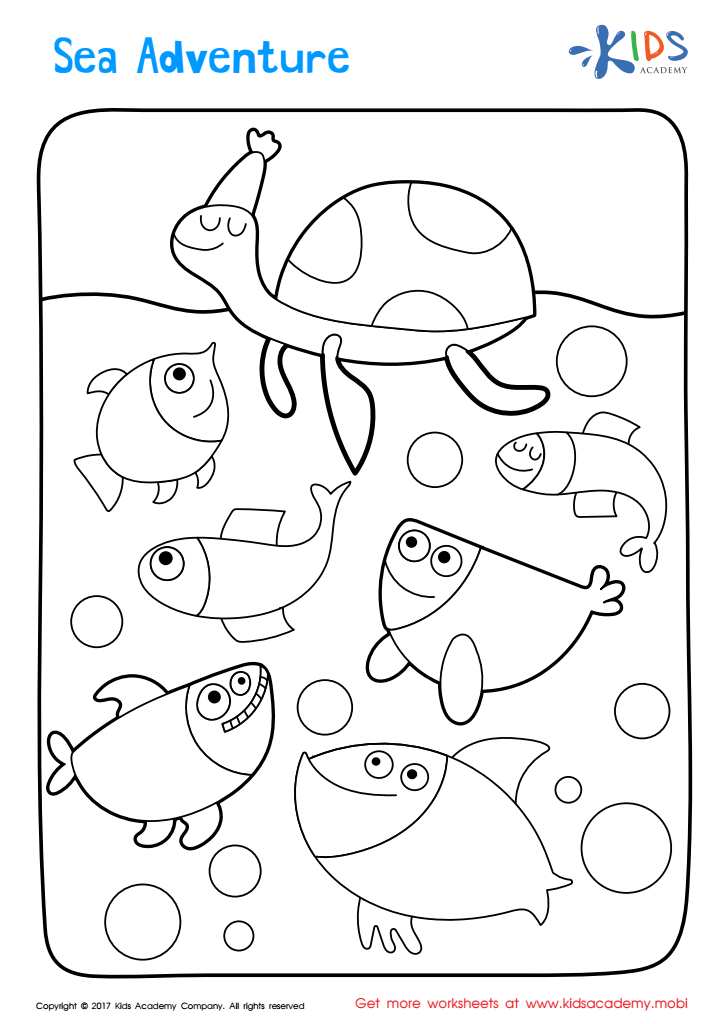
Sea Adventure Coloring Page
Assign to My Students
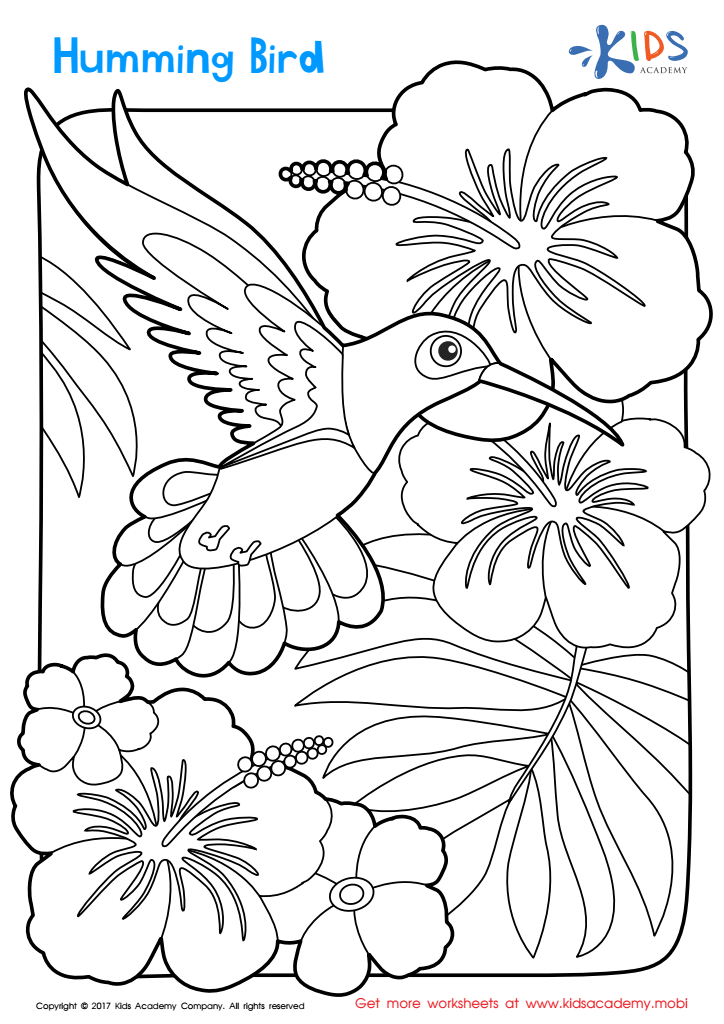
Humming Bird Worksheet
Assign to My Students
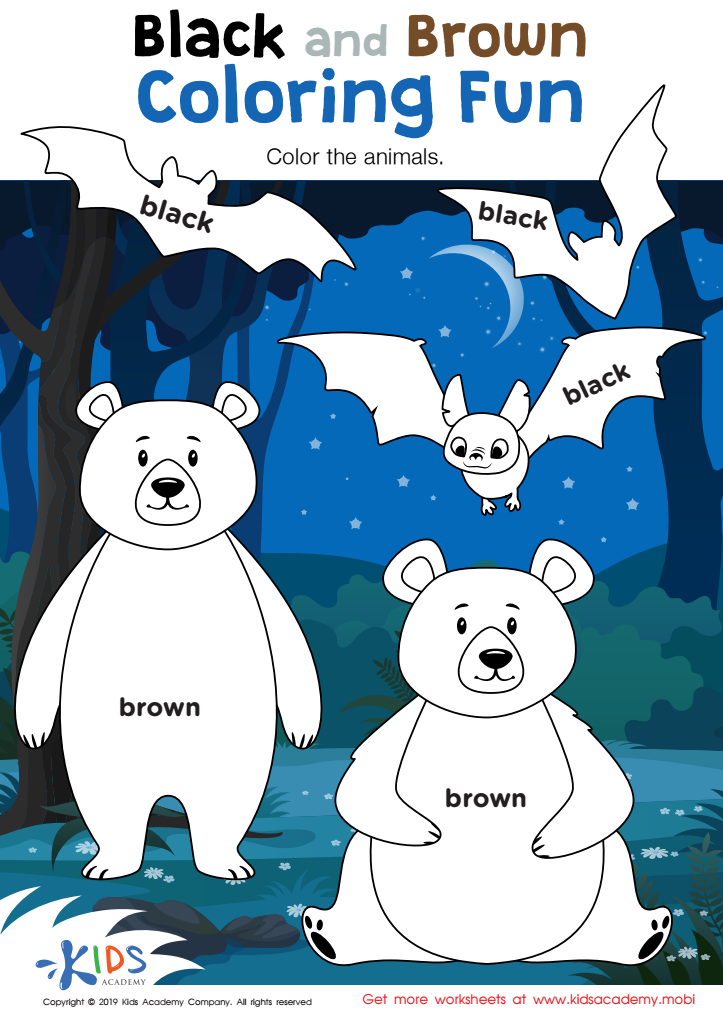
Black and Brown Coloring Fun Worksheet
Assign to My Students
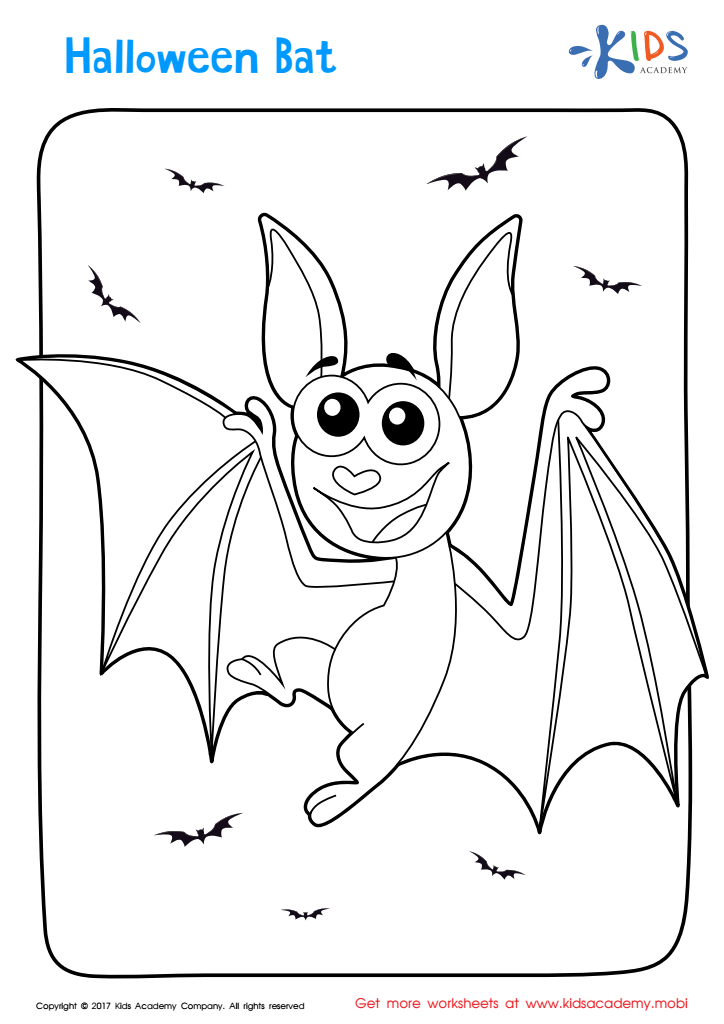
Halloween: A Bat Printable
Assign to My Students
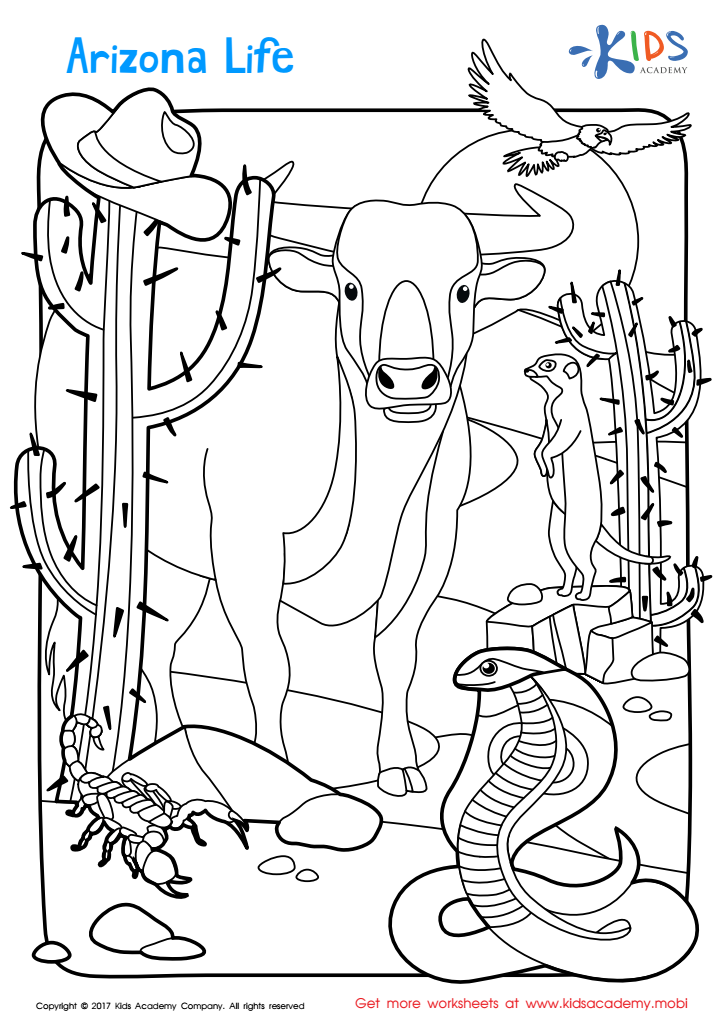
Arizona Coloring Page Worksheet
Assign to My Students
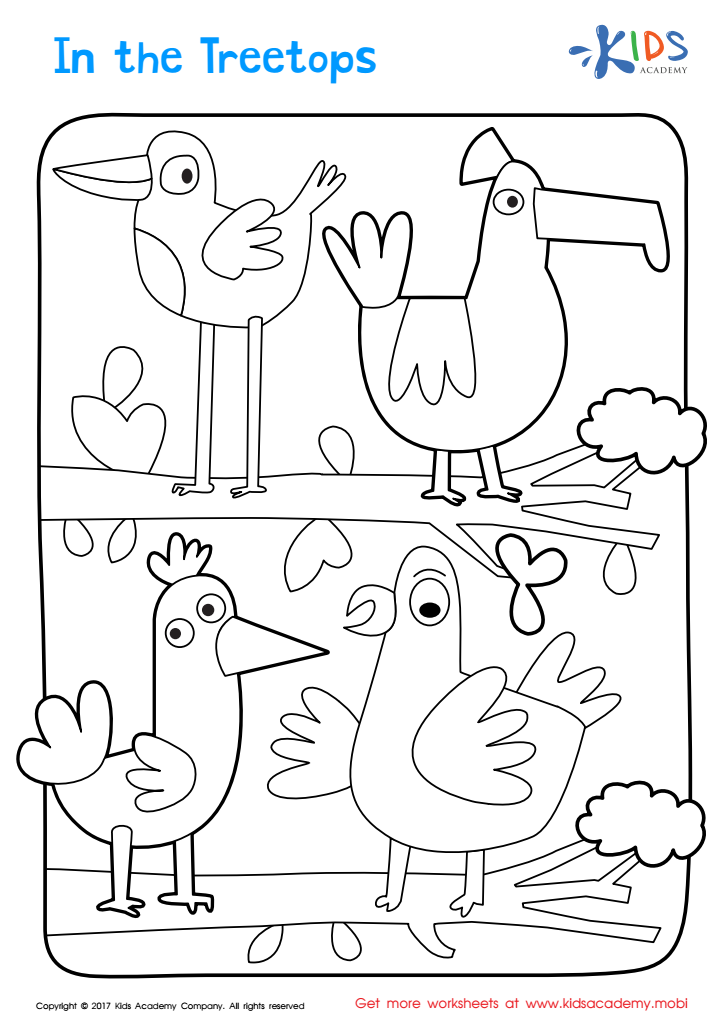
In the Treetops Coloring Page
Assign to My Students
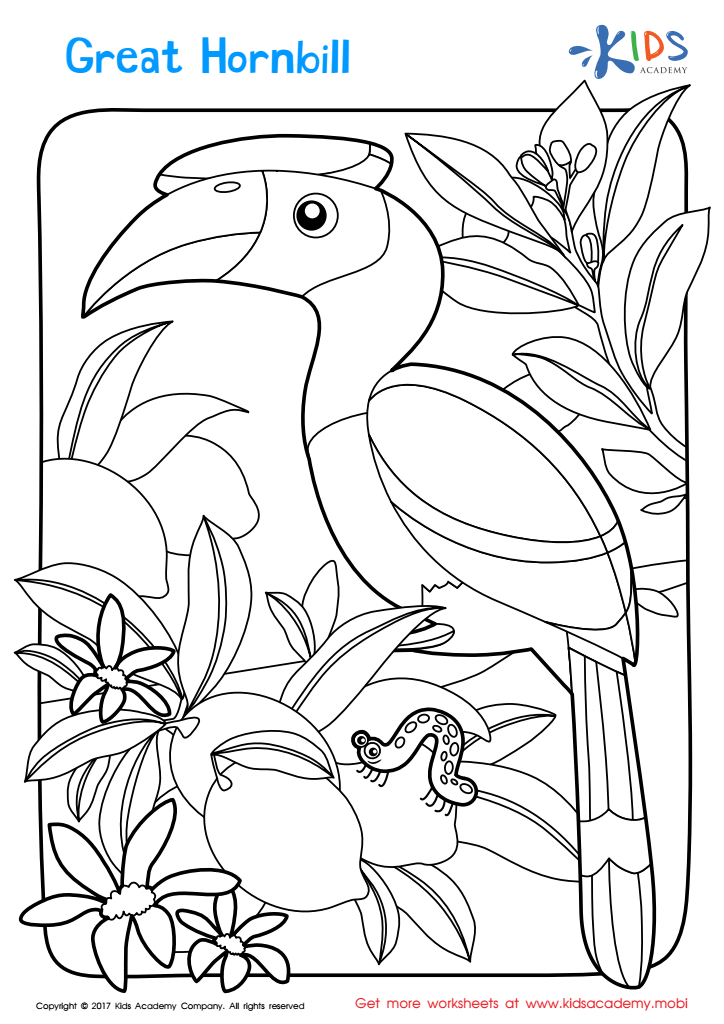
Great Hornbill Worksheet
Assign to My Students
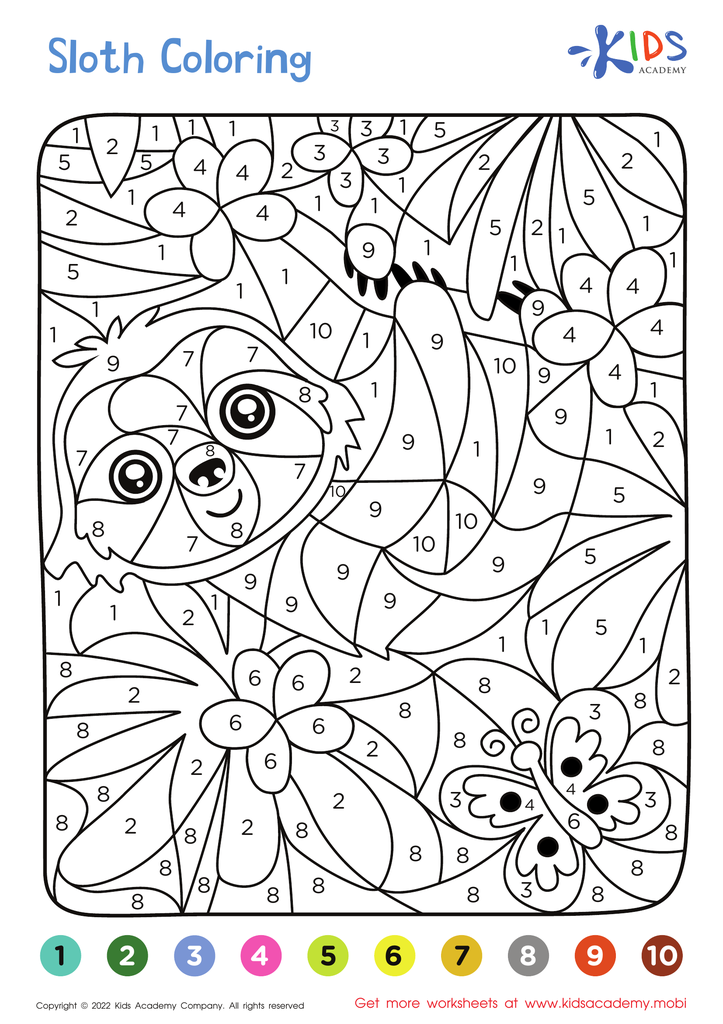
Sloth – Coloring by Numbers
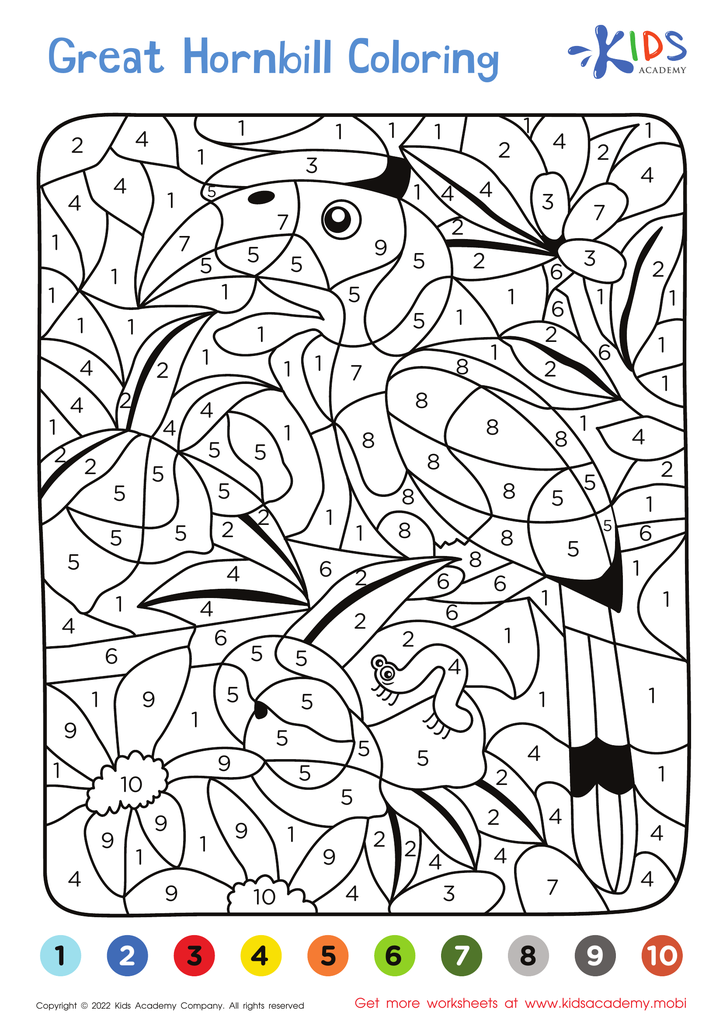
Great Hornbill – Coloring by Numbers
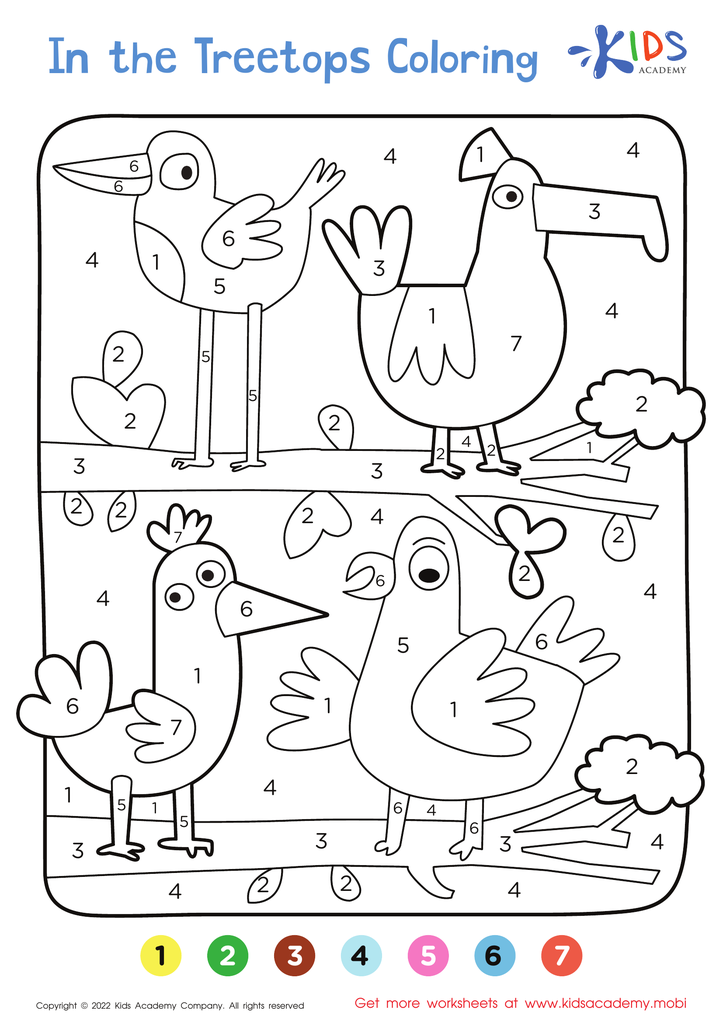
In the Treetops – Coloring Page








Color recognition in animals is an essential aspect of early childhood education, especially for children aged 4-8. Understanding color helps children develop visual discrimination skills, which are foundational for learning in various subjects, including math and literacy. By introducing color within the context of animals, educators and parents can harness children's natural curiosity and engagement with the animal kingdom, making learning more enjoyable and relevant.
Learning to identify colors through animals can also enhance vocabulary and cognitive skills, as children learn the names of different colors and animals simultaneously. This dual-focus approach fosters a multidimensional learning environment, encouraging creative expression and emotional development. Furthermore, discussing different animals often leads to opportunities for children to explore their habitats, behaviors, and characteristics, linking science to art and storytelling.
By being aware of color recognition in animals, parents and teachers can incorporate hands-on activities, such as arts and crafts, games, and nature walks, to instill a sense of wonder and discovery. Promoting color recognition through animal-themed educational materials not only supports foundational skills but also cultivates a lifelong love for learning about nature and the world. Ultimately, this approach enhances critical thinking skills while making crucial concepts accessible and engaging for young learners.