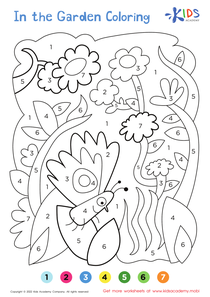
Motor skills development Animals Worksheets for Ages 4-8
3 filtered results
Difficulty Level
Grade
Age
-
From - To
Subject
Activity
Standards
Unlock your child's potential with our engaging Motor Skills Development Animals Worksheets for ages 4-8! Designed to enhance fine motor skills through delightful animal-themed activities, these worksheets promote hand-eye coordination, dexterity, and creativity. Children will enjoy coloring, tracing, and completing various animal patterns while developing essential skills in a fun and interactive way. Each worksheet encourages focus and concentration, making learning enjoyable. Perfect for at-home practice or classroom use, these resources are ideal for aspiring young learners. Foster a love for animals and support motor skill development today with our thoughtfully created worksheets! Get started and watch your child thrive!
Favorites
With answer key
Interactive
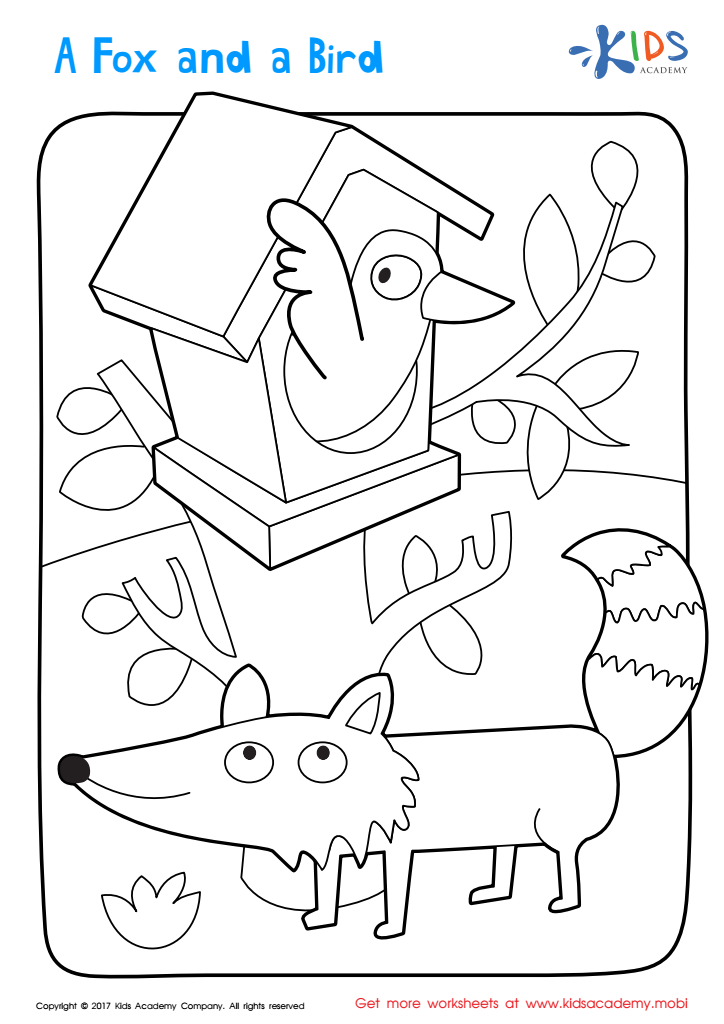
A Fox and Bird Coloring Page
Flex their creativity with this fun-filled coloring page: A Fox and Bird! Let kids express themselves through colors, allowing them to make each scene their own. This picture will bring joy to their art routine!
Download (PDF)
 Assign to My Students
Assign to My Students
A Fox and Bird Coloring Page
Worksheet
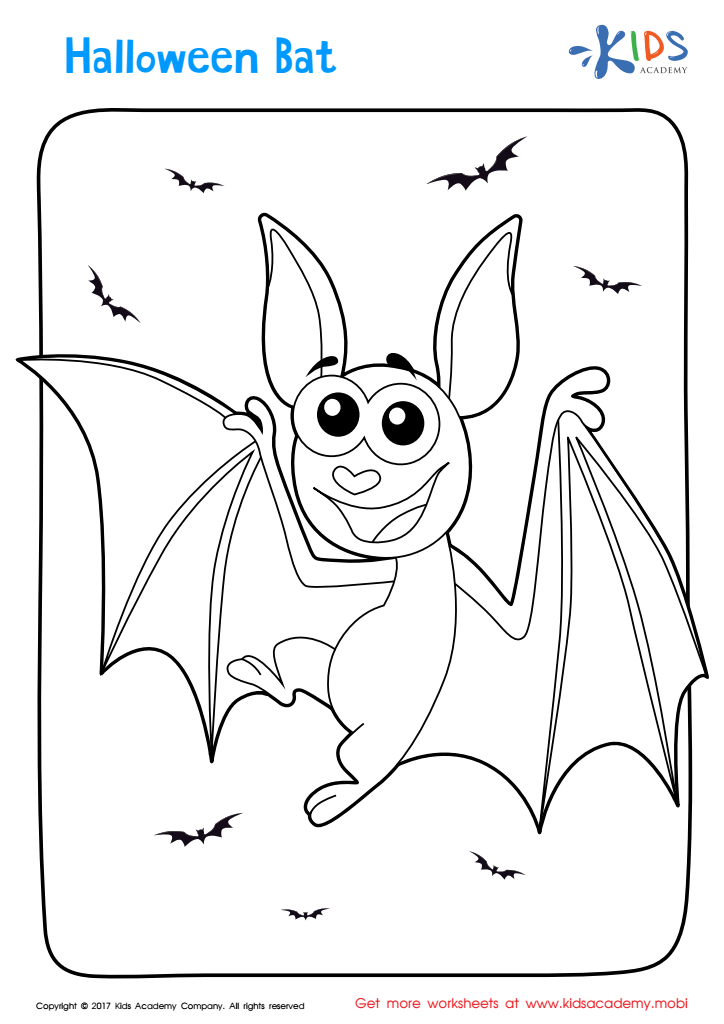
Halloween: A Bat Printable
Give your child a Halloween boost with our free coloring page. They'll have a blast adding their own decorations and creating a spooky scene!
Download (PDF)
Assign to My Students
Assign to My Students
Halloween: A Bat Printable
Worksheet
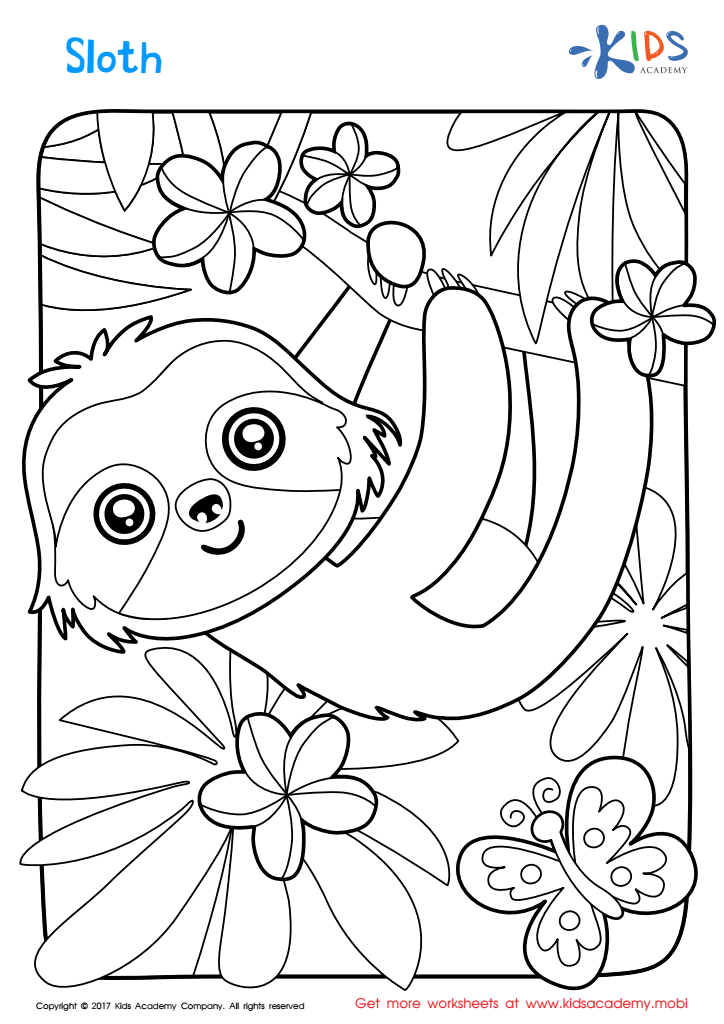
Sloth Worksheet
Get your kid excited to color the sloth coloring page! Explain to them the fascinating details of this slow-moving animal. Once complete, show it off on the fridge! For an extra lesson, look up more sloth pics and facts!
Download (PDF)
Assign to My Students
Assign to My Students
Sloth Worksheet
Worksheet
Join Kids Academy for Free
Who is primarily going to use this learning content?






Motor skills development in children ages 4-8 is critical for their overall growth, affecting not only physical abilities but also social, emotional, and cognitive skills. Understanding animal movements can captivate children's imaginations and engage them in learning. Through activities such as imitating animal movements (like hopping like a frog or crawling like a bear), children develop gross motor skills, improving coordination and balance.
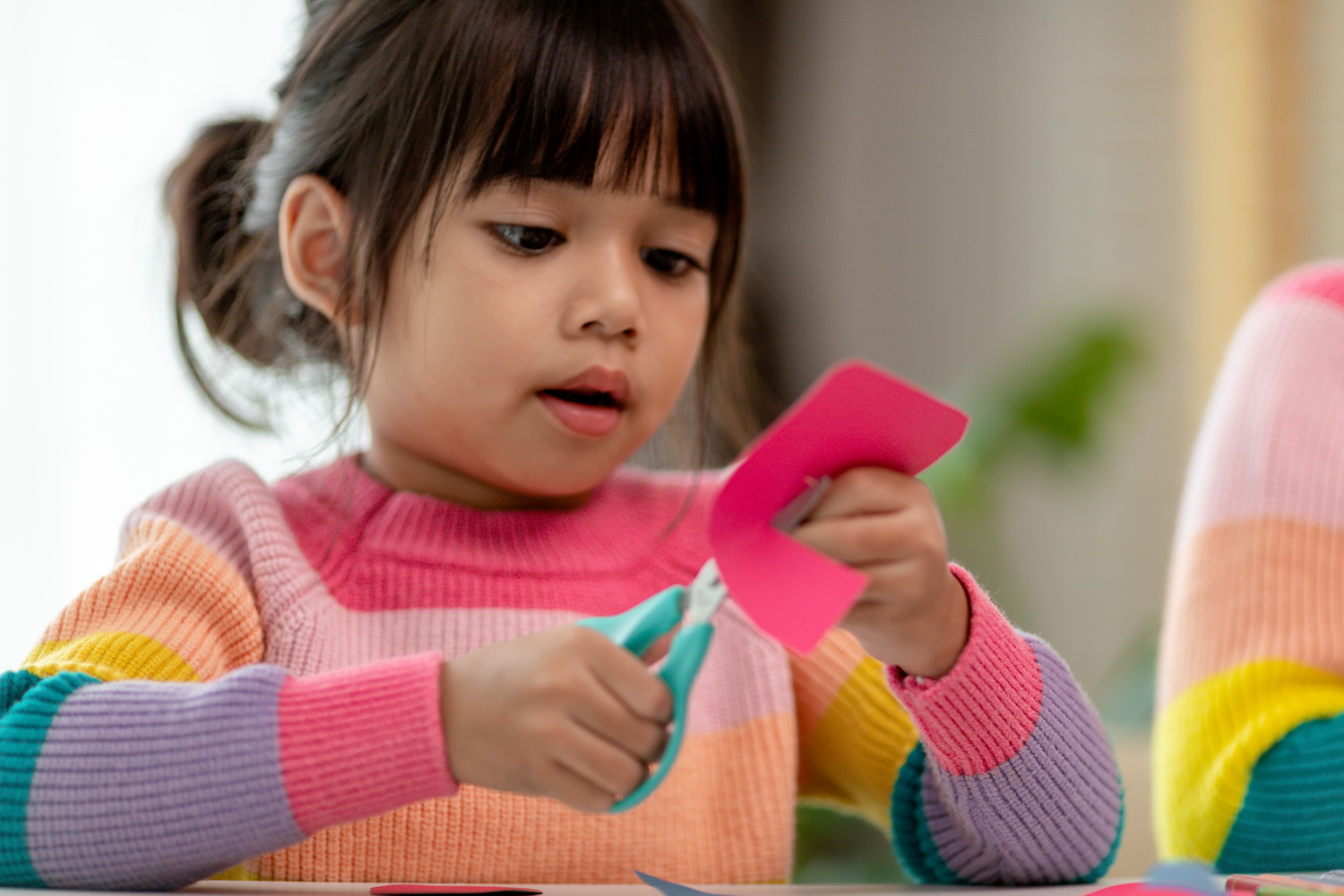
Additionally, incorporating animals into motor skills activities can promote fine motor development as children engage in tasks like drawing animals, cutting animal shapes, or building their own animal models. These activities strengthen hand-eye coordination and dexterity, crucial for everyday tasks. Learning about animals fosters curiosity and empathy, encouraging emotional growth and social interactions.
Furthermore, engaging with animals offers experiential learning. By exploring how animals move and interact with their environments, children enhance their understanding of nature and basic biology. This holistic approach to learning encourages a love for exploration and promotes a well-rounded development.
Finally, motor skills development is associated with improved academic performance. By focusing on both physical and cognitive growth through animal-related activities, parents and teachers can support children's readiness for future educational challenges. Investing in these skills creates a solid foundation for lifelong learning and healthy habits.