Flora and Fauna Worksheets for Ages 4-8 - Page 2
32 filtered results
-
From - To
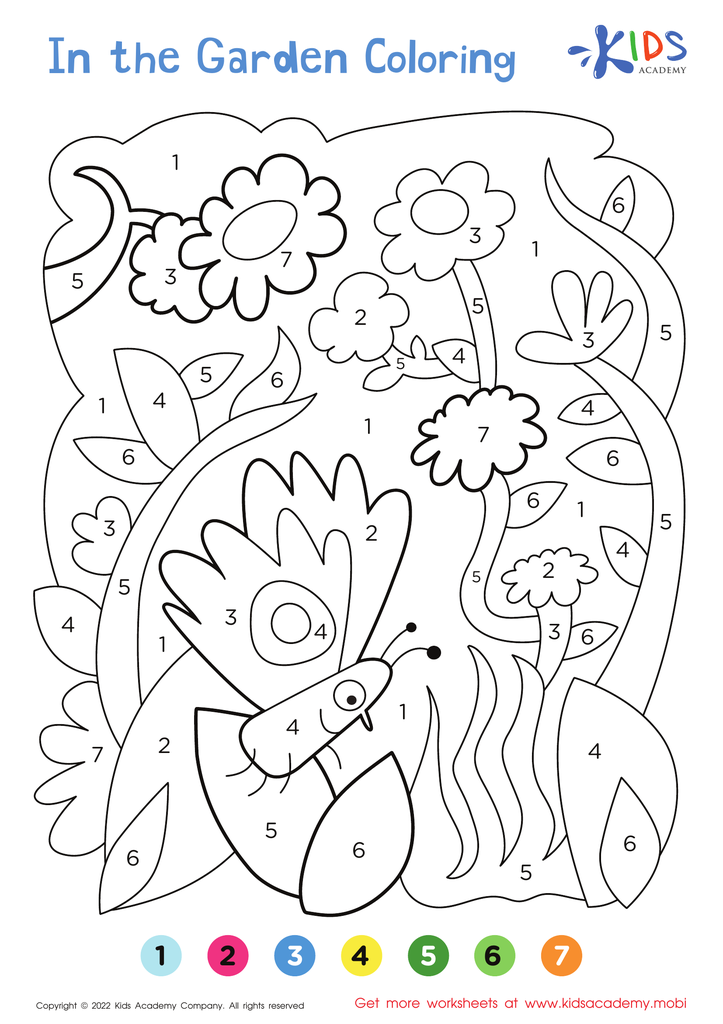
In the Garden – Coloring by Numbers


Parents and teachers should care about flora (plants) and fauna (animals) for children aged 4 to 8 because these components of our environment are essential for fostering curiosity, creativity, and a sense of responsibility. At this young age, children are naturally inquisitive and eager to explore their surroundings. Introducing them to flora and fauna enhances their understanding of nature, biodiversity, and ecosystems.
Learning about plants and animals can provide a solid foundation for scientific education, instilling observation skills and critical thinking. Children gain an appreciation for living things, cultivating empathy and respect for the environment. Hands-on experiences such as gardening, nature walks, or observing wildlife help children to engage their senses and deepen their awareness of the world around them.
Moreover, understanding flora and fauna is crucial for emphasizing important concepts like sustainability and conservation. As future stewards of the planet, young learners will better appreciate the need to protect their environment. This early exposure encourages a lifelong passion for nature and responsibility toward it. Ultimately, by caring about flora and fauna, parents and teachers lay the groundwork for environmentally conscious and inquisitive individuals who value the natural world.