Filters

6 filtered results

Clear all filters
Favorites
With answer key
Interactive

6 filtered results

Difficulty Level

Grade


Discover our engaging "Word Recognition English for Beginners Worksheets" specially designed for children aged 4-8! These interactive worksheets provide a fun and stimulating way for young learners to develop their word recognition skills, essential for building a strong foundation in reading and vocabulary. Each worksheet features colorful illustrations and age-appropriate activities that encourage kids to identify and match words, enhancing their cognitive skills. Perfect for ESL learners or those just starting with English, these worksheets will ignite a love of learning while promoting confidence in language use. Start your child's journey toward literacy with our easy-to-use, printable resources today!

Check out this FREE Trial Lesson on English for Beginners for age 4-8!

How Are You?

Favorites
With answer key
Interactive
  • 4-8
  • Word Recognition
  • English for Beginners
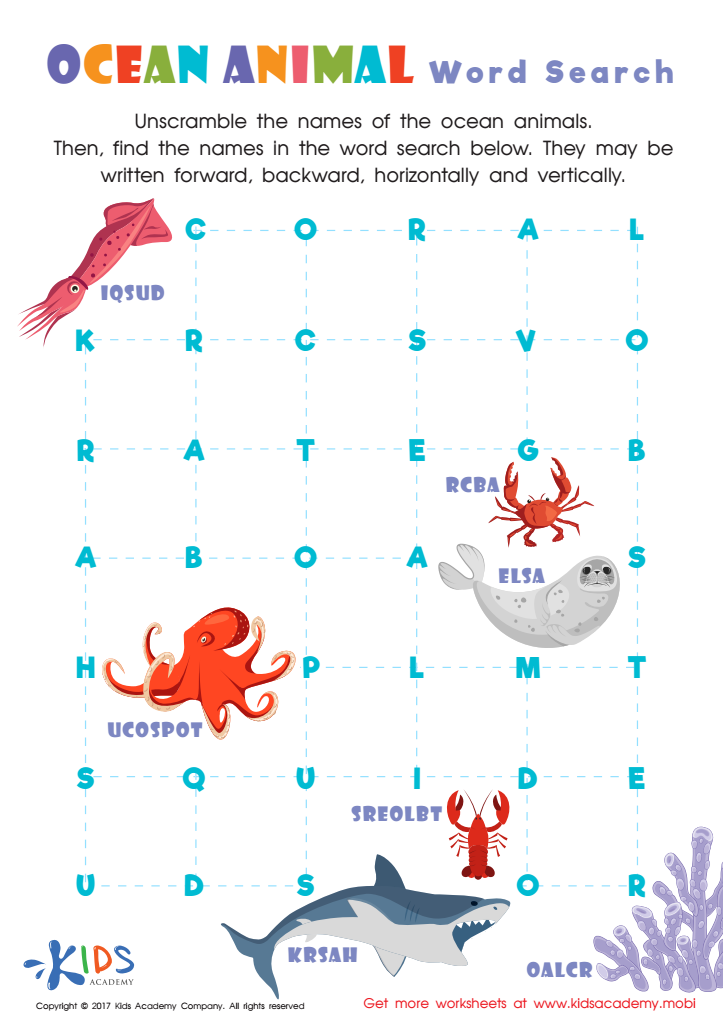
Ocean Animals Word Search Printable

Ocean Animals Word Search Printable

Challenge your child to unscramble the names of ocean animals and find them in the word search. This ocean animals printable is a fun way to teach kids more about these fascinating creatures!
Ocean Animals Word Search Printable
Worksheet
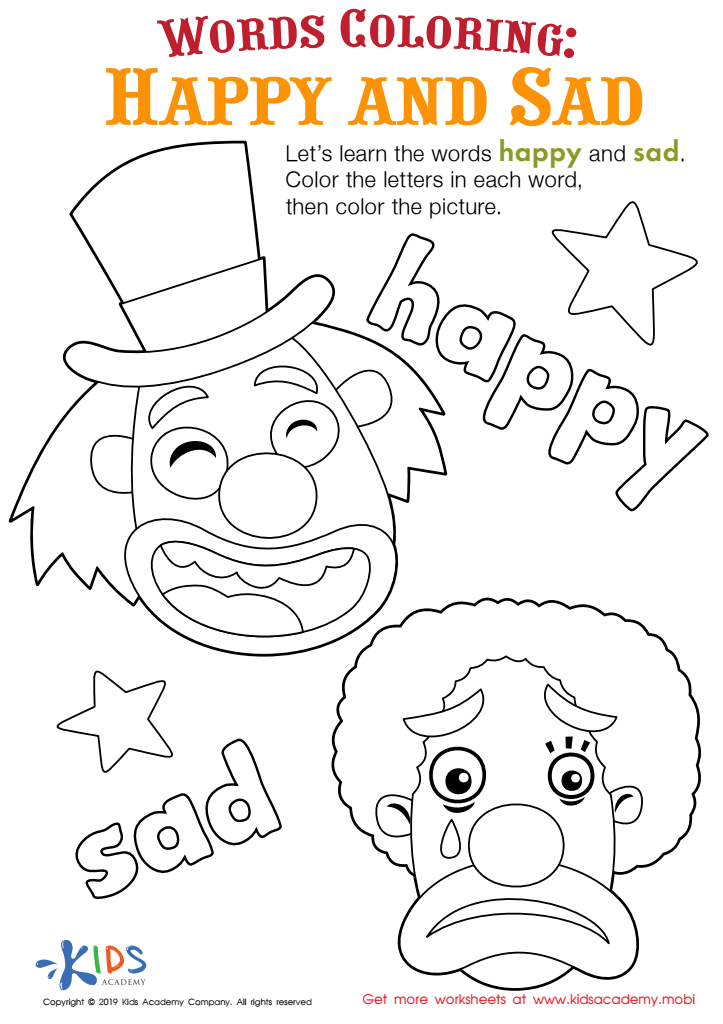
Happy and Sad Words Coloring Worksheet

Happy and Sad Words Coloring Worksheet

Help students understand emotions by using this fun worksheet. It features smiling and sad clowns and the words 'happy' and 'sad'. Read the words with your students, then have them color the clowns and the emotion words. This PDF is an effective way to teach kids how to express how they feel.
Download (PDF)
Assign to My Students
Happy and Sad Words Coloring Worksheet
Worksheet
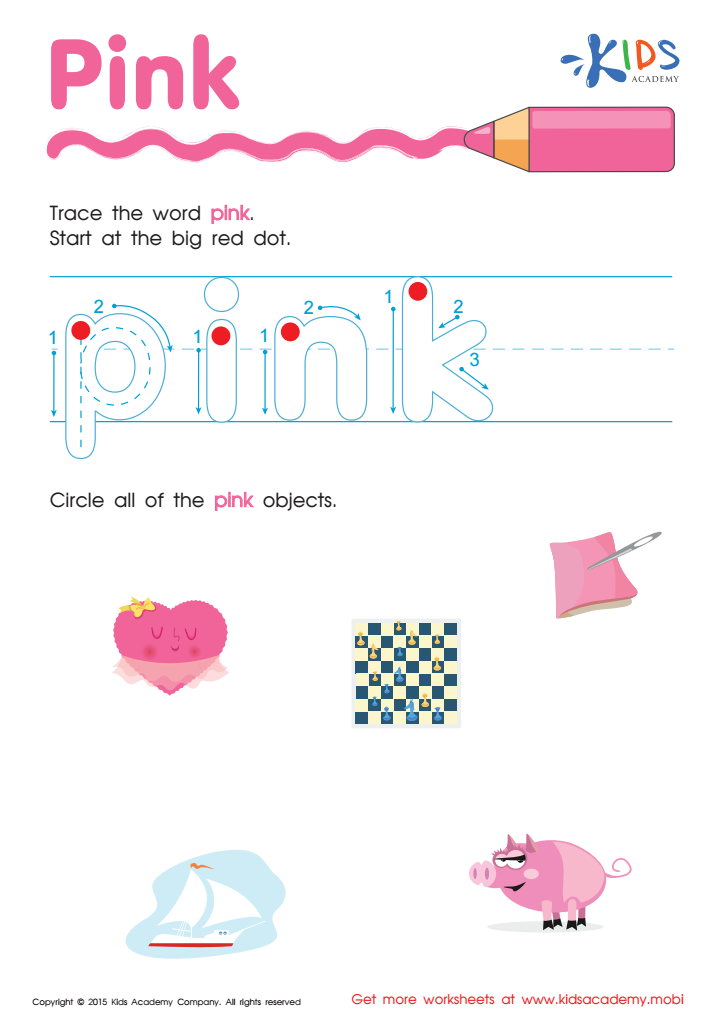
Handwriting PDF Worksheets | Tracing Color Words | Pink

Pink Tracing Color Words Worksheet

Trace 'pink' with a pink crayon for an exciting handwriting lesson! Build fine motor skills and learn about sight words with this fun printable. Get creative and give it a splash of color for a colorful learning experience. For more tracing color words, explore here.
Pink Tracing Color Words Worksheet
Worksheet
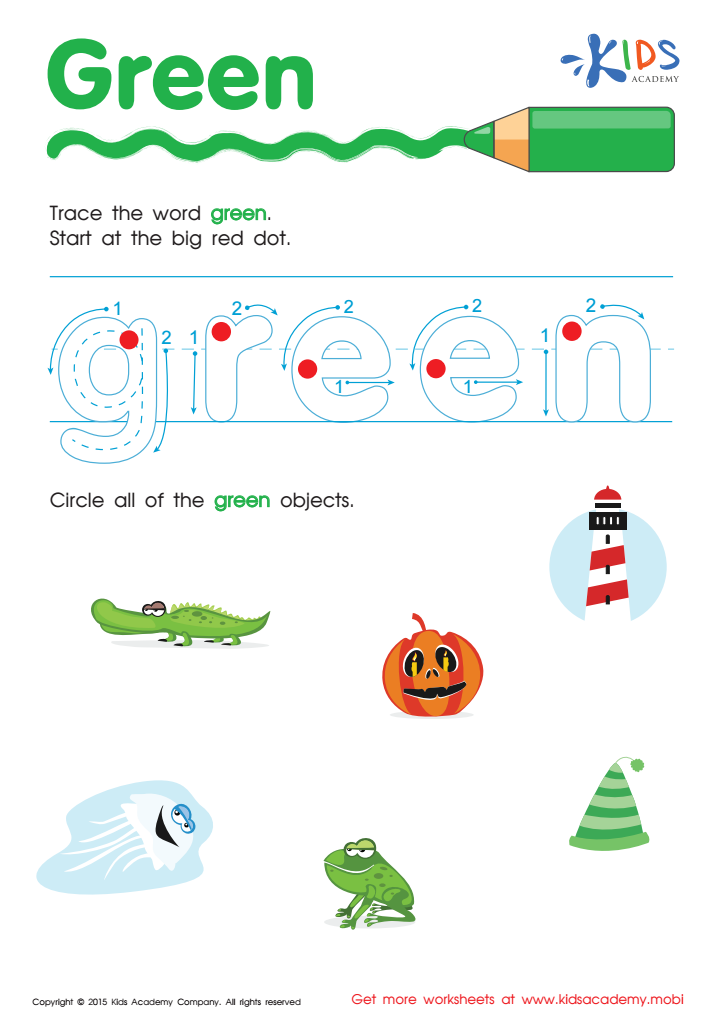
Handwriting PDF Worksheets | Tracing Color Words | Green

Green Tracing Color Words Worksheet

Encourage writing and spelling practice with this vibrant free handwriting worksheet. Have your child trace the new name of a primary color, "green," and circle green items in the picture. Ask them what else can be green for a challenging activity. Through this worksheet, your kindergartener can learn and play at the same time. For more free printables, look here.
Green Tracing Color Words Worksheet
Worksheet
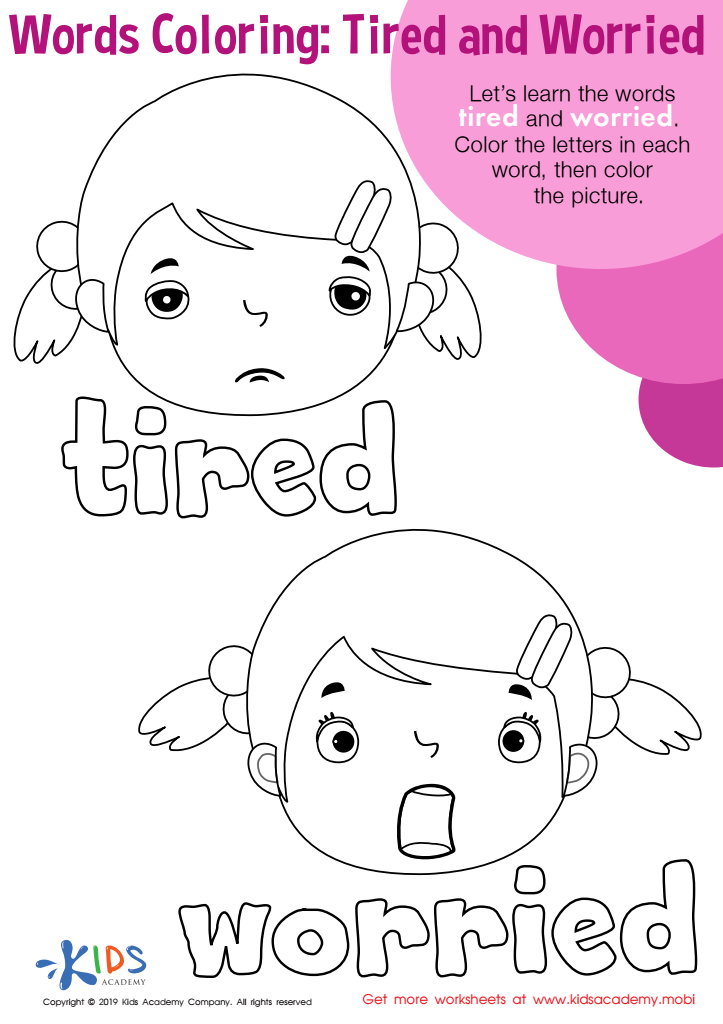
Tired and Worried Words Coloring Worksheet

Tired and Worried Words Coloring Worksheet

Teach your students about "tired" and "worried" with this worksheet. Have them read and color the emotion words, then color the pictures of a tired girl and a worried girl. Discuss what makes them tired and worried. Expand their vocabulary with this fun coloring activity!
Download (PDF)
Assign to My Students
Tired and Worried Words Coloring Worksheet
Worksheet
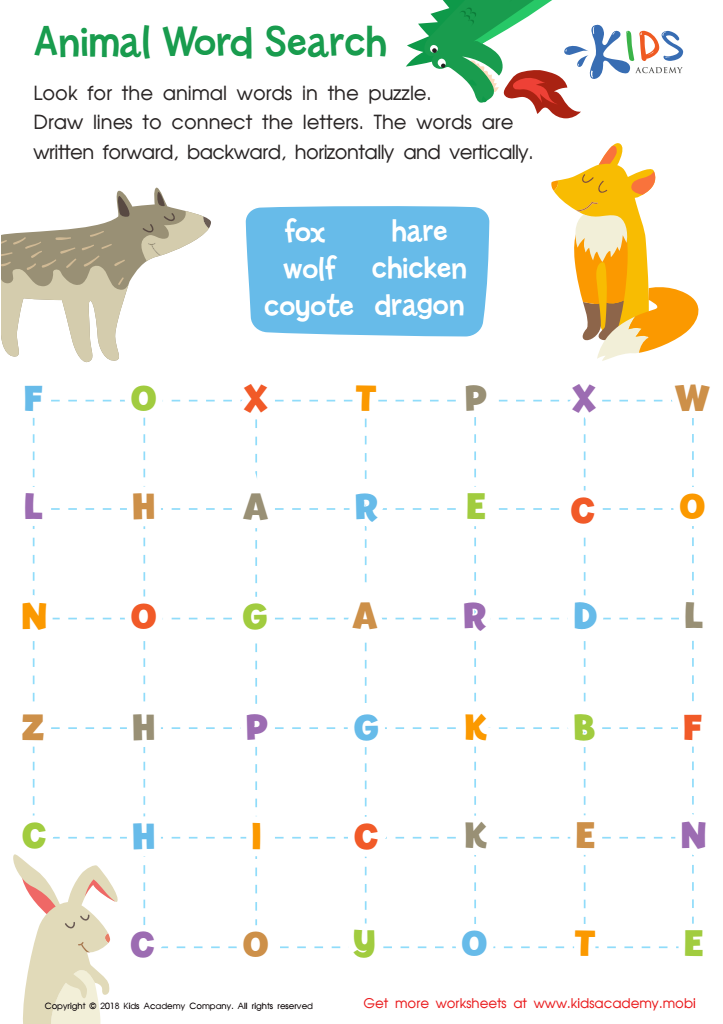
Animal Word Search Worksheet

Animal Word Search Worksheet

Students can have fun and strengthen spelling and vocabulary skills with this word search worksheet. Search for animal words and circle the letters in the puzzle. Words can be found forwards, backwards, horizontally or vertically, providing a great challenge to foster critical thinking skills. An enriching activity for all ages!
Animal Word Search Worksheet
Worksheet


Word recognition is a foundational skill in literacy development, making it essential for parents and teachers working with children aged 4-8. Mastery of word recognition enables young learners to quickly and accurately identify words, which is crucial for reading fluency and comprehension. As children progress in their education, fluency in recognizing high-frequency words allows them to focus on understanding the content rather than decoding individual words.

Supporting word recognition promotes confidence and independence in young readers. When children can recognize familiar words effortlessly, they are more inclined to engage with texts, enhancing their motivation to read and explore literature. This engagement is especially critical during early childhood when attitudes toward reading are formed.

Moreover, word recognition supports broader academic success. It lays the groundwork for more complex language skills, including spelling, vocabulary acquisition, and writing proficiency. For teachers, fostering this skill can enhance classroom instructional strategies and create a positive learning environment.

Overall, prioritizing word recognition in early education helps children build a solid literacy foundation that will benefit their lifelong learning, illustrating its importance for both parents and educators in guiding and supporting young learners.