Check out this FREE "Alphabet Recognition" Trial Lesson for age 4-8!

Tracing Lowercase Letters s-z

Favorites
With answer key
Interactive
  • 4-8
  • Alphabet Recognition
Lowercase Letters v w x Worksheet

Lowercase Letters v w x Worksheet

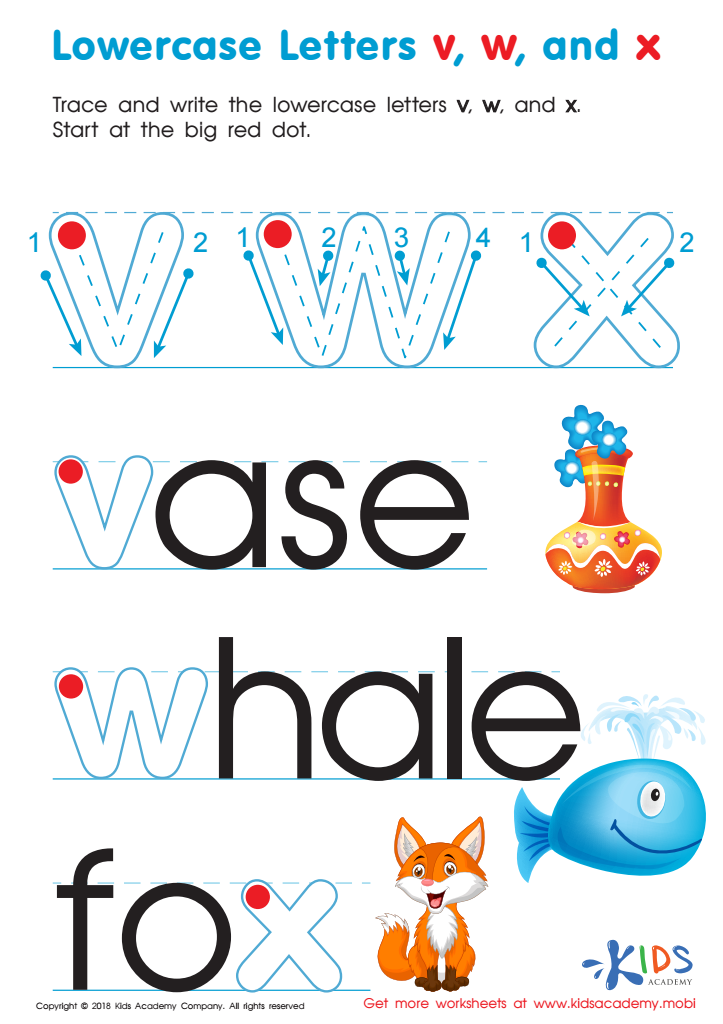
Help your child learn to write lowercase letters v, w, and x, starting at the big red dot. This activity will help them develop writing skills and correctly identify the letters. Guide them as they trace the letters and enjoy watching them improve!
Lowercase Letters v w x Worksheet
Worksheet
My Name: Letter Fishing Worksheet

My Name: Letter Fishing Worksheet

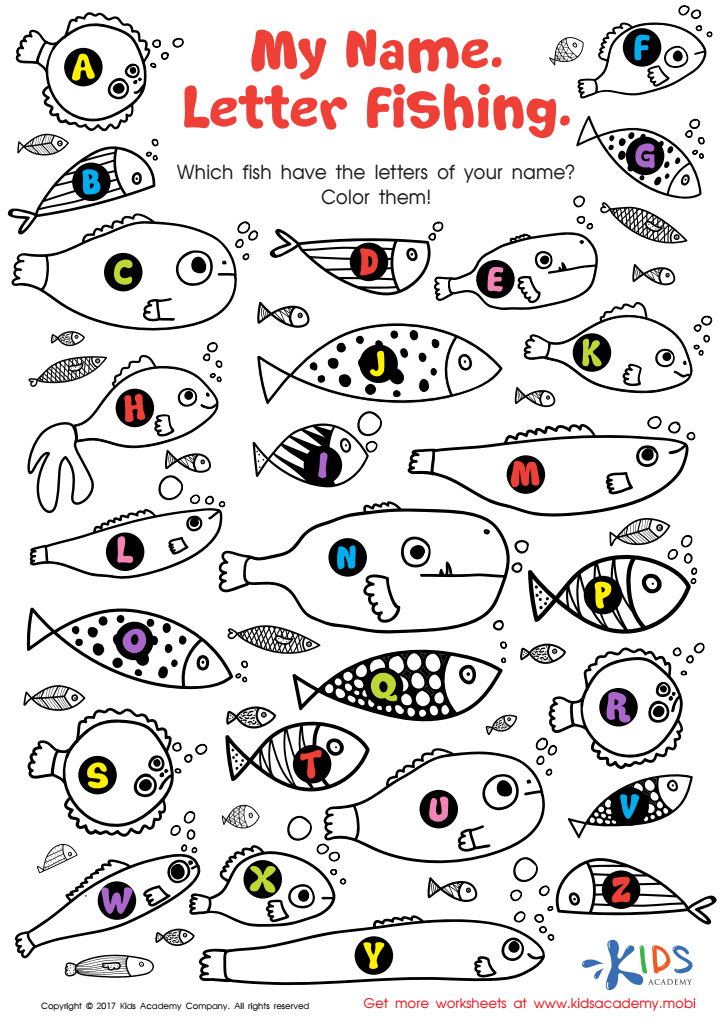
Dive into the deep sea and search for fish with a letter on them. Can you find all the letters from your name? Color your favorite fish with crayons and be creative! On the other side, use the letters you found to write your name. Have fun coloring and finding the letters of your name! (80 words)
Download (PDF)
Assign to My Students
My Name: Letter Fishing Worksheet
Worksheet
Cursive ABCs: Lowercase b

Cursive ABCs: Lowercase b

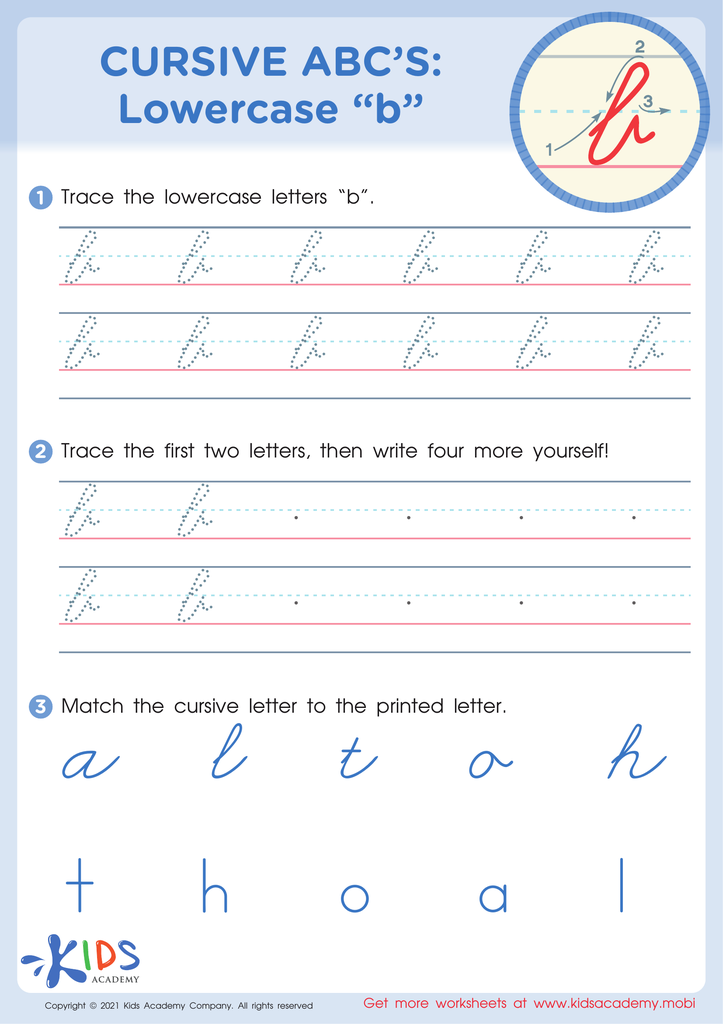
Trace two lines of lowercase b's with your kids. Guide them through the loops and swirls to help them learn cursive handwriting. Then let them practice writing the letter b themselves in the last two lines. With this exercise, your kids should become better at writing and recognizing the lowercase cursive b.
Cursive ABCs: Lowercase b
Worksheet
Uppercase Letters V, W, and X Worksheet

Uppercase Letters V, W, and X Worksheet

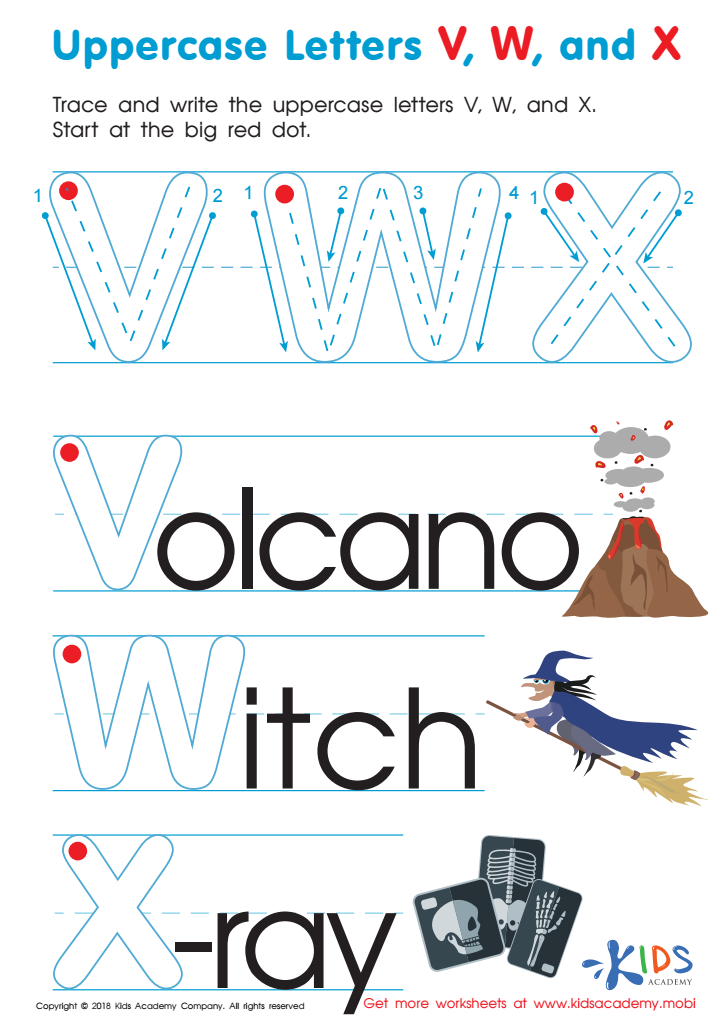
This worksheet is perfect for kids struggling to write uppercase letters V, W, and X. Warm up their brains first by having them name words starting with these letters. Then, help them trace and write each letter from the big red dot. With your assistance, they will quickly sharpen their writing skills.
Uppercase Letters V, W, and X Worksheet
Worksheet
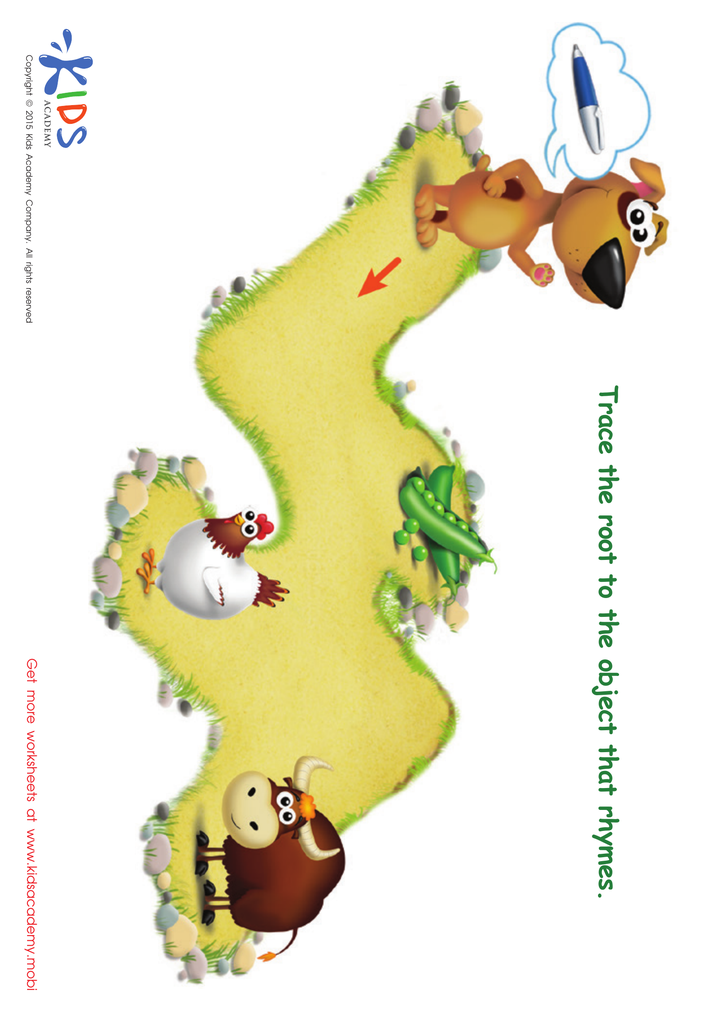
Rhyming Words PDF Worksheets, Pen

Pen Rhyming Words Worksheet

Check out the cute pup, pondering away. He's thinking of a root word - no suffix or prefix. Now check the hen, green beans, and the cow. Can you find the word that rhymes with pen? Draw a line from the root word to its rhyme for this simple yet beneficial worksheet. It helps young learners practice hearing and recognizing rhymes.
Pen Rhyming Words Worksheet
Worksheet
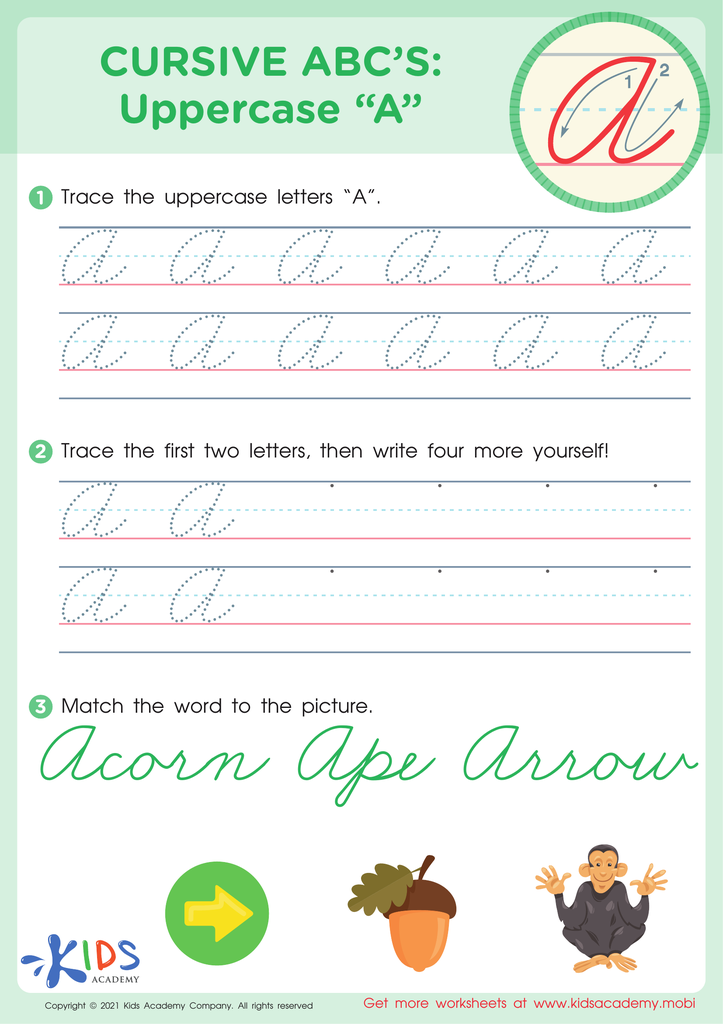
Cursive ABCs: Uppercase A

Cursive ABCs: Uppercase A

Help your kids develop their writing skills with our great tracing sheets. Improve their motor skills, as well as their vocabulary, by guiding them through tracing the dotted lines for the uppercase letters of the alphabet. When they are ready, let them practice writing the letters on their own for improved confidence.
Cursive ABCs: Uppercase A
Worksheet
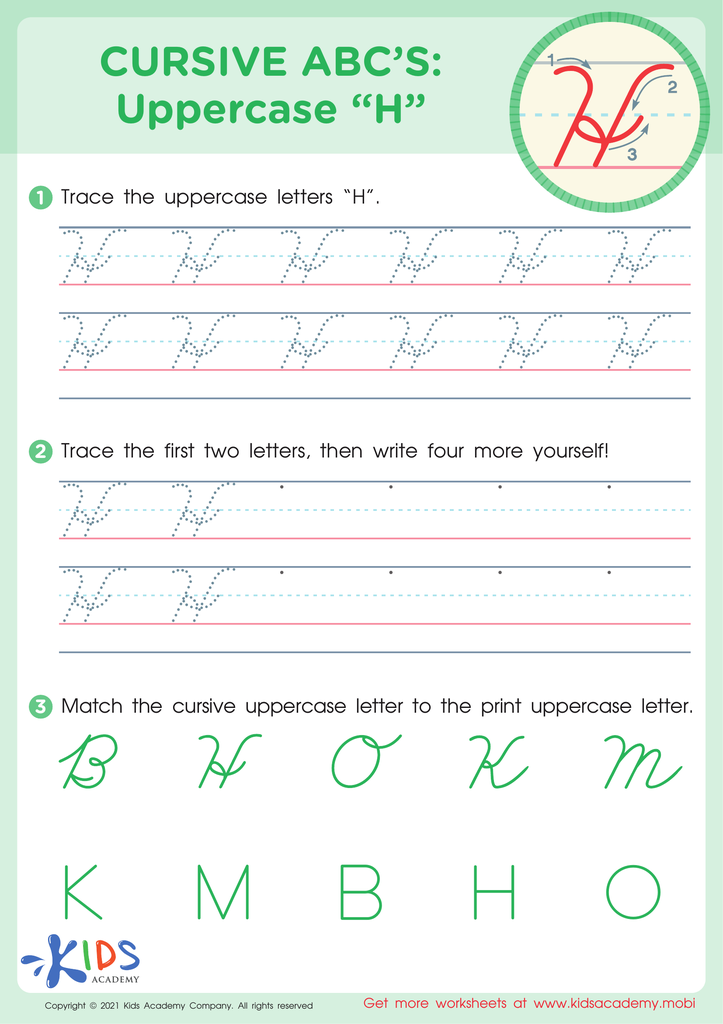
Cursive ABCs: Uppercase H

Cursive ABCs: Uppercase H

Have your child recite the alphabet and give you words beginning with H. This tracing sheet is perfect to help them improve their handwriting. Guide their hands as they trace the uppercase H, then have them practise writing it alone. At the bottom is an exercise to check their letter recognition.
Cursive ABCs: Uppercase H
Worksheet


... 3 4

Alphabet recognition is a critical foundational skill for children aged 4 to 8, forming the basis for all future reading and writing. Understanding letters, their shapes, and sounds helps children decode words and develop linguistic skills essential for effective communication. Parents and teachers should prioritize alphabet recognition for several reasons.

Firstly, it enhances literacy skills. Mastering the alphabet allows children to engage with printed materials, fostering a love for reading and learning. This ability helps them read books independently, supporting cognitive and language development.

Secondly, it improves confidence. Children who recognize letters and sounds feel empowered to participate in early reading activities, boosting their self-esteem and motivation. Confident readers are more likely to explore literature, ask questions, and express their thoughts clearly.

Additionally, early alphabet skills can influence academic success in later years. Children who struggle with letter recognition may find it challenging to catch up with peers in reading and writing, potentially impacting their overall educational trajectory.

Lastly, alphabet recognition sets a strong bedrock for critical thinking and reasoning skills. By supporting children in mastering this fundamental milestone, parents and teachers equip them for lifelong learning and effective communication. Thus, fostering this essential skill is imperative for holistic child development.