Building vocabulary Worksheets for Ages 4-8
7 filtered results
-
From - To
Discover our engaging Building Vocabulary Worksheets designed for children ages 4-8! These fun, interactive worksheets are tailored to enhance language skills through creative exercises that stimulate word acquisition and comprehension. Packed with colorful illustrations and age-appropriate activities, kids will enjoy learning new words in context while improving their reading and writing abilities. From matching words to images, filling in the blanks, and crossword puzzles, every worksheet encourages exploration and reinforces vocabulary retention. Perfect for classroom use or home learning, our resources nurture a love for language and pave the way for future academic success. Start your child's vocabulary journey today!
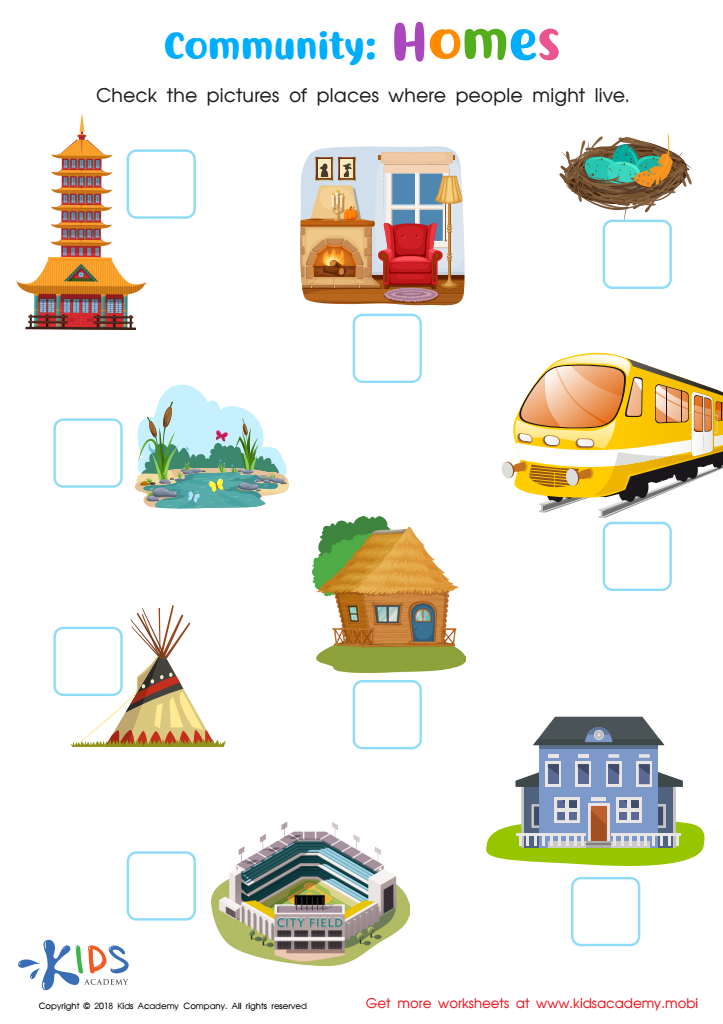
Community: Homes Worksheet
 Assign to My Students
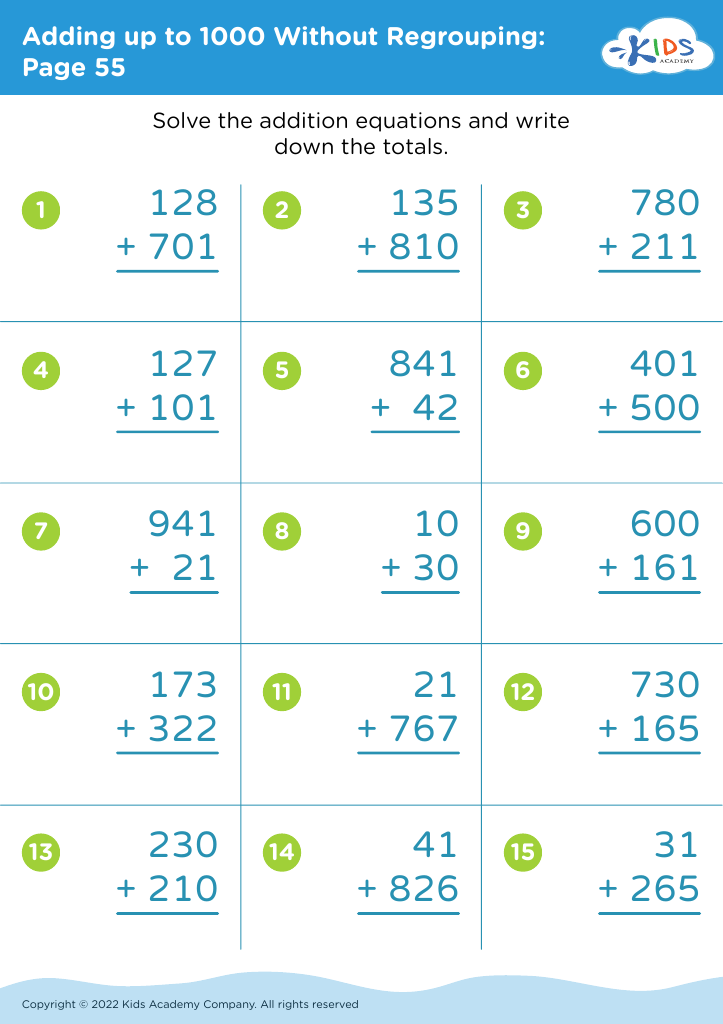
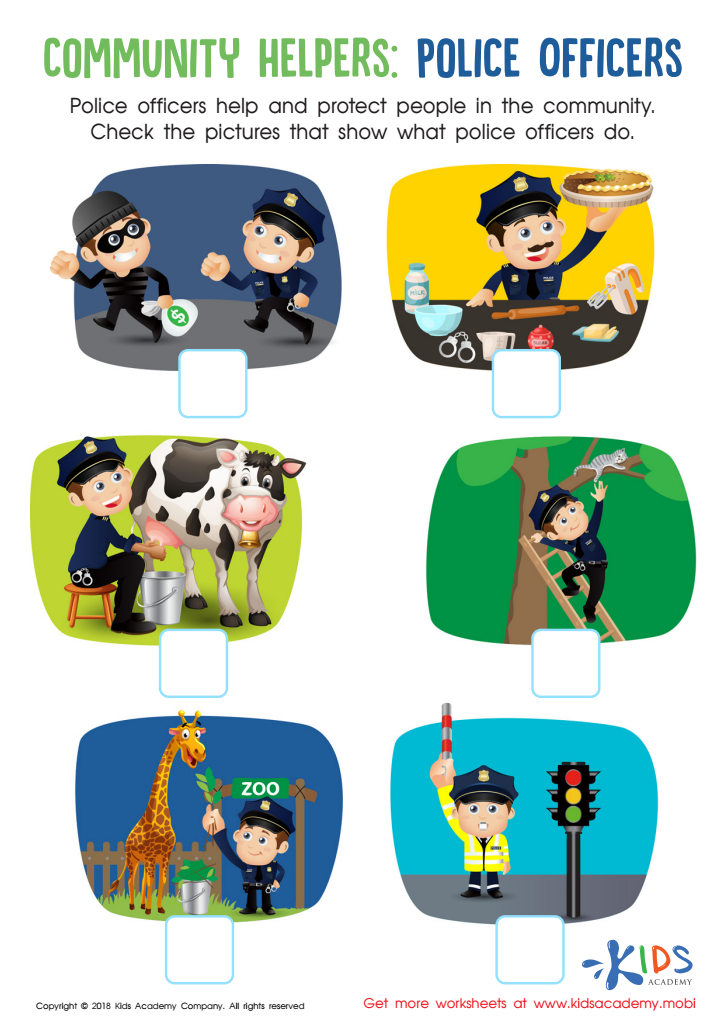
Police Officers Community Helpers Worksheet
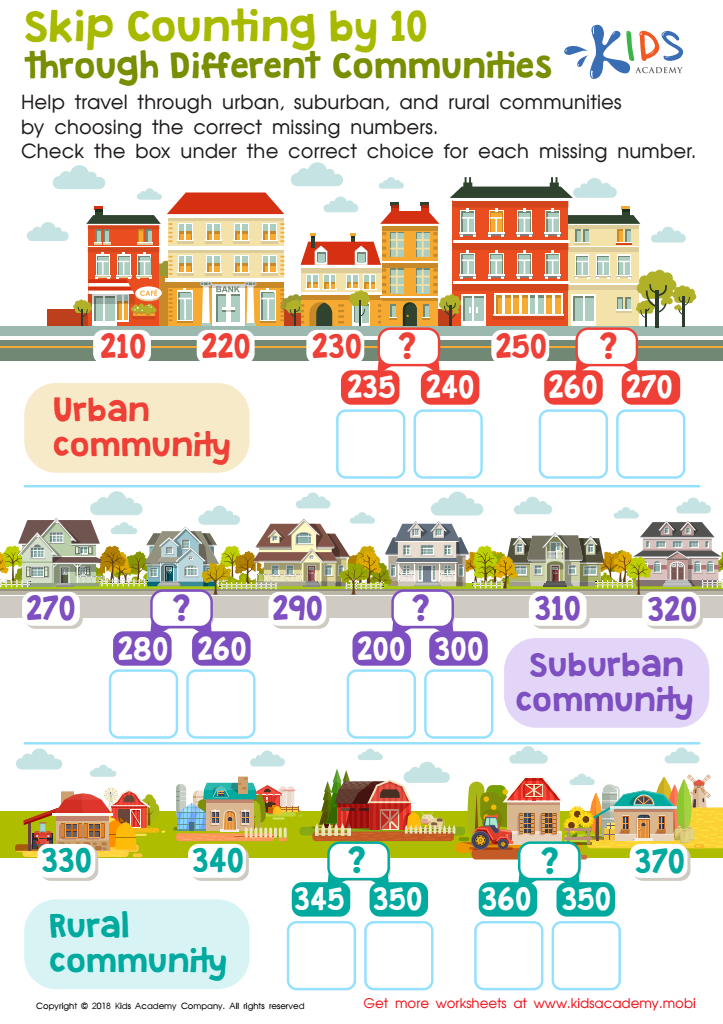
Skip Counting by 10 through Different Communities Worksheet
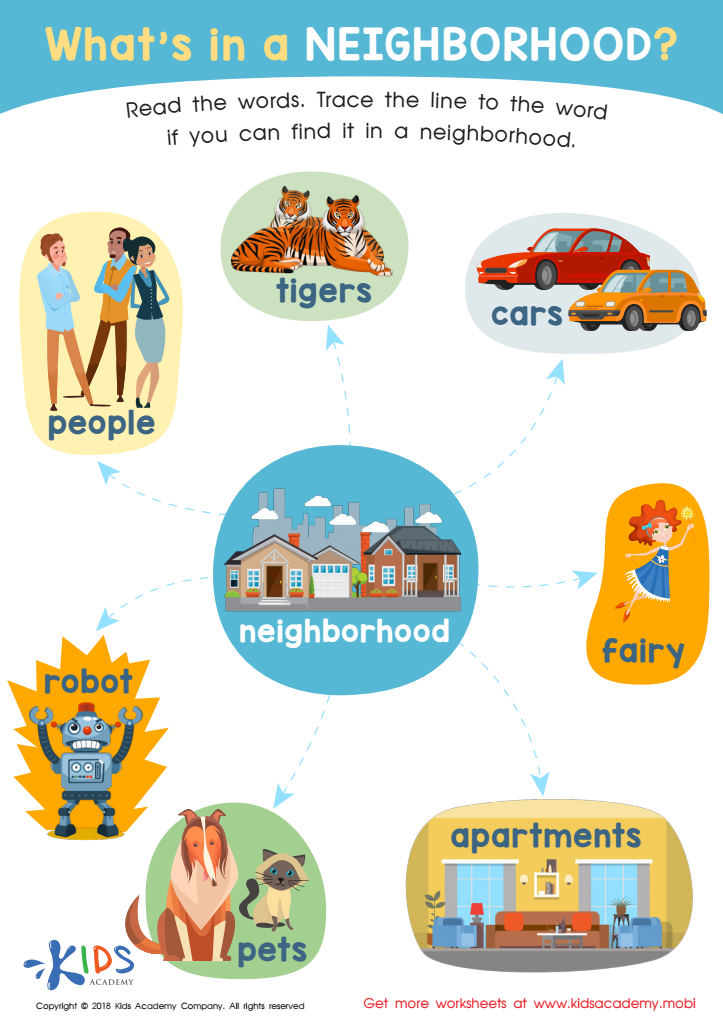
What's in a Neighborhood? Worksheet
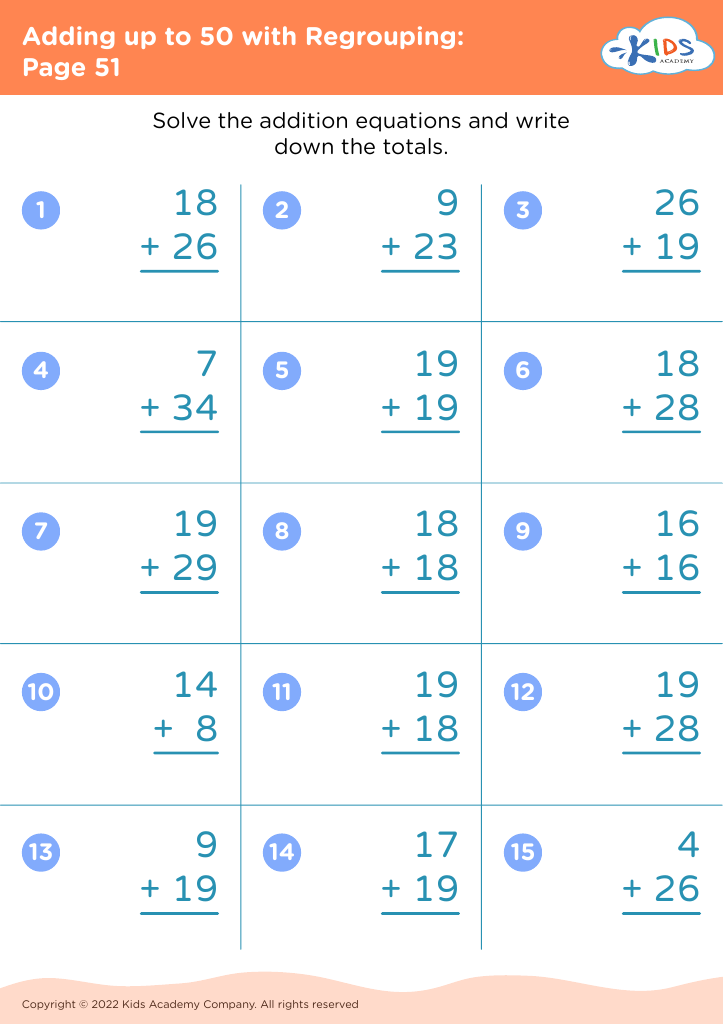
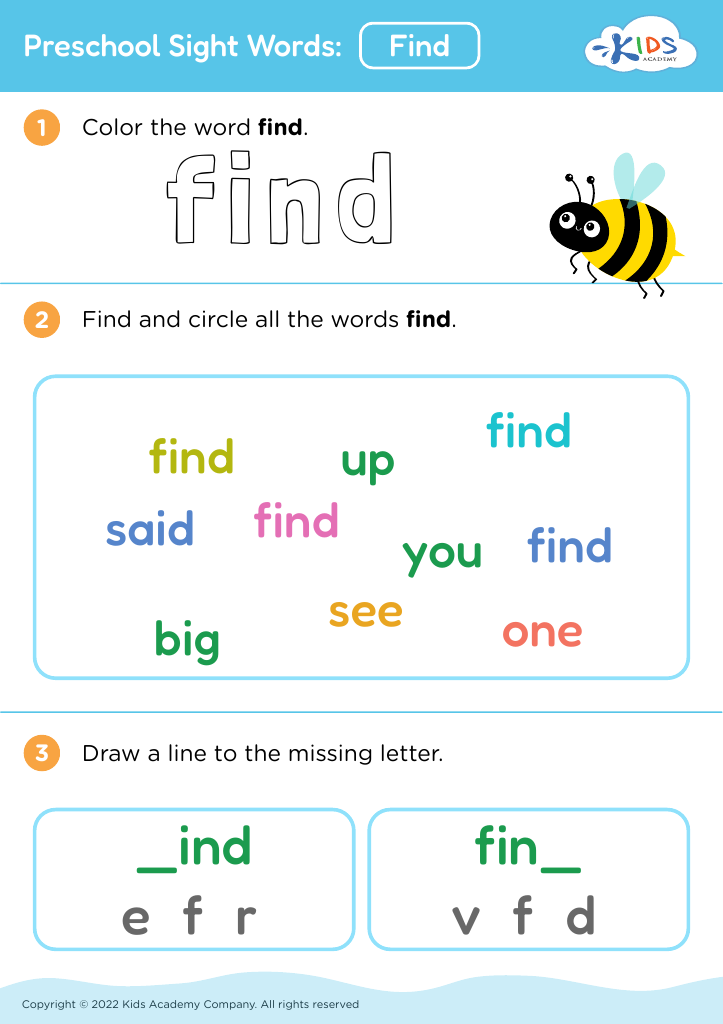








Building vocabulary in children aged 4-8 is crucial for their overall development and future academic success. This age group is a critical period for language acquisition, as children are particularly receptive to learning new words and their meanings. A robust vocabulary not only enhances communication skills but also fosters cognitive development, enabling children to express their thoughts and emotions more clearly.
When parents and teachers actively engage in vocabulary-building activities—such as reading together, discussing new words, and encouraging curiosity—it helps children connect language with their experiences and surroundings. This practice enhances comprehension skills and prepares them for more complex texts as they progress in school.
Moreover, a strong vocabulary contributes to improved literacy skills, boosting confidence in reading and writing. It also plays a significant role in social interactions, allowing children to articulate their feelings and collaborate with peers effectively. Investing time in vocabulary enrichment cultivates a lifelong love for learning and exploration. By prioritizing vocabulary development, parents and teachers lay the groundwork for well-rounded, resilient learners who are better equipped to tackle challenges, both academically and in their everyday lives.








