Color recognition Worksheets for Ages 4-8 - Page 6
124 filtered results
-
From - To
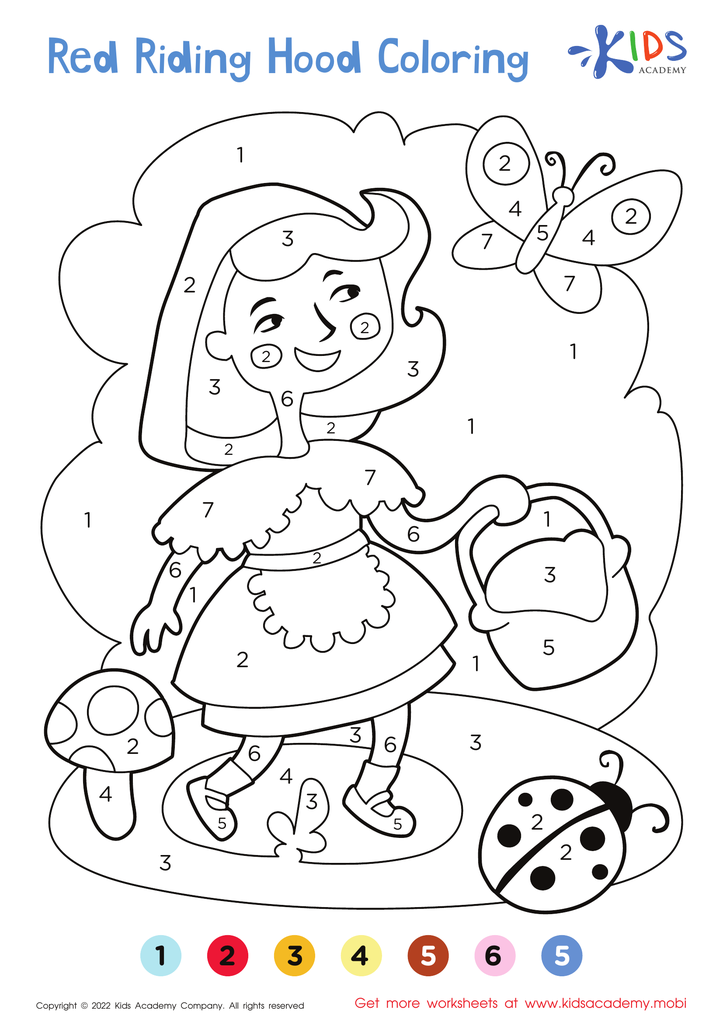
Little Red Riding Hood – Coloring by Numbers
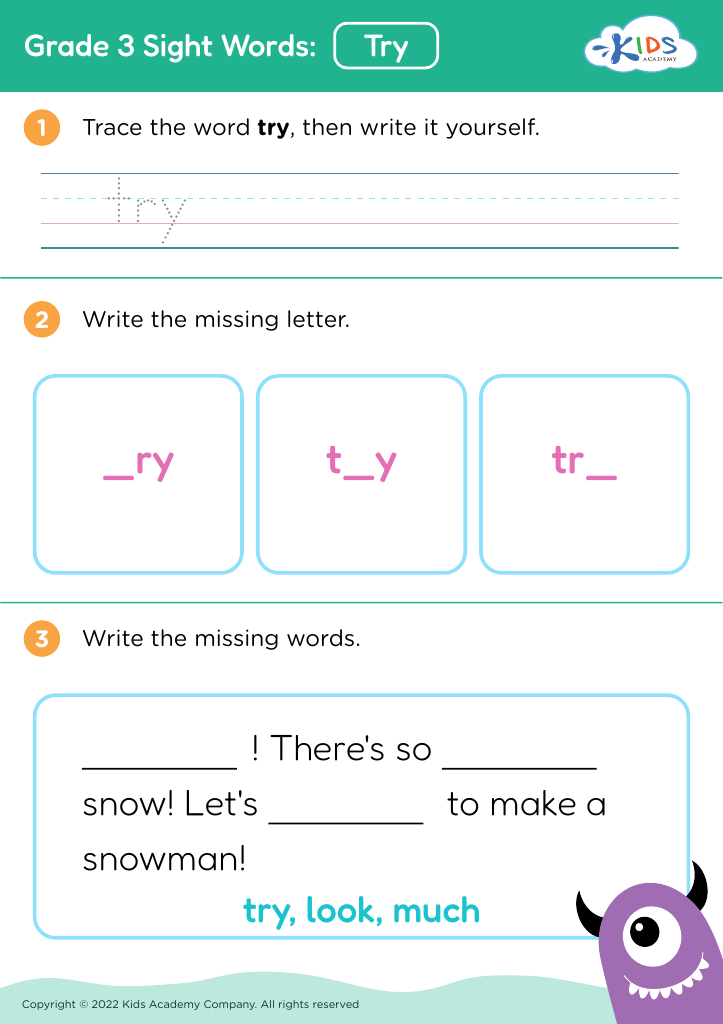
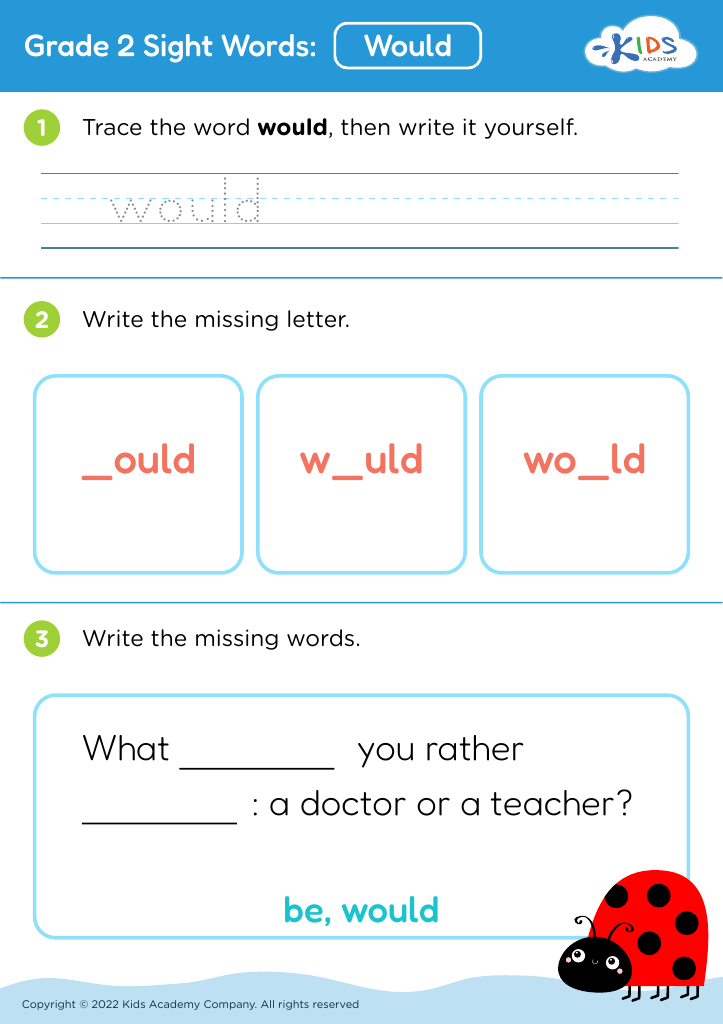
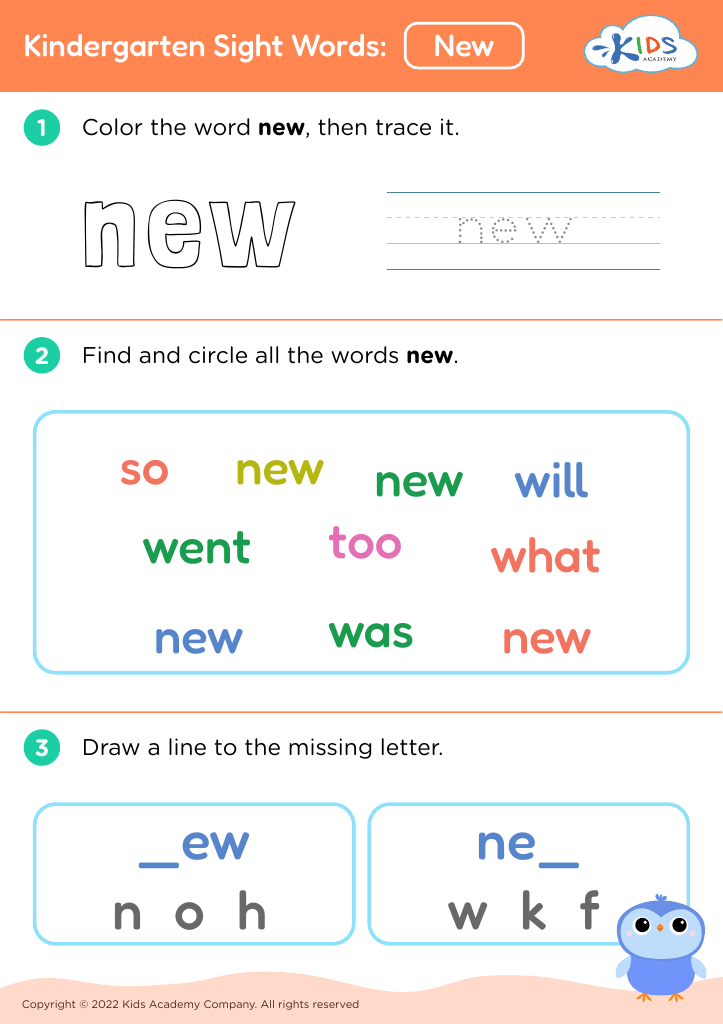






Color recognition is a critical aspect of early childhood development that has far-reaching impacts on various learning areas for children aged 4-8. At this developmental stage, children are highly receptive to visual stimuli, and learning to recognize and distinguish colors enhances their visual perception skills.
Understanding colors is foundational for many academic concepts. For instance, kids often use colors to sort and classify objects, an activity that builds essential skills in mathematical reasoning and organization. Social and emotional skills are also enhanced by color recognition; colors can express feelings and foster effective communication. For example, the use of colors in storybooks and learning materials can make lessons more engaging and memorable, bolstering comprehension and retention.
Furthermore, recognizing colors is an important marker of cognitive development. Successfully identifying colors boosts self-confidence and encourages children to partake in more complex learning tasks. Color-coded systems and cues assist in organizing information logically, which is invaluable for follow-through and memory aiding, impacting their overall academic growth.
Color recognition also promotes creative expression, nurturing imagination and artistic skills through activities like drawing and crafting. This intersection of learning and play not only enriches the educational experience but also improves fine motor skills as children grasp and manipulate different materials.
In summary, prioritizing color recognition cultivates a robust foundation for academic success and personal creativity, significantly benefiting the holistic development of children.








