Develop sequencing skills Worksheets for Ages 4-8
3 filtered results
-
From - To
Discover engaging worksheets designed to enhance sequencing skills for children aged 4-8! Our thoughtfully crafted materials help young learners understand the concept of order and sequence through fun and interactive activities. From simple visuals to narrative-based exercises, these worksheets promote critical thinking and cognitive development. Children will enjoy piecing together events, organizing pictures, and completing stories, all while building a solid foundation for more advanced learning. Perfect for classrooms, homeschooling, or extra practice at home, these resources make learning sequencing exciting and effective. Equip your child with essential skills today and watch them thrive as confident learners! Explore our collection now!
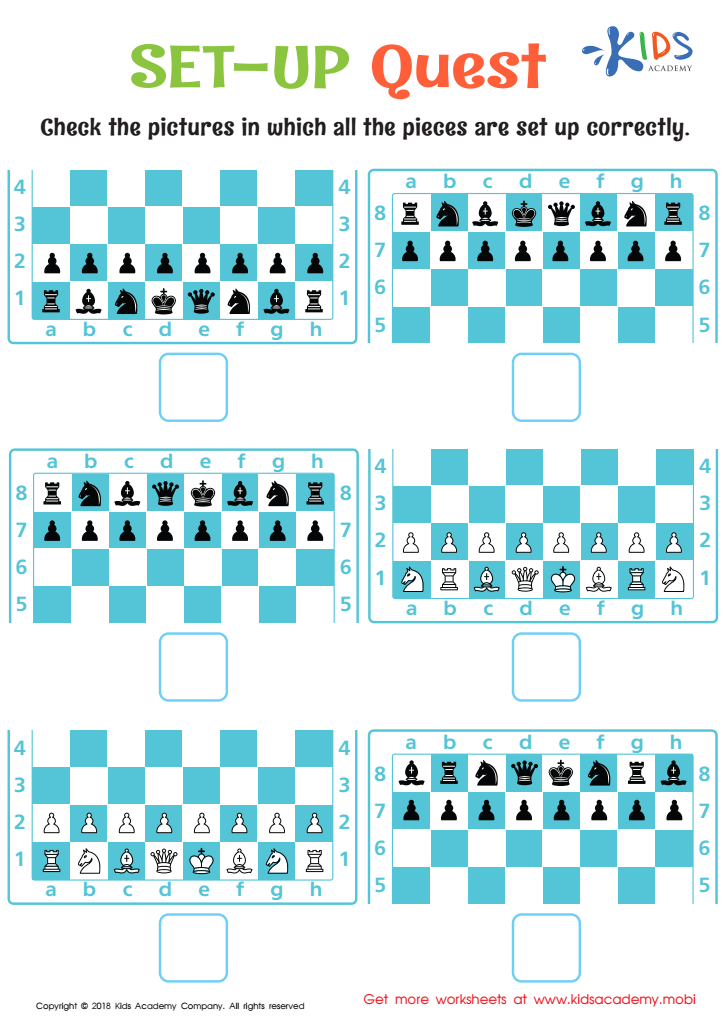
Set-up Quest Worksheet
 Assign to My Students
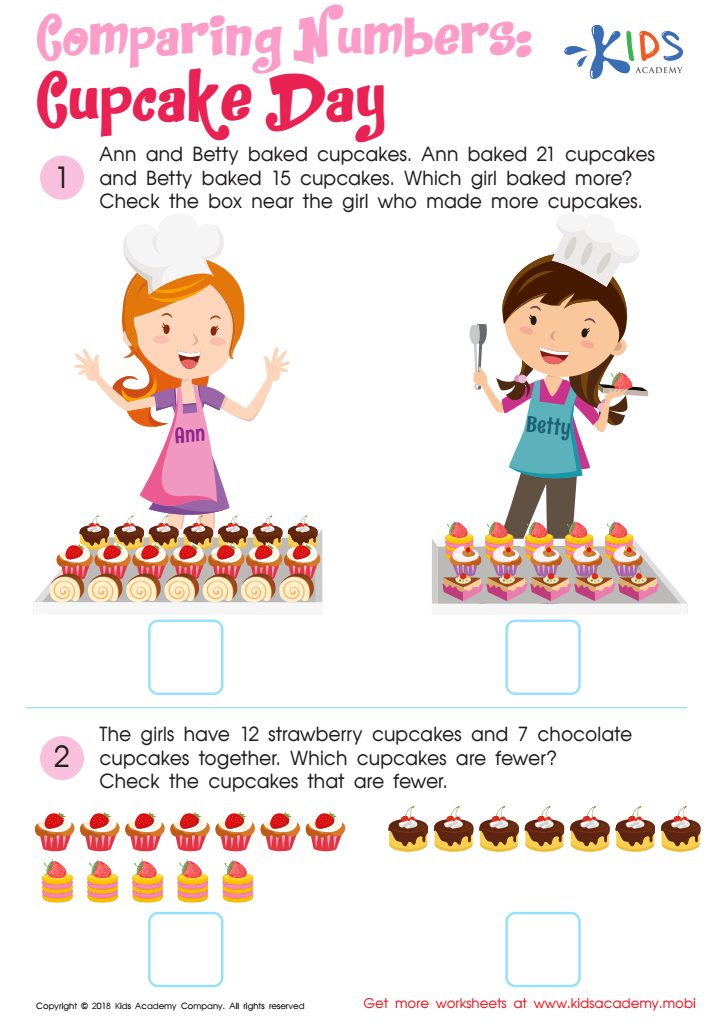
Cupcake Day Worksheet
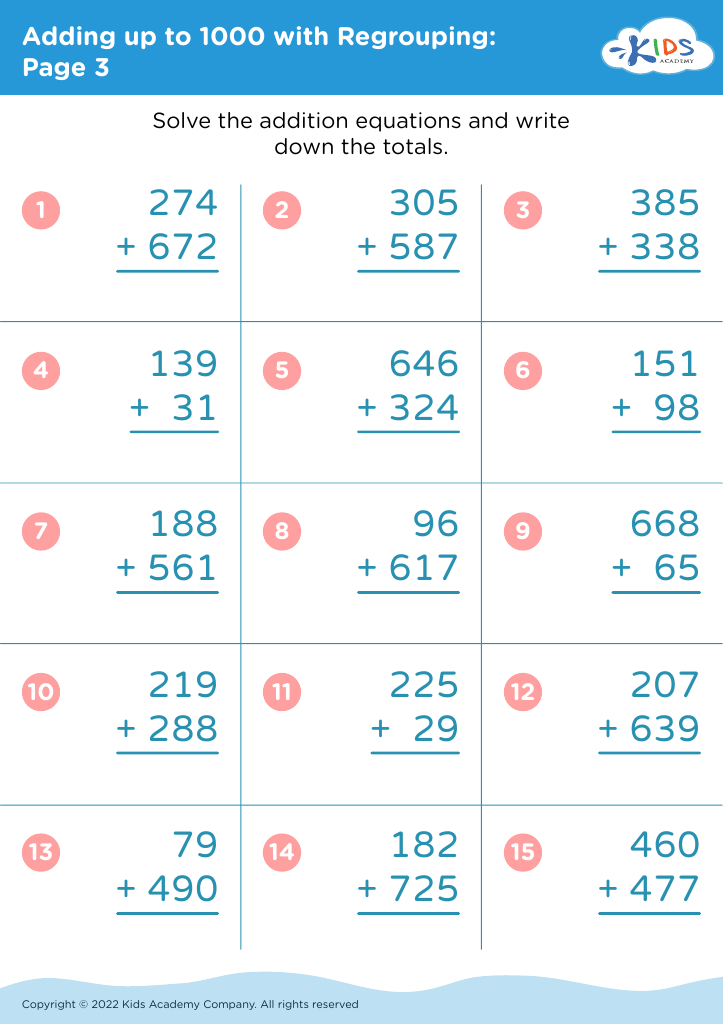







.jpg)
Developing sequencing skills in children aged 4-8 is crucial for their cognitive growth and everyday functioning. Sequencing involves understanding the order of steps in a process or narrative, which forms the foundation for critical thinking and problem-solving.
For parents and teachers, fostering these skills aids in various areas of learning. In literacy, it helps children comprehend stories and follow along with plots and character developments. For example, being able to recall the sequence of events in a story enhances reading comprehension. In mathematics, sequencing lays the groundwork for understanding mathematical processes, such as addition and subtraction.
Additionally, mastery of sequencing skills supports the development of organizational abilities. Children learn to break down tasks into manageable steps, whether it’s completing homework, preparing for an event, or following multistep instructions. This not only promotes independence but also reduces frustration in completing assignments.
Furthermore, sequencing skills are vital in everyday life, from planning daily routines to solving conflicts. They shape children’s ability to communicate their thoughts clearly and follow instructions accurately. Thus, investing time and resources into developing these skills will nurture well-rounded, capable learners ready to advance in their educational journeys and life experiences.








