Developing comprehension Worksheets for Ages 4-8
3 filtered results
-
From - To
Discover a diverse collection of developing comprehension worksheets designed for kids ages 4-8, crafted to ignite young minds and enhances essential reading skills. Collaboratively created by education experts, these engaging activities are tailored to match kids' developmental stages, focusing on improving their storytelling, sequencing, and critical thinking abilities. Each worksheet captivates with vibrant illustrations and interactive tasks, encouraging children to draw connections, make inferences, and enhance their understanding of texts and stories. Perfect for classroom and at-home use, these resources make learning enjoyable and effective, laying a solid foundation for lifelong literacy success. Unlock the joy of reading with our high-quality worksheets!
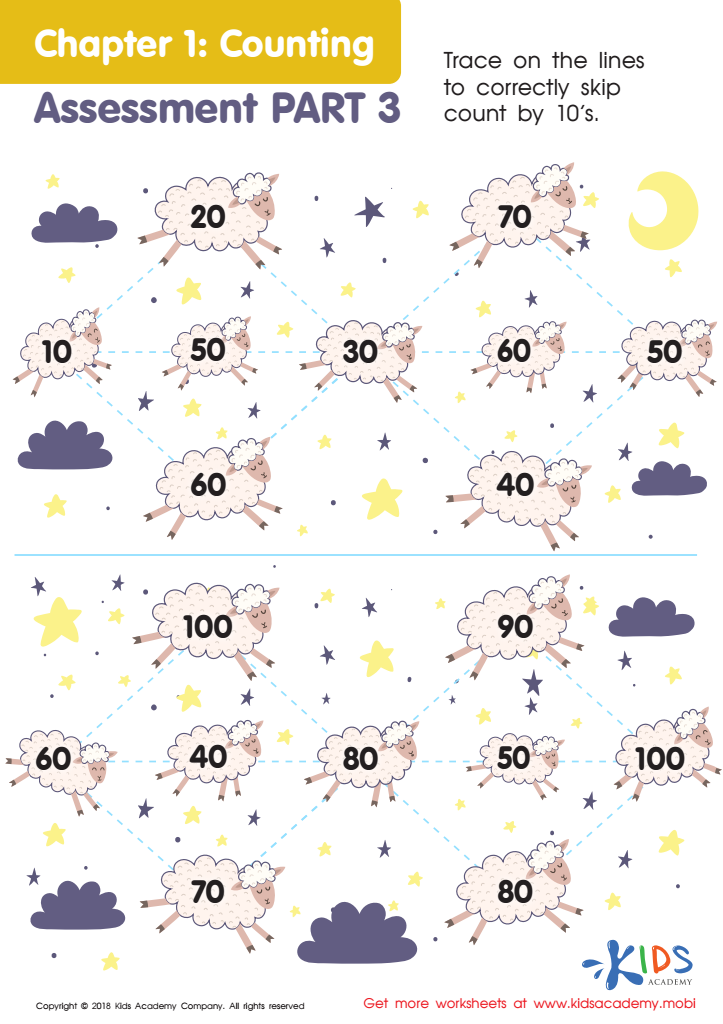
Counting: Assessment 3 Worksheet
 Assign to My Students
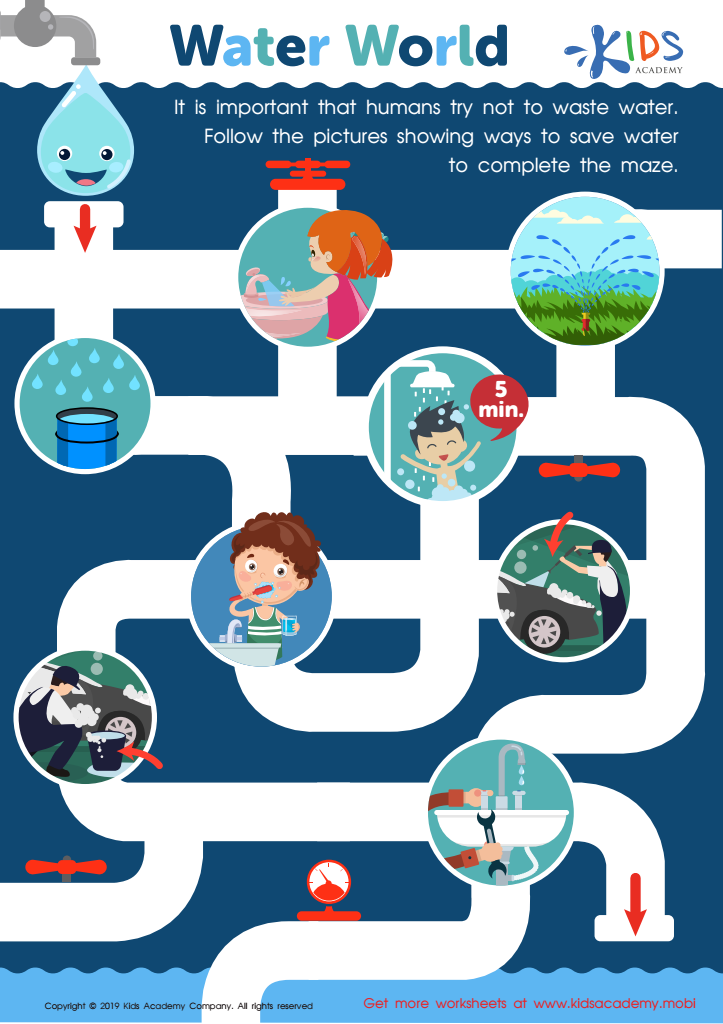
Water World Worksheet





Developing comprehension in children aged 4-8 is critical for their overall educational success and cognitive development. During these formative years, children transition from recognizing words to understanding and making sense of what they read, a process known as reading comprehension. Hearing and discussing stories, answering questions, and engaging in interactions around books pave the way for developing these skills.
First and foremost, strong comprehension skills boost academic performance. Children who better understand what they read are more likely to engage with the content critically, perform well in various subjects, and retain information. Moreover, these skills foster a love for reading, encouraging lifelong learning and curiosity.
Additionally, early comprehension skills develop critical thinking. Kids learn to infer meaning, predict outcomes, and understand cause and effect. This fosters problem-solving abilities, which are essential in everyday life and future academic endeavors.
On a social-emotional level, comprehension helps children understand narratives and the feelings of characters, promoting empathy and social skills. Having these skills at a young age allows children to articulate their thoughts and interact more effectively with peers and adults.
Therefore, investing time in developing comprehension during ages 4-8 sets a foundation for intellectual growth, emotional intelligence, and a positive attitude toward learning, making it a crucial focus for both parents and teachers.








