Developing math skills Worksheets for Ages 4-8
19 filtered results
-
From - To
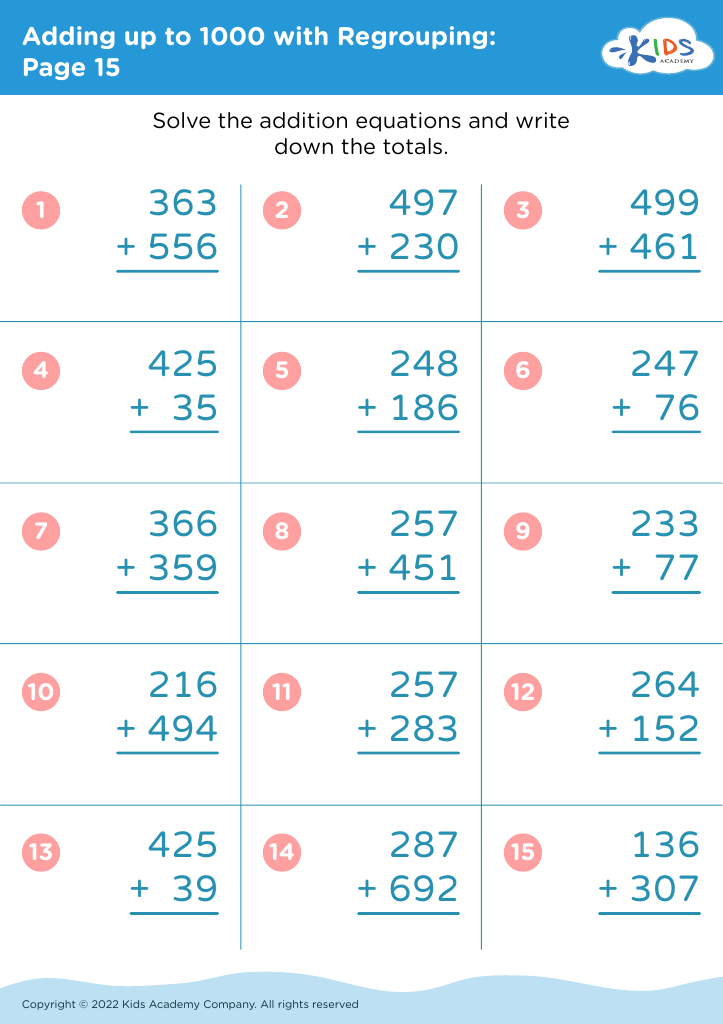
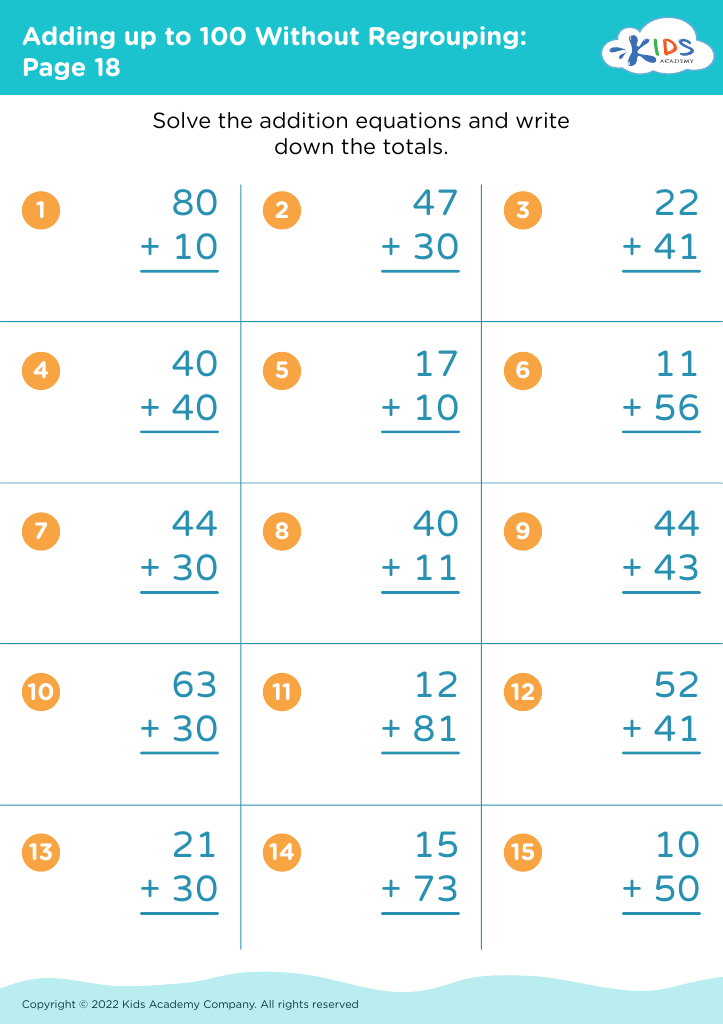
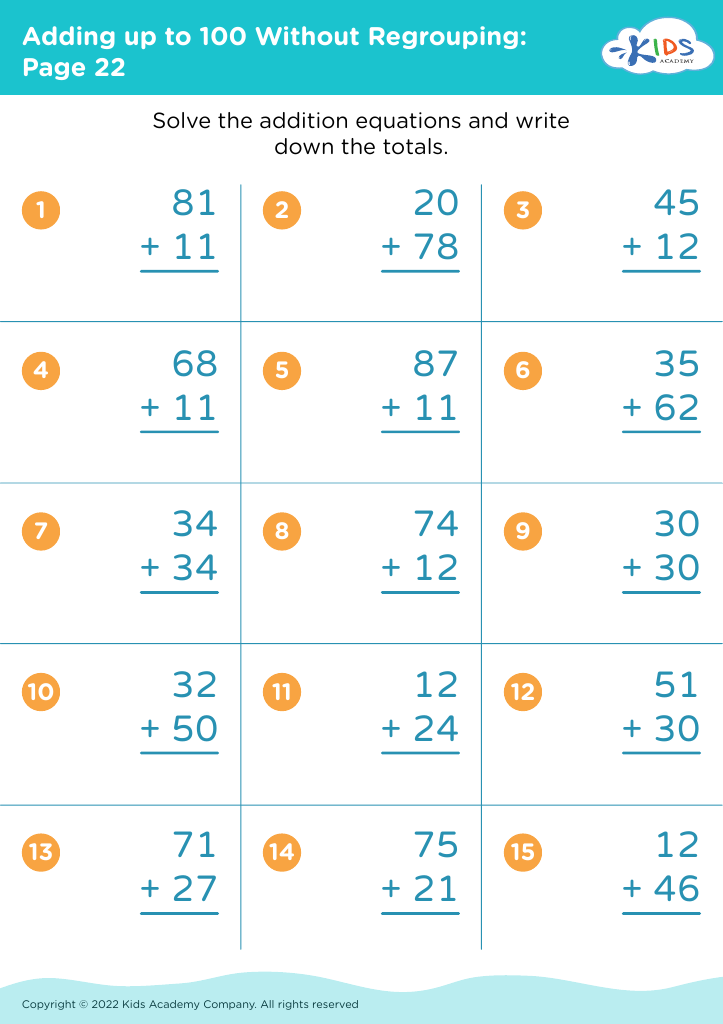
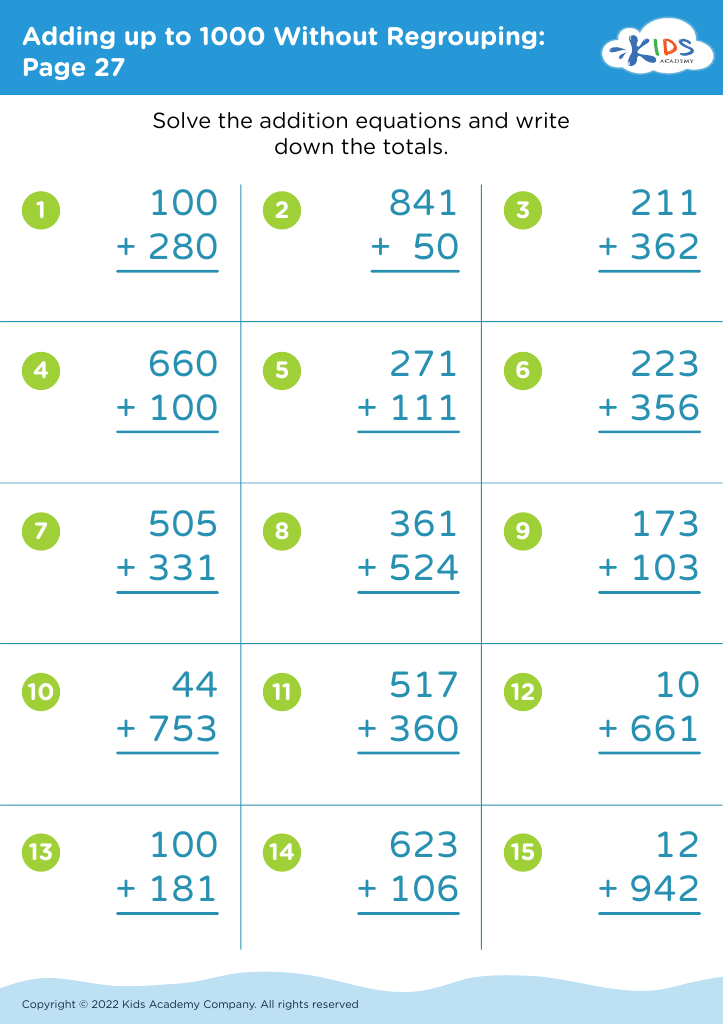
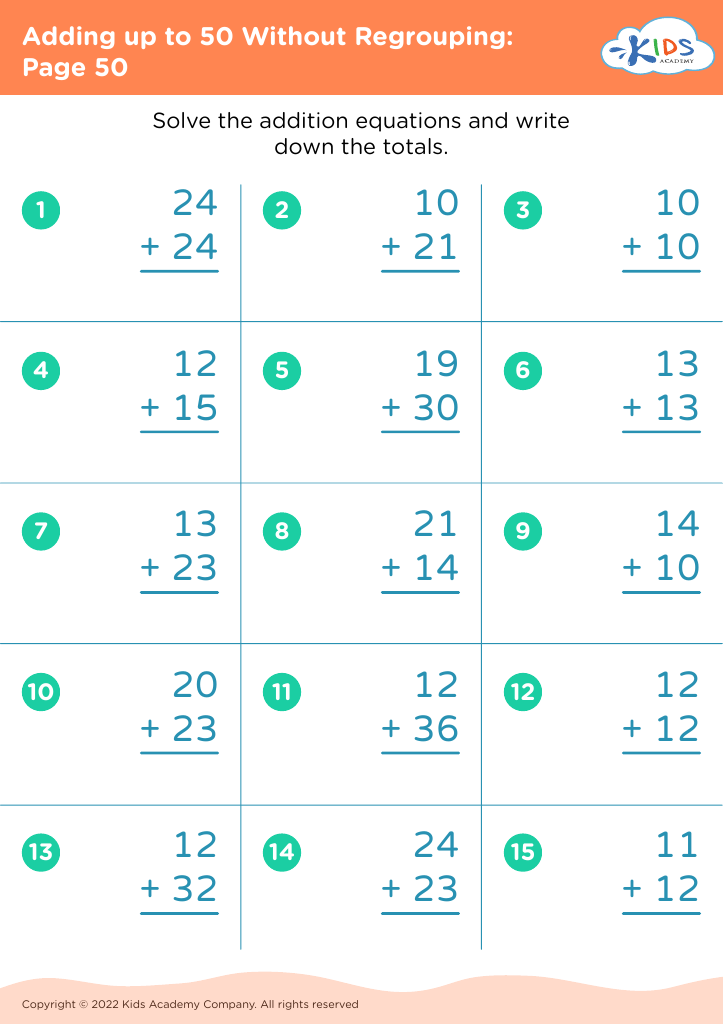
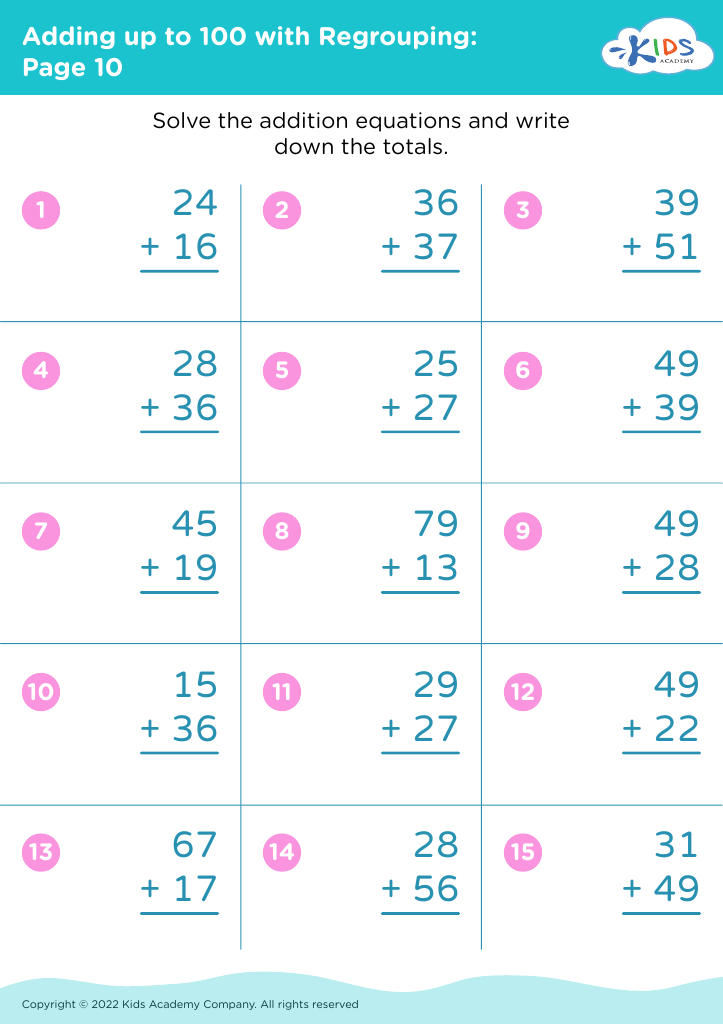
Discover our curated collection of developing math skills worksheets designed specifically for children ages 4-8. These engaging and educational resources aim to foster foundational math abilities including number recognition, counting, addition, subtraction, and basic geometry. Each worksheet combines colorful illustrations with interactive activities to make learning math fun and accessible. Perfect for at-home practice or classroom use, our printable worksheets provide structured practice to build confidence and proficiency in young learners. Help your child explore the exciting world of math with our expertly crafted materials, supporting early numeracy development and a love for learning.
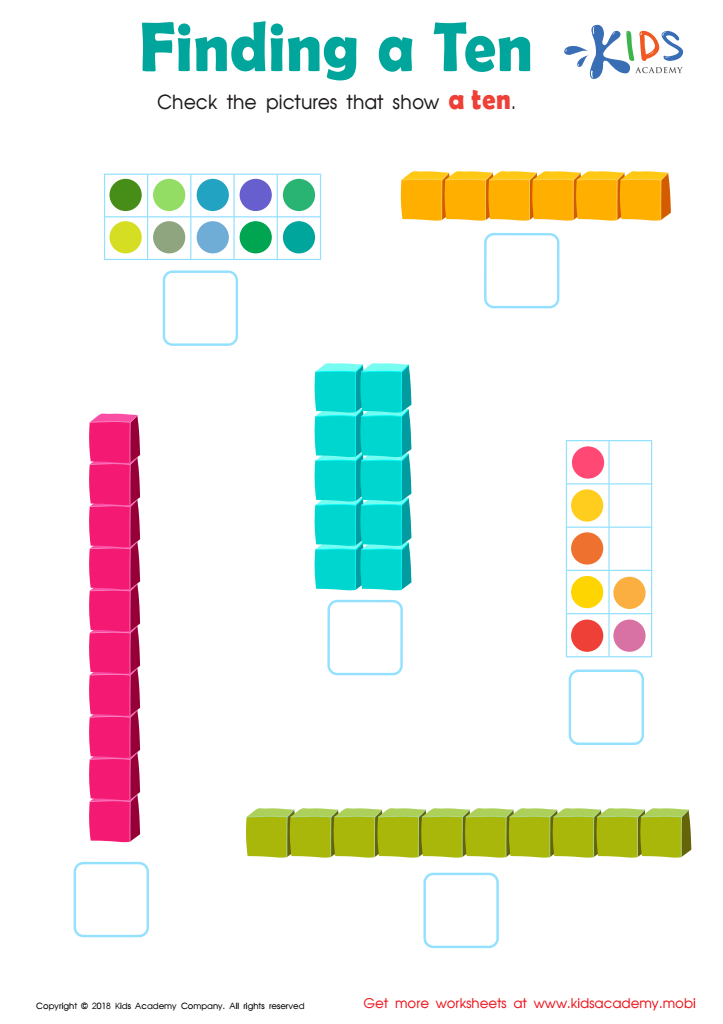
Finding a Ten Worksheet
 Assign to My Students
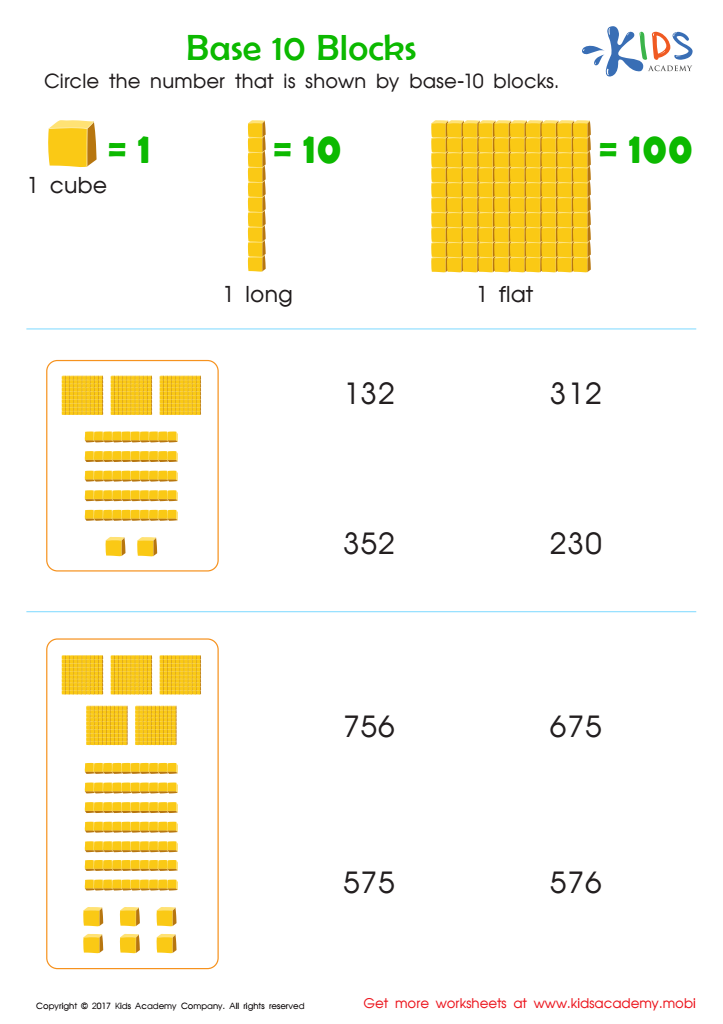
Base Ten Blocks Worksheet
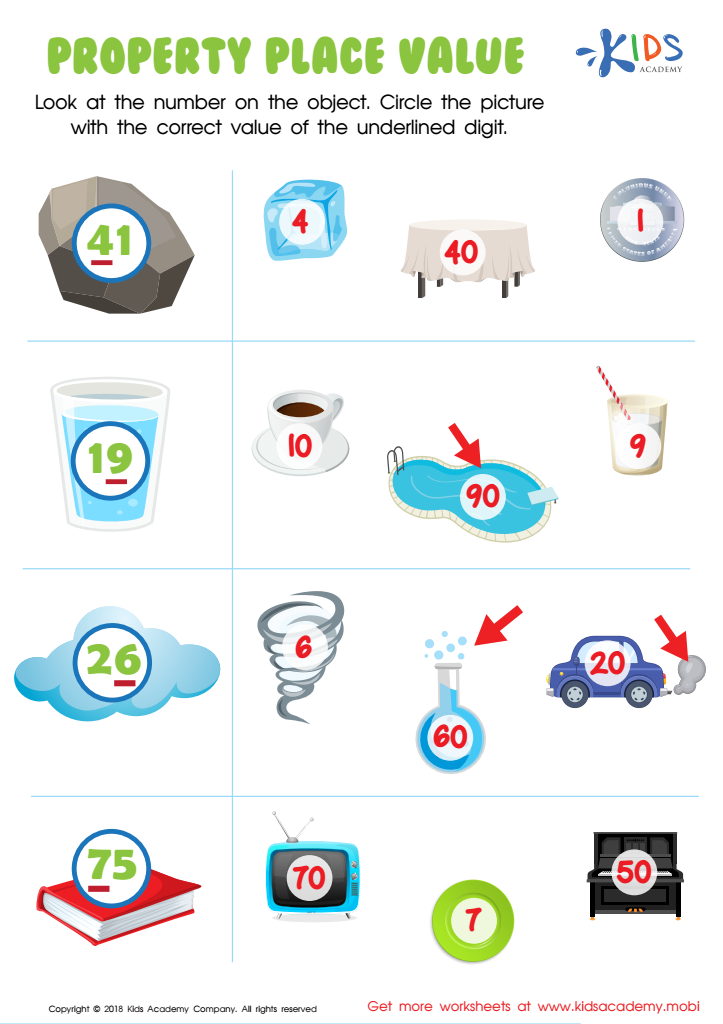
Property Place Value Worksheet
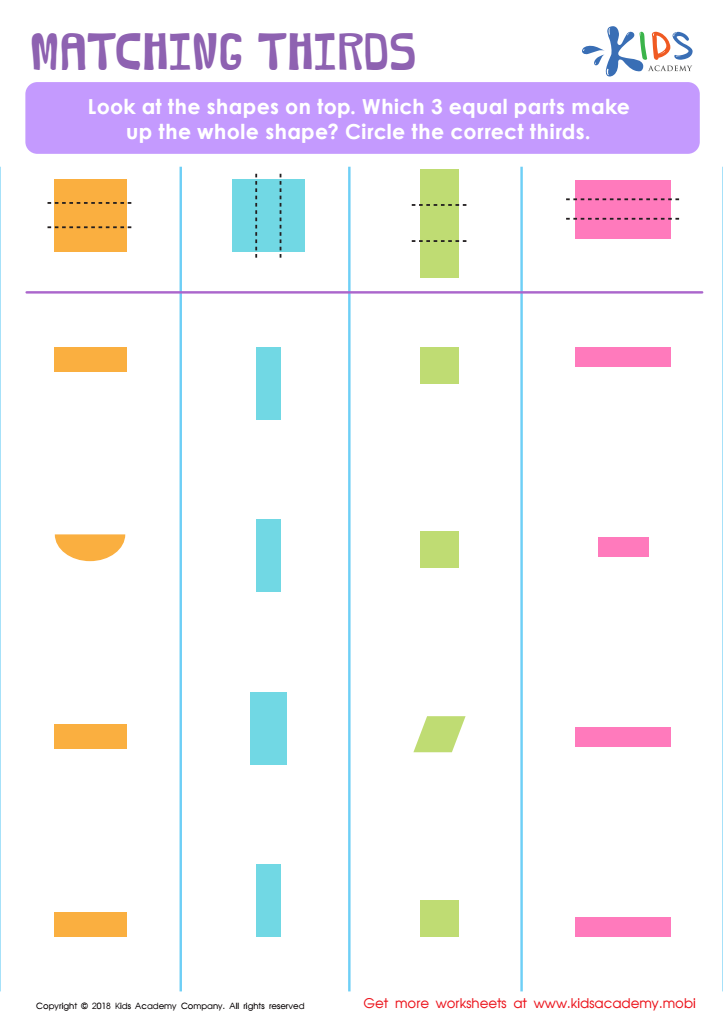
Matching Thirds Worksheet
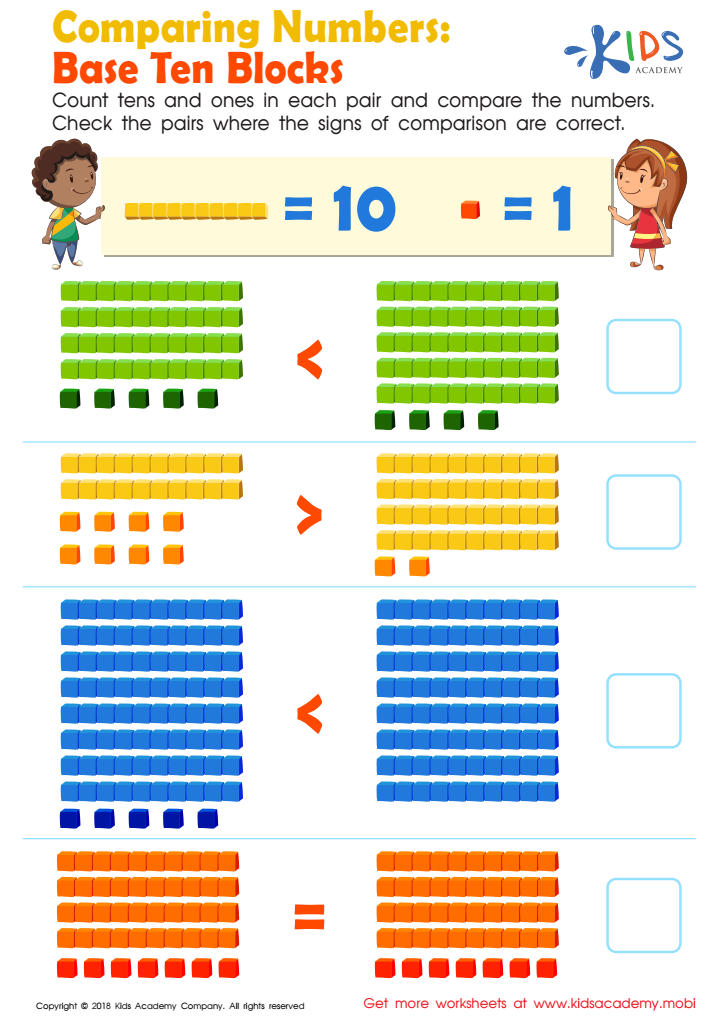
Comparing Numbers: Base Ten Blocks Worksheet
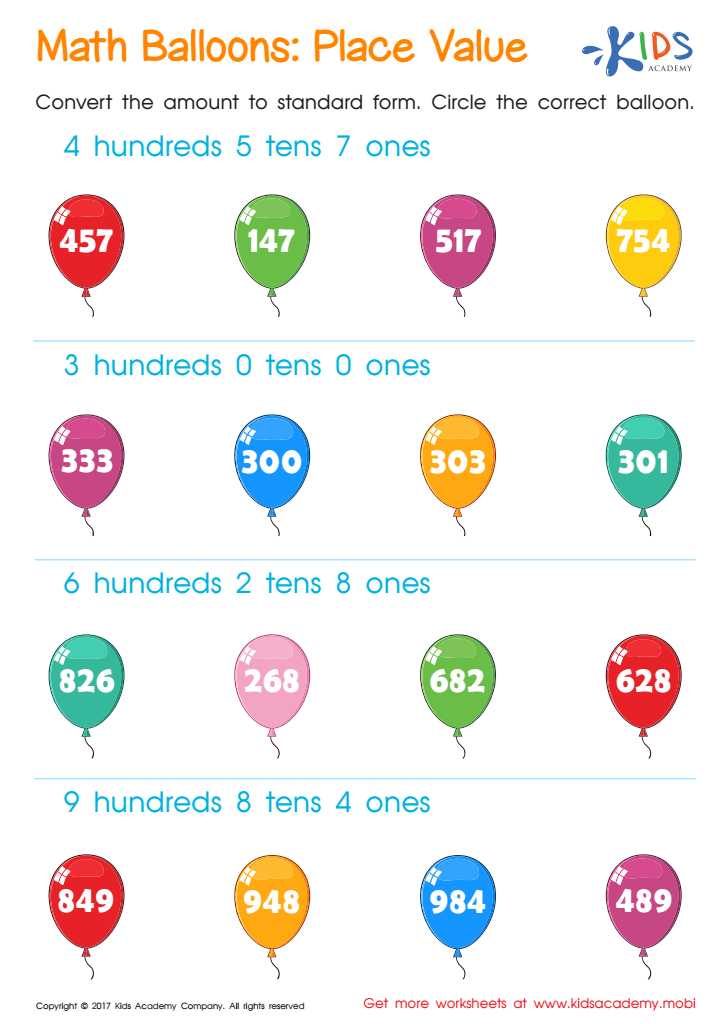
Place Value Printable Worksheet
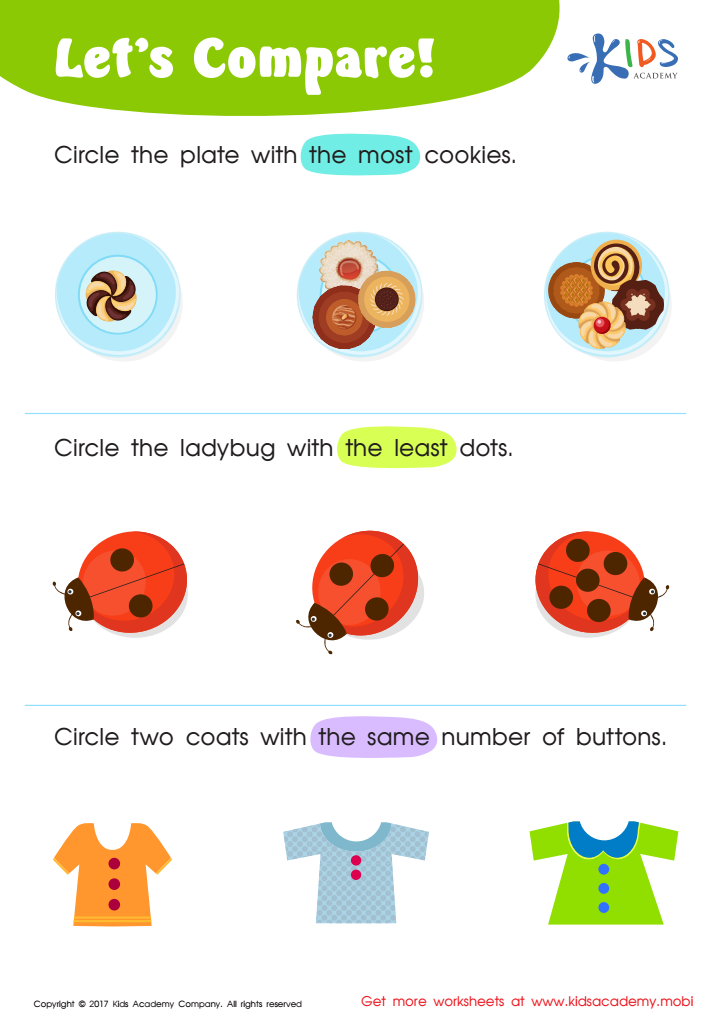
Matching: Classifying Toys by Size Worksheet
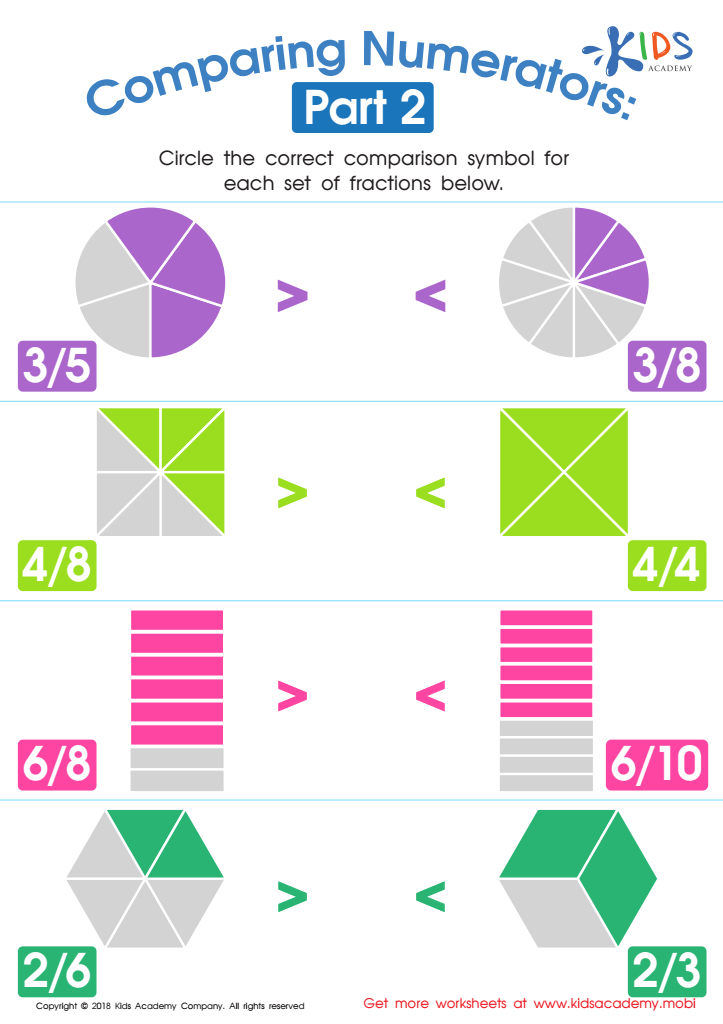
Comparing Numerators Part 2 Worksheet
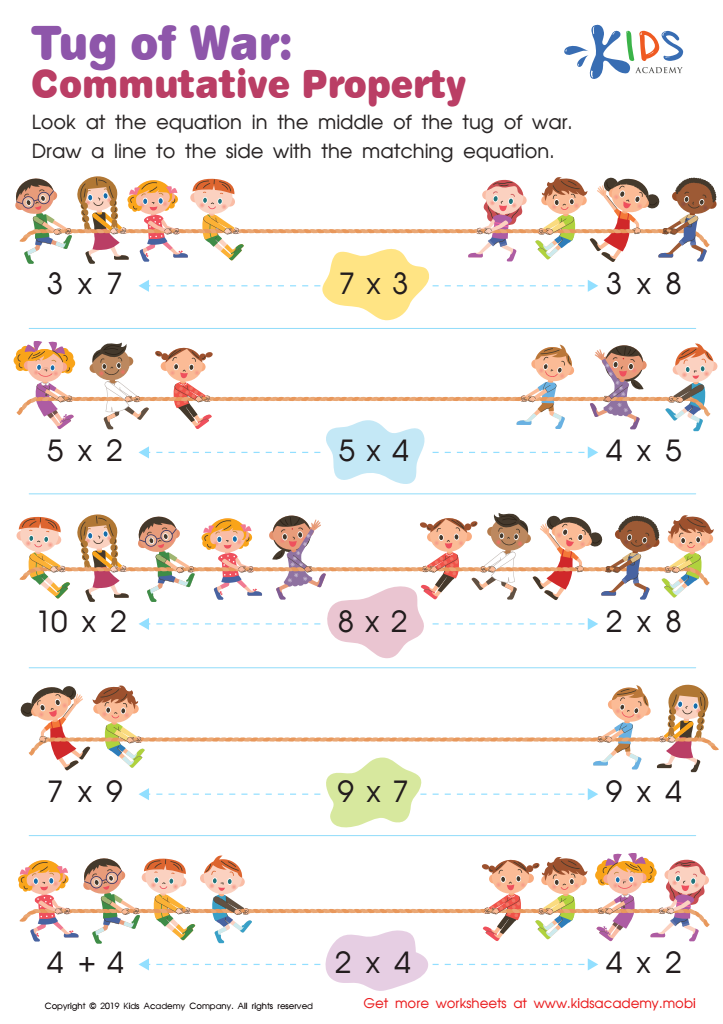
Tug of War: Commutative Property Worksheet
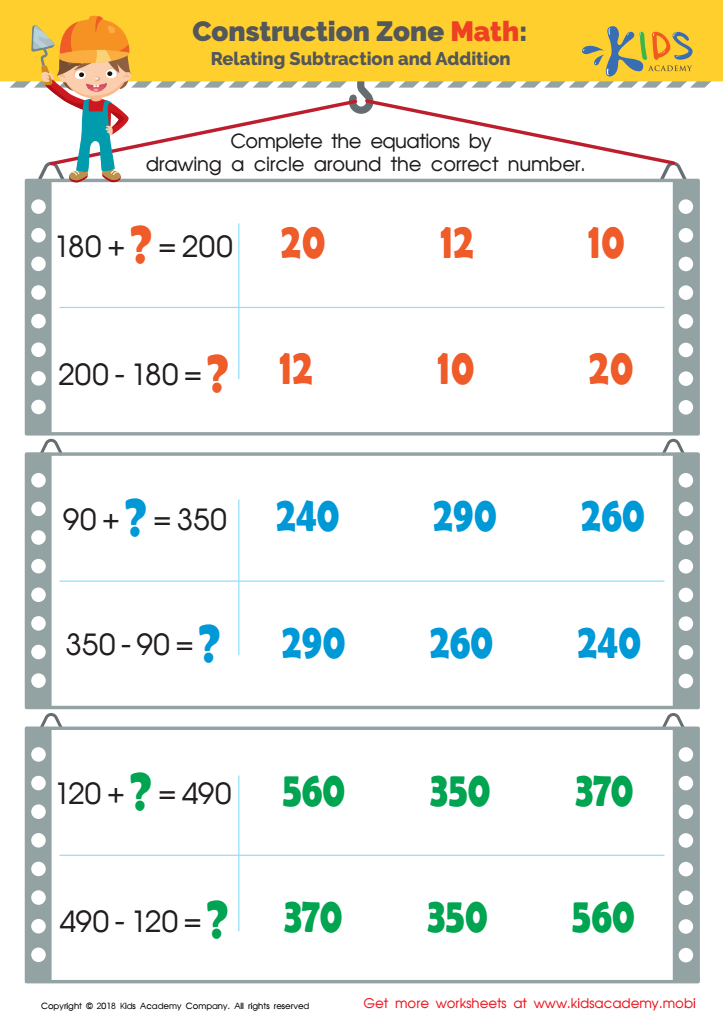
Construction Zone Math: Relating Subtraction and Addition Worksheet
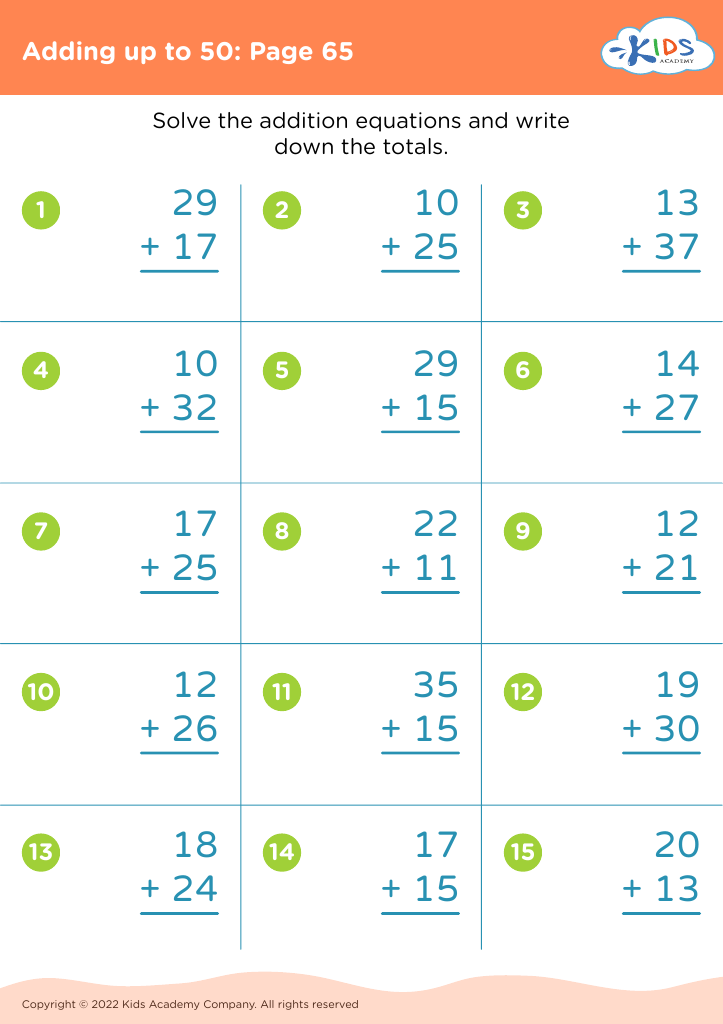








Developing math skills in children aged 4-8 is crucial because this period is a foundational stage in their cognitive development. Firstly, early math skills are strong predictors of later academic success, not only in mathematics but across various disciplines such as reading and science. A firm grasp of basic mathematical concepts encourages analytical thinking and problem-solving abilities, skills that are invaluable throughout life.
Secondly, early math education nurtures a child's ability to understand and manage the world around them. Concepts like counting, sorting, and recognizing patterns help children make sense of their environment in a structured way. This has practical benefits, such as telling time, handling money, and following directions, which are essential life skills.
Thirdly, developing math skills early enhances self-confidence and encourages a positive attitude toward learning. When children succeed in understanding basic concepts, they feel accomplished and are more likely to tackle challenging tasks with enthusiasm and resilience.
Moreover, engaging children in interactive math activities, such as puzzles, games, and hands-on projects, not only makes learning enjoyable but also fosters a love for mathematics. Parents and teachers play an essential role in creating a stimulating environment that supports mathematical exploration and curiosity during these formative years. Thus, early investment in math skills sets the stage for lifelong learning and success.








