Develops fine motor skills Worksheets for Ages 4-8
6 filtered results
-
From - To
Transform your child's learning experience with our "Develops Fine Motor Skills Worksheets for Ages 4-8". Designed by education experts, these engaging printables enhance dexterity, hand-eye coordination, and precision. Perfect for young learners, our activities feature tracing, cutting, drawing, and writing tasks tailored to develop crucial fine motor skills. From simple shapes to more complex patterns, these worksheets prepare children for academic success and everyday tasks. Ideal for home or classroom use, ensure your child’s small muscle development through fun and interactive exercises. Download now and watch your child's confidence and skills grow as they learn and play!
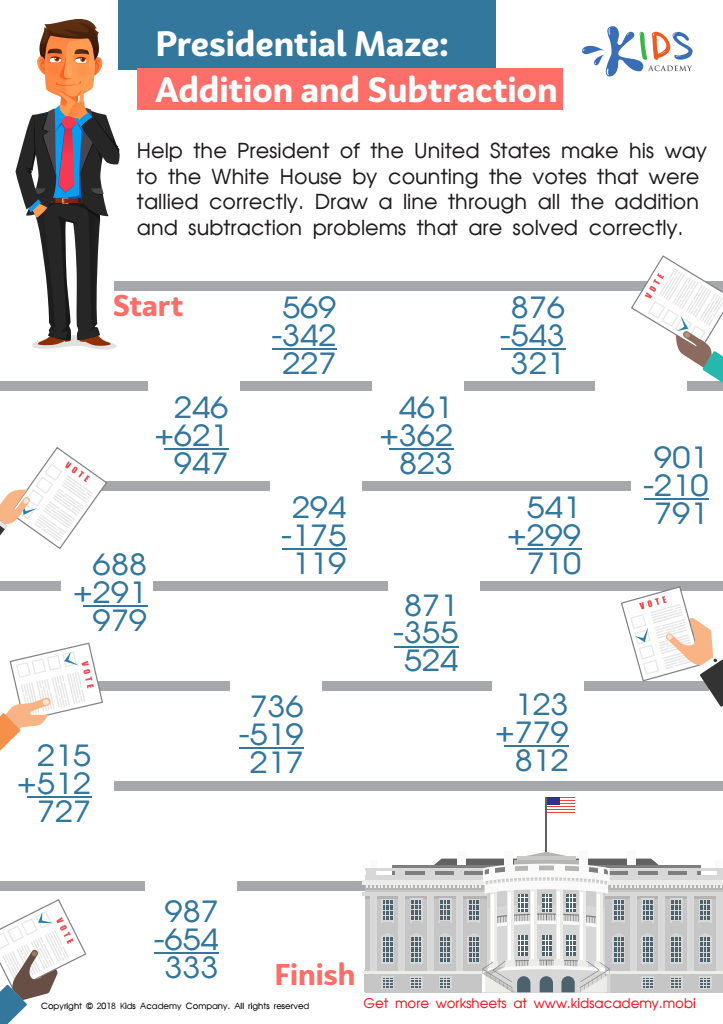
Presidential Maze: Addition and Subtraction Worksheet
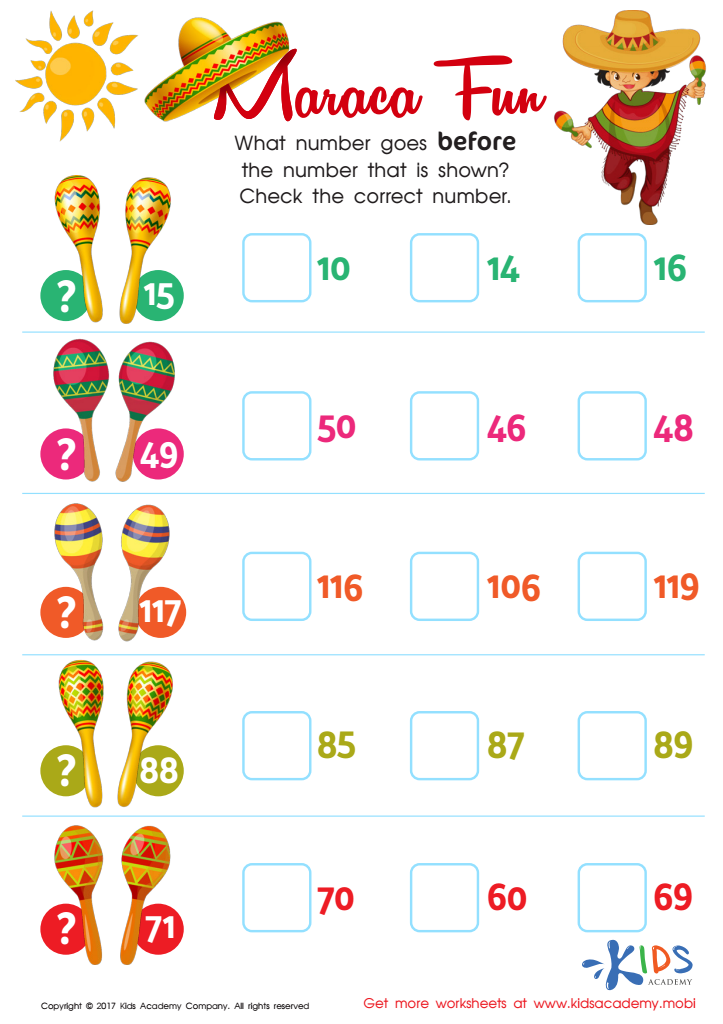
Counting: Maraca Fun Worksheet
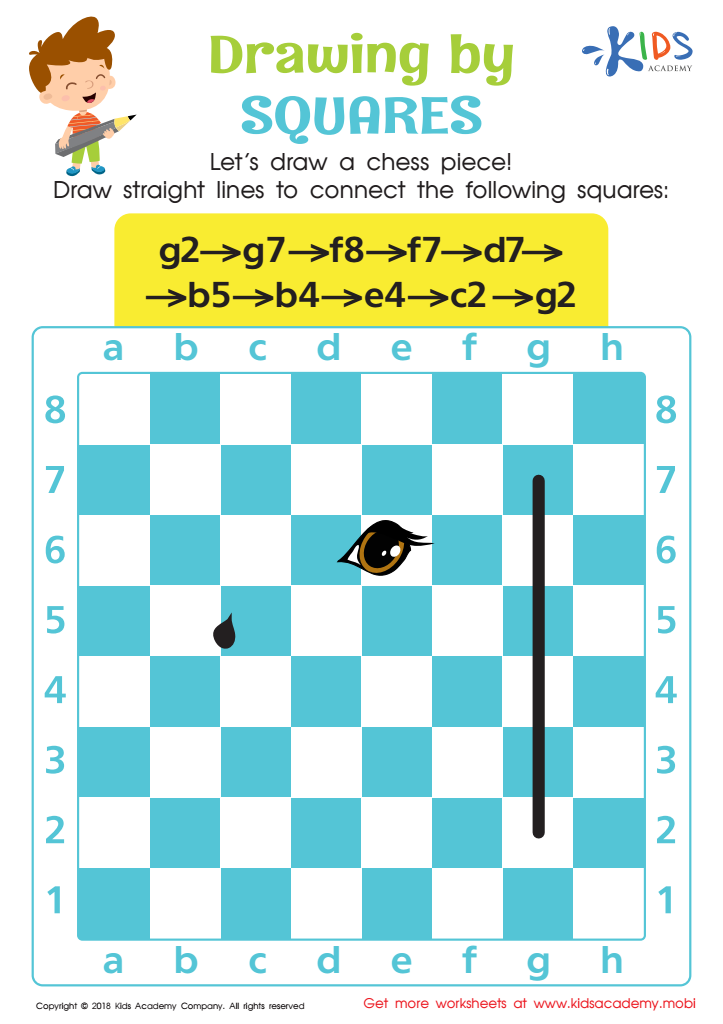
Drawing by Squares Worksheet
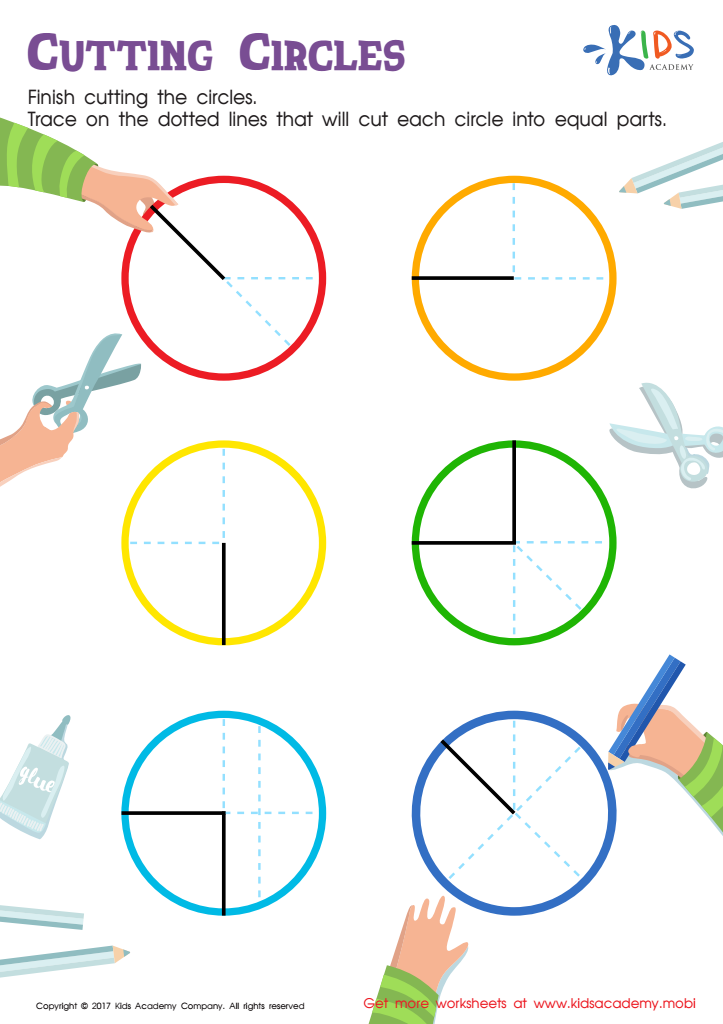
Cutting Circles Worksheet
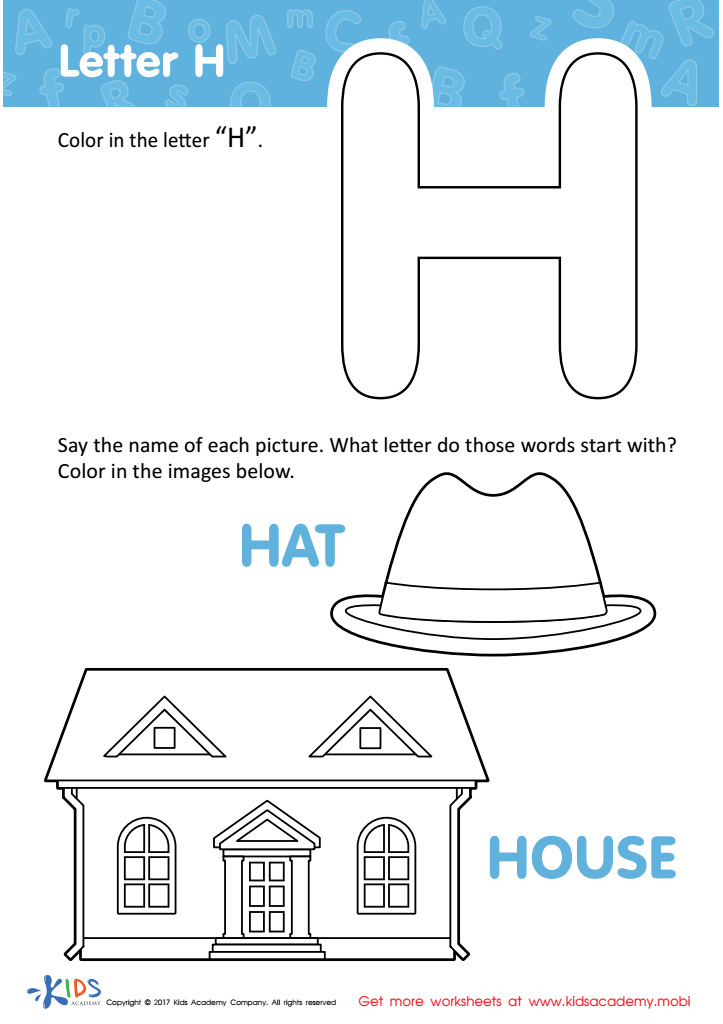
Letter H Coloring Sheet
 Assign to My Students








Parents and teachers play a crucial role in fostering fine motor skills in children aged 4-8 because these skills are foundational for many essential daily activities and academic tasks. Fine motor skills involve the use of small muscles in the hands and fingers, which are critical for tasks such as writing, cutting with scissors, buttoning clothes, and tying shoelaces. These skills not only enhance a child's independence but also directly affect their academic performance.
During early childhood, the development of fine motor skills is pivotal for learning to write. Proper pencil grip, control, and the ability to form letters clearly are all reliant on these small muscle movements. Lacking these skills can hinder a child's ability to keep up with classroom activities, affecting both their self-esteem and academic success.
Additionally, engaging in activities that build fine motor skills, such as drawing, playing with building blocks, or using playdough, supports cognitive development. It encourages hand-eye coordination, concentration, and problem-solving abilities. These activities also have an emotional benefit, providing children with a sense of accomplishment and boosting their confidence.
Therefore, investing time and resources in developing fine motor skills sets a strong foundation for a child’s educational journey and personal growth, underscoring its importance for parents and teachers alike.








