Boost your child's research skills with our "Enhancing Research Skills Worksheets" designed specifically for ages 4-8. These engaging worksheets encourage young learners to explore, ask questions, and develop critical thinking abilities. With activities tailored to spark curiosity, children will practice identifying information, comparing ideas, and finding answers. Perfect for parents and educators, this resource supports early academic development while making learning fun. Downloadable and easy to use, our worksheets provide a variety of hands-on tasks to stimulate creativity and foster a love for discovery. Empower your child's learning journey today and watch them thrive as budding researchers!

Check out this FREE "Enhancing research skills" Trial Lesson for age 4-8!

Compare Numbers with 2 and 3 digits

Favorites
With answer key
Interactive
  • 4-8
  • Enhancing research skills
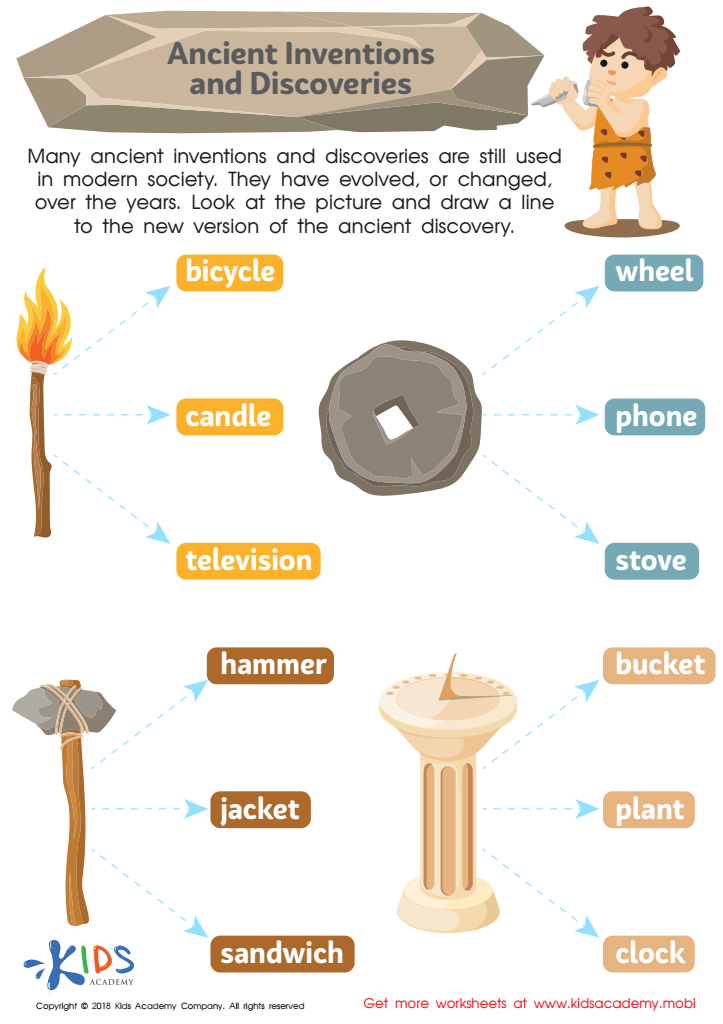
Ancient Inventions and Discoveries Worksheet

Ancient Inventions and Discoveries Worksheet

Kids may think inventions are high-tech, but many of the world's most important inventions are ancient! This Kids Academy worksheet helps kids learn about the wheel, clock, tools and candles - inventions that changed the world! Kids will simply review the pictures and trace the dotted lines to the right answers. Great for social studies!
Ancient Inventions and Discoveries Worksheet
Worksheet
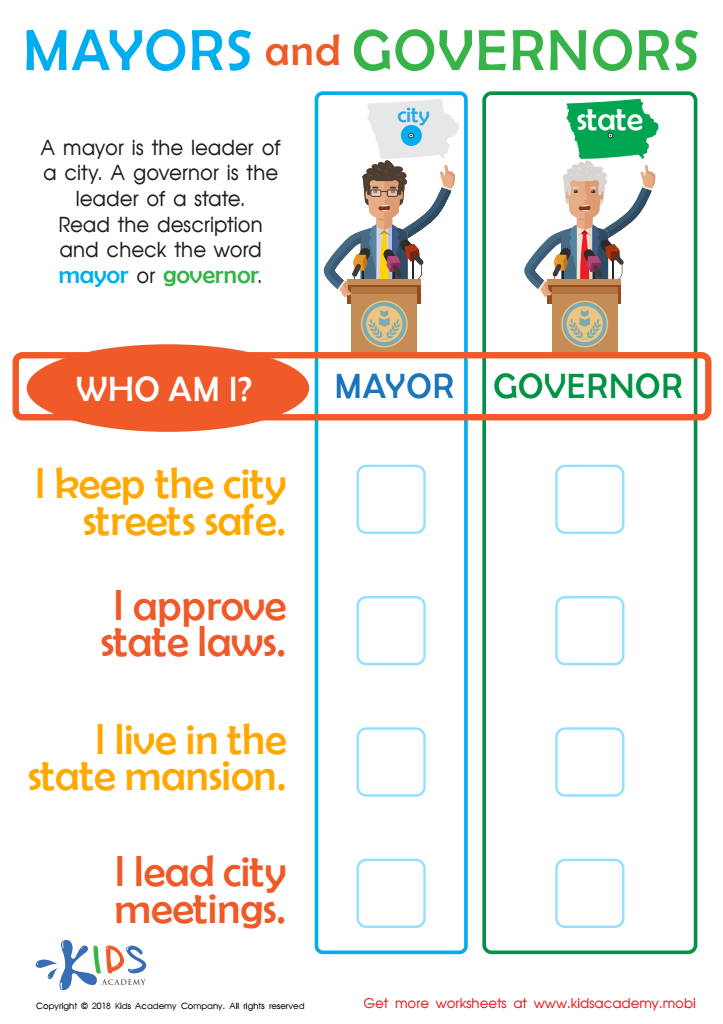
Mayors and Governors Worksheet

Mayors and Governors Worksheet

Encourage your children to learn more about your country's leaders. Ask them if they can name your mayor or state's governor. Explain that mayors lead cities, while governors lead states. Read the descriptions out loud to them, and help them identify if it's a mayor or a governor.
Mayors and Governors Worksheet
Worksheet
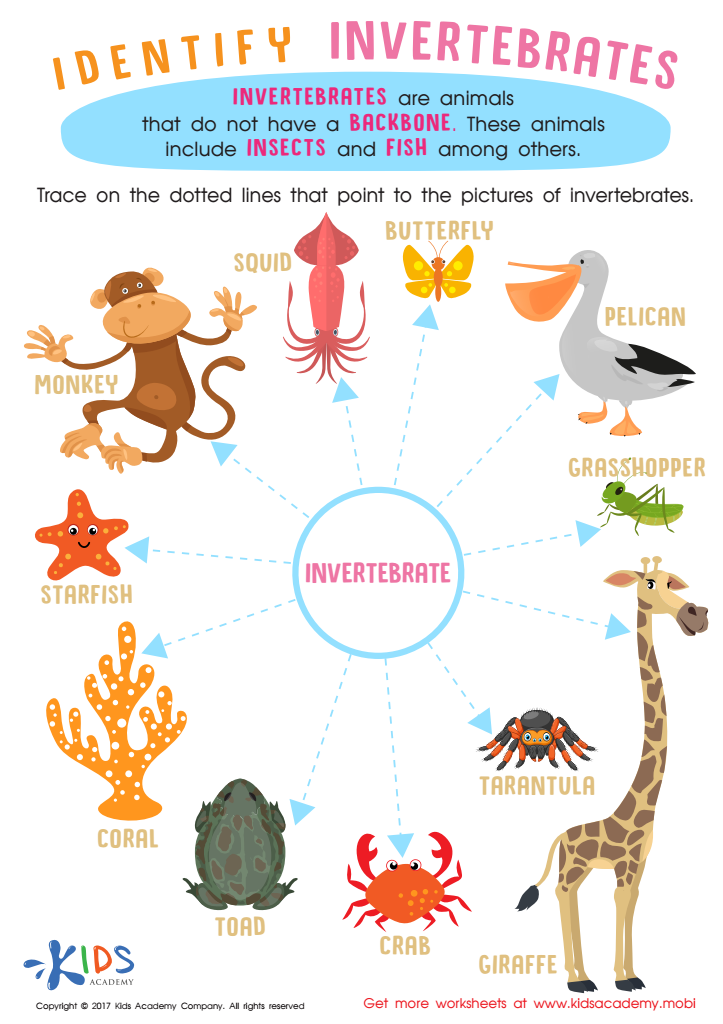
Invertebrates Worksheet for Grade 3

Invertebrates Worksheet for Grade 3

Kids explore the world of invertebrates with this worksheet for grade 3. Invertebrates are animals without a backbone, such as fish and insects. Kids must identify and select them from a group of animals. This activity is sure to stimulate their curiosity and help them discover more about these remarkable creatures.
Invertebrates Worksheet for Grade 3
Worksheet
Vitamin C worksheet
Vitamin C worksheet

Vitamin C Worksheet

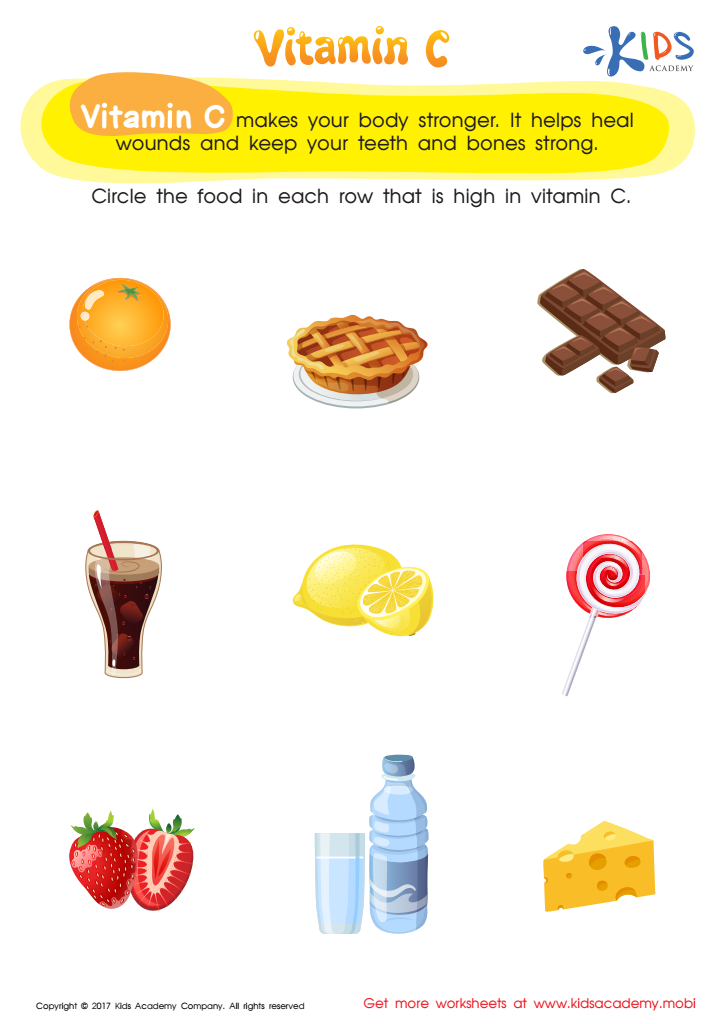
Kids need vitamins to stay strong and healthy. This worksheet will help them identify foods high in vitamin C and make them crave healthy options.
Vitamin C Worksheet
Worksheet
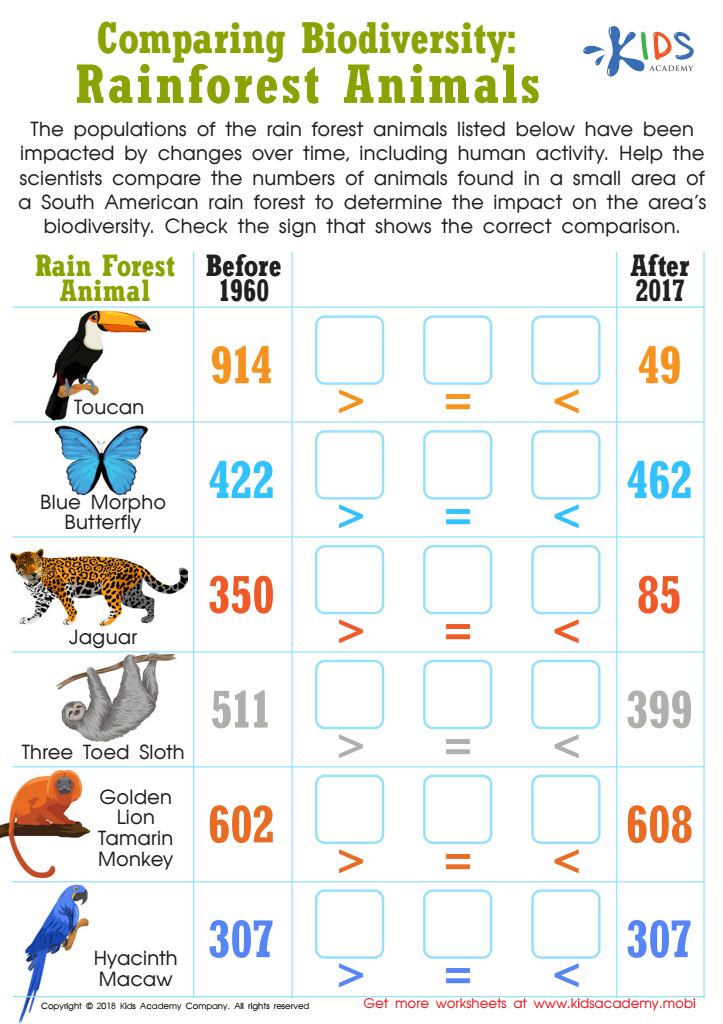
Comparing Biodiversity: Rainforest Animals Worksheet

Comparing Biodiversity: Rainforest Animals Worksheet

This dynamic PDF worksheet combines fun and education. Kids will explore rainforest animals and biodiversity, comparing numbers from 1960 to 2017. They'll strengthen number sense and reasoning skills while learning about area biodiversity and its effects. A perfect mix of math and social science!
Comparing Biodiversity: Rainforest Animals Worksheet
Worksheet
Water World Worksheet


Water World Worksheet

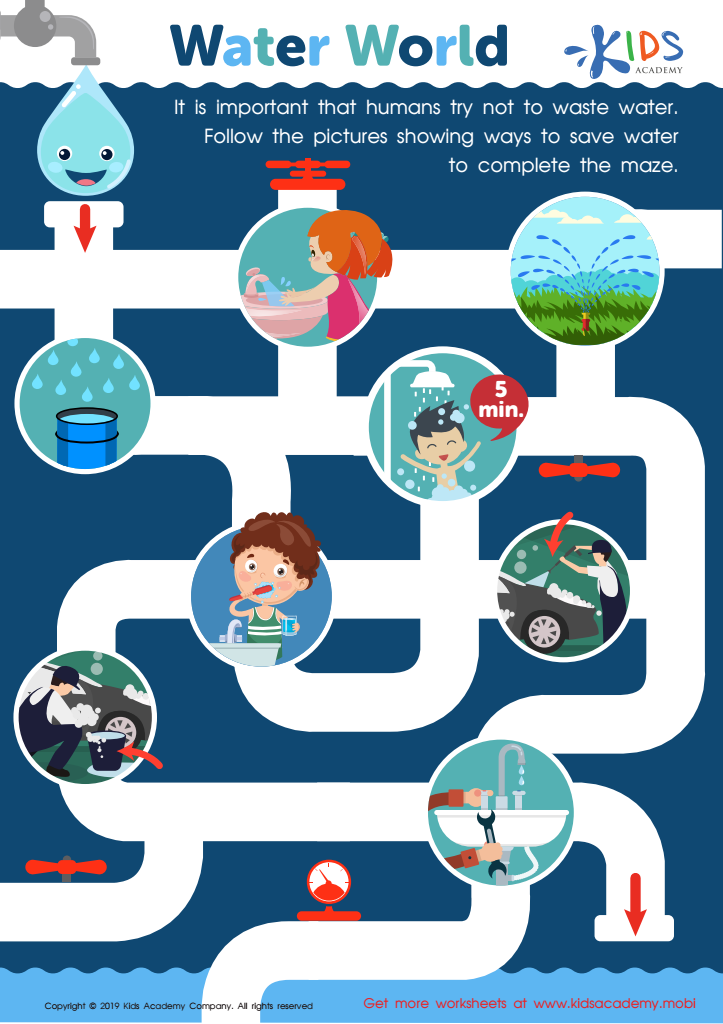
Water is a vital necessity for living. Our bodies depend on it to stay healthy and survive. When we don't drink enough water, we become thirsty and run the risk of getting sick. Luckily, our planet is full of water and natural sources to stay hydrated. To prevent water waste, use this worksheet to teach your students how to conserve it and complete the maze.
Water World Worksheet
Worksheet


Enhancing research skills for children aged 4-8 is crucial for several reasons. At this stage, children are naturally curious and eager to explore the world around them. Fostering research skills early on nourishes this curiosity, teaching them how to seek information, ask questions, and approach problems methodically. This foundational skill set not only supports academic success but also nurtures critical thinking abilities, empowering children to analyze information and become independent learners.

Parents and teachers play a pivotal role in guiding this development. By introducing simple research techniques, such as looking up a topic in books or asking questions during discussions, adults can create an environment that values exploration and inquiry. Additionally, these skills enhance literacy and communication abilities as children learn to articulate their findings and share knowledge with peers.

Moreover, in our digital age, the internet offers vast resources but can also be overwhelming. Teaching young children how to ask for help, identify reliable sources, and narrow down information allows them to navigate this landscape effectively.

Ultimately, cultivating research skills in early childhood sets the stage for lifelong learning, problem-solving acumen, and adaptability, shaping children into informed, inquisitive individuals ready to tackle future challenges.