Fraction comparison Worksheets for Ages 4-8
47 filtered results
-
From - To
Discover our engaging fraction comparison worksheets designed for children aged 4-8! These carefully crafted resources help young learners grasp essential math concepts through interactive and playful exercises. By comparing fractions visually and numerically, children develop a strong foundation in understanding part-to-whole relationships and enhance their critical thinking skills. Our worksheets incorporate colorful illustrations and relatable scenarios that make learning about fractions fun and appealing. Ideal for classroom activities or at-home practice, these worksheets support your child's early math journey and stimulate their curiosity. Download our fraction comparison worksheets today and watch your child's confidence in math grow!
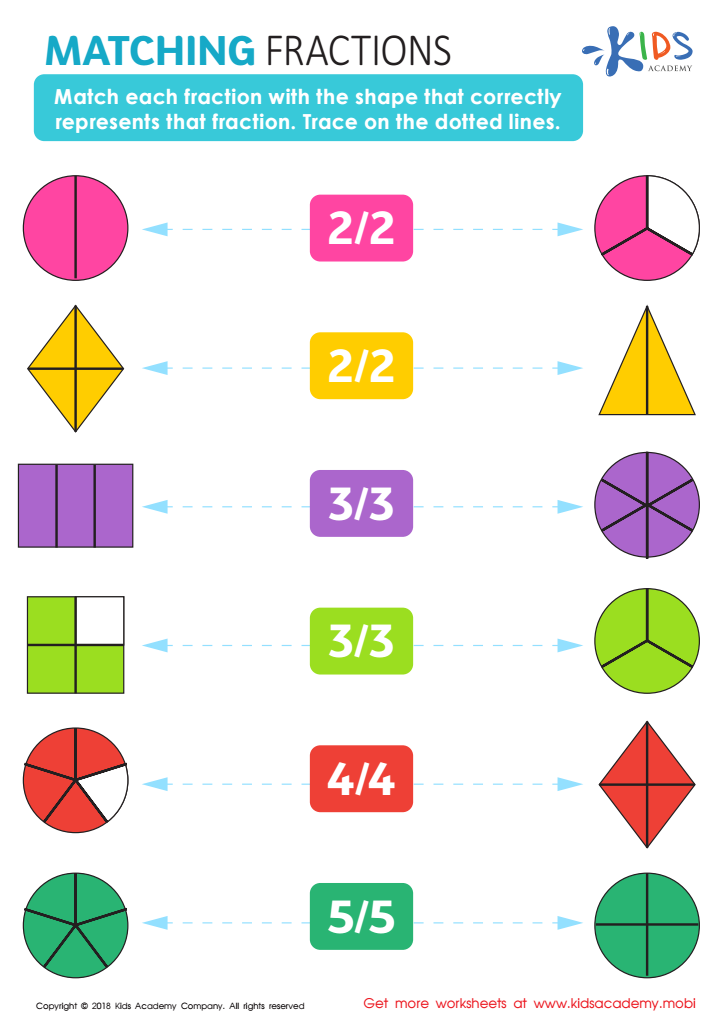
Matching Fractions Worksheet
 Assign to My Students
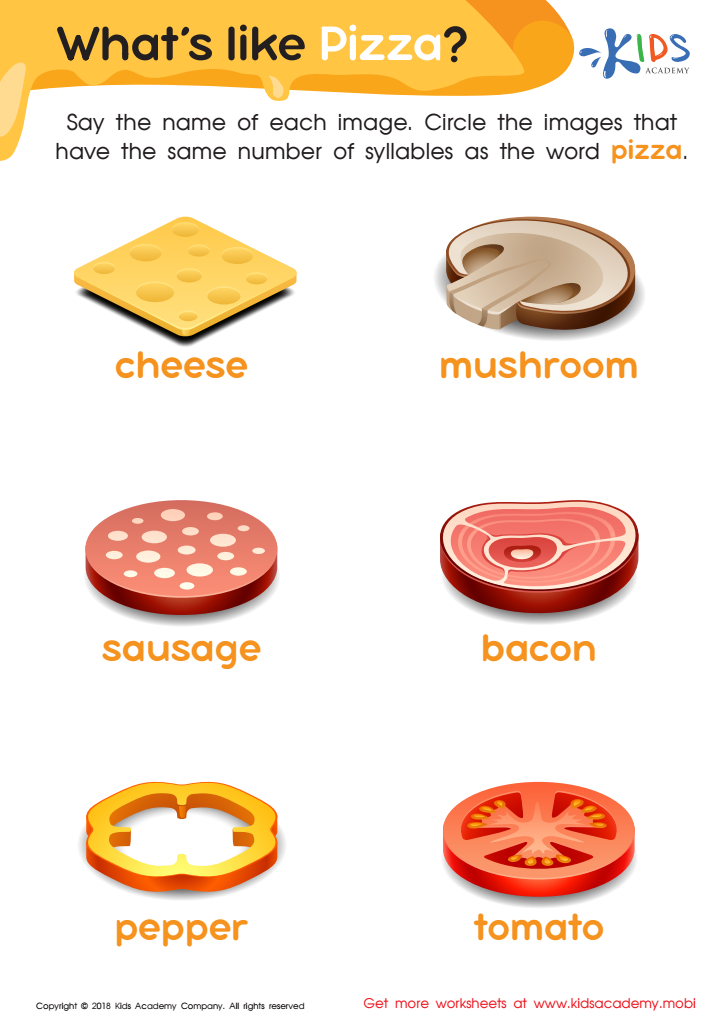
What's Like Pizza? Worksheet
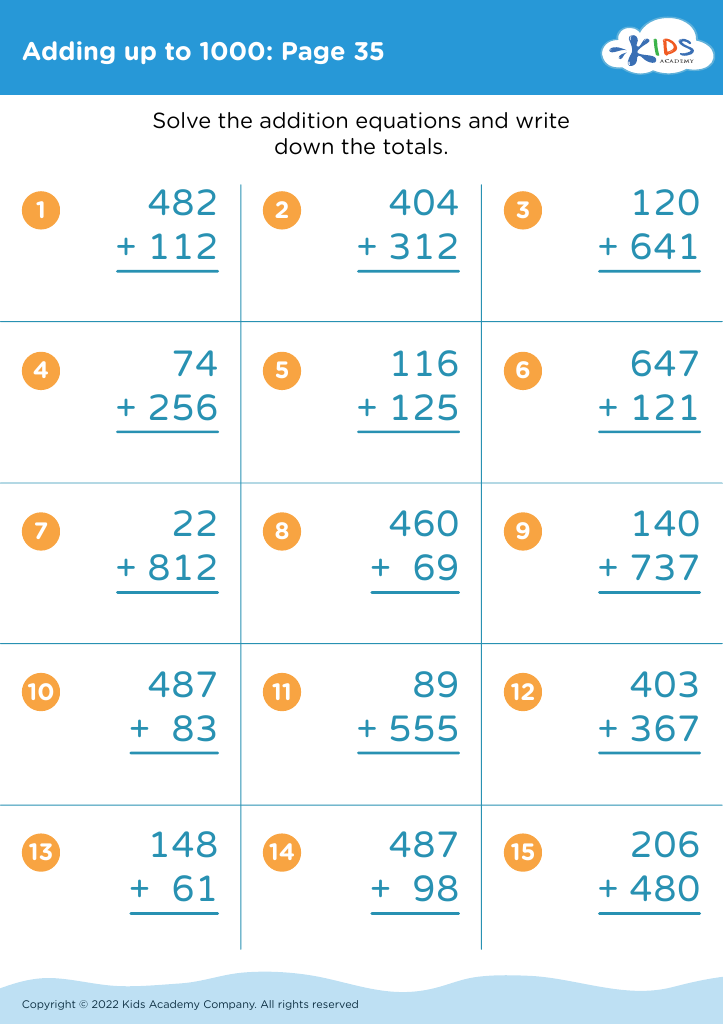
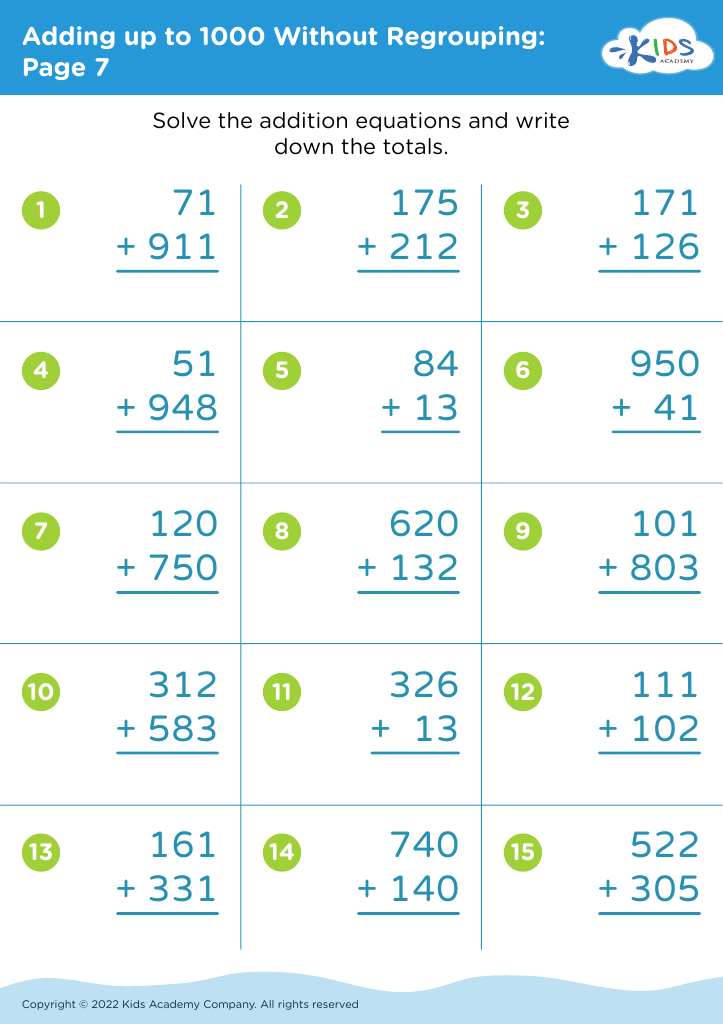
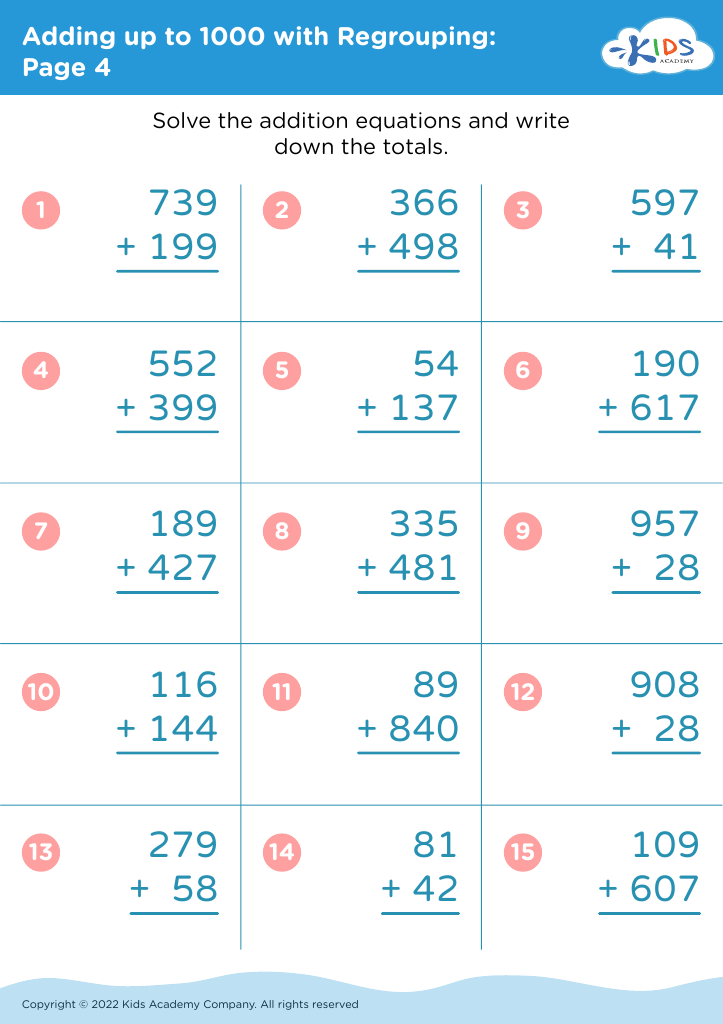
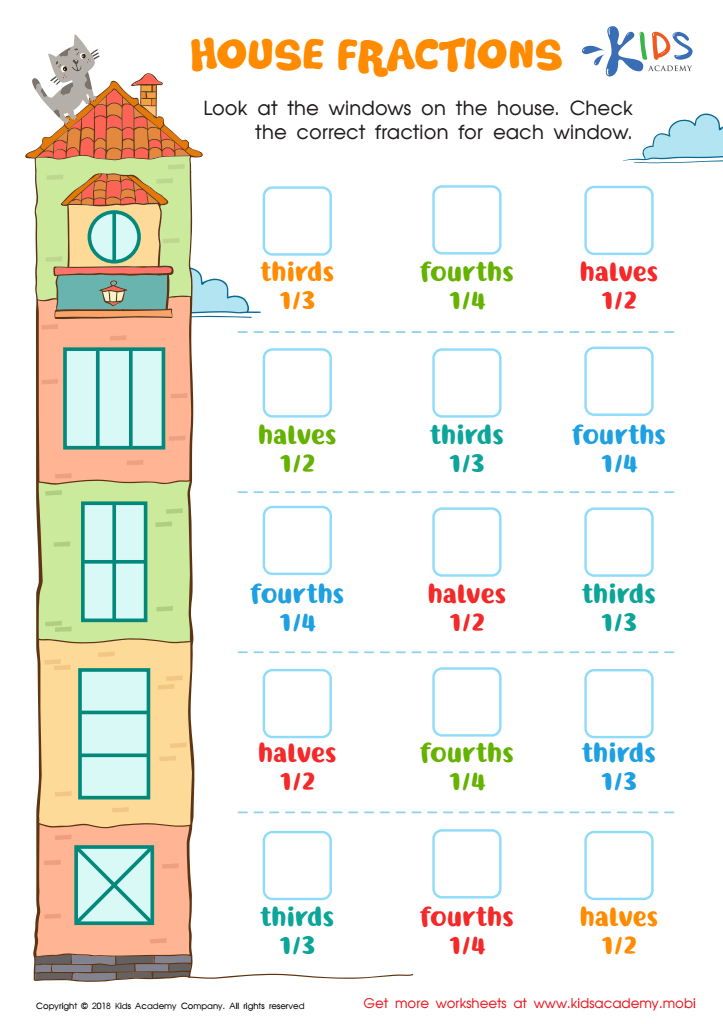
House Fractions Worksheet
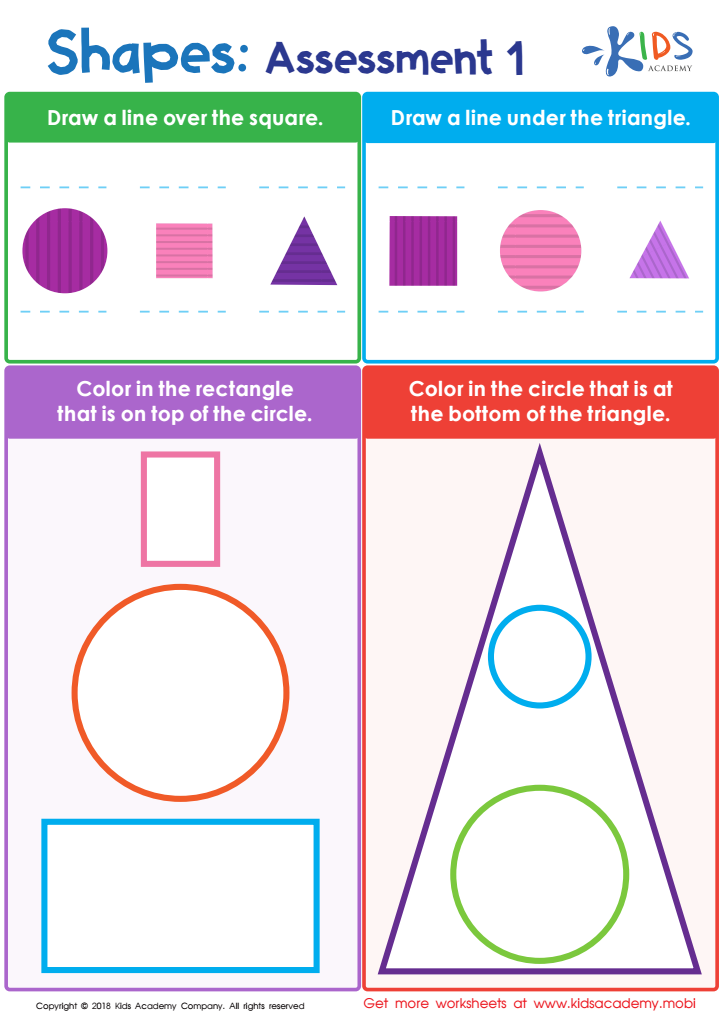
Shapes: Assessment 1 Worksheet
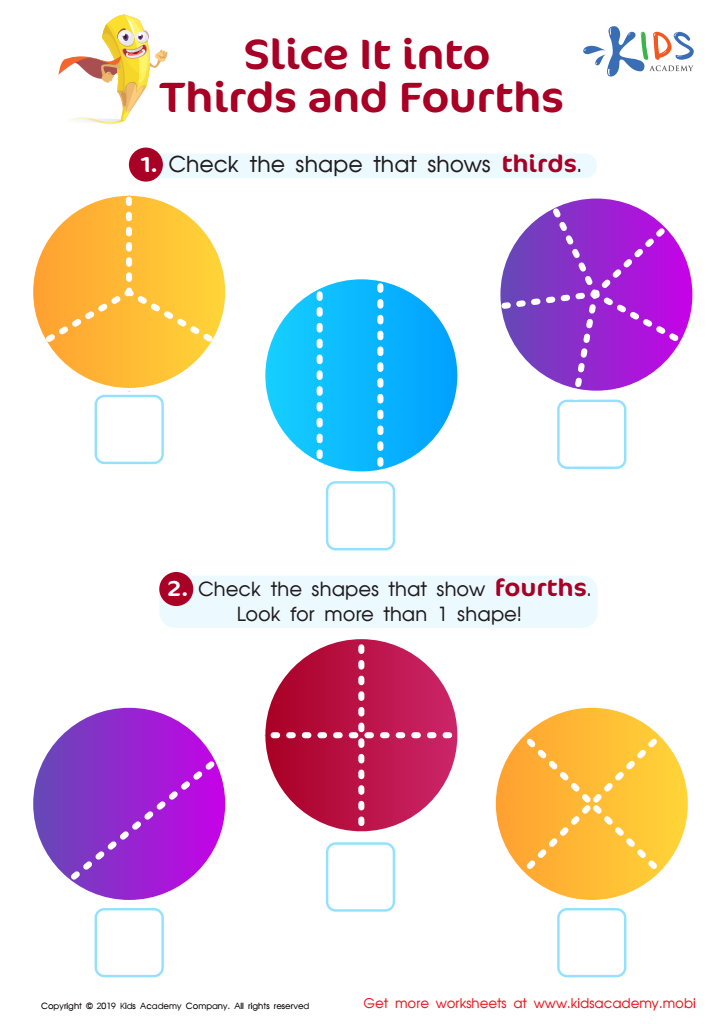
Slice in Thirds Fourths Worksheet




Understanding fraction comparison is crucial for children ages 4-8 as it lays a foundational skill for later mathematical proficiency. During these formative years, learners develop essential cognitive and numerical skills, making it the ideal time to introduce concepts like fractions. By grasping how to compare fractions, children enhance their number sense, which supports their ability to engage with more complex mathematical concepts in the future.
Fraction comparison helps children understand proportional reasoning, which is vital in everyday decision-making, such as determining how much to share or understand recipes. Teachers and parents should recognize that these skills not only bolster academic performance but also promote critical thinking and problem-solving abilities.
Additionally, learning to compare fractions can foster a positive attitude towards math. When children successfully grasp these concepts, they build confidence and enthusiasm that can influence their overall engagement with mathematics.
Furthermore, introducing fraction concepts through hands-on activities offers interactive learning opportunities, making math fun and relevant. Such practices can establish a lifelong appreciation for learning. Therefore, teachers and parents should ensure that children's understanding of fraction comparison is prioritized for their intellectual development and real-world applications.








