Geography knowledge Worksheets for Ages 4-8 - Page 2
36 filtered results
-
From - To
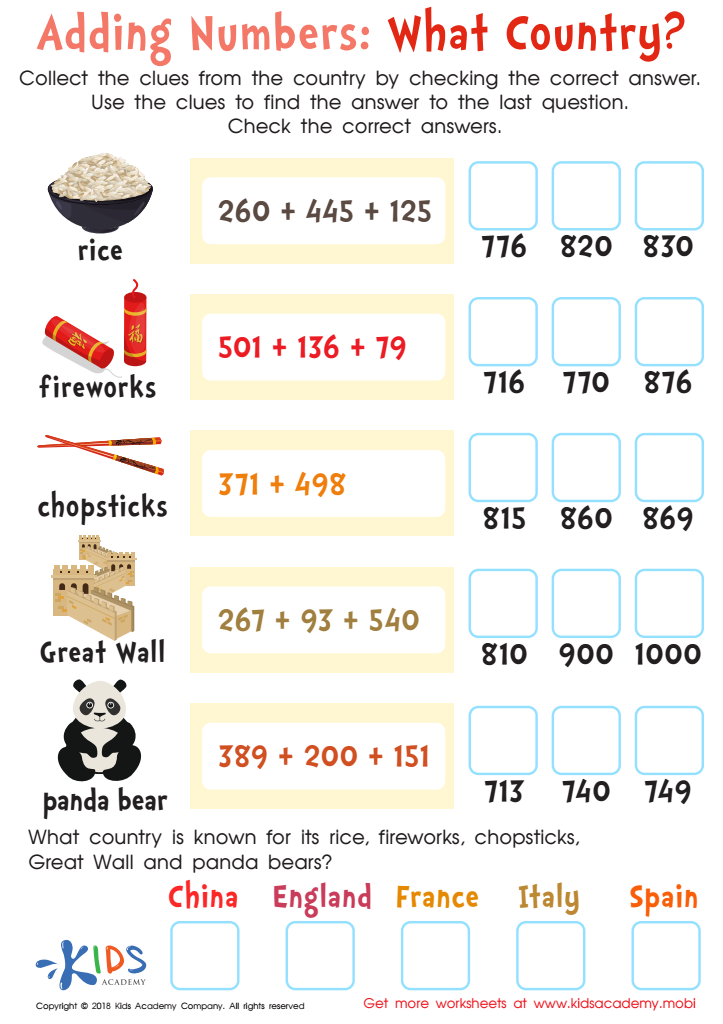
Adding Numbers: What Country Worksheet
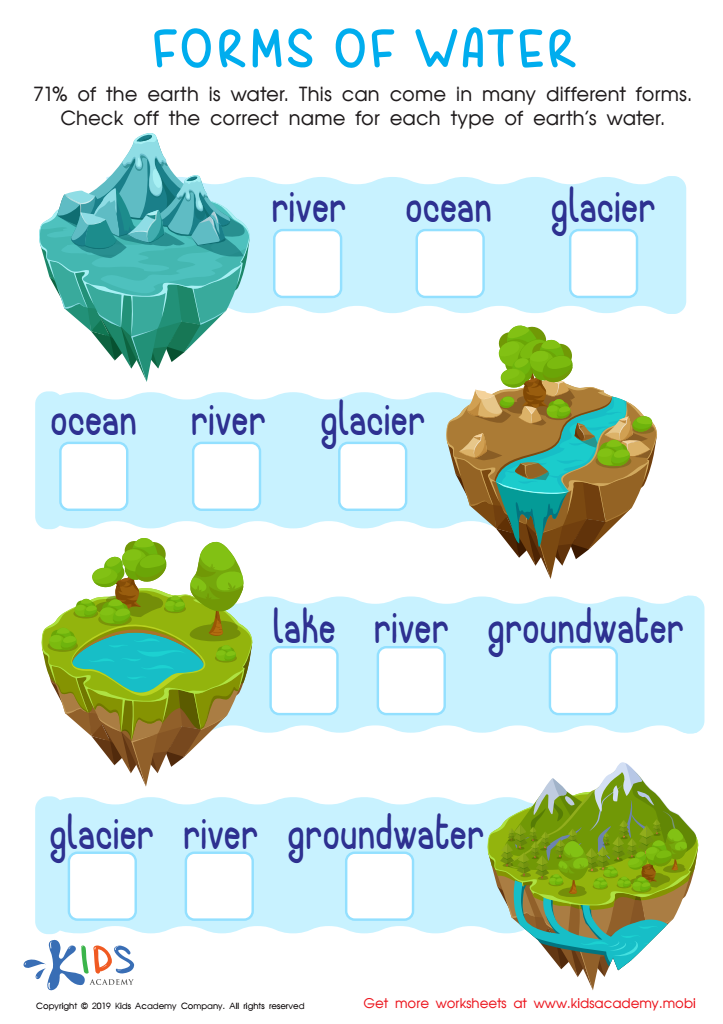
Forms of Water Worksheet
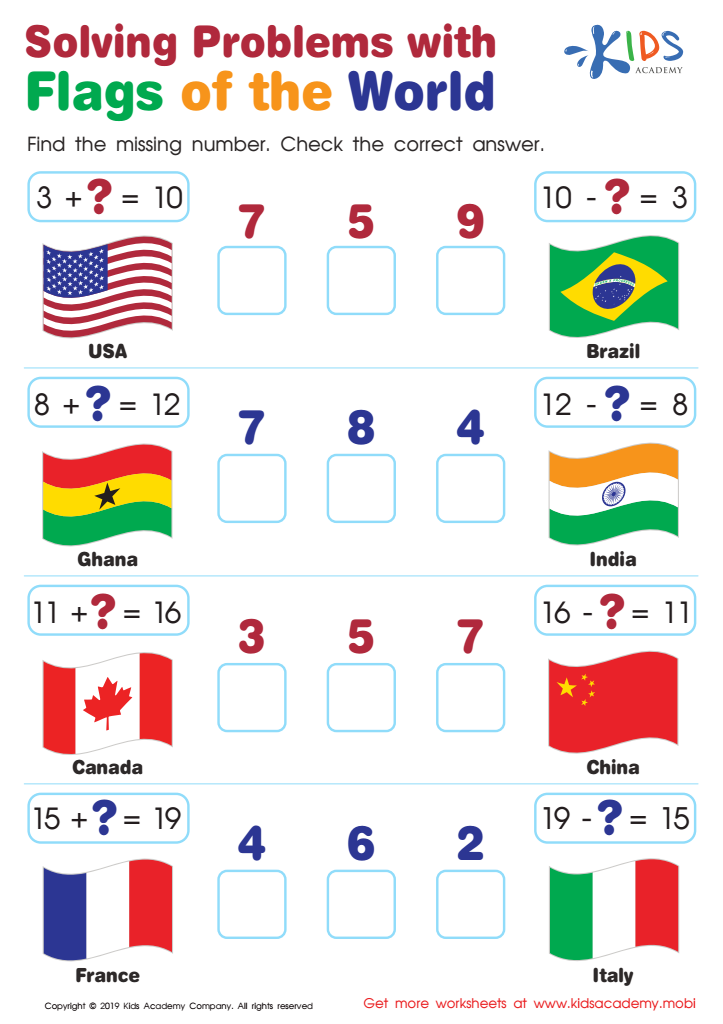
Solving Problems with Flags of the World Worksheet
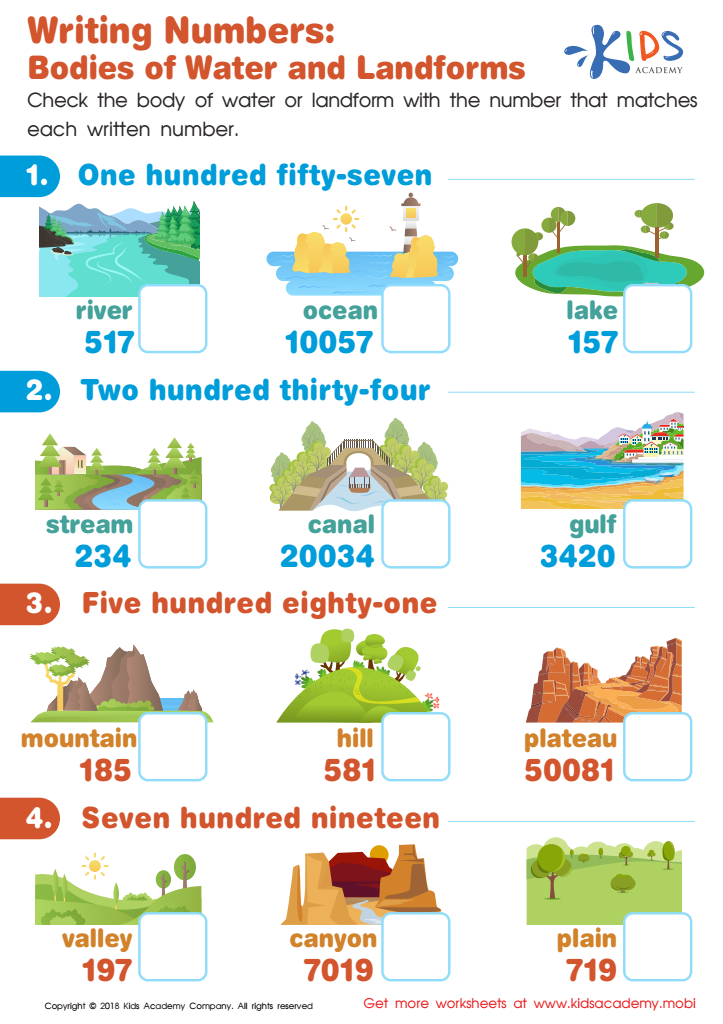
Bodies of Water and Landforms Writing Numbers Worksheet
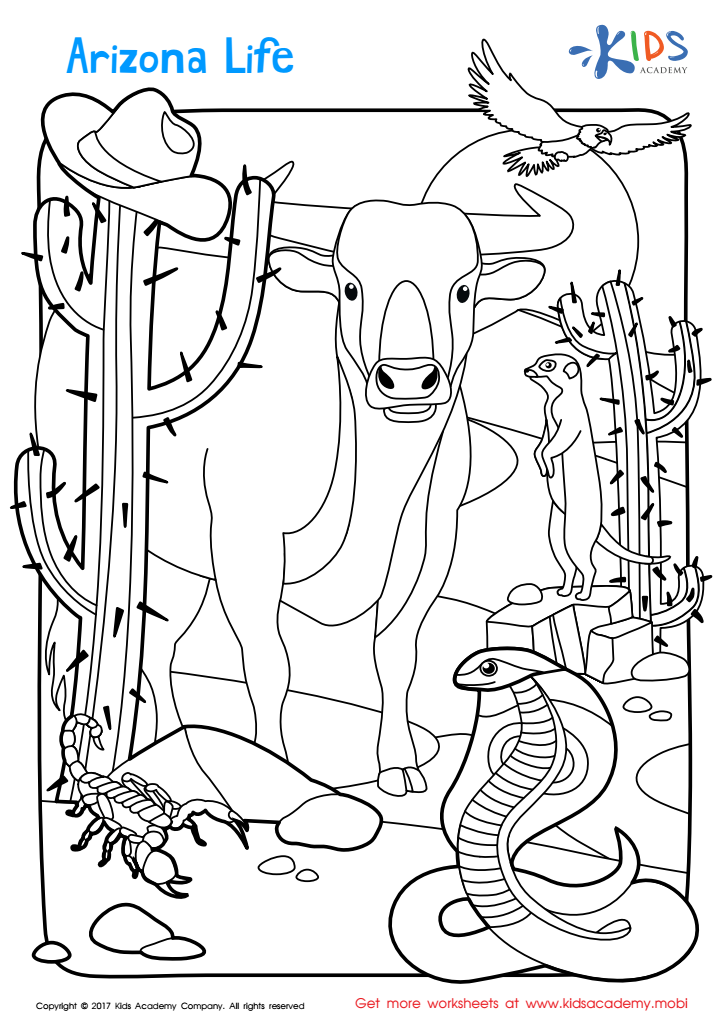
Arizona Coloring Page Worksheet
 Assign to My Students
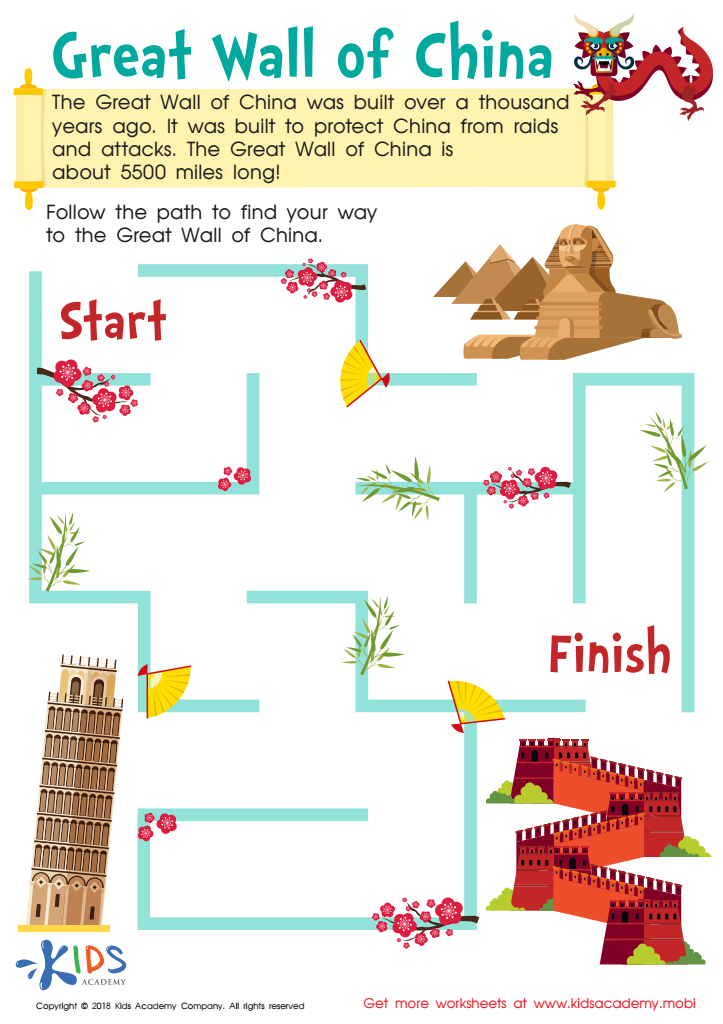
Great Wall of China Worksheet
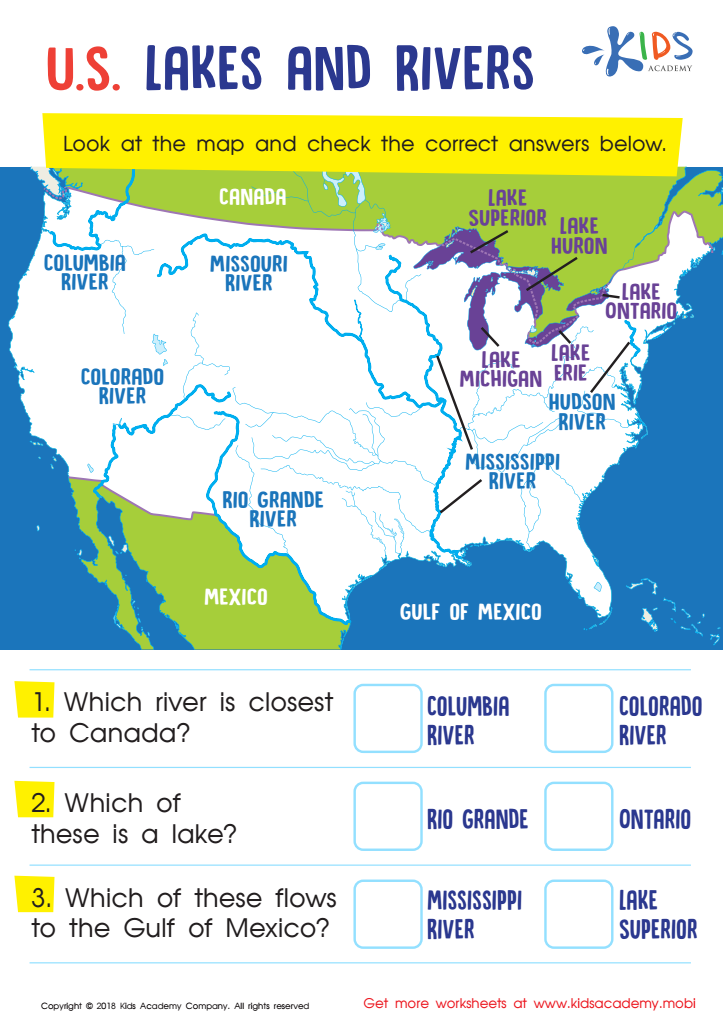
U.S. Lakes and Rivers Worksheet
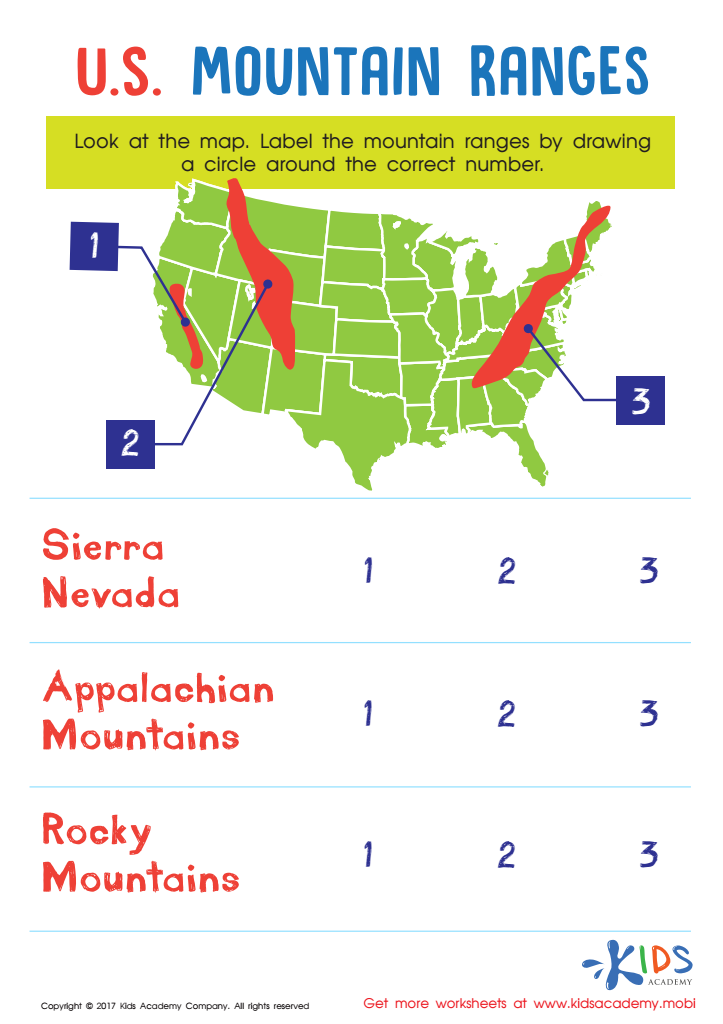
US Mountain Ranges Worksheet

Towns Worksheet
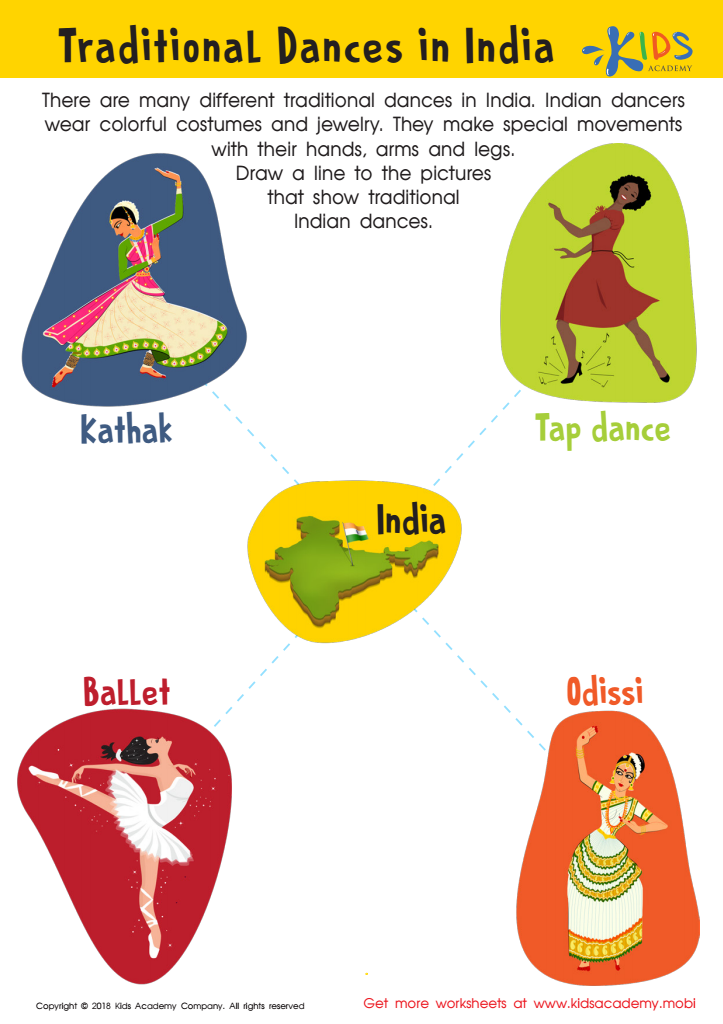
Traditional Dances in India Worksheet
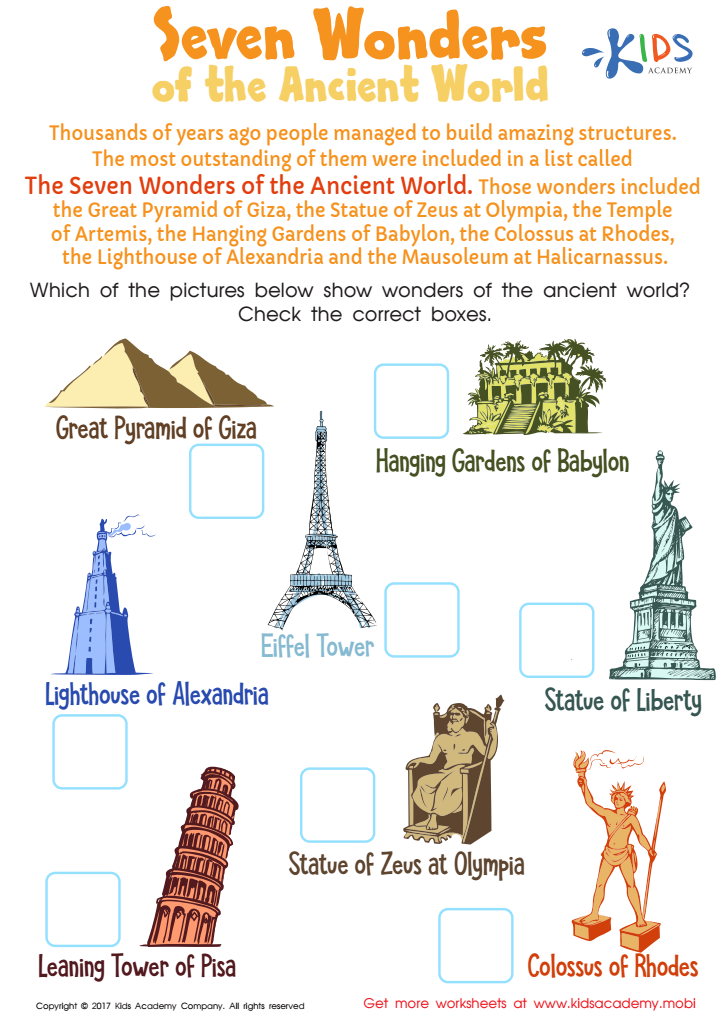
Seven Wonders of the Ancient World Worksheet
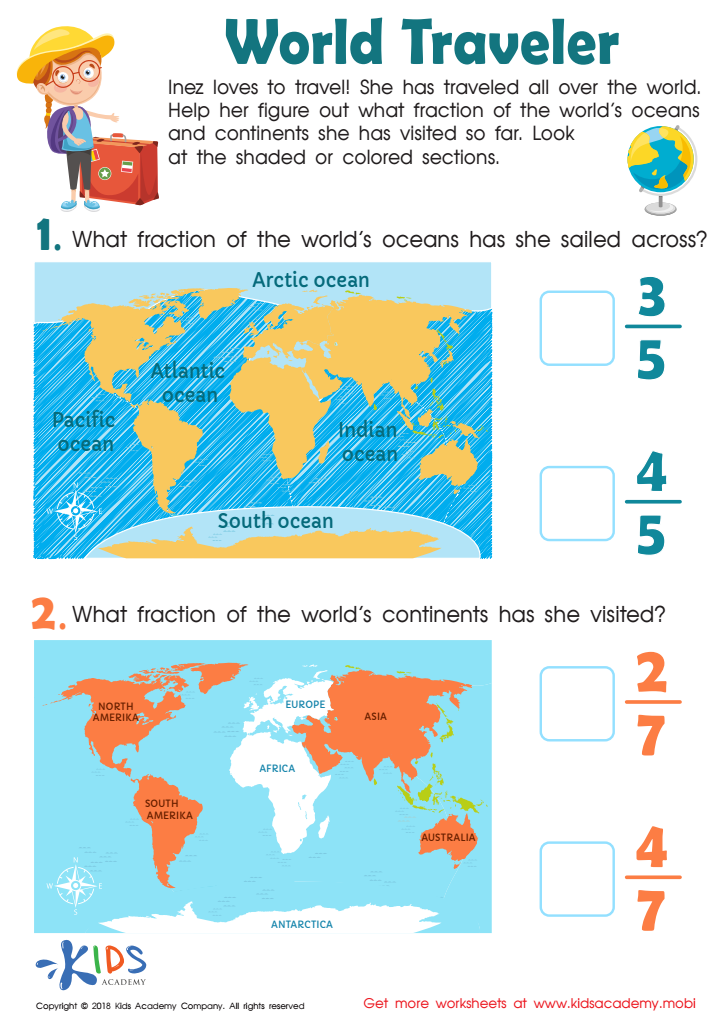
World Traveler Worksheet







Geography knowledge is vital for children aged 4-8 as it lays the groundwork for their understanding of the world around them. During these formative years, children develop essential cognitive skills and curiosity, making it the perfect time to nurture their awareness of different places, cultures, and environments. Understanding geography fosters a sense of belonging and appreciation for diversity, encouraging empathy and respect for others.
Learning about maps, continents, and countries not only enhances spatial awareness but also introduces concepts of community and interconnectedness. These skills can promote children's ability to navigate their environments, both physically and socially. Additionally, geography often overlaps with subjects like science and history, providing a holistic educational experience.
For parents and teachers, geography can be an engaging and playful subject. Activities like storytelling, field trips, and interactive games can make geography come alive, sparking a lifelong love for exploration and learning. By fostering geographic knowledge, adults can help children develop critical thinking skills, allowing them to better understand global issues and their role within their communities. Overall, prioritizing geography knowledge at an early age equips children with the tools to navigate, appreciate, and contribute positively to an increasingly interconnected world.








