Hand-eye Coordination Worksheets for Ages 4-8
116 filtered results
-
From - To
Discover our Hand-eye Coordination Worksheets designed specifically for kids ages 4-8. These engaging activities aim to bolster your child's fine motor skills, visual tracking abilities, and overall coordination. Perfect for both classroom and home use, our expertly crafted worksheets provide fun exercises ranging from tracing shapes and lines to matching and puzzle-solving tasks. Each activity is thoughtfully produced to captivate young minds while enhancing critical developmental skills. Visit Kids Academy's collection to give your child the tools they need for successful growth through entertaining and educational hand-eye coordination worksheets. Unlock your child’s potential today!
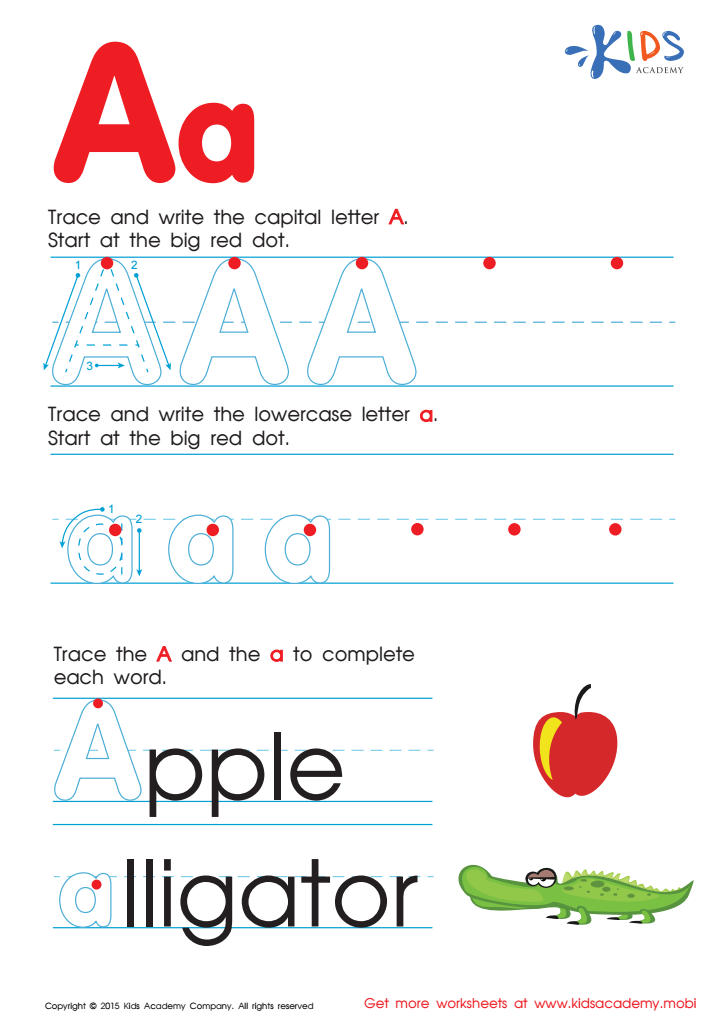
Letter A Tracing Page
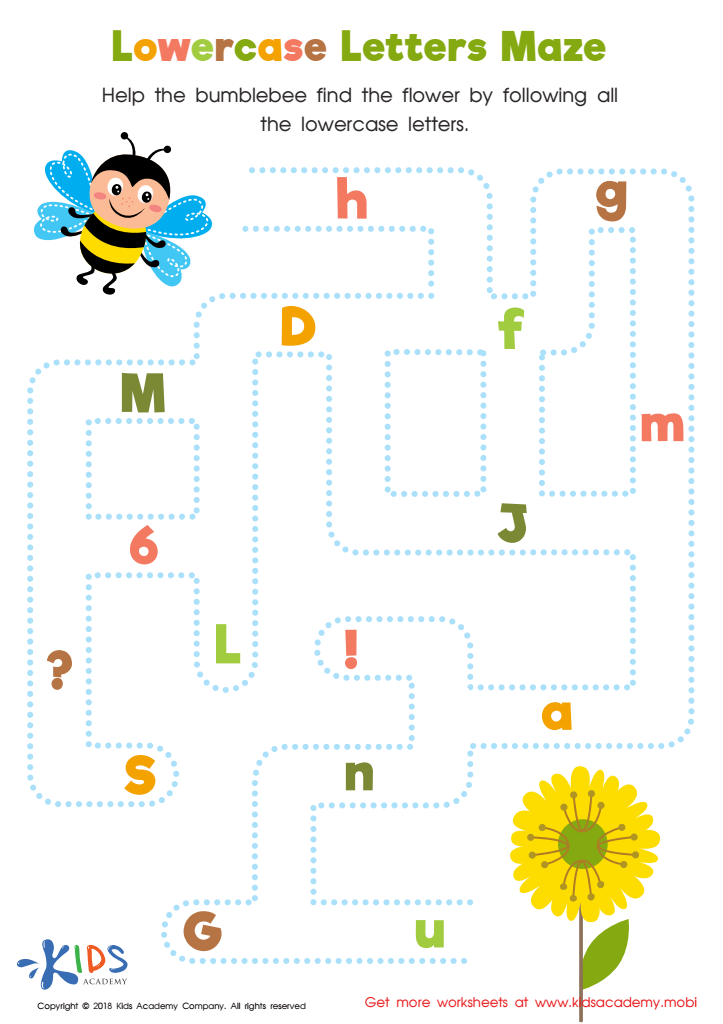
Lowercase Letters Maze Worksheet
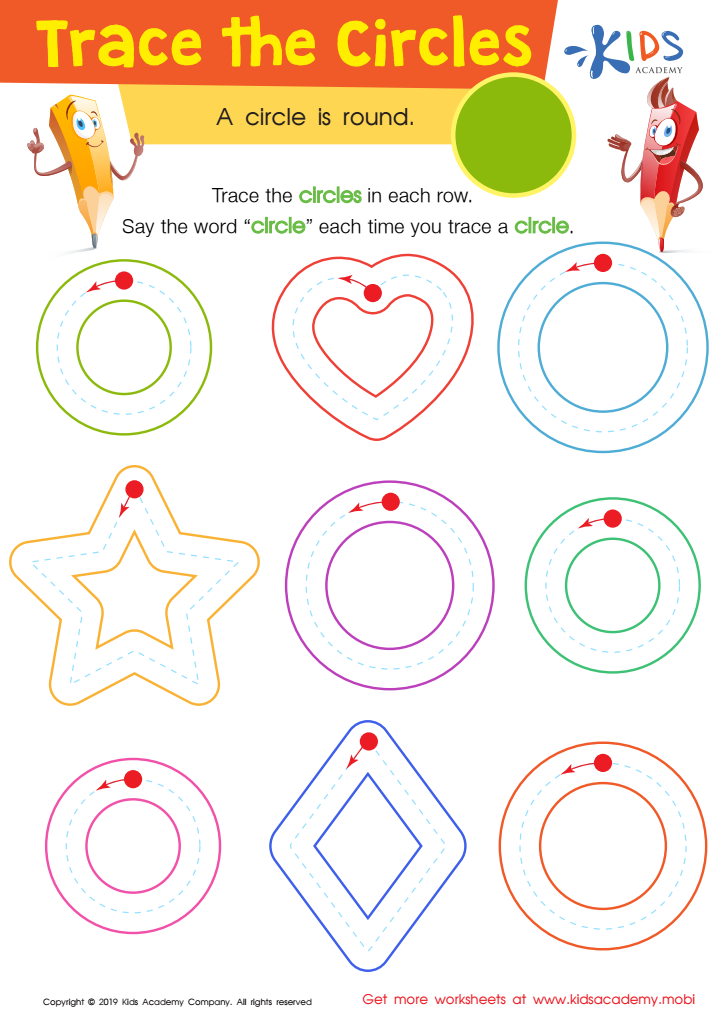
Trace The Circles Worksheet
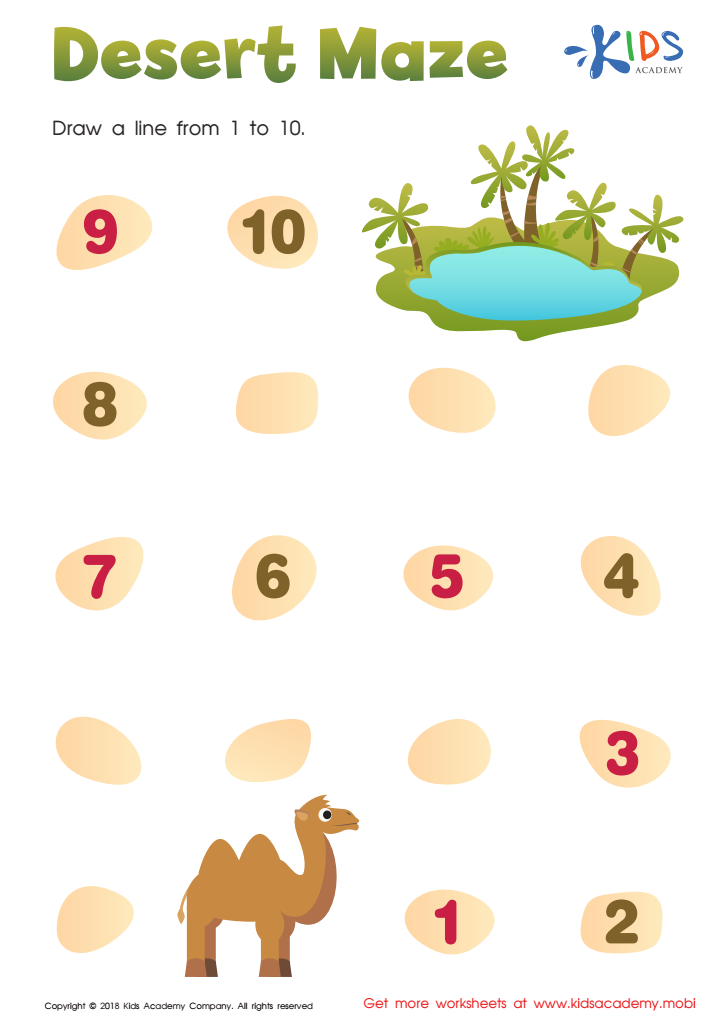
Desert Maze Worksheet
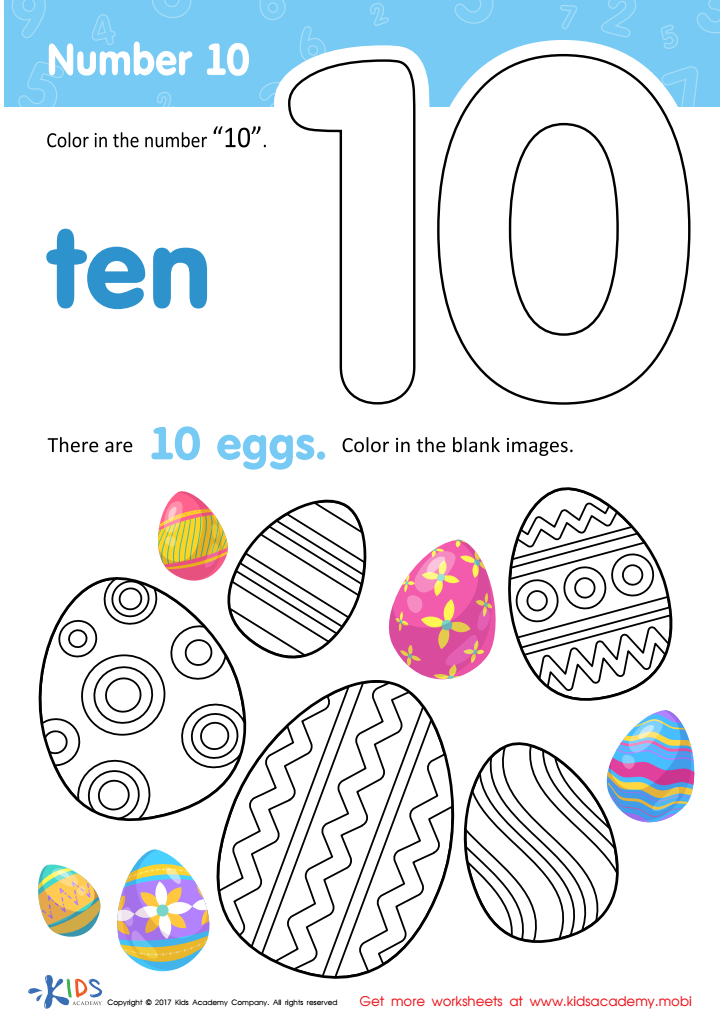
Number 10 Printable
 Assign to My Students
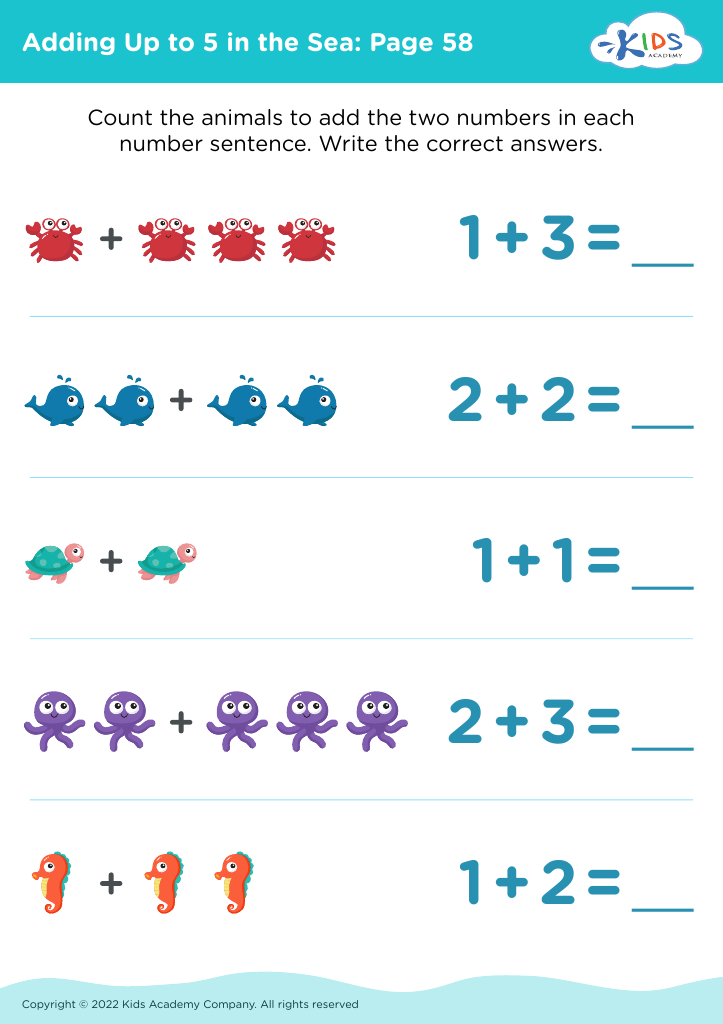
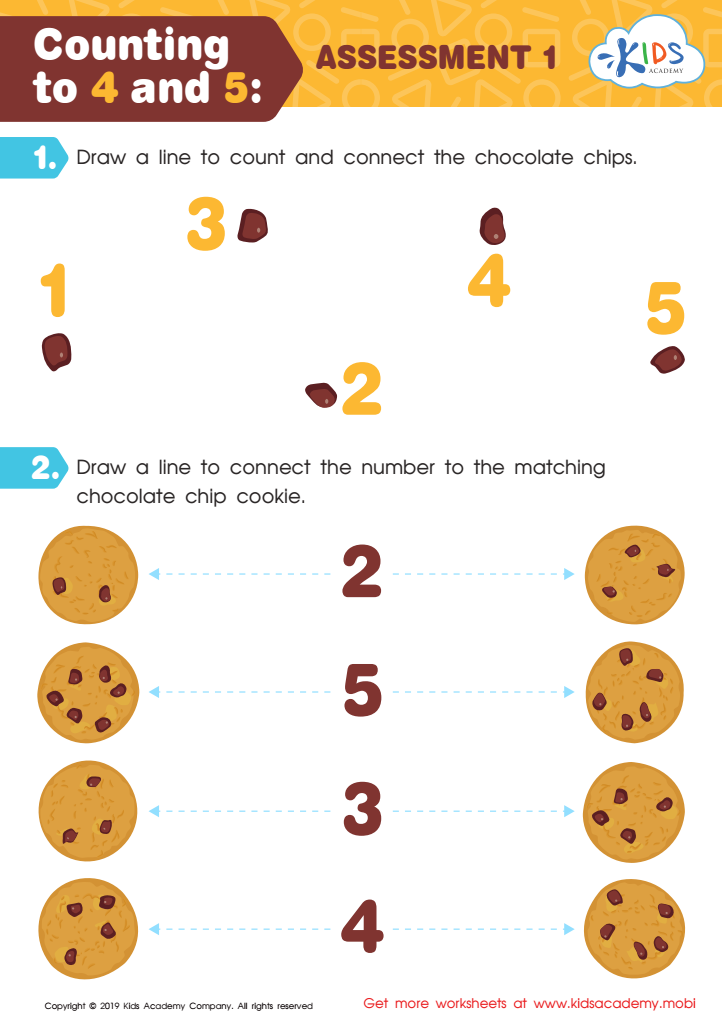
Counting to 4 and 5: Assessment 1 Worksheet
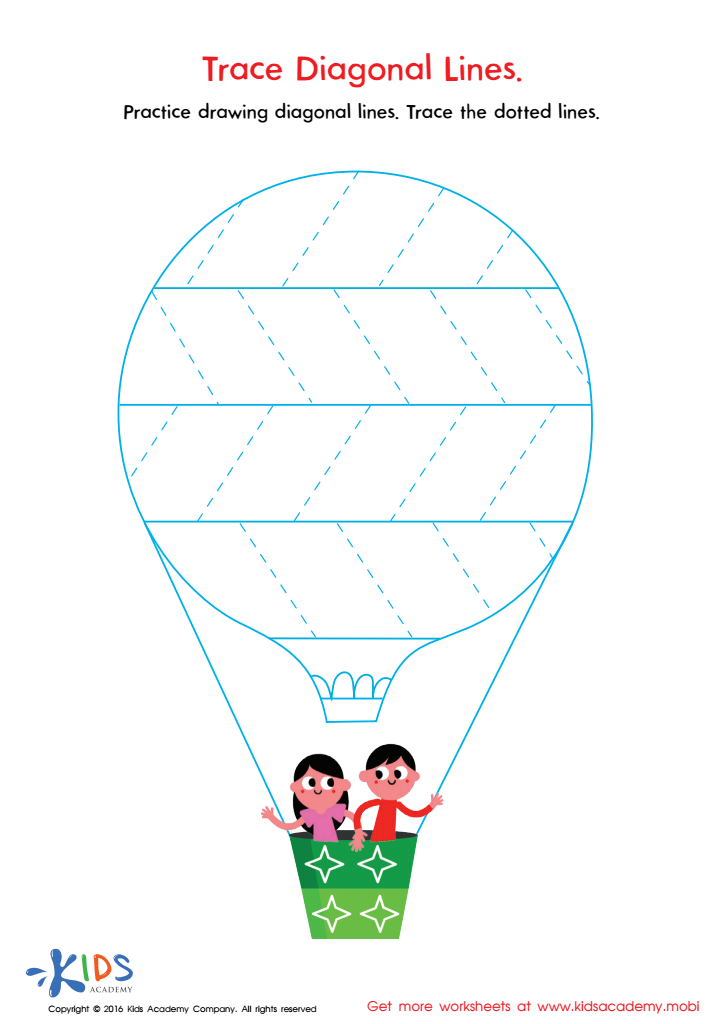
Trace Diagonal Lines Worksheet
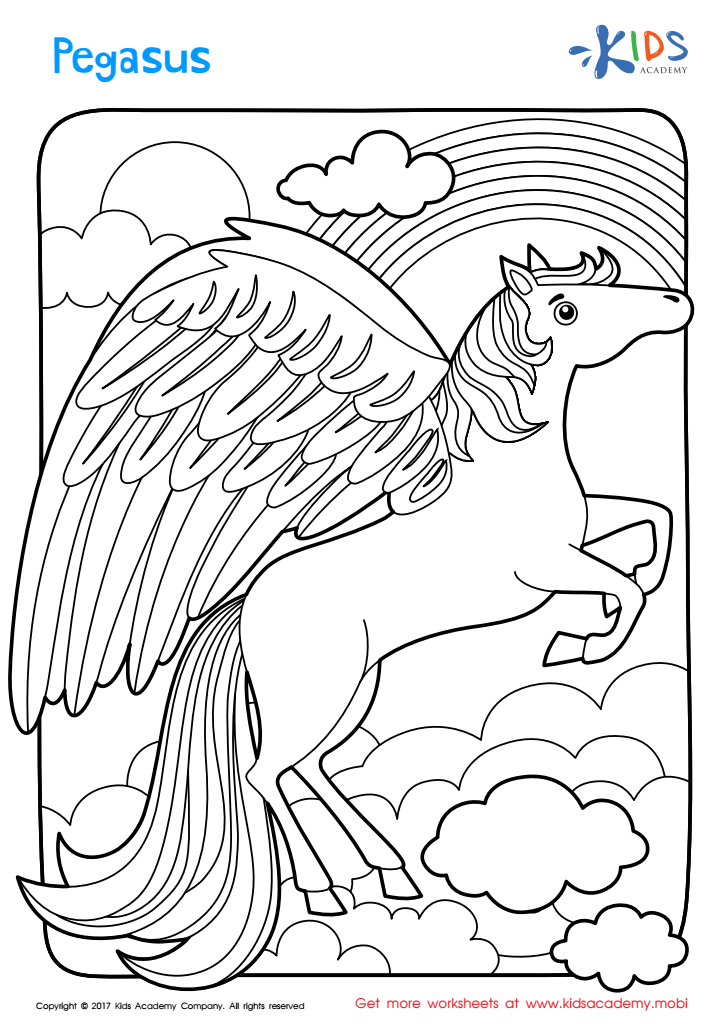
Pegasus Printable
Assign to My Students
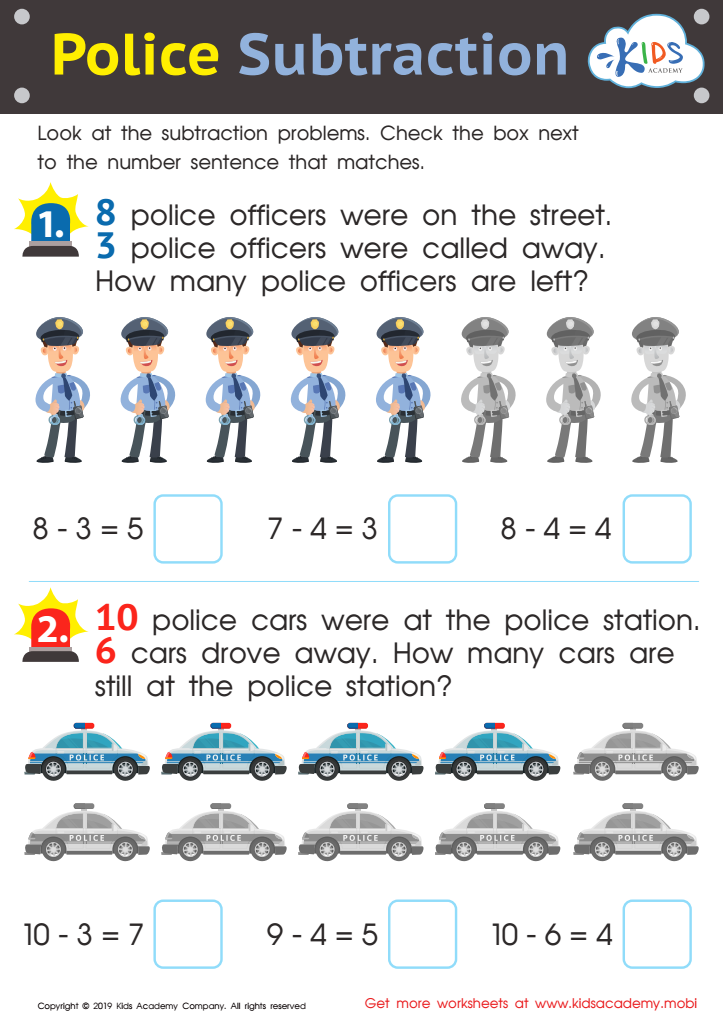
Police Subtraction Worksheet
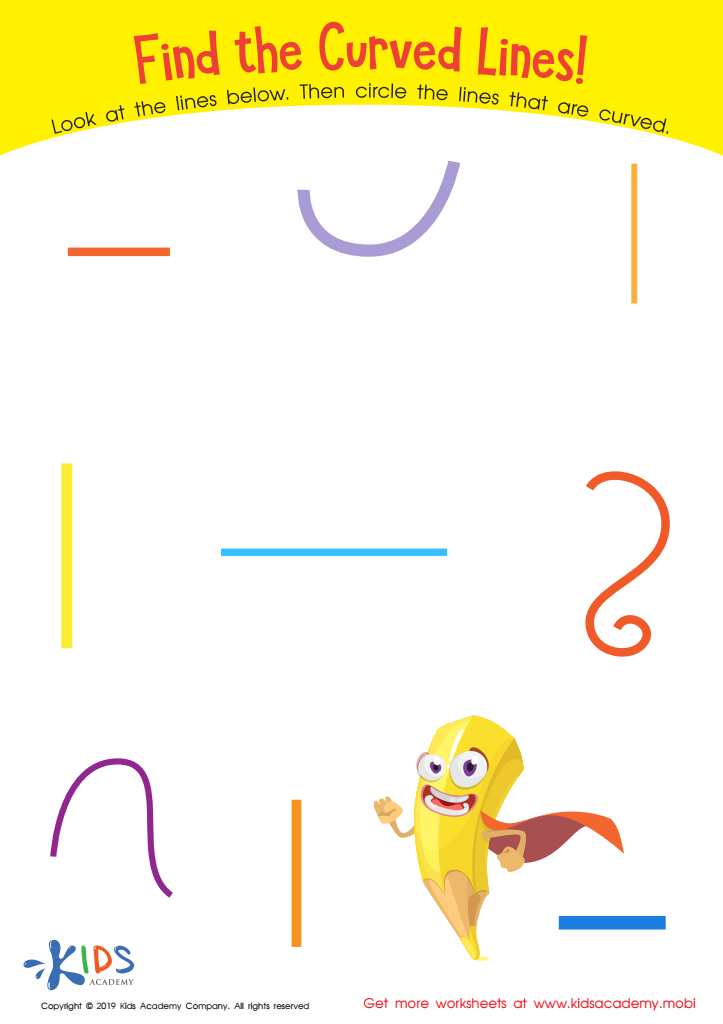
Find the Curved Lines! Worksheet
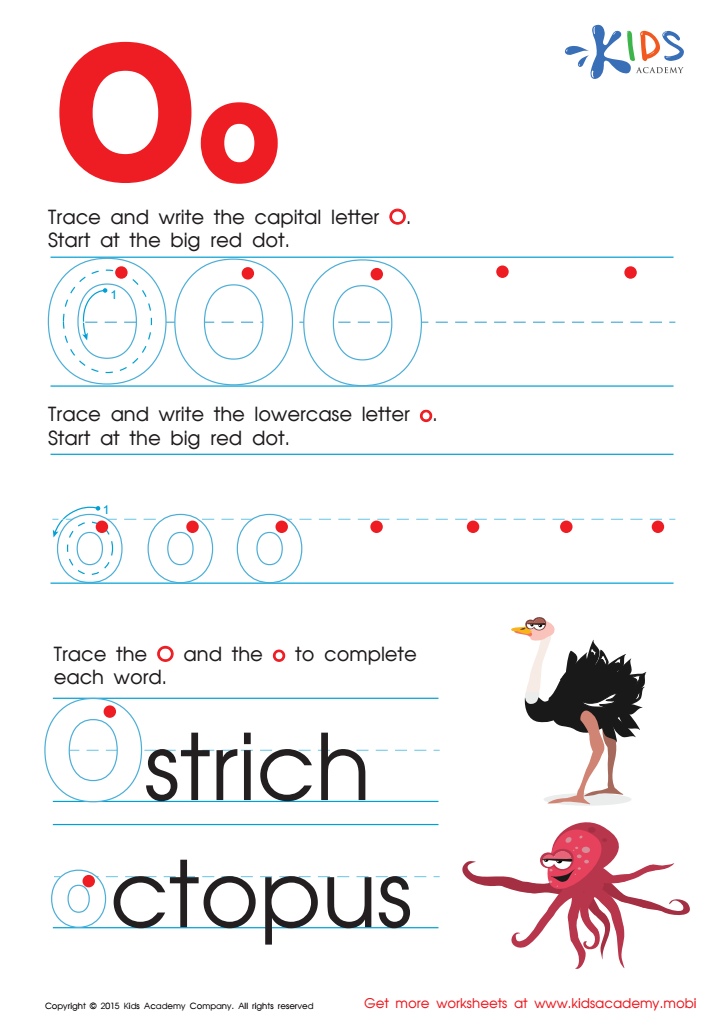
Letter O Tracing Page
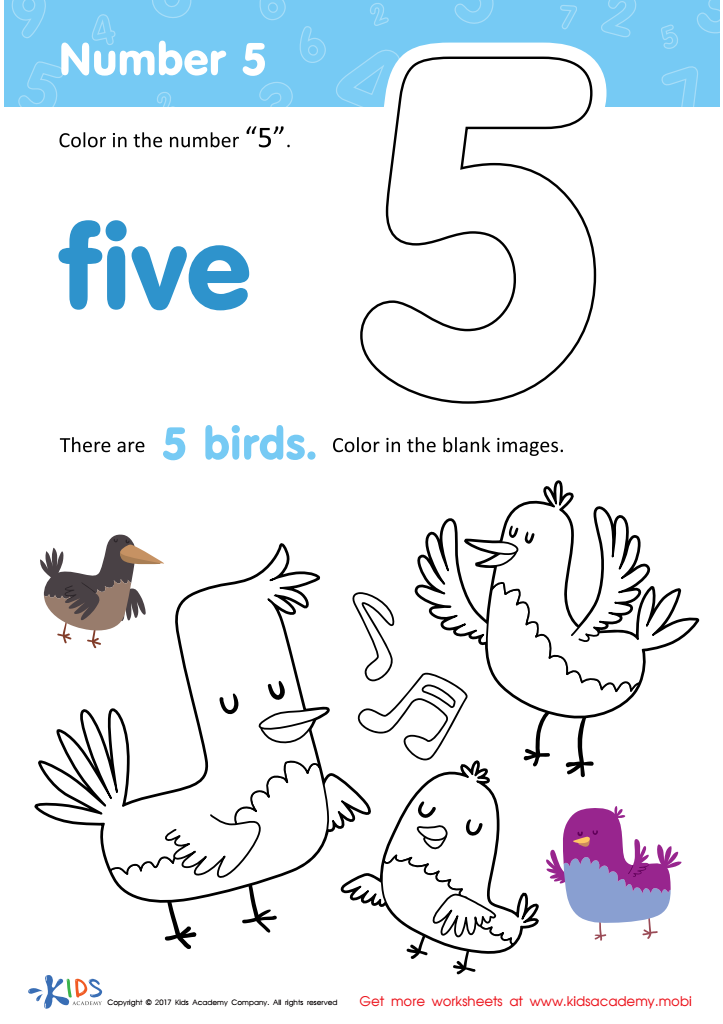
Number 5 Printable
Assign to My Students
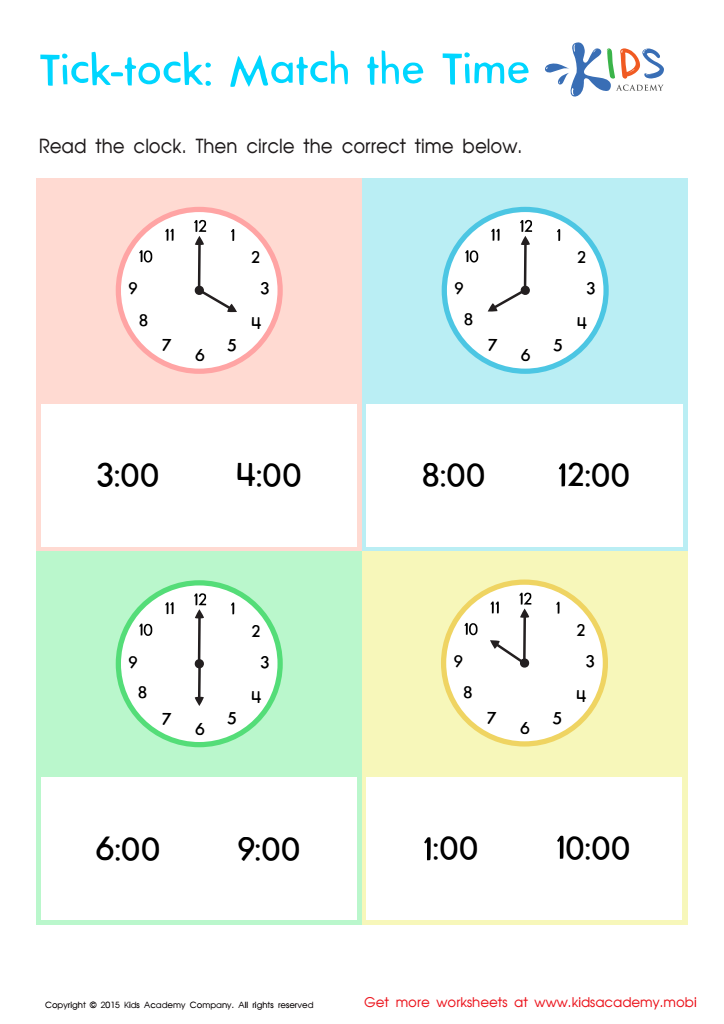
Telling The Time Worksheet: Part 4
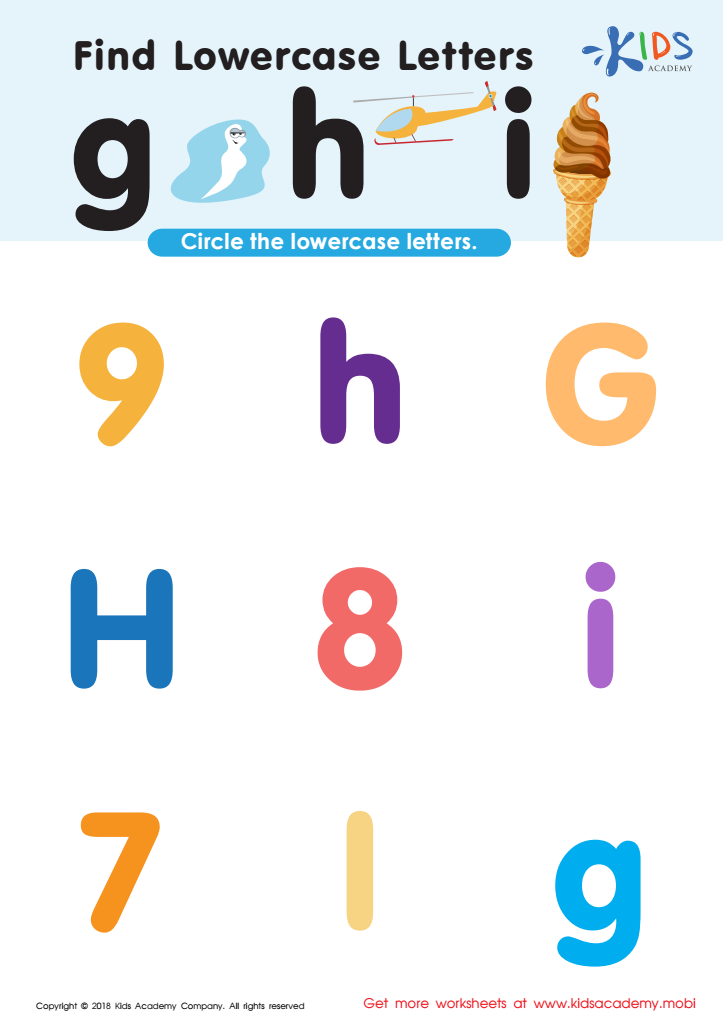
Find Lowercase Letters g h i Worksheet
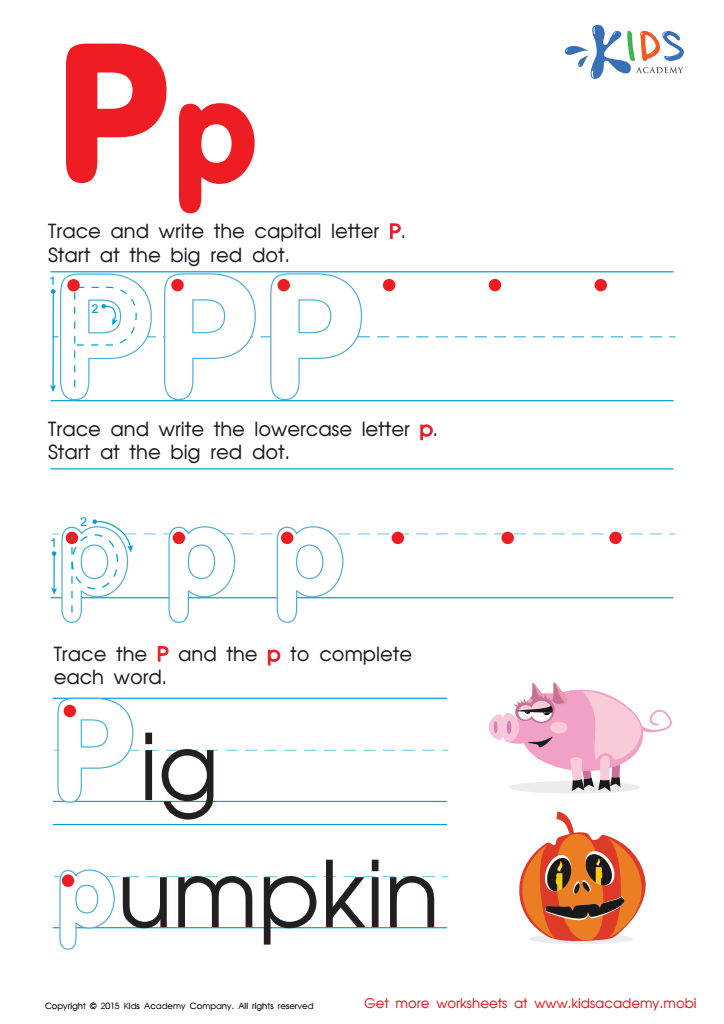
Letter P Tracing Page
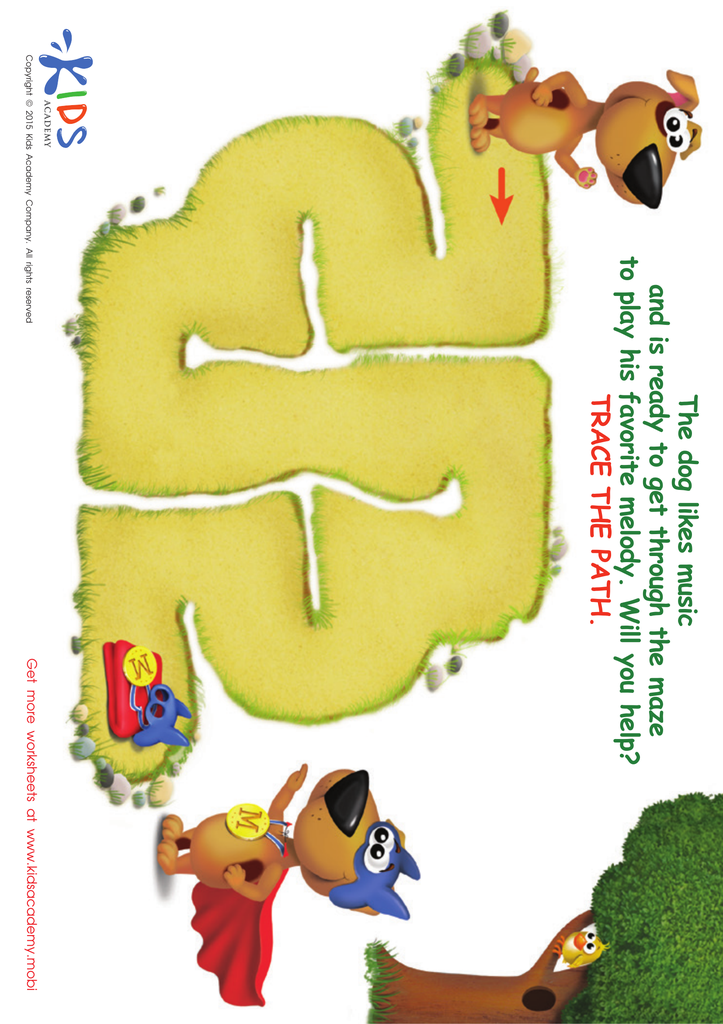
Superman Maze Worksheet
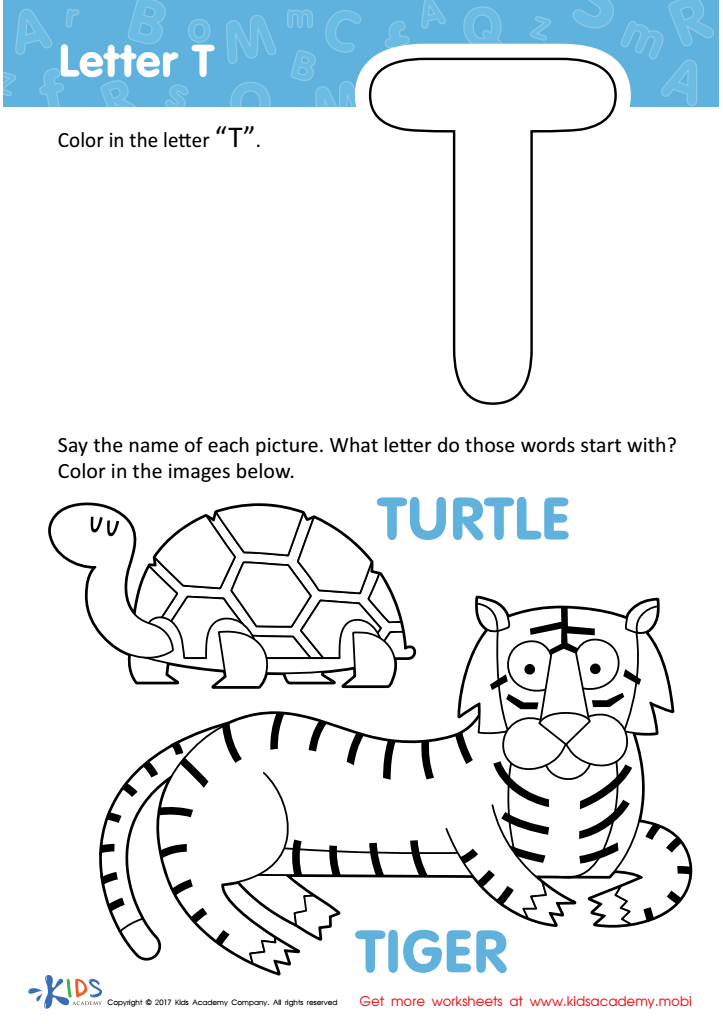
Letter T Coloring Sheet
Assign to My Students
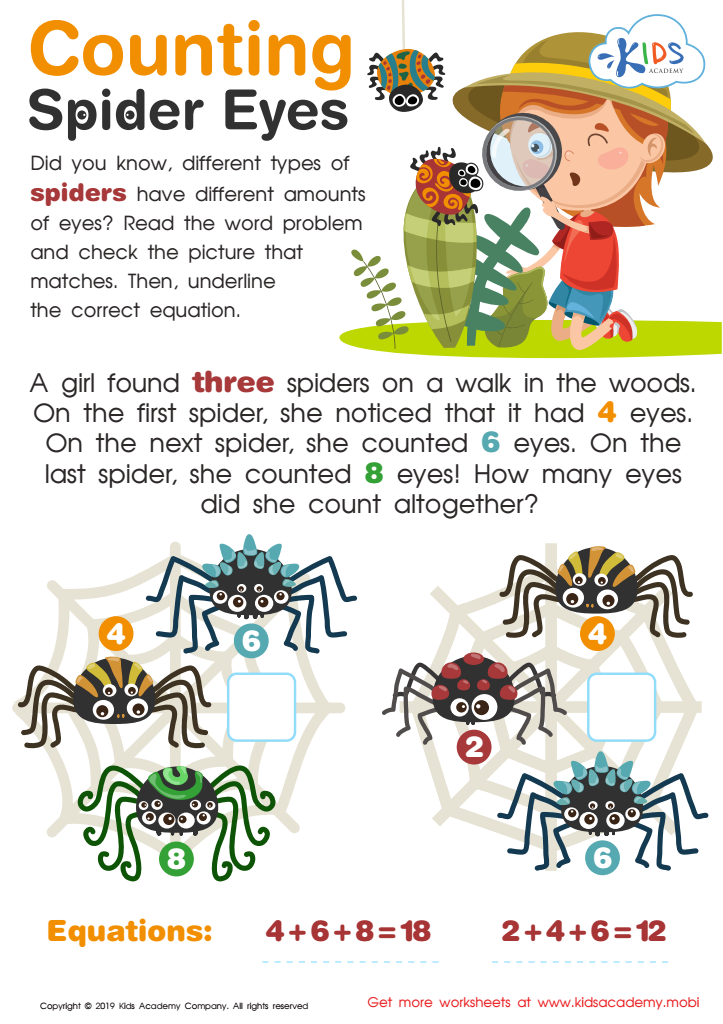
Counting Spider Eyes Worksheet



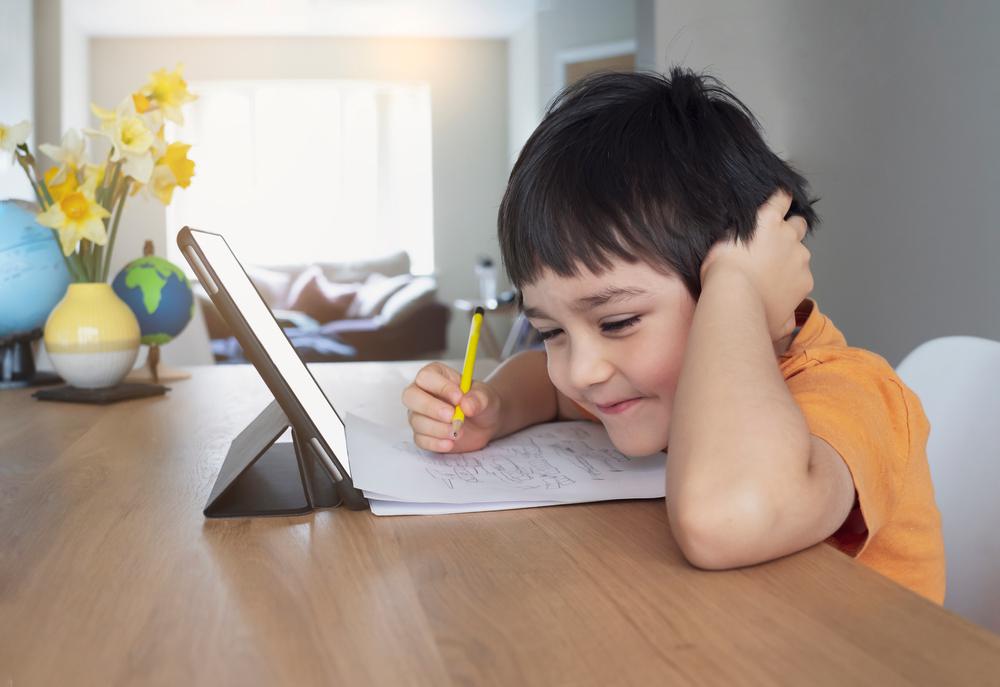




Hand-eye coordination is a crucial developmental skill for children ages 4-8, serving as the foundation for future academic and physical activities. It involves the synchronized control of eye movement with hand movements, enabling children to perform tasks smoothly and efficiently. For young learners, honing this skill is essential for several reasons.
Firstly, hand-eye coordination is vital for fine motor skills development. Activities such as writing, drawing, and cutting with scissors directly depend on the ability to coordinate hand movements with what the eyes are seeing. Proficiency in these fine motor skills prepares children for classroom tasks and academic success.
Secondly, it improves physical health and activity levels. Sporting activities—like catching a ball, playing tag, or even simple exercises—require coordination that develops muscular strength and overall fitness. Encouraging active playtime can also foster a love for physical activity, reducing the risk of childhood obesity.
Moreover, good hand-eye coordination boosts self-esteem and confidence. Mastery over tasks such as tying shoelaces or buttoning a shirt makes children feel accomplished, fostering independence and self-reliance.
Lastly, it enhances cognitive development. Coordinated activities often involve problem-solving and critical thinking, enriching learning experiences and equipping children with essential life skills.
In sum, prioritizing hand-eye coordination during these formative years lays a strong foundation for broad-reaching developmental benefits.








