Handwriting practice Worksheets for Ages 4-8 - Page 4
96 filtered results
-
From - To
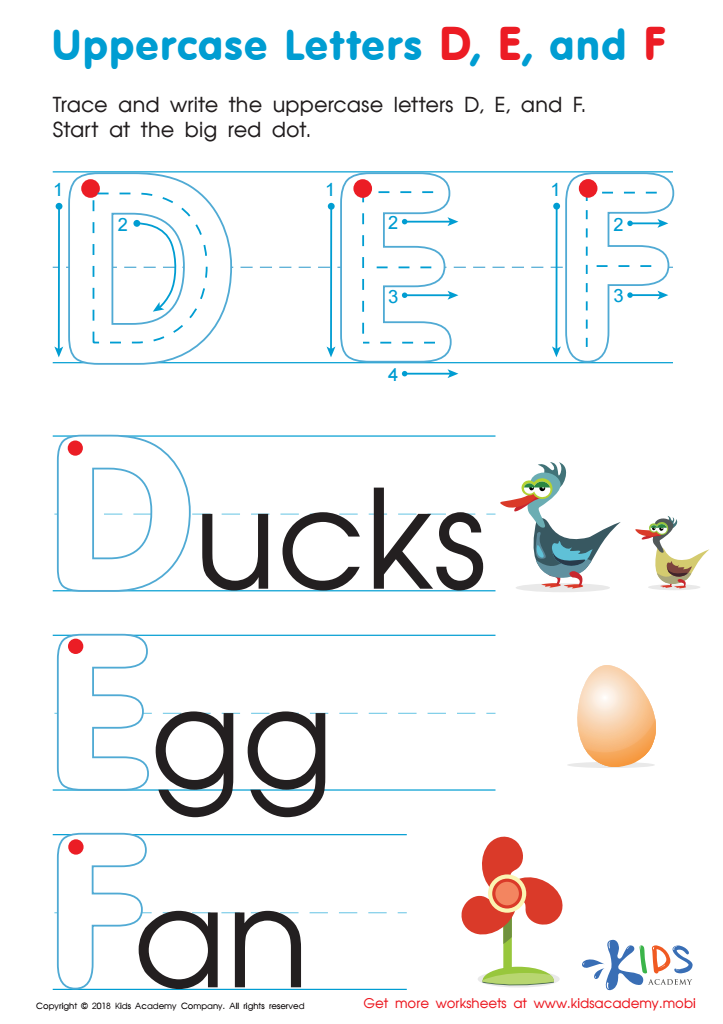
Uppercase Letters D, E, and F Worksheet
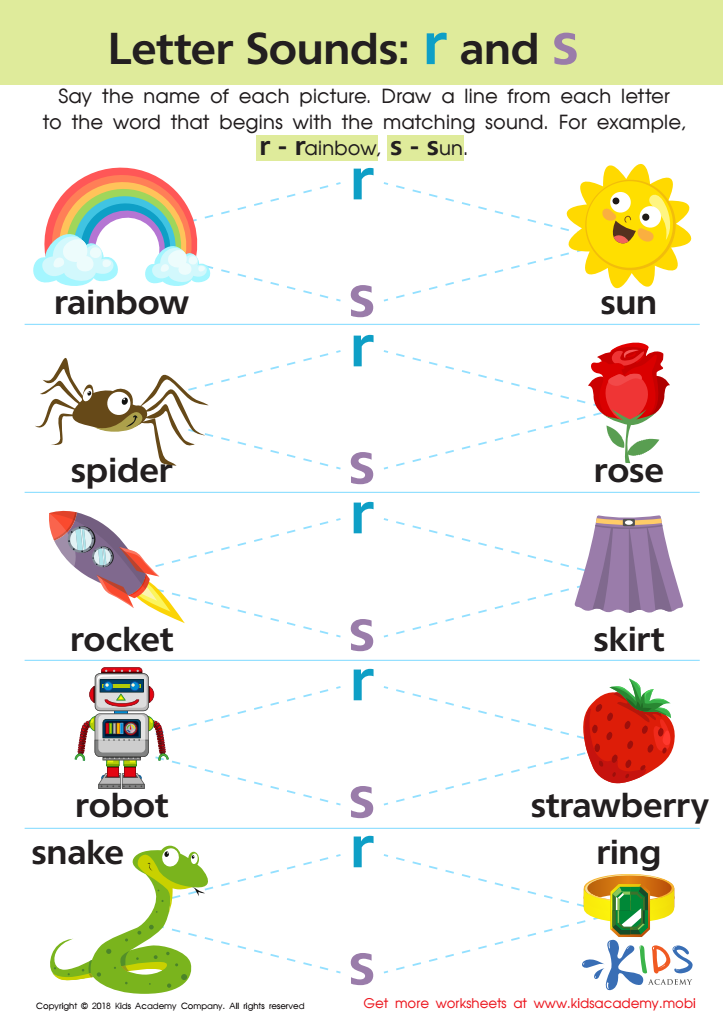
Letter R and S Sounds Worksheet

Brown Tracing Color Words Worksheet
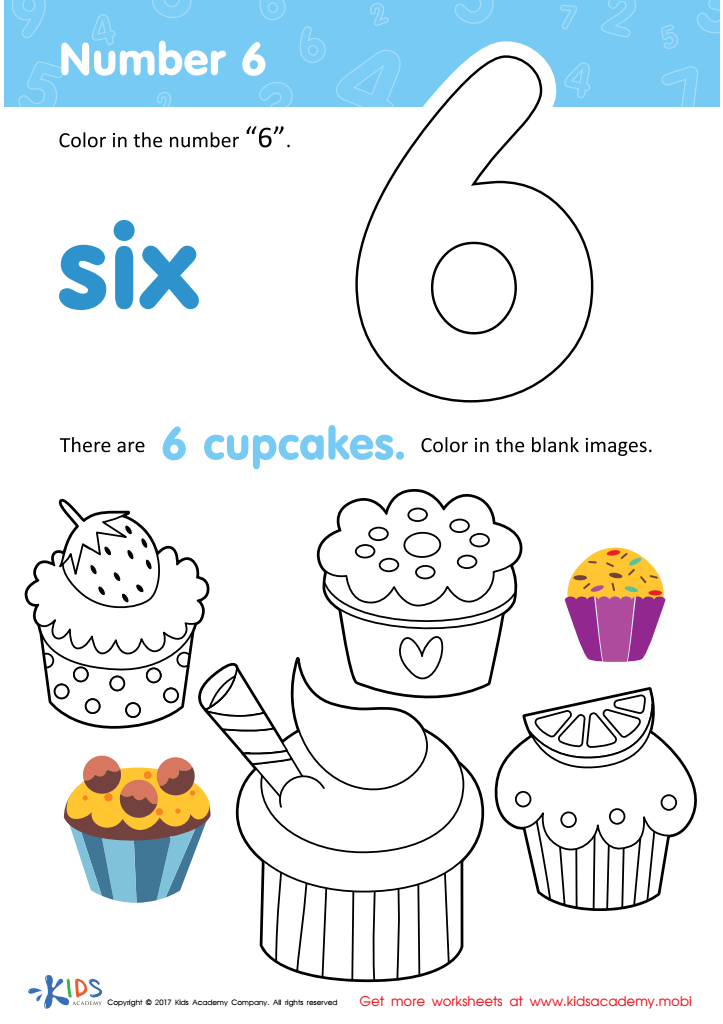
Number 6 Worksheet
 Assign to My Students
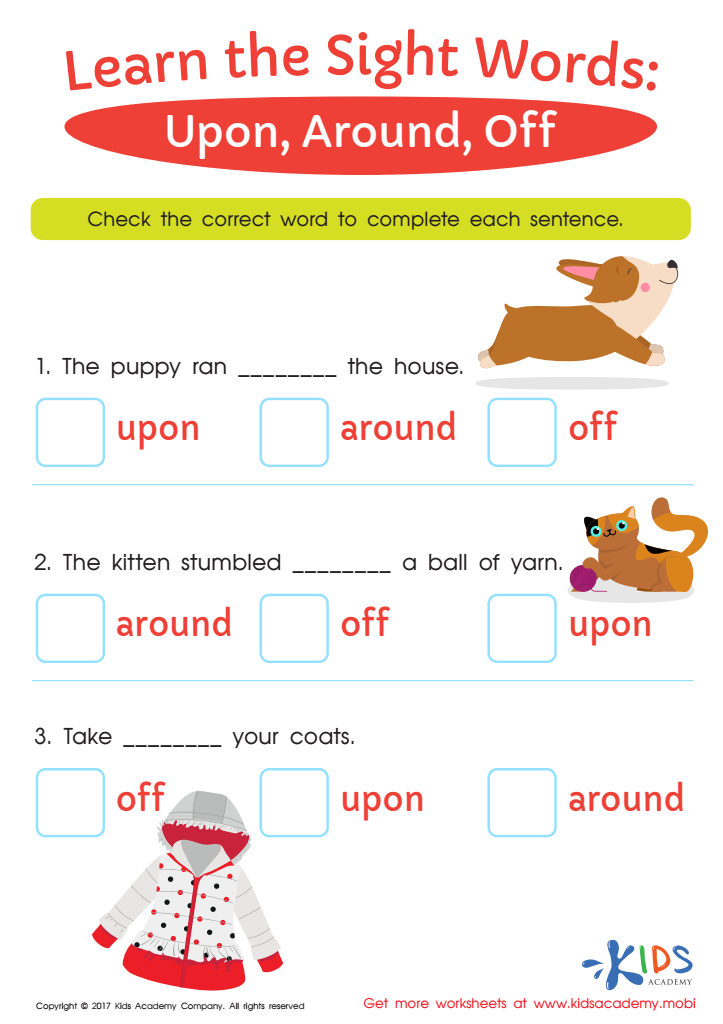
Upon, Around, Off Sight Words Worksheet
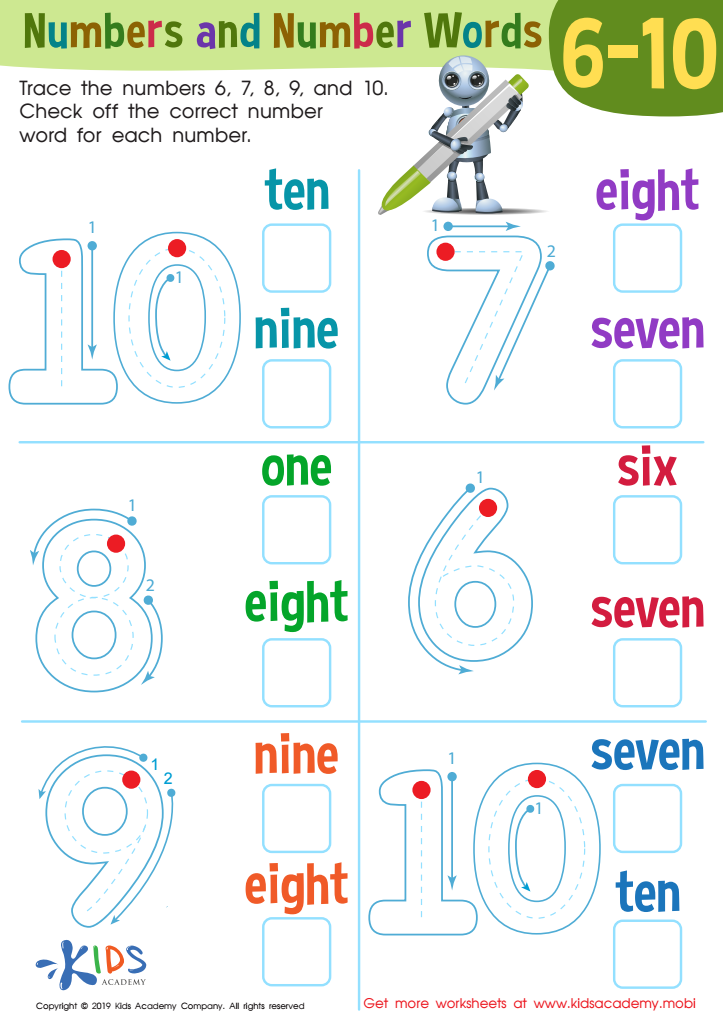
Numbers and Number Words 6–1 Worksheet
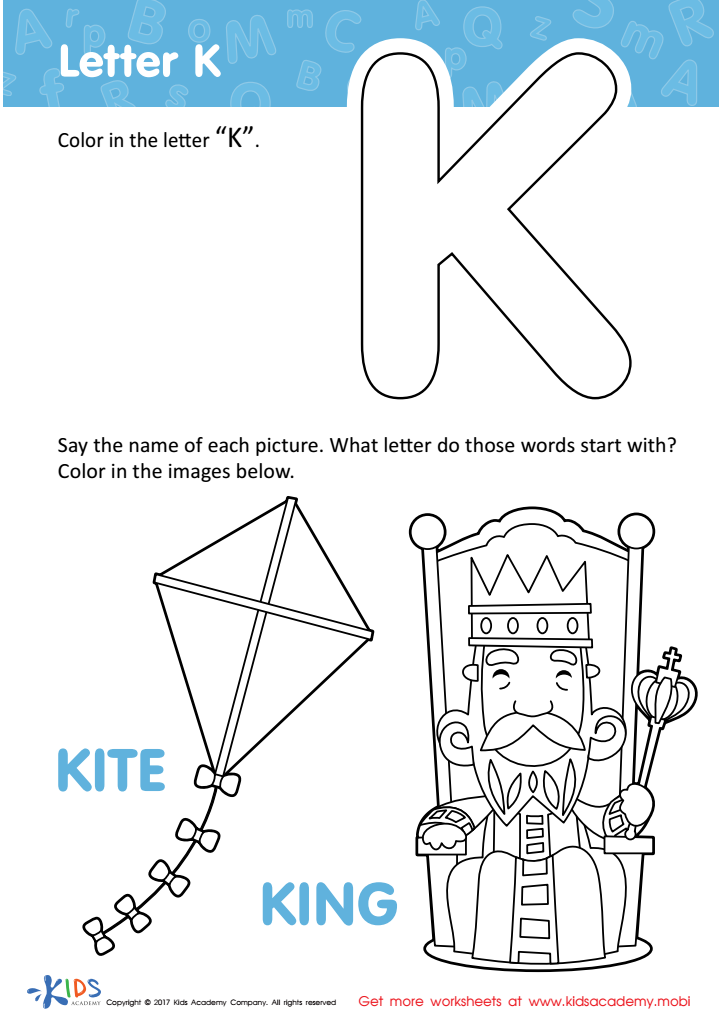
Letter K Coloring Sheet
Assign to My Students
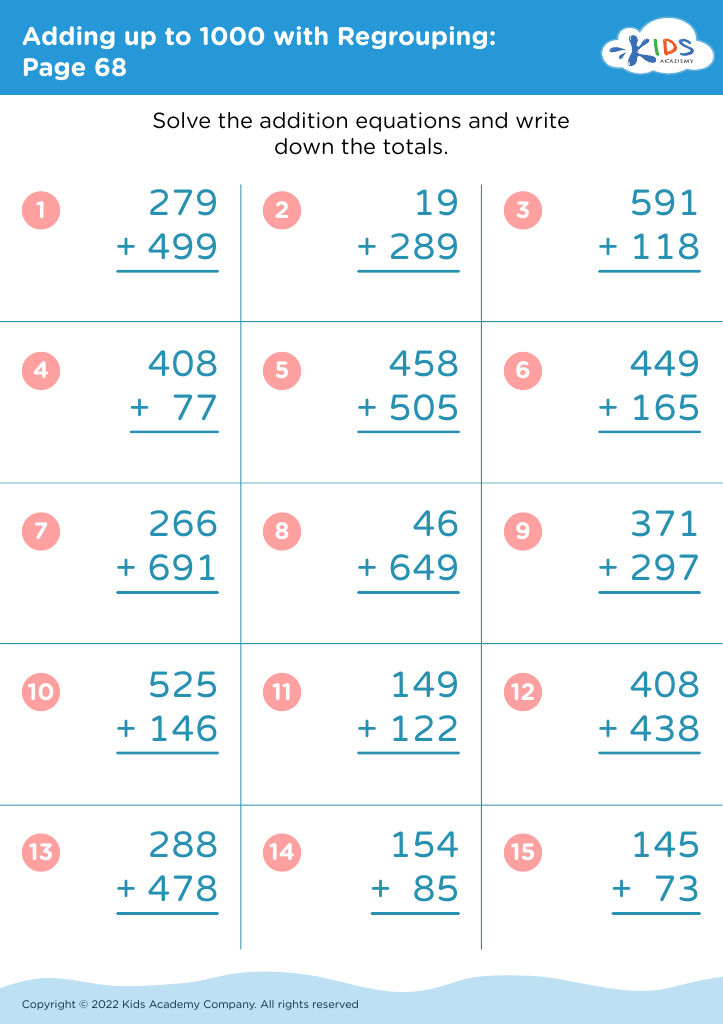
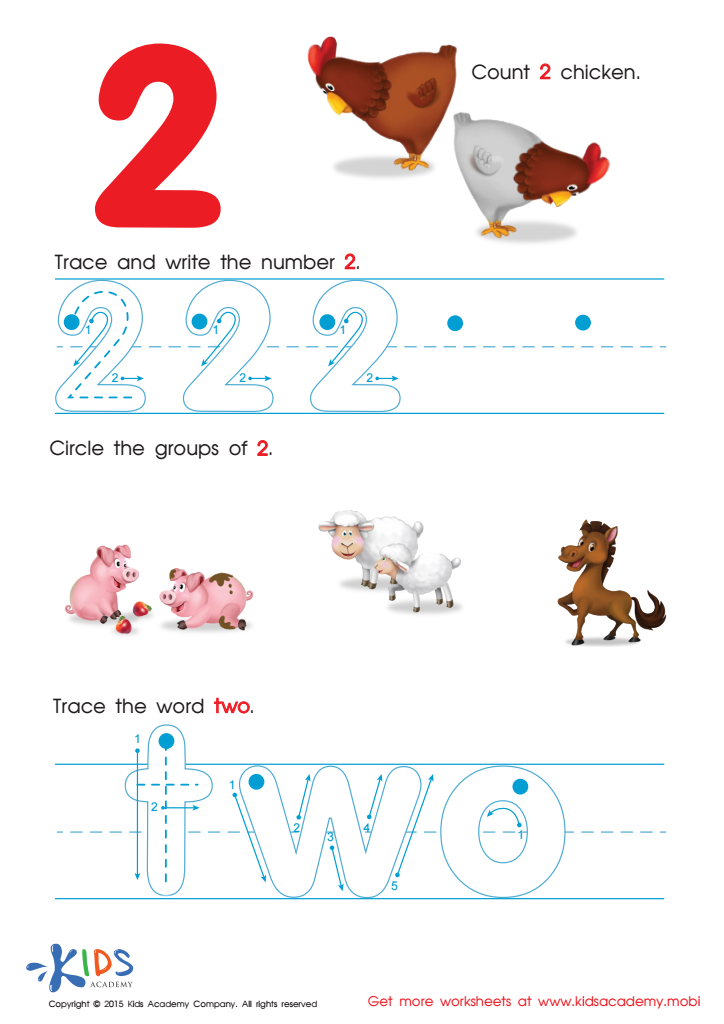
Learn to Write the Number 2 Worksheet

Count the Mushrooms and Trace the Number 3 Printable
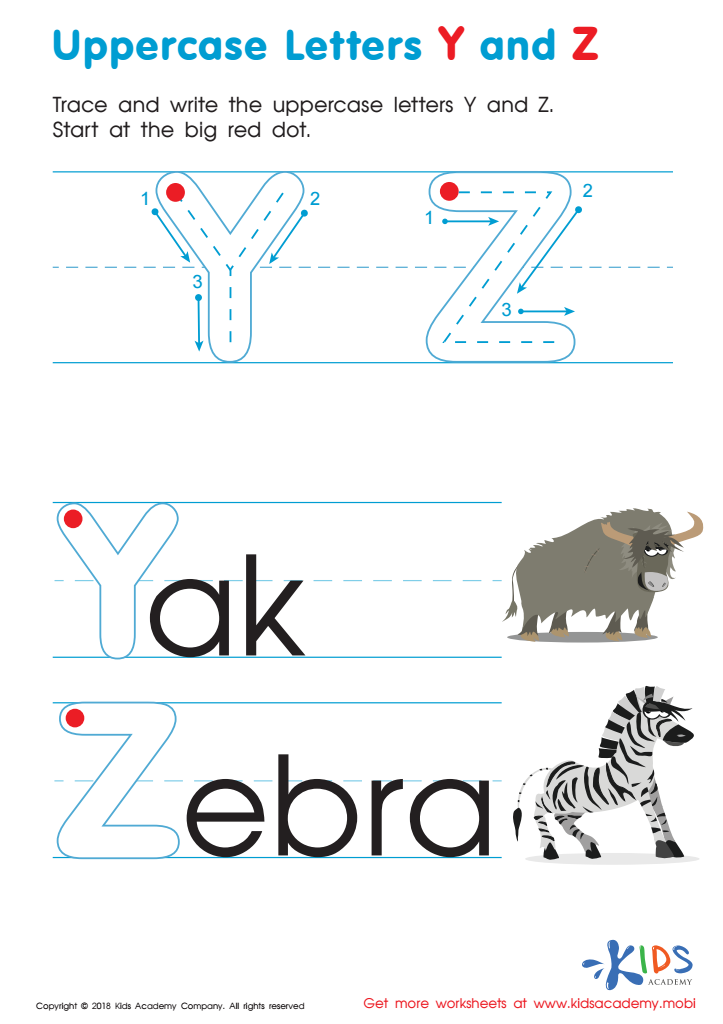
Uppercase Letters Y Z Worksheet
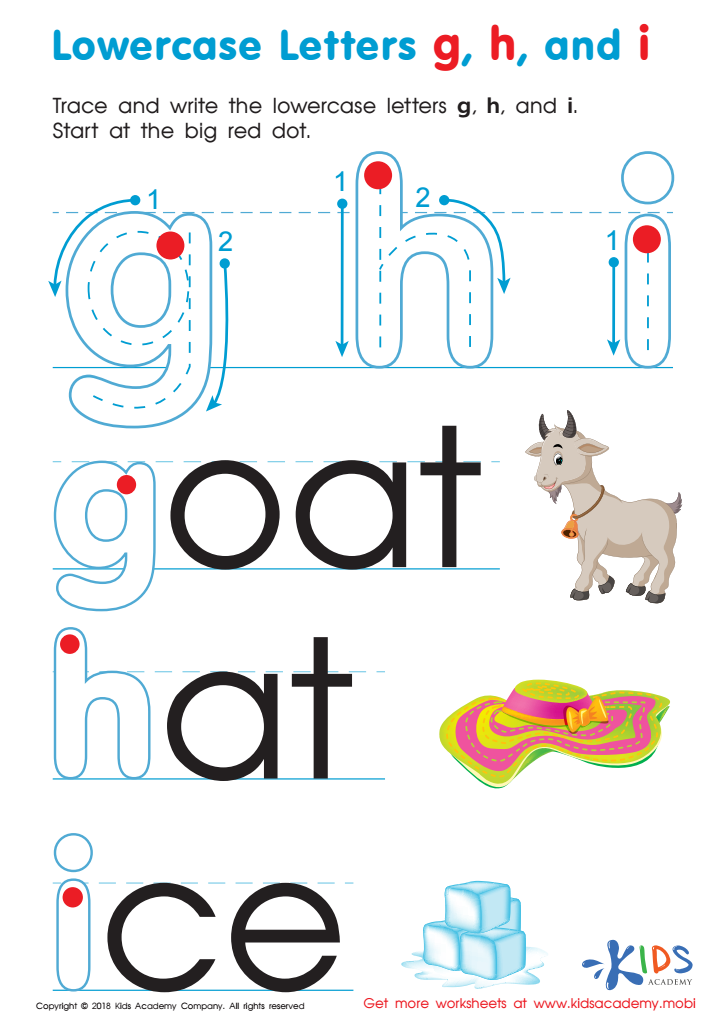
Lowercase Letters g h i Worksheet
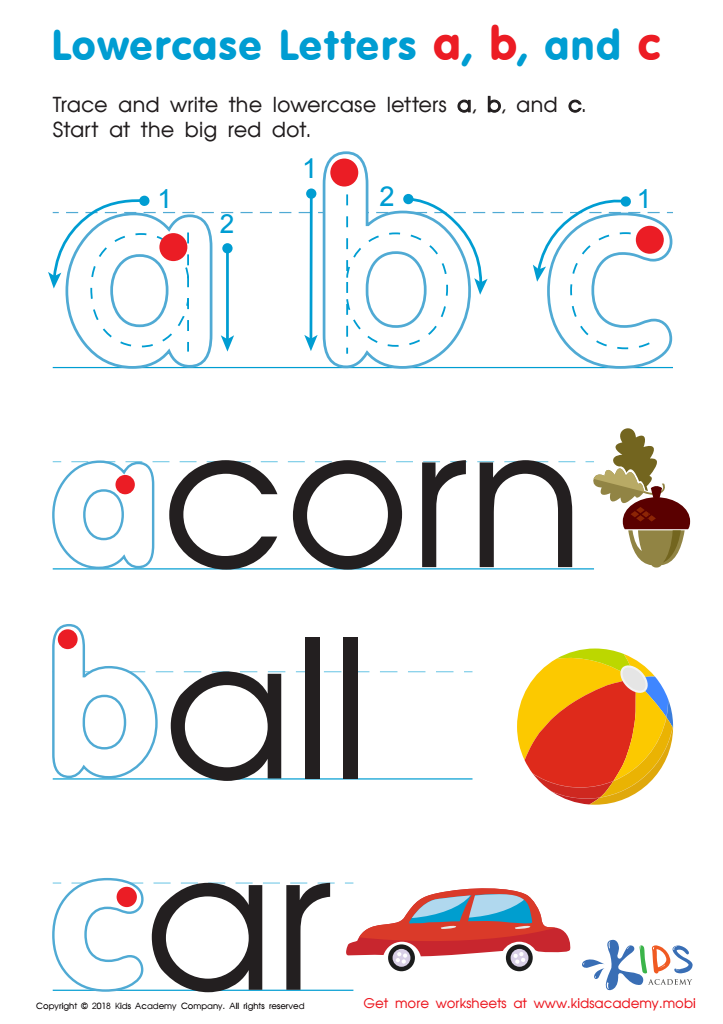
Lowercase Letters a b c Worksheet
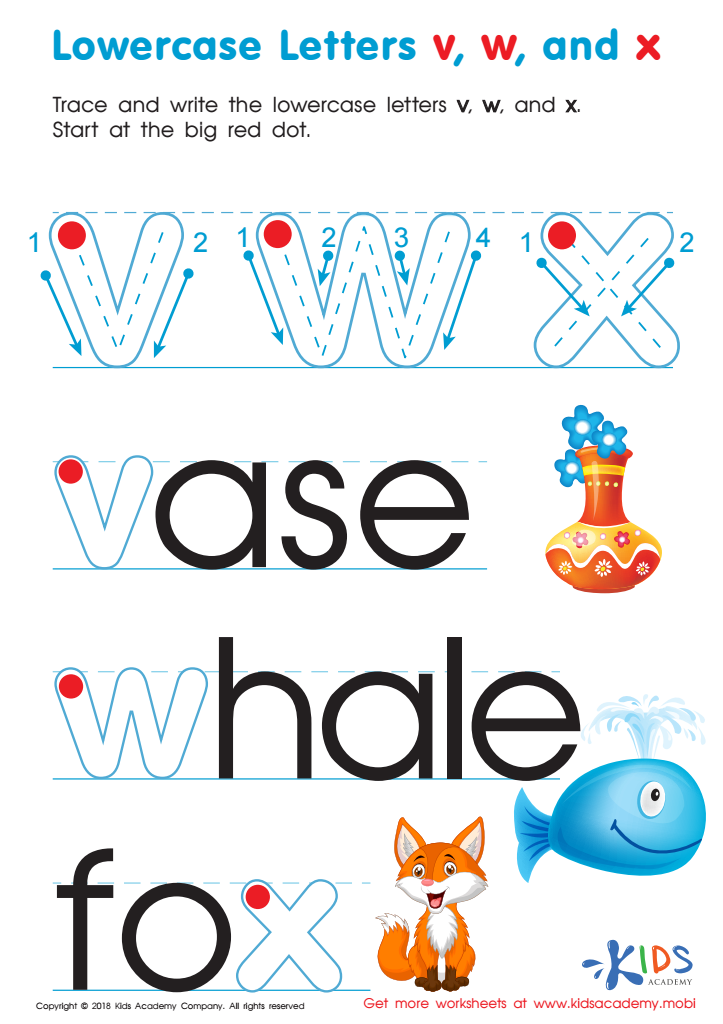
Lowercase Letters v w x Worksheet
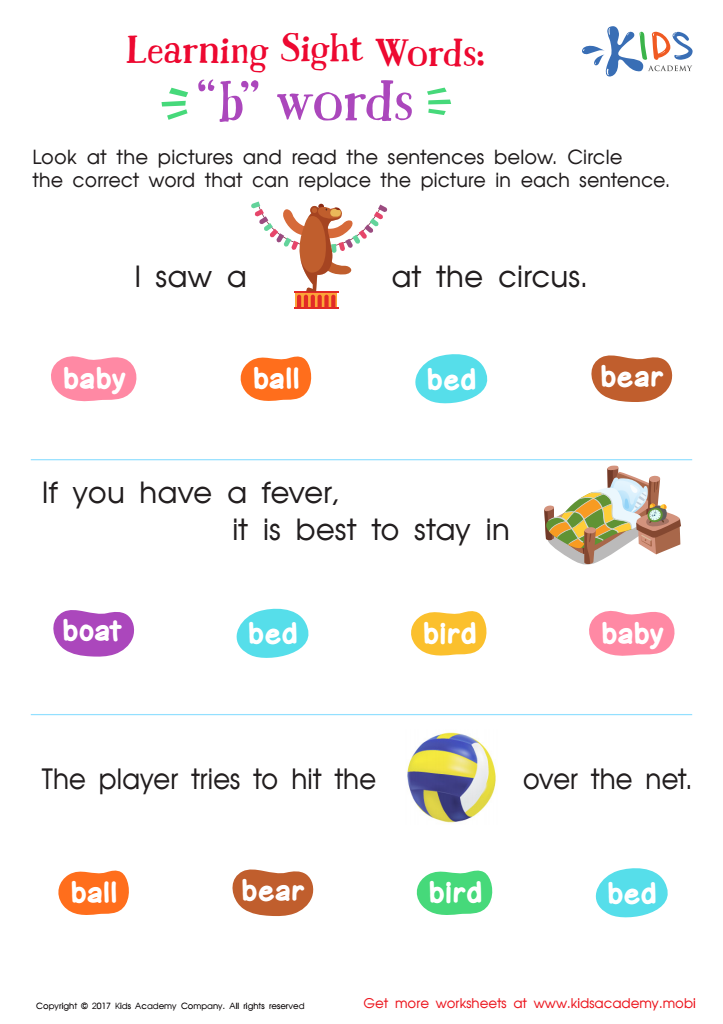
"B" Words Printable Sight Words Worksheet
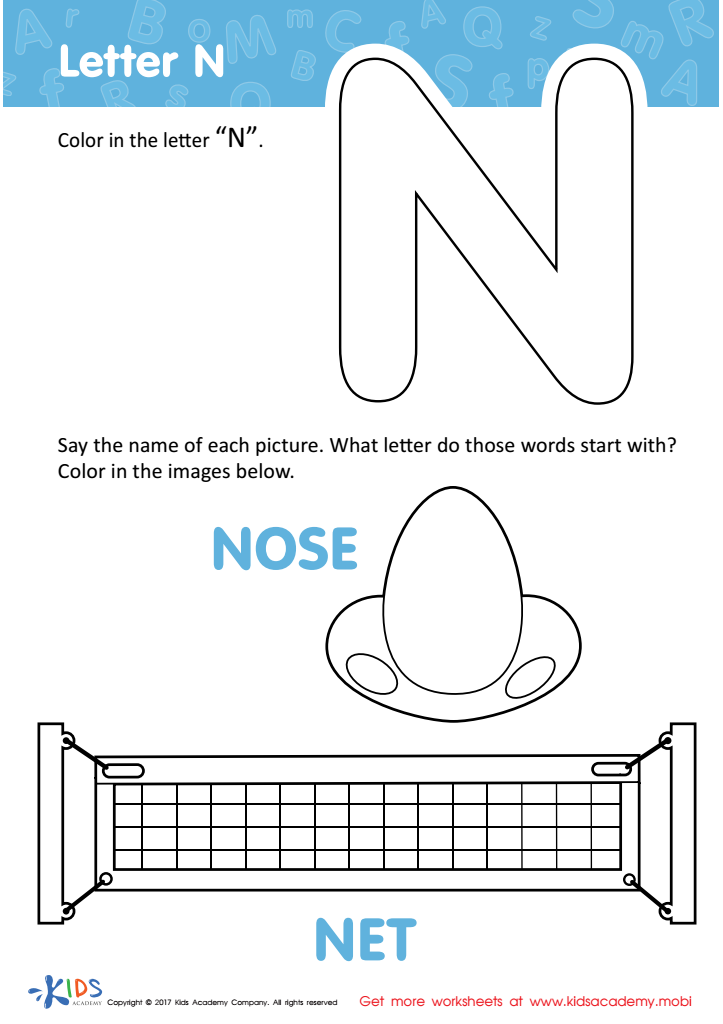
Letter N Coloring Sheet
Assign to My Students
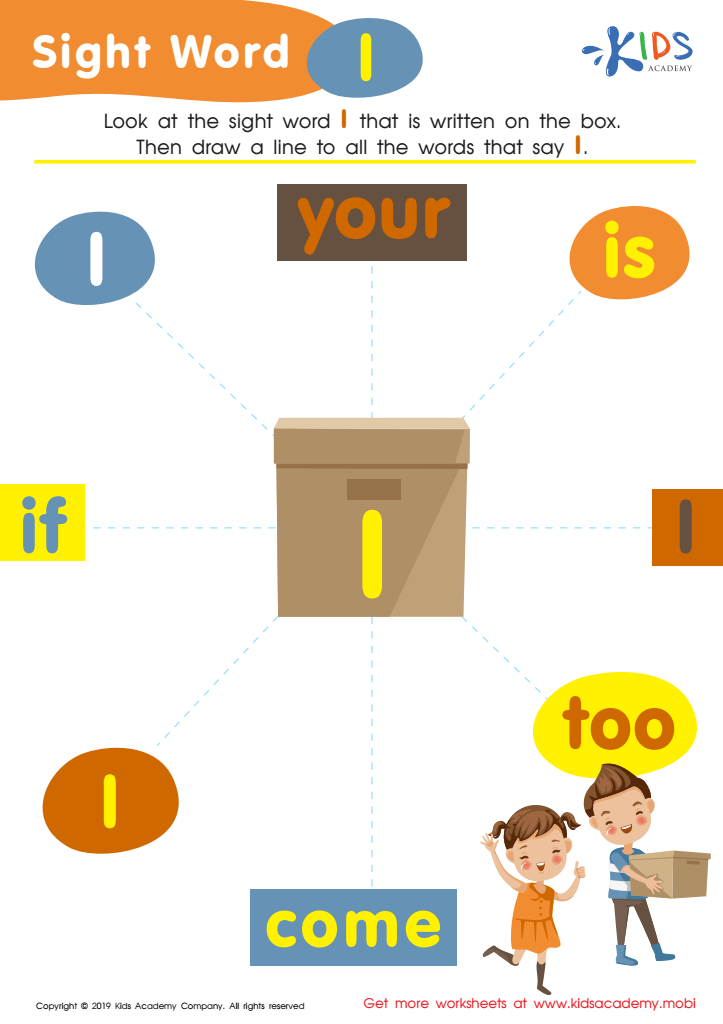
Sight Word I Worksheet
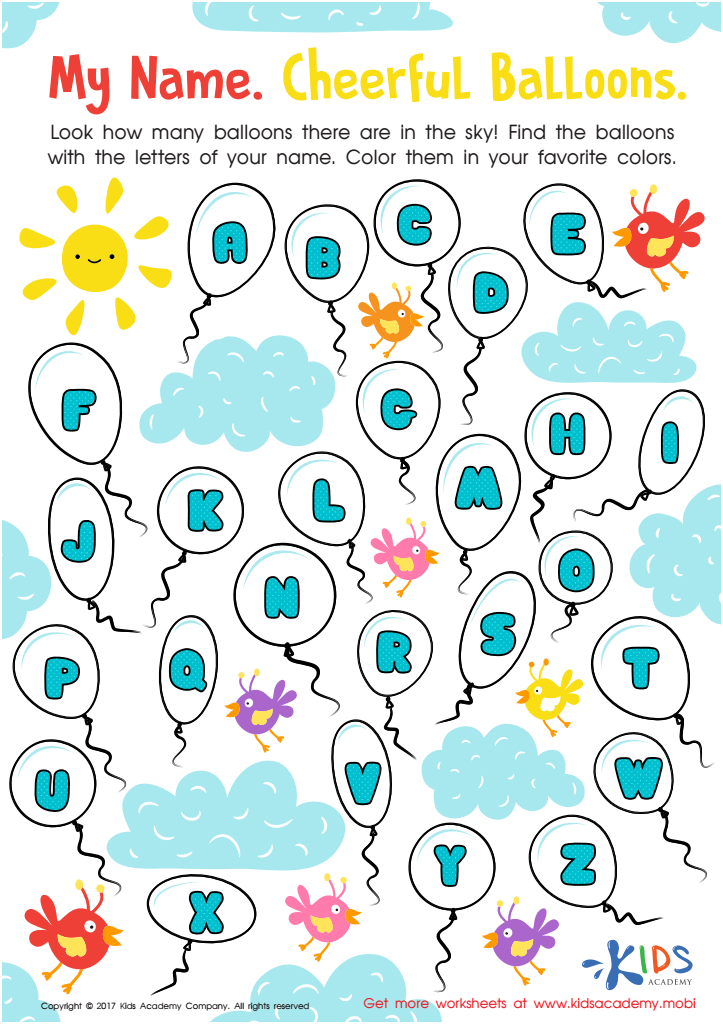
My Name: Cheerful Balloons Worksheet
Assign to My Students
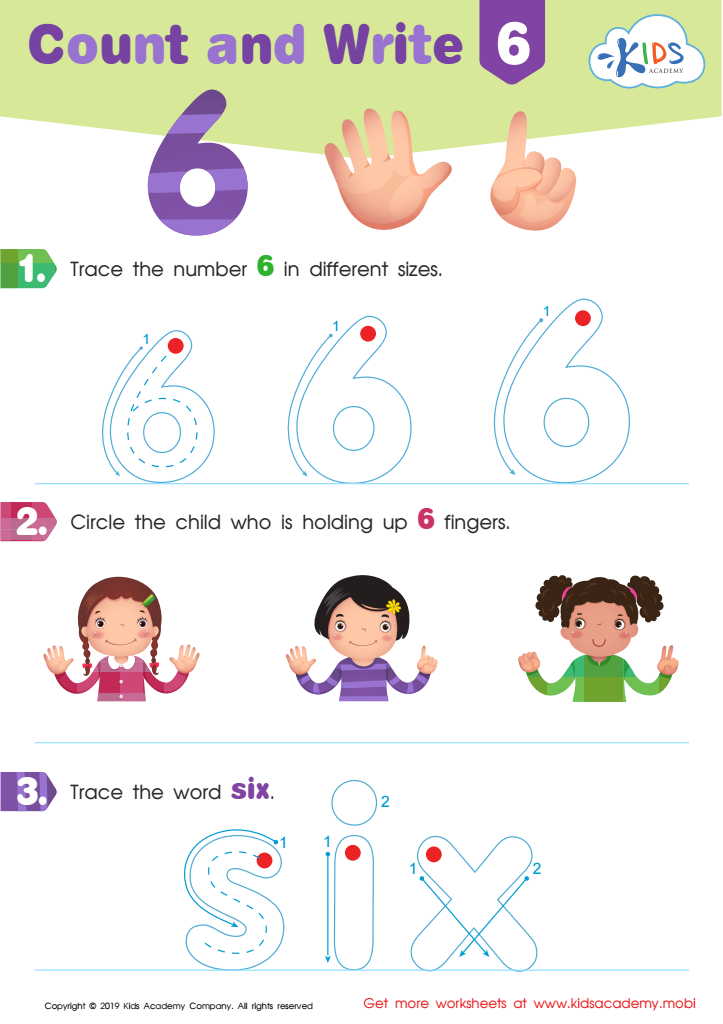
Count and Write 6 Worksheet
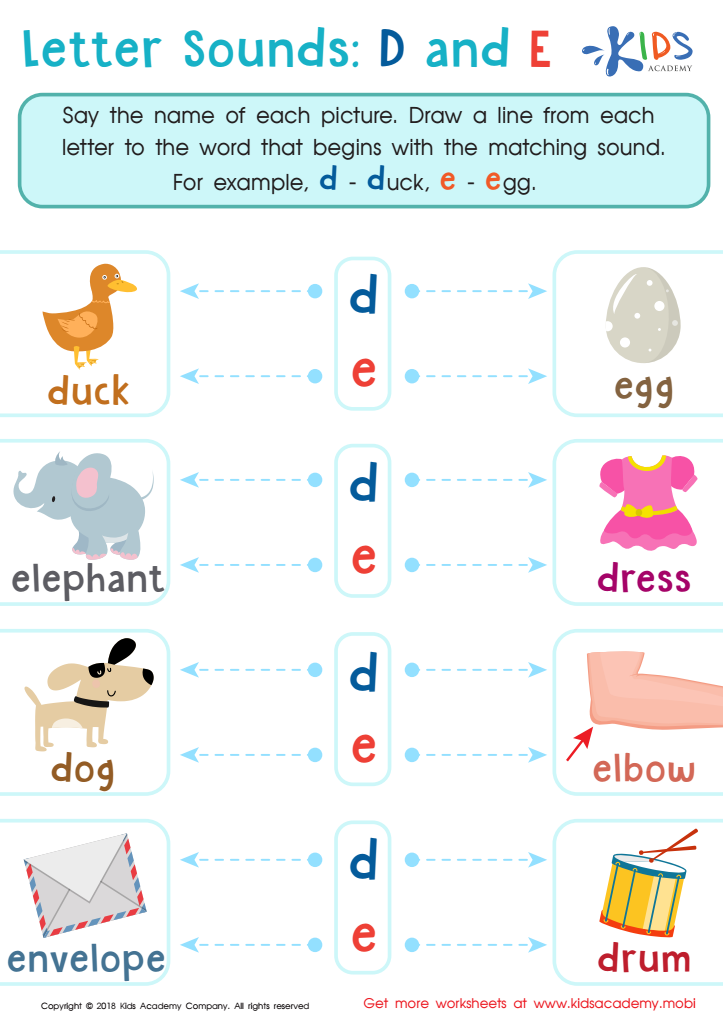
Letter D and E Sounds Worksheet
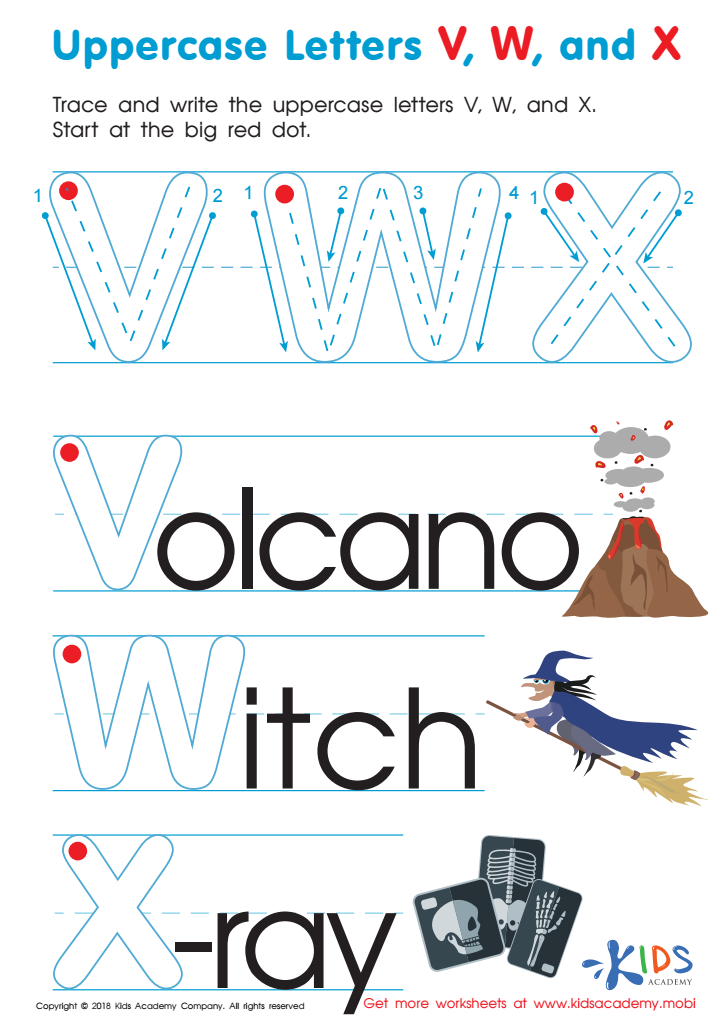
Uppercase Letters V, W, and X Worksheet
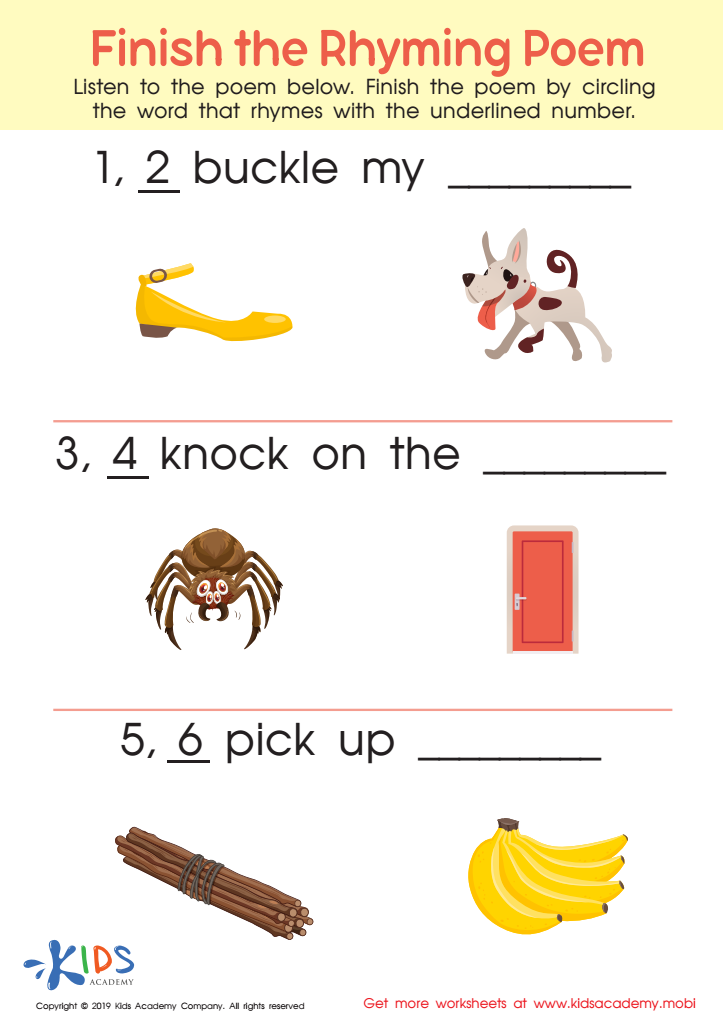
Finish Rhyming Poem Worksheet
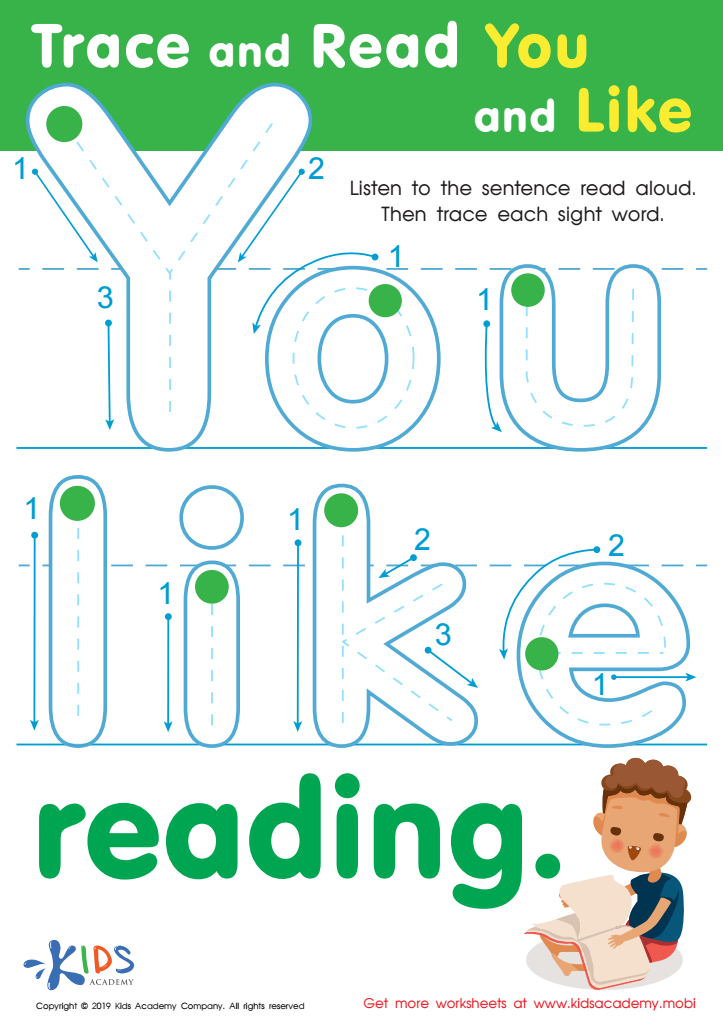
Trace Read You Like Worksheet
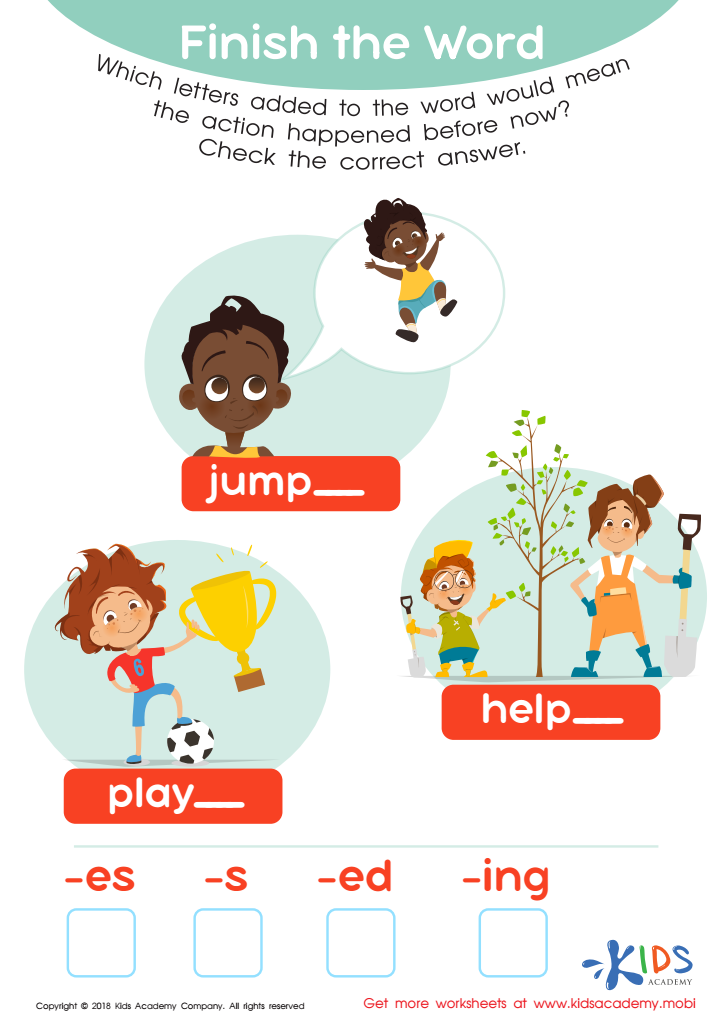
Finish the Word Worksheet








Handwriting practice for children aged 4-8 is crucial for several reasons. First, it fosters fine motor skills, enhancing a child's hand-eye coordination and dexterity. These physical skills are foundational, not just for writing, but for many daily tasks they will encounter throughout life.
Secondly, handwriting encourages cognitive development. When children practice forming letters and words, they engage in critical thinking and memory retention. This process helps improve their literacy skills, allowing them to comprehend and articulate their thoughts effectively.
Additionally, handwriting fosters creativity and self-expression. As children learn to write, they gain the tools to share their ideas, stories, and feelings, boosting their confidence and self-esteem in communication.
Moreover, proficient handwriting can significantly impact academic performance. Children who struggle with writing may feel frustration, potentially hindering their love for learning. By emphasizing handwriting practice, parents and teachers can mitigate these challenges, setting a positive tone for educational experiences.
Finally, practice also roots in discipline and perseverance, traits valuable in all areas of life. Encouraging children to invest effort in their handwriting cultivates a growth mindset, preparing them for future challenges. Therefore, prioritizing handwriting practice is essential for holistic development.








