Identify colors Worksheets for Ages 4-8
4 filtered results
-
From - To
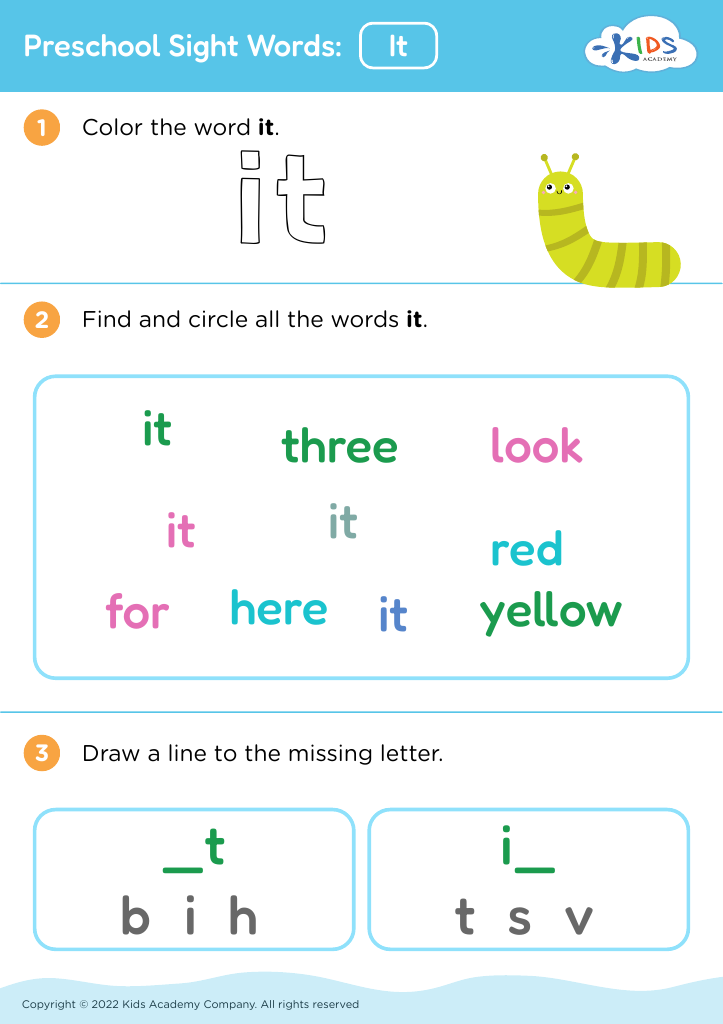
Discover our engaging "Identify Colors Worksheets" designed for children ages 4-8! These worksheets provide a fun and interactive way for young learners to explore and distinguish colors. Each activity encourages creativity while enhancing color recognition skills, making learning enjoyable and effective. With a variety of colorful illustrations and exercises, children will develop their ability to identify and name colors confidently. Perfect for classroom use or at-home learning, these worksheets help foster early childhood education while supporting key developmental milestones. Download now to inspire your little ones to explore the vibrant world of colors! Ideal for parents and teachers alike!
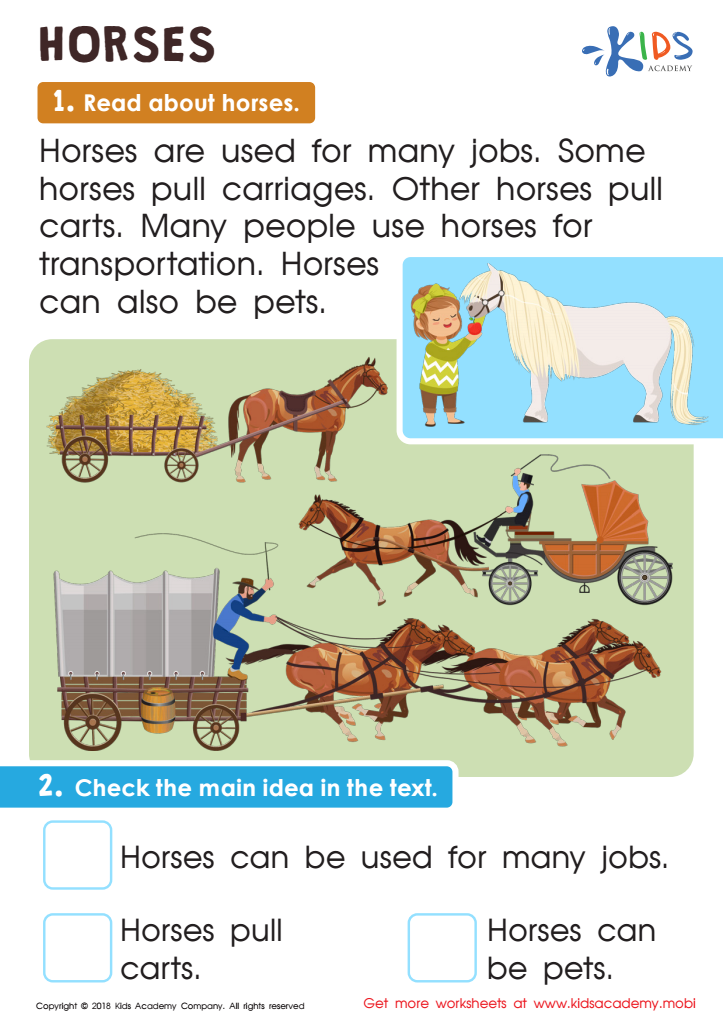
Horses Worksheet
 Assign to My Students







%20(1).jpg)
Identifying colors is a foundational skill that plays a crucial role in early childhood development and learning. For children aged 4-8, recognition and understanding of colors extend beyond aesthetics; they enhance cognitive abilities, language development, and critical thinking skills. When kids learn to differentiate between colors, they also improve their observation skills, allowing them to describe and classify items in their environment.
Moreover, colors are linked to emotions and can help children express how they feel. For instance, discussing colors can foster creativity and imagination, as children often use colors to describe their world when drawing or creating art. Understanding colors also lays the groundwork for more complex subjects such as math and science, where concepts relate to patterns and categorization.
In social contexts, discussing colors helps children navigate group play and interactions. It fosters communication skills as they share preferences or talk about their favorite colors. Therefore, both parents and teachers should prioritize color identification, using playful activities, games, and everyday encounters to nurture this essential skill, paving the way for a well-rounded and enriching educational experience. Investing time in this area will support their overall development and equip them with vital lifelong skills.








