Enhance your child’s number recognition skills with our engaging worksheets designed specifically for ages 4-8! At Kids Academy, we provide a variety of interactive printable resources that make learning fun and effective. Our worksheets feature colorful illustrations, exciting activities, and engaging exercises that help young learners identify and understand numbers. Each worksheet is tailored to meet developmental milestones, ensuring your child builds a strong foundation in mathematics. Perfect for home or classroom use, these resources promote critical thinking and boost confidence in young learners. Discover the joy of learning through play with our number recognition worksheets today!
Check out this FREE "Improve number recognition" Trial Lesson for age 4-8!

Sorting Objects into 3 Categories

Favorites
With answer key
Interactive
  • 4-8
  • Improve number recognition
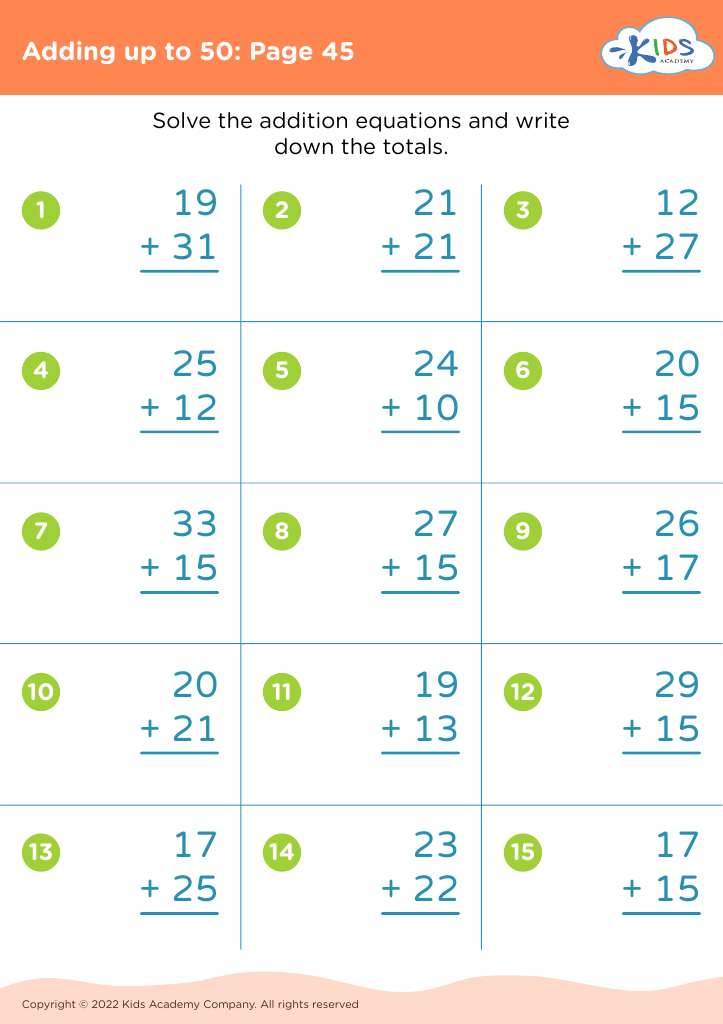
Adding up to 50: Page 45

Adding up to 50: Page 45

Adding up to 50: Page 45
Worksheet
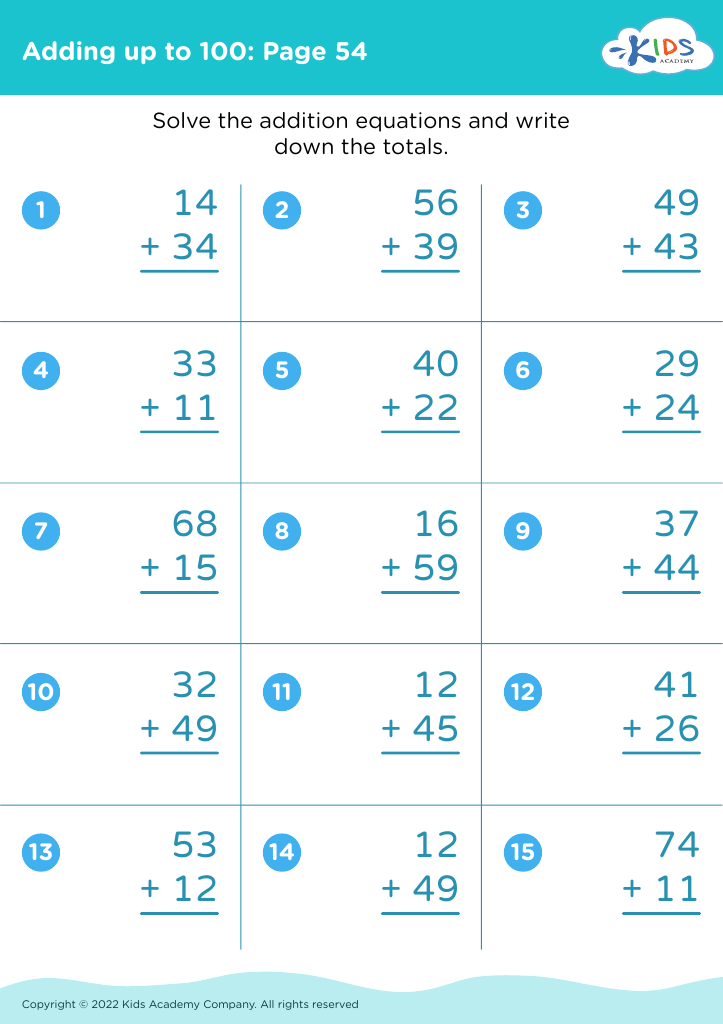
Adding up to 100: Page 54

Adding up to 100: Page 54

Adding up to 100: Page 54
Worksheet
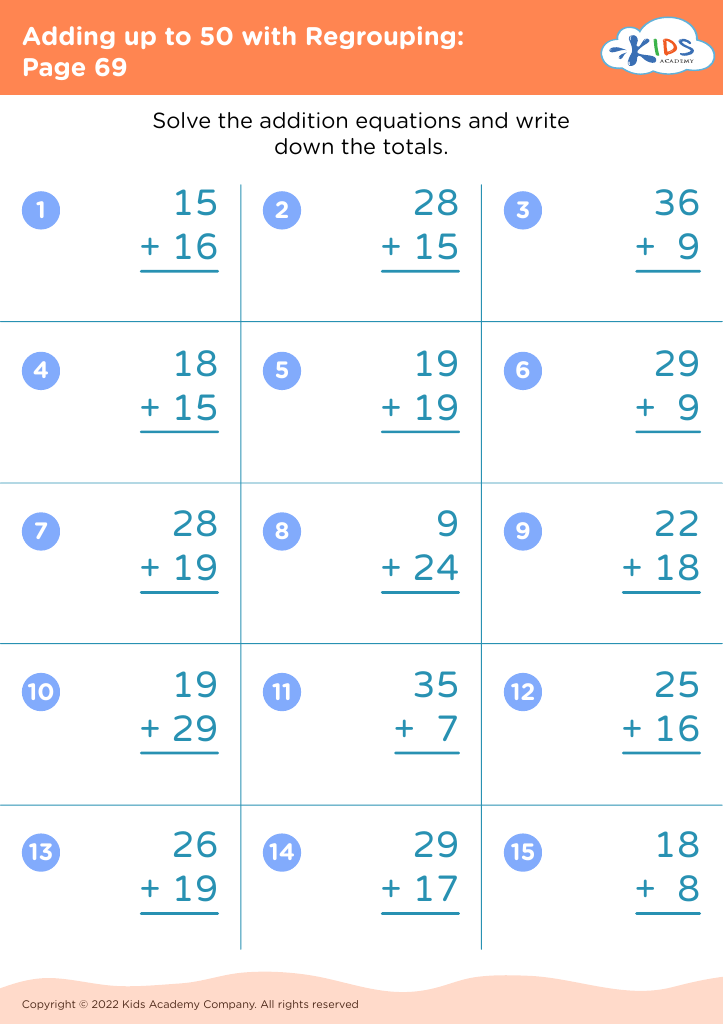
Adding up to 50 with Regrouping: Page 69
Worksheet
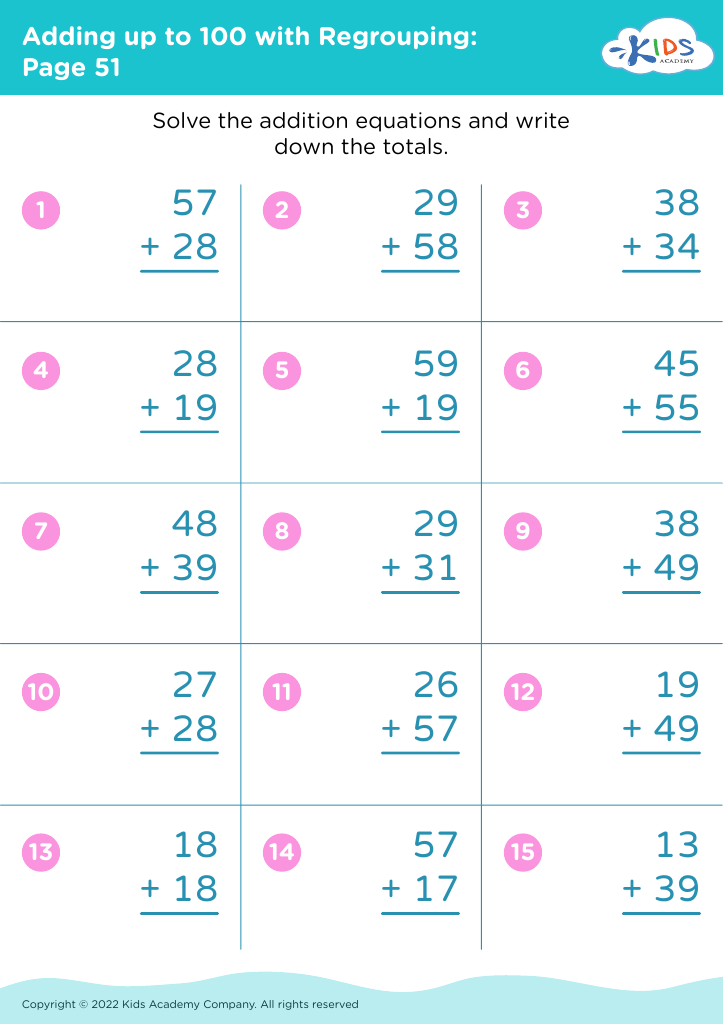
Adding up to 100 with Regrouping: Page 51
Worksheet
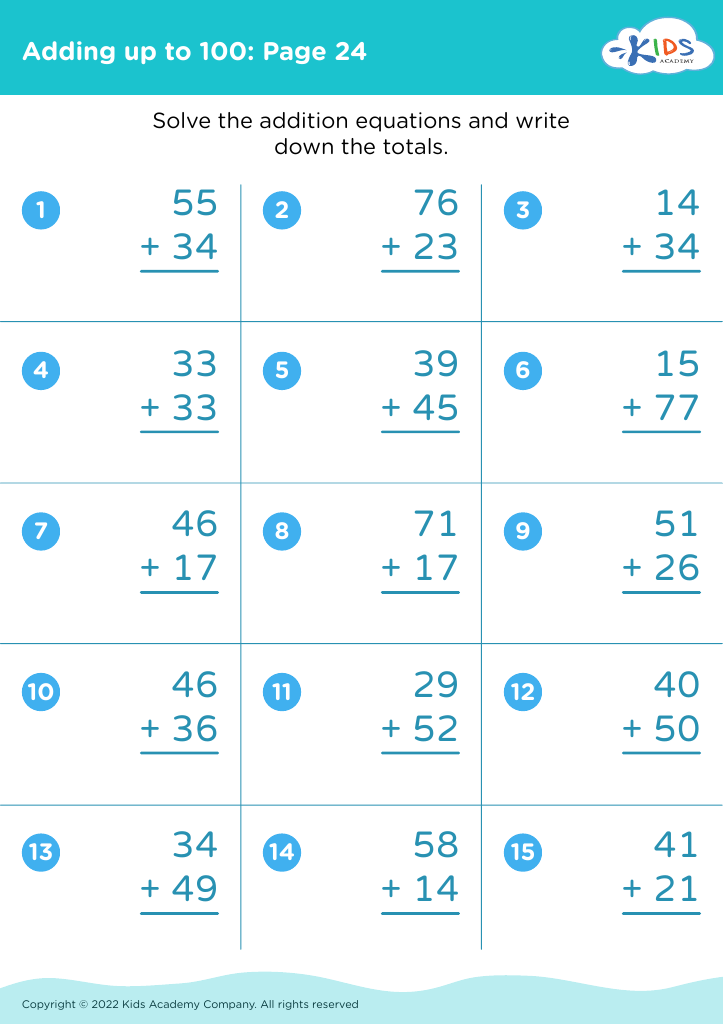
Adding up to 100: Page 24

Adding up to 100: Page 24

Adding up to 100: Page 24
Worksheet
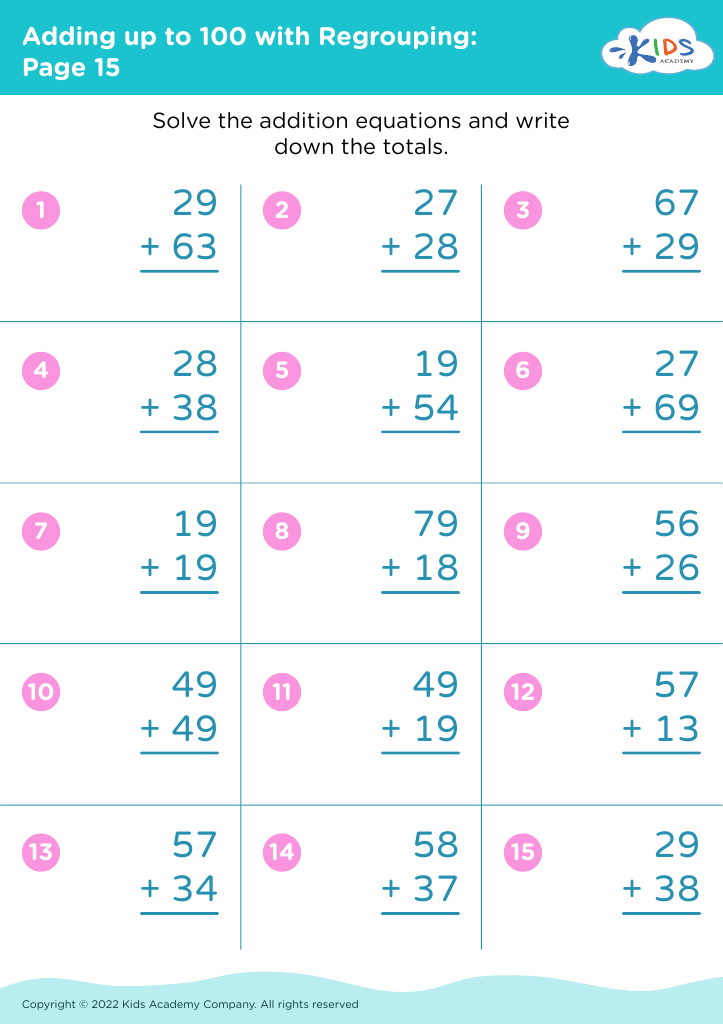
Adding up to 100 with Regrouping: Page 15
Worksheet
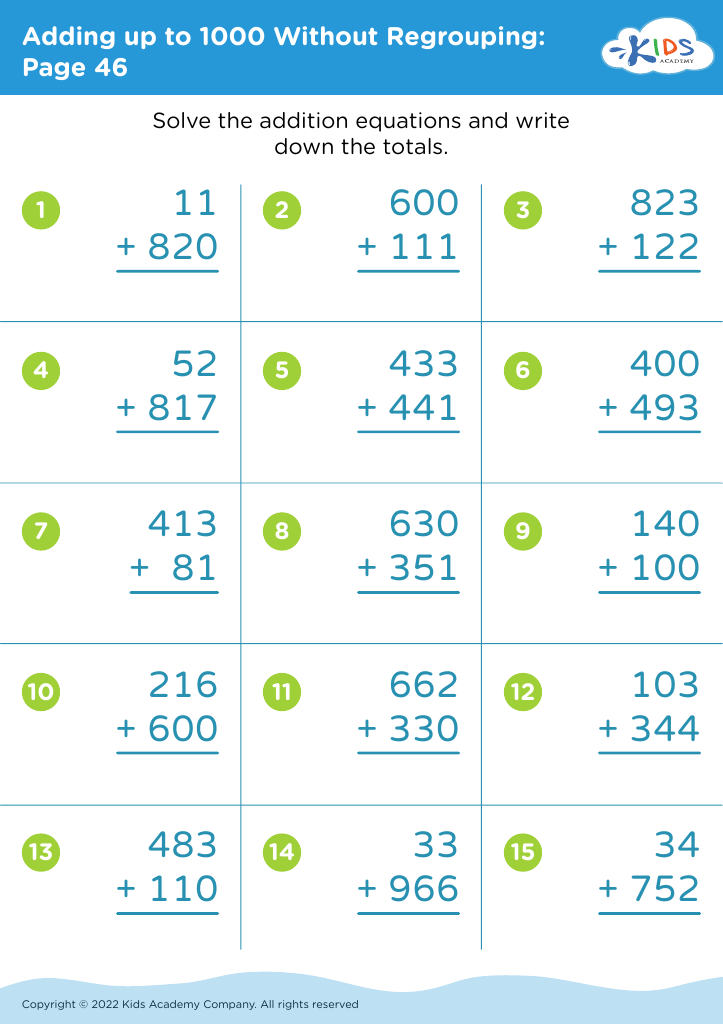
Adding up to 1000 Without Regrouping: Page 46
Worksheet
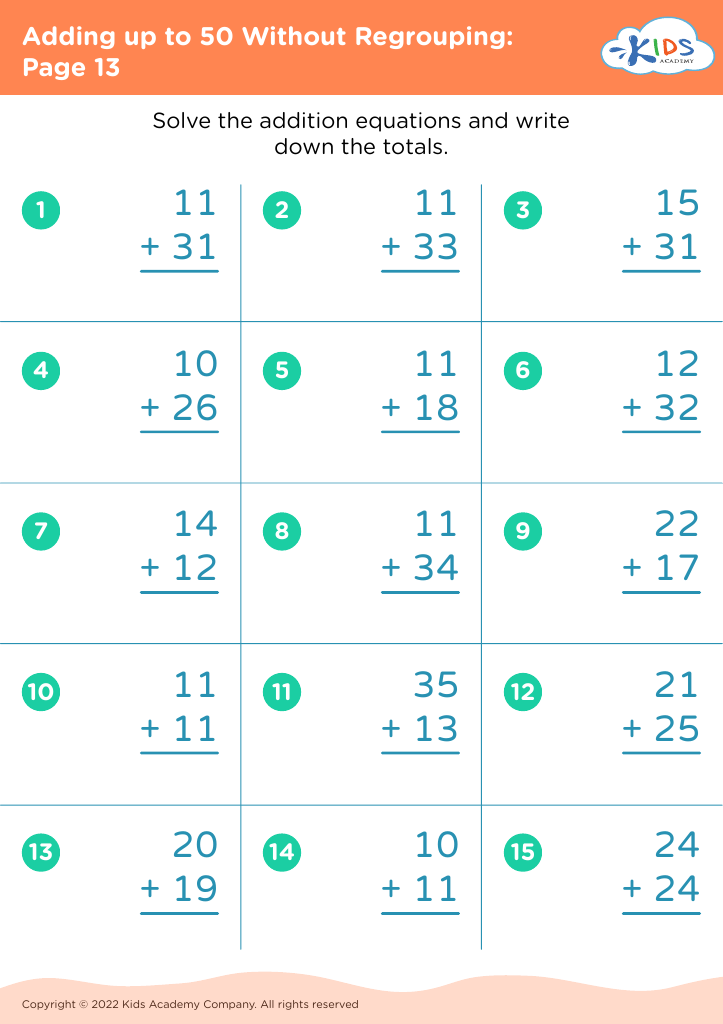
Adding up to 50 Without Regrouping: Page 13
Worksheet
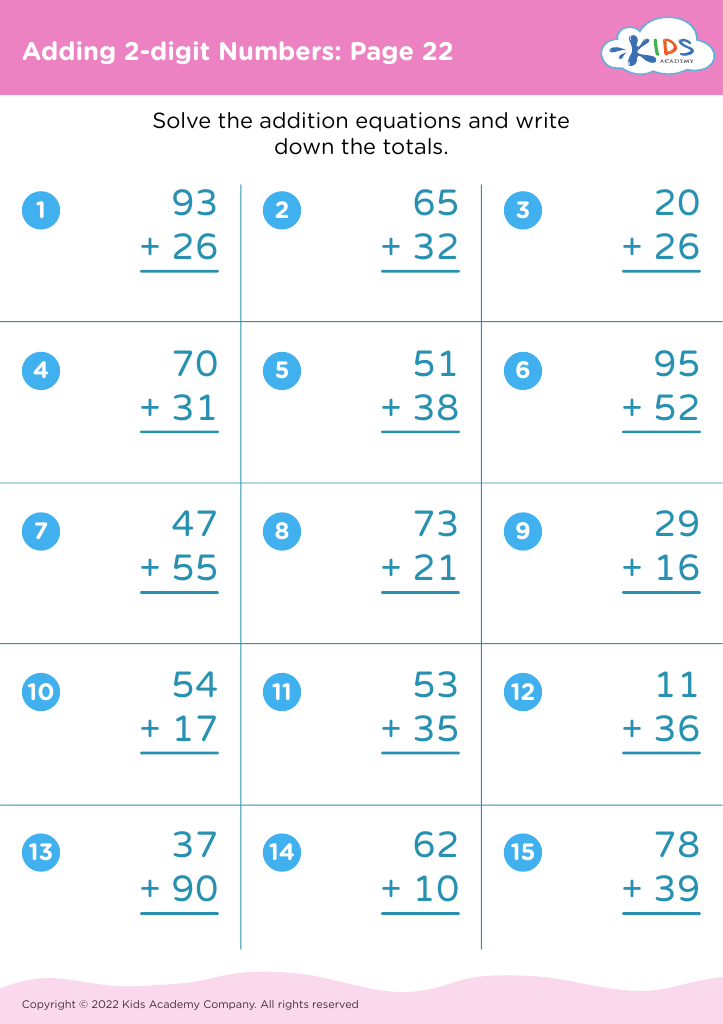
Adding 2-digit Numbers: Page 22

Adding 2-digit Numbers: Page 22

Adding 2-digit Numbers: Page 22
Worksheet
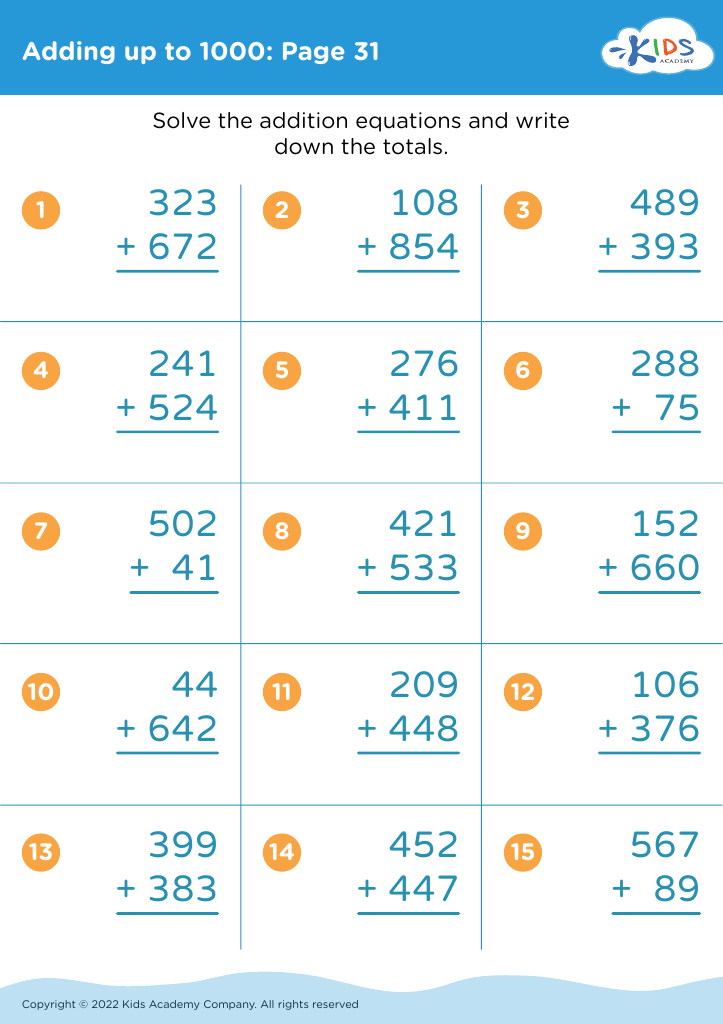
Adding up to 1000: Page 31

Adding up to 1000: Page 31

Adding up to 1000: Page 31
Worksheet
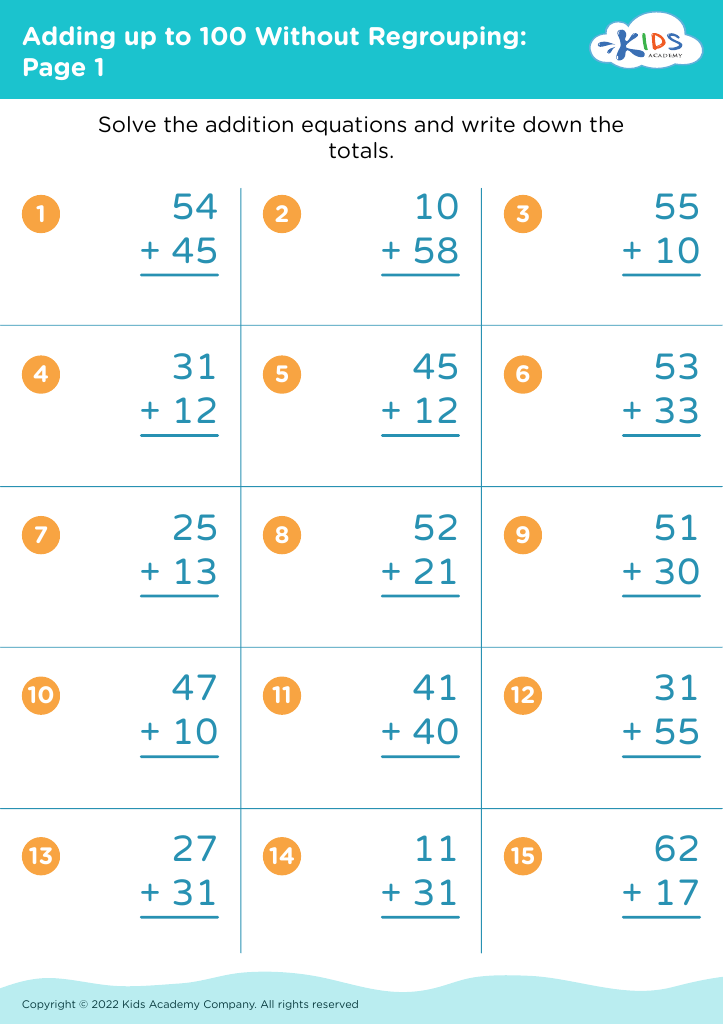
Adding up to 100 Without Regrouping: Page 1
Worksheet
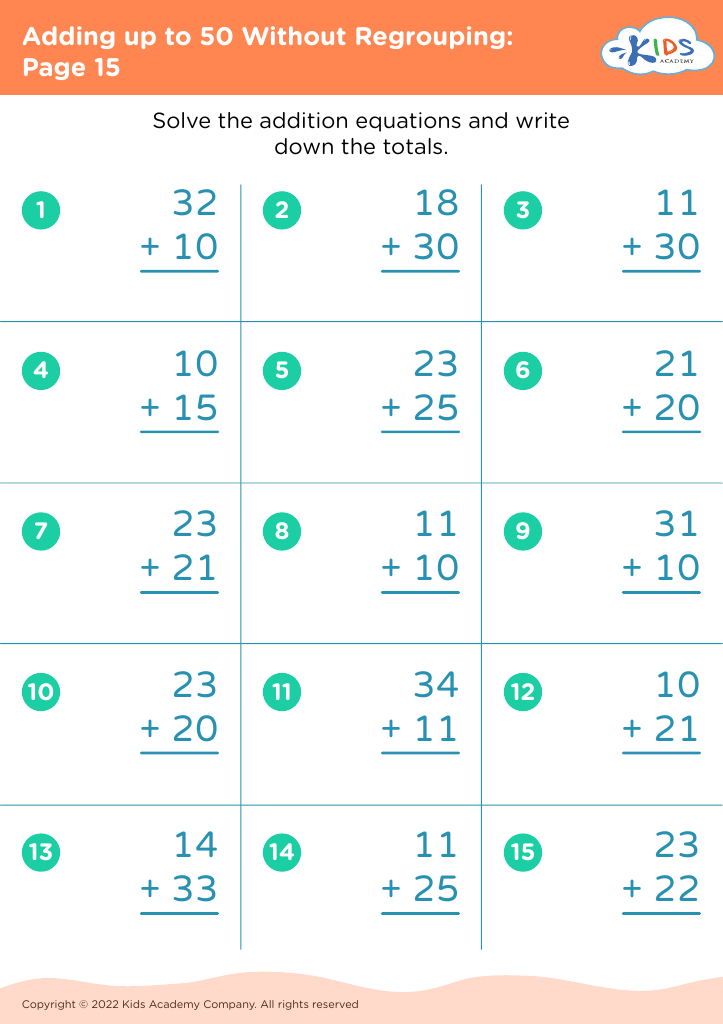
Adding up to 50 Without Regrouping: Page 15
Worksheet
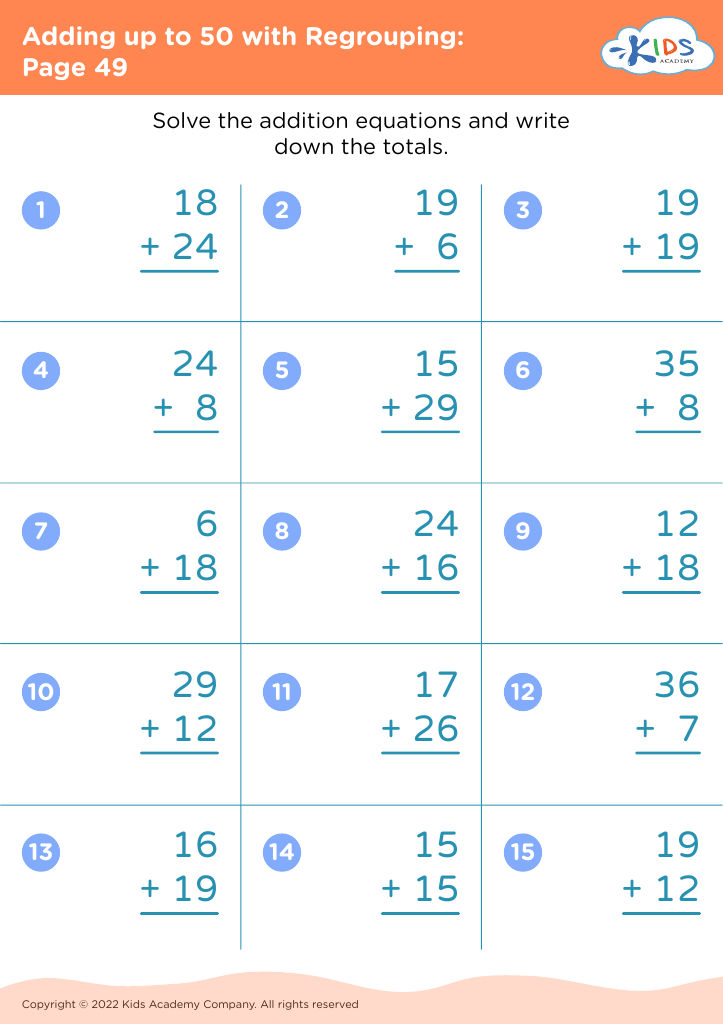
Adding up to 50 with Regrouping: Page 49
Worksheet
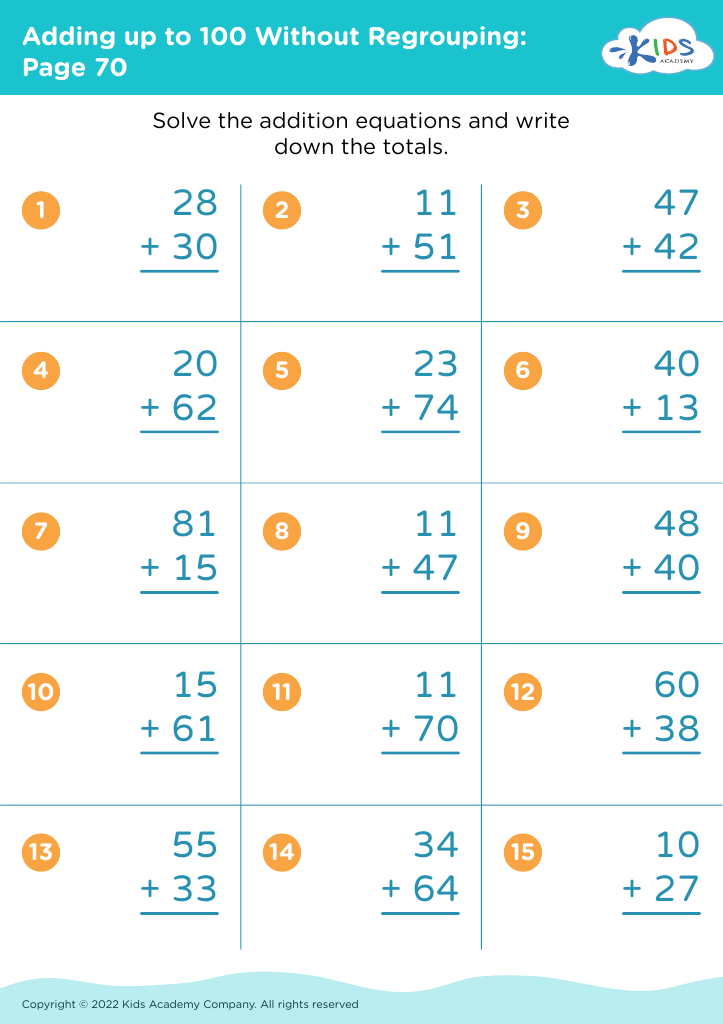
Adding up to 100 Without Regrouping: Page 70
Worksheet
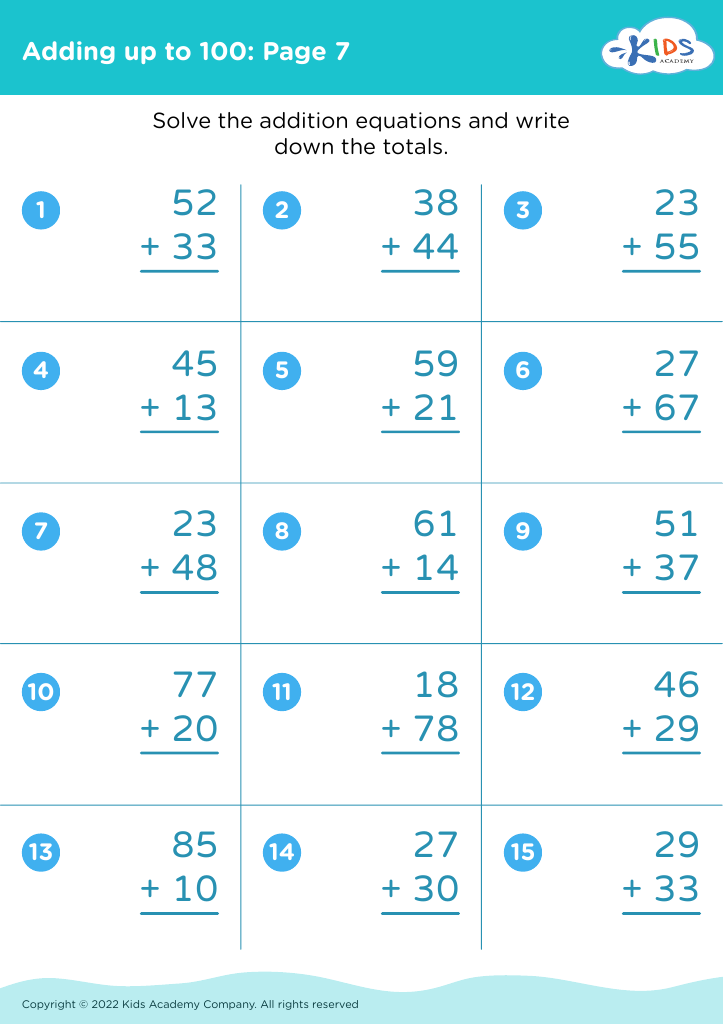
Adding up to 100: Page 7

Adding up to 100: Page 7

Adding up to 100: Page 7
Worksheet
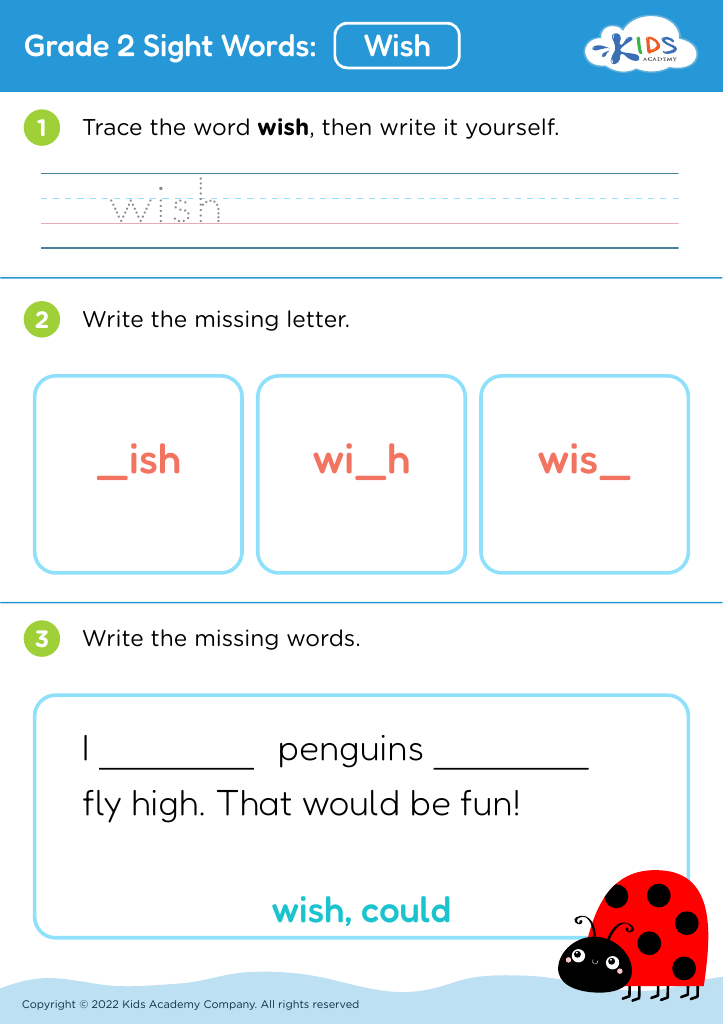
Grade 2 Sight Words: Wish

Grade 2 Sight Words: Wish

Grade 2 Sight Words: Wish
Worksheet
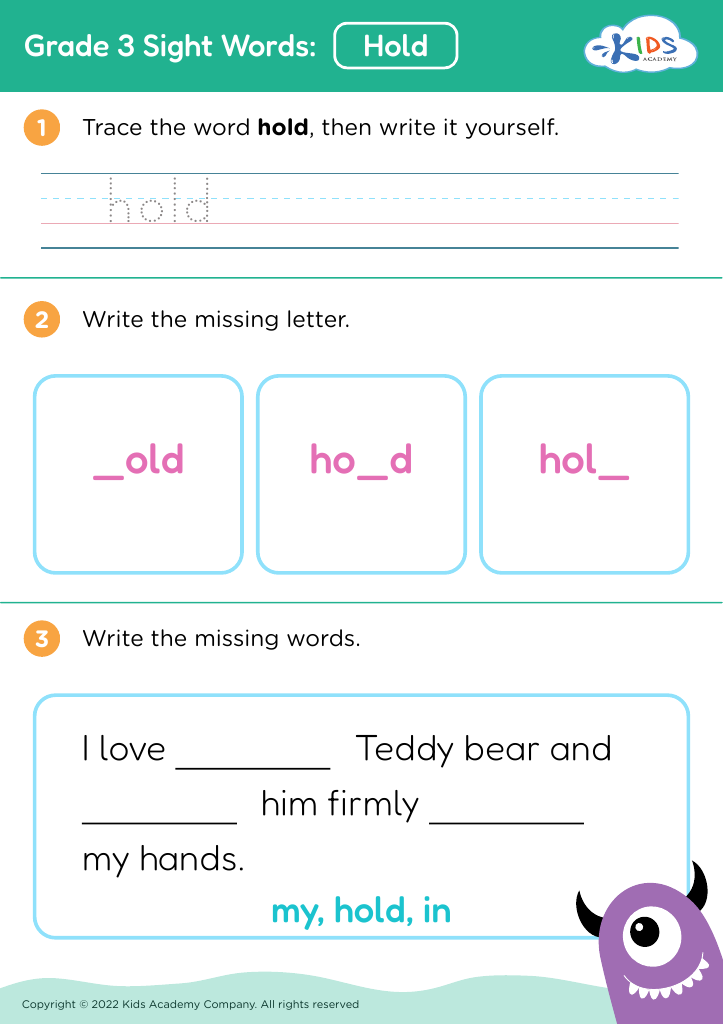
Grade 3 Sight Words: Hold

Grade 3 Sight Words: Hold

Grade 3 Sight Words: Hold
Worksheet


Improving number recognition in children aged 4-8 is crucial for several reasons. First, strong number recognition forms the foundation for mathematical skills, which are essential for academic success. At this age, children are beginning to understand basic math concepts, and recognizing numbers helps them grasp crucial skills like counting, addition, and subtraction.

Secondly, number recognition enhances cognitive development. Engaging children with numbers encourages problem-solving and critical thinking. As they learn to identify and manipulate numbers, they cultivate a positive attitude toward math, which can benefit their confidence and interest in learning.

Additionally, early number recognition supports other areas of learning and daily life, such as time management, money handling, and understanding measurements. These practical skills are important as children navigate life both inside and outside the classroom.

Lastly, fostering number recognition in early education provides teachers and parents with an opportunity to create enriching learning experiences. Incorporating playful activities like games, songs, and hands-on materials can ignite a love for learning and create lasting memories. By prioritizing number recognition, parents and teachers positively influence children's academic journeys and lay the groundwork for future math literacy.