Improving handwriting Worksheets for Ages 4-8
3 filtered results
-
From - To
Discover our "Improving Handwriting Worksheets for Ages 4-8" designed to enhance your child's handwriting skills through engaging activities. These printable worksheets offer a variety of exercises to refine fine motor skills, letter formation, and consistent writing techniques. Perfect for young learners, our resources transform handwriting practice into a fun and educational experience, ensuring your child develops confidence and clarity in their writing. With colorful illustrations and interactive tasks, students will stay motivated while mastering the art of beautiful penmanship. Boost your child's handwriting abilities effortlessly with our expertly crafted worksheet collection.
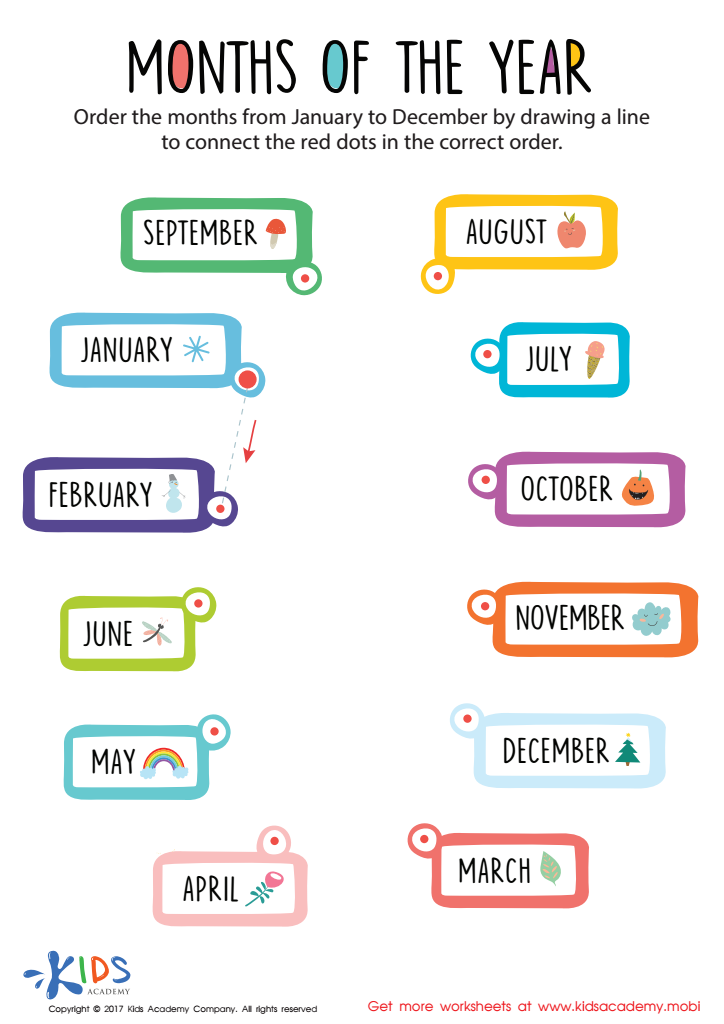
Months of the Year Worksheet
 Assign to My Students
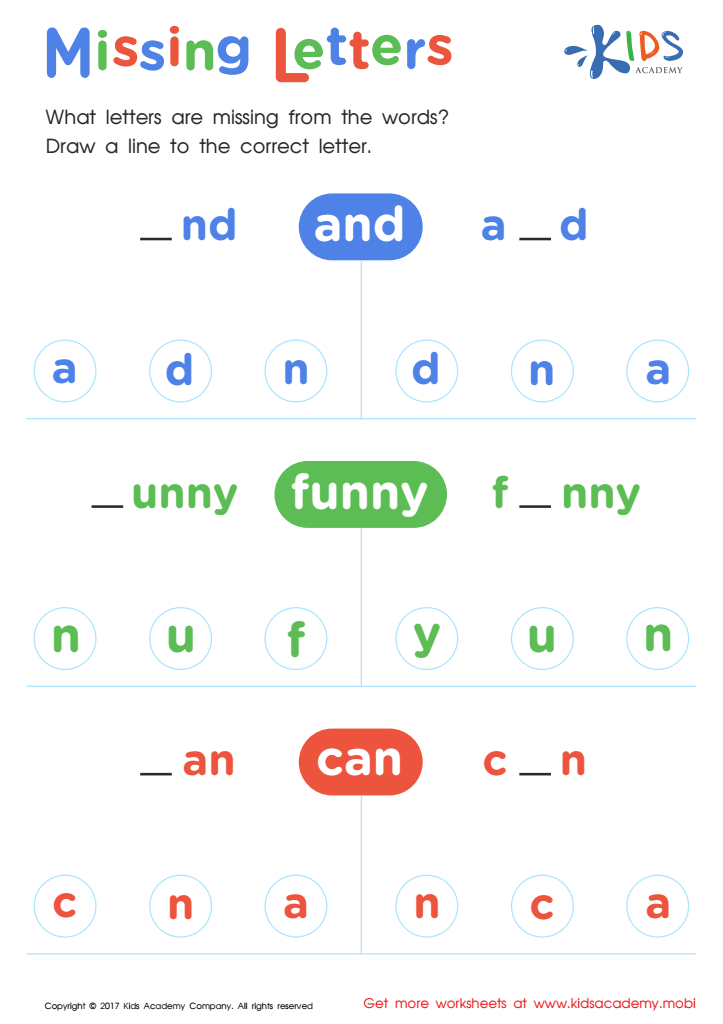
Missing Letters Worksheet
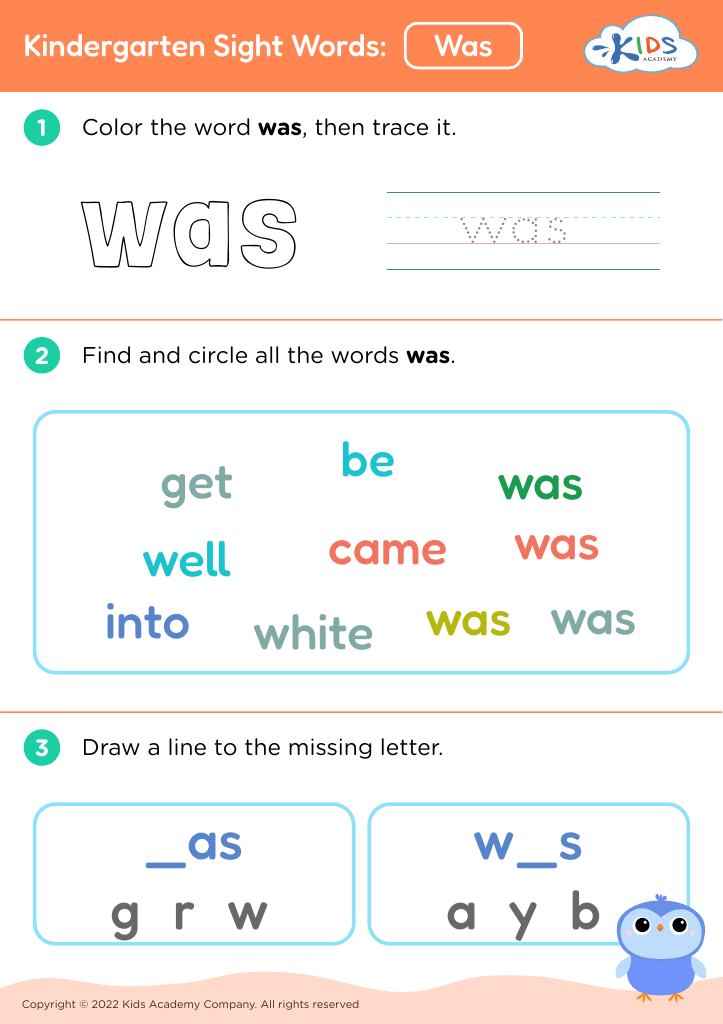








Improving handwriting for children aged 4-8 is essential as this developmental phase lays the groundwork for key educational and cognitive skills. First, fine motor skills are crucial; good handwriting requires children to develop hand-eye coordination, dexterity, and muscle control, which are beneficial for other daily activities such as dressing and eating.
Handwriting is also strongly linked to literacy skills. Forming letters by hand reinforces letter recognition and phonics, essential building blocks for reading and writing. When children write letters manually, they engage in a multi-sensory experience, absorbing the shapes and sounds more effectively than through typing or passive recognition alone.
Moreover, handwriting boosts cognitive development, as the act of writing translates speech into physical form, aiding memory and comprehension. Fine written communication also fosters self-discipline and concentration, with structured practice leading to greater attention spans and an improved ability to accomplish tasks independently.
In addition, proficiency in handwriting is often linked with academic achievements and self-esteem. Clear, legible writing ensures children can effectively express their ideas, facilitating better performance across subjects. Positive feedback on their handwriting efforts can boost self-confidence, encouraging them to engage more deeply in their education.
Thus, for children aged 4-8, focusing on improving handwriting can significantly impact their overall development and academic success.








