Knowledge application Worksheets for Ages 4-8
7 filtered results
-
From - To
Discover engaging Knowledge Application Worksheets specifically designed for children aged 4-8! Our worksheets encourage young learners to use their skills and understanding in real-world contexts. From simple problem-solving to interactive activities, these worksheets bridge play and education, fostering critical thinking and creativity. Tailored for early grade students, they help reinforce concepts across various subjects, making learning exciting and accessible. Parents and educators will appreciate the detailed instructions and vibrant designs, supporting children’s developmental milestones. Perfect for home or classroom, these resources promote a love for learning while ensuring comprehension and application of knowledge. Explore our collection today!
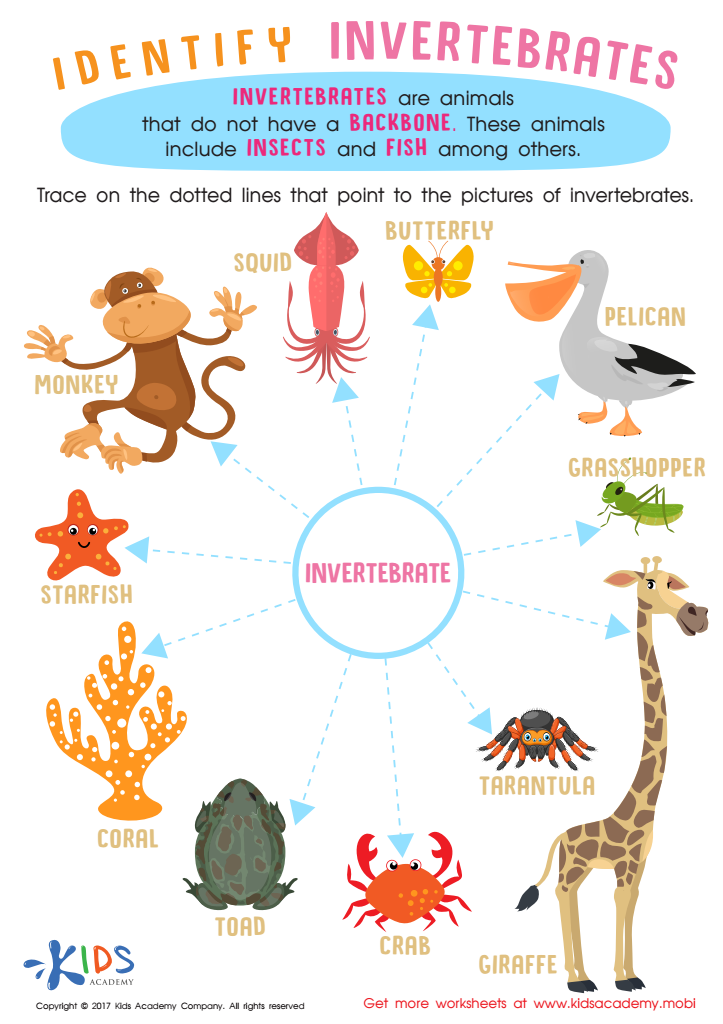
Invertebrates Worksheet for Grade 3
 Assign to My Students
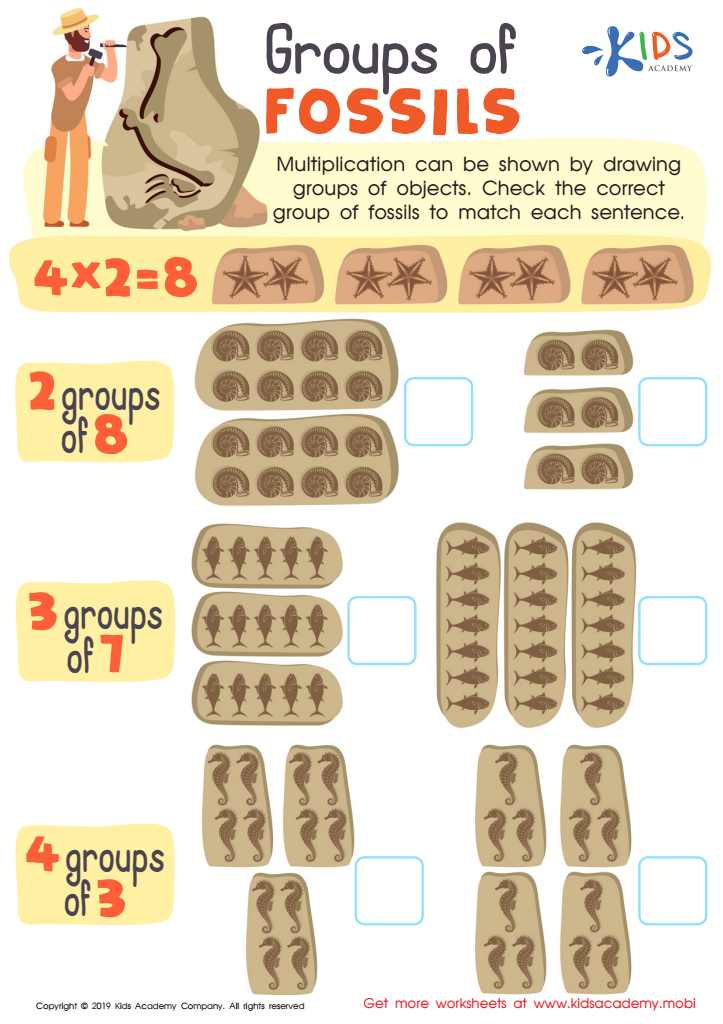
Groups of Fossils Worksheet
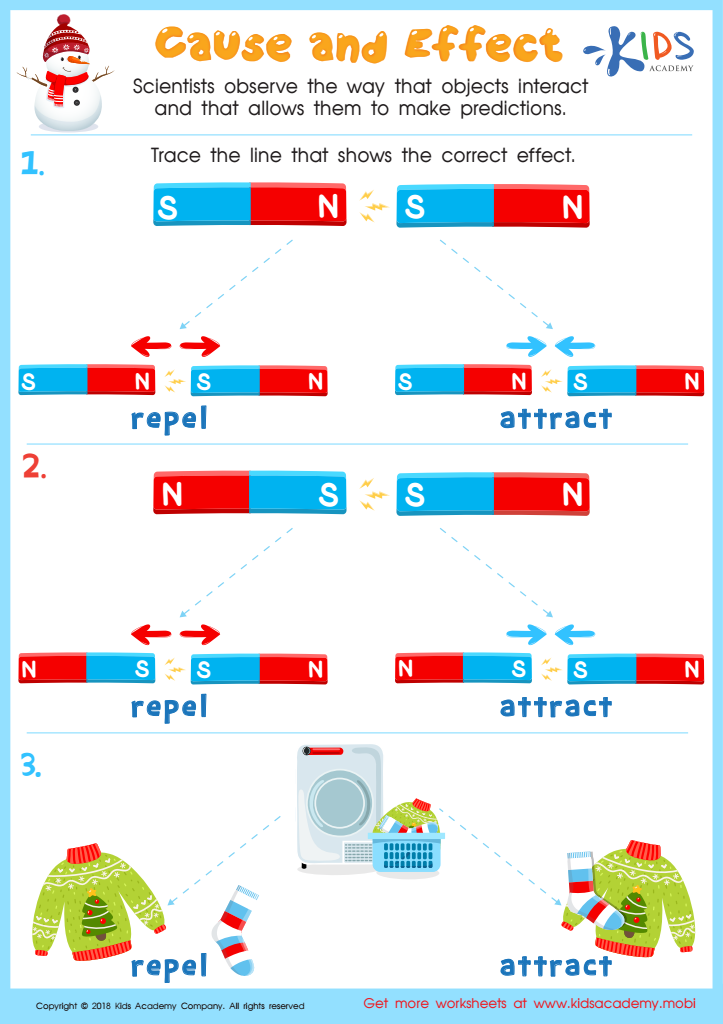
Repel and Attract Magnet Worksheet
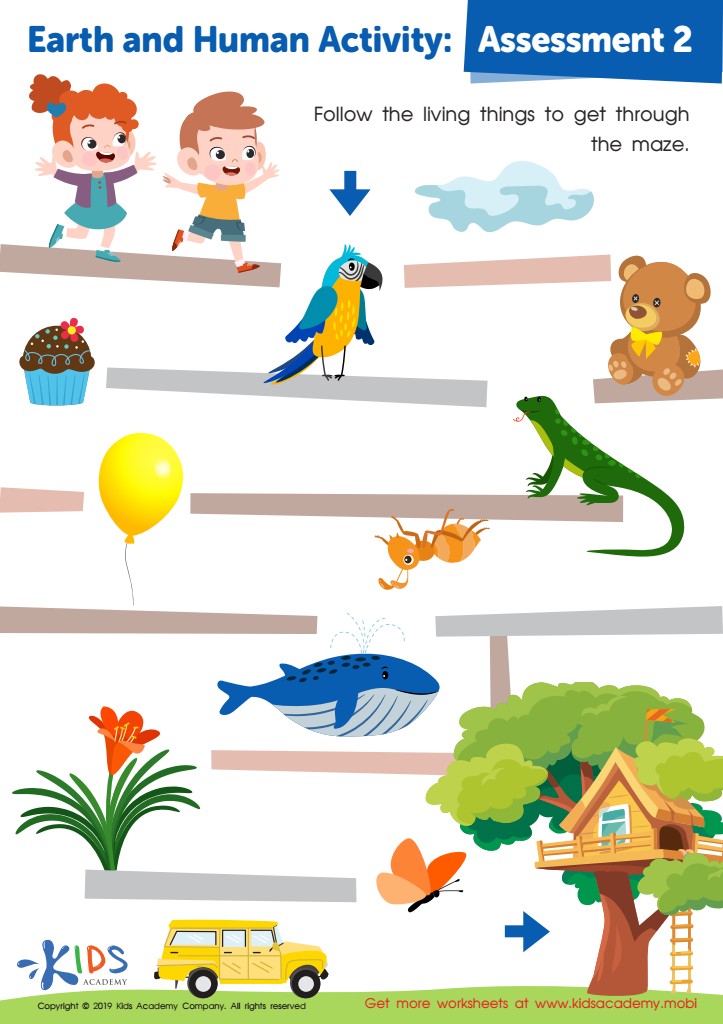
Earth and Human Activity: Assessment 2 Worksheet
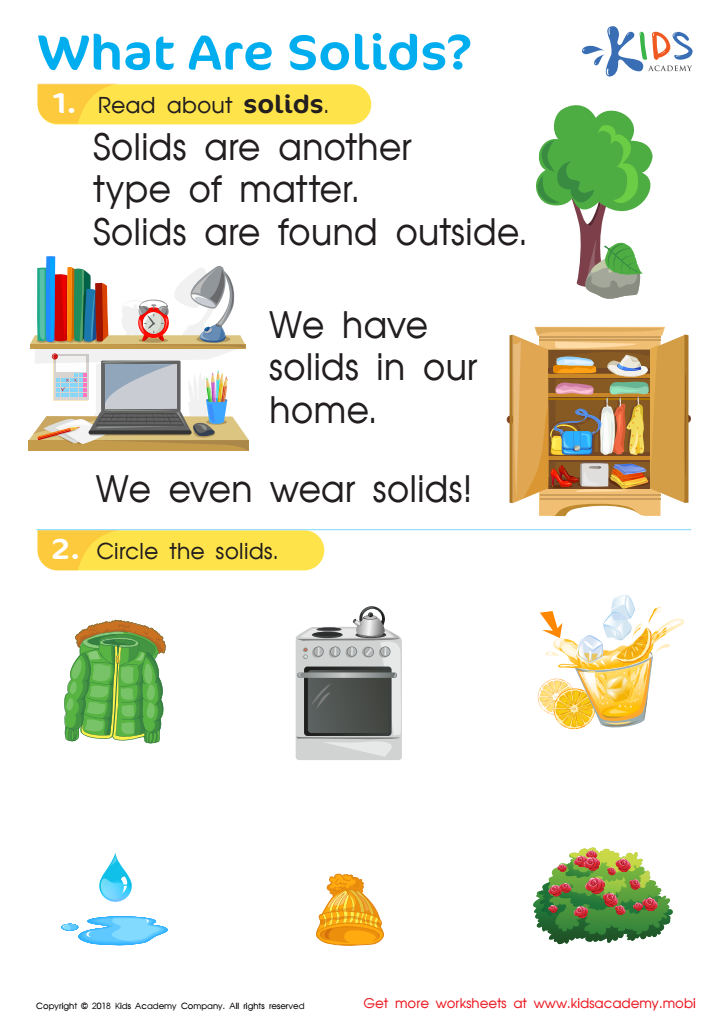
What Are Solids? Worksheet
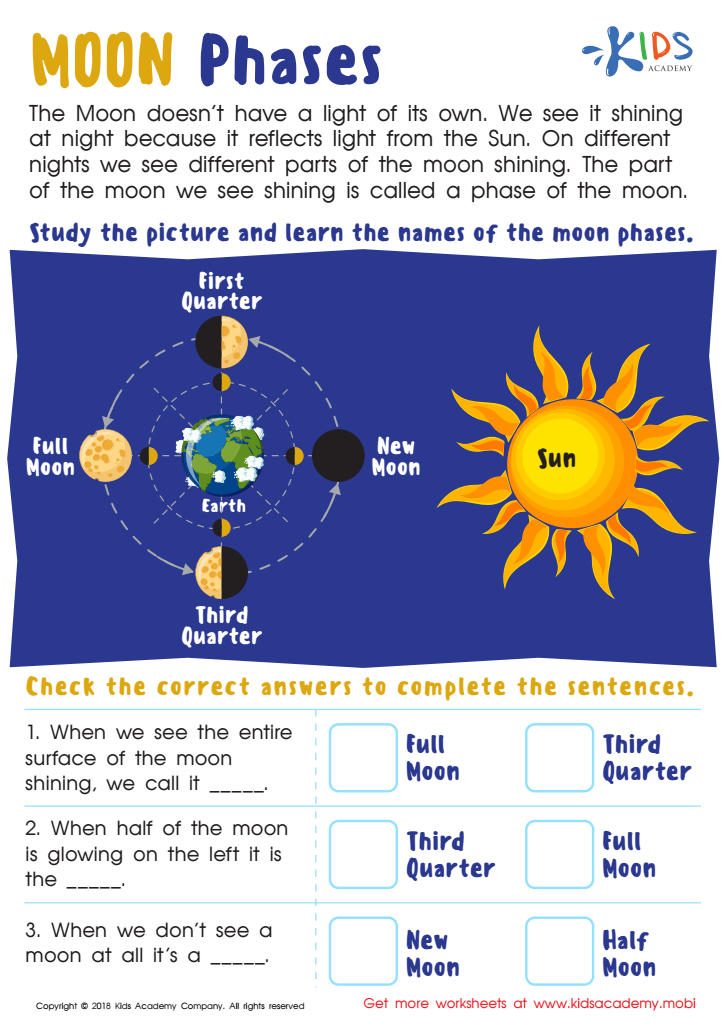
Moon Phases Worksheet
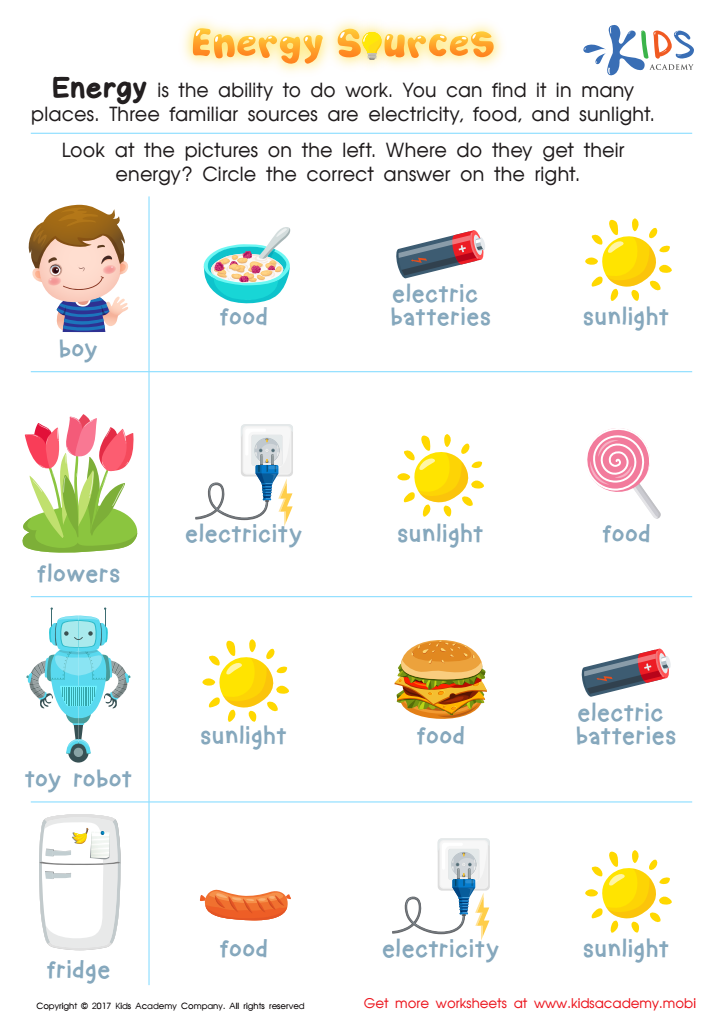
Energy Sources Printable







Knowledge application is crucial for children ages 4-8 as it serves as a bridge between theoretical concepts and real-world experiences, fostering deeper understanding and retention. At this developmental stage, children are naturally curious and eager to explore their environment. By encouraging them to apply their knowledge—whether in math through problem-solving games, science through hands-on experiments, or language skills in storytelling—educators and parents can help solidify their learning.
When children actively engage with what they've learned, they develop critical thinking skills and the ability to make connections. This not only boosts their cognitive development but also enhances their confidence as they see the relevance of their knowledge in daily life. Moreover, applying knowledge in practical situations cultivates an interest in lifelong learning, preparing them for future educational challenges.
Additionally, knowledge application nurtures collaboration and communication as children often learn best when working together on projects. By prioritizing this aspect of learning, parents and teachers lay the foundation for a more enjoyable and effective educational experience, contributing to well-rounded development during these formative years. Ultimately, investing in knowledge application equips children with essential skills for their social, emotional, and intellectual growth.








