Logic development Worksheets for Ages 4-8
4 filtered results
-
From - To
Unlock your child's potential with our carefully crafted Logic Development Worksheets for ages 4-8! At Kids Academy, we understand the importance of nurturing young minds. Our engaging and fun worksheets are designed to develop critical thinking, problem-solving skills, and cognitive abilities. Each activity aims to spark curiosity and enhance logical reasoning through interactive tasks, puzzles, and exercises tailored to their developmental stage. With colorful illustrations and exciting challenges, our worksheets make learning an enjoyable adventure. Give your child a head start in their educational journey—discover the magic of learning with Kids Academy today!
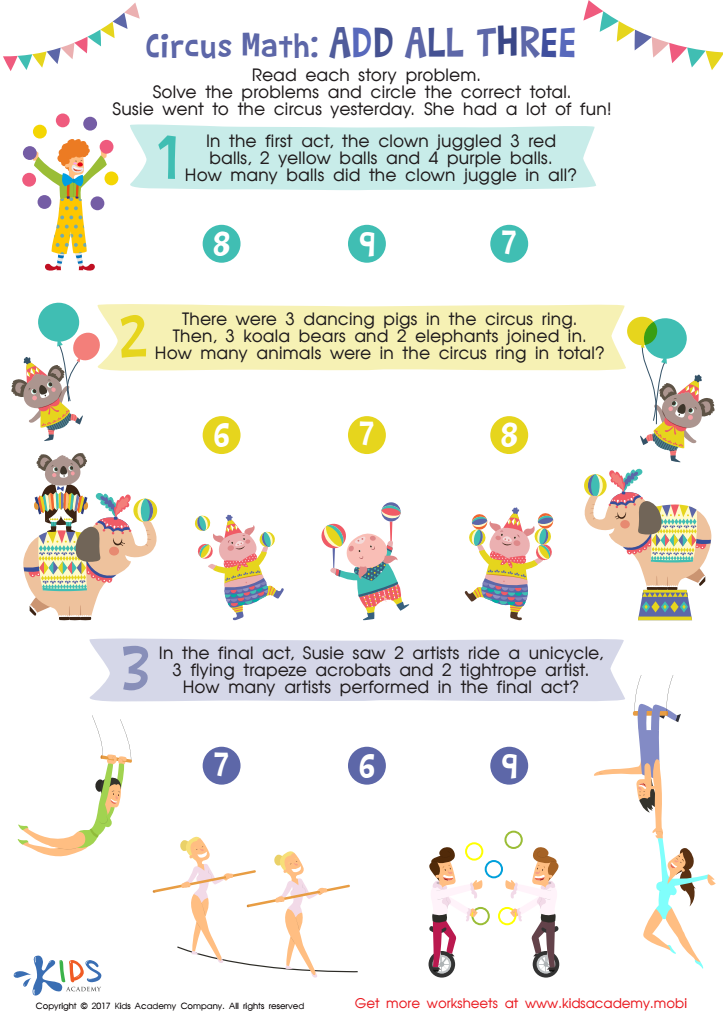
Circus Math Printable
 Assign to My Students
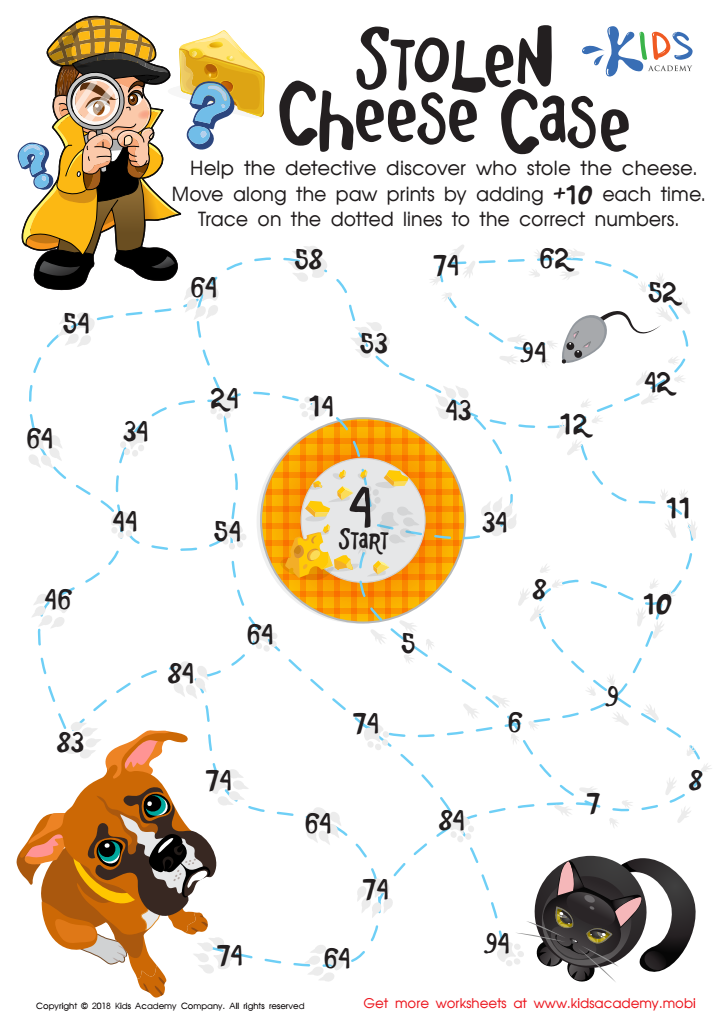
Stolen Cheese Case Maze Worksheet

Tricky Patterns Size Worksheet
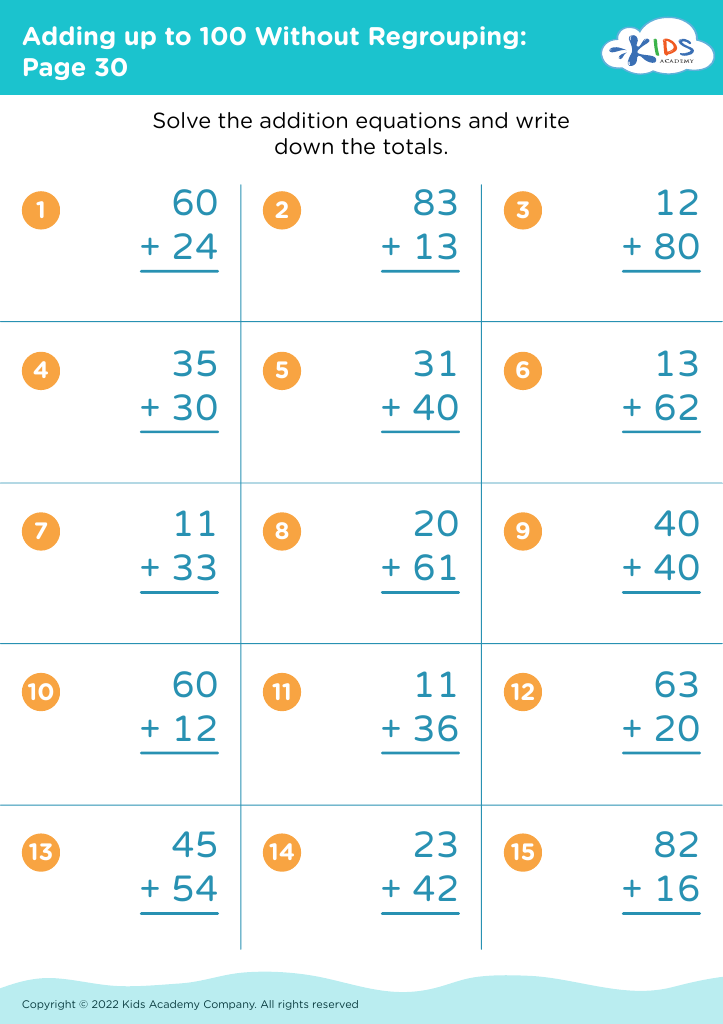








Logic development in children ages 4-8 is essential as it forms a foundational element for their overall cognitive growth. At this age, children's brains are exceptionally receptive to learning and understanding new concepts, and fostering logical thinking skills can have long-lasting benefits. Logical thinking encourages problem-solving abilities, enabling children to assess situations, predict outcomes, and devise solutions effectively.
This period marks the introduction of structured education, where subjects like math, language arts, and science require a basic level of logical acuity. By developing these skills early, children are better equipped to excel academically, making the learning process smoother and more enjoyable.
Furthermore, logic development boosts critical thinking and decision-making skills. As children learn to grasp cause-and-effect relationships and sequence events logically, they become more independent and confident in their problem-solving abilities.
Socially, logical reasoning helps children communicate more effectively. When children are able to understand and follow logical sequences in conversations, they can express their ideas clearly and understand others better, fostering healthier social interactions.
Incorporating activities that promote logic development, such as puzzles, games, and exploratory play, allows children to harness these skills in an engaging manner. Ultimately, by prioritizing logic development, parents and teachers are laying a robust foundation for lifelong learning and success.








