Enhance your child's attention to detail with our Observation Skills Worksheets designed for ages 4-8. These engaging activities focus on stimulating young minds through fun-filled exercises that develop critical observation abilities. Aspiring sleuths will sharpen their skills through pattern recognition, object matching, and spot-the-difference games. Our tailored worksheets not only keep children entertained but also foster essential cognitive development. Perfect for home or classroom use, these printable materials are a valuable resource for parents and educators aiming to boost learning skills in a playful and interactive way. Help your child become more observant and attentive with Kids Academy’s effective exercises!

Check out this FREE "Observation skills" Trial Lesson for age 4-8!

Skip Counting and Your Fingers to Divide

Favorites
With answer key
Interactive
  • 4-8
  • Observation skills
What Do You See? Reading Worksheet

What Do You See? Reading Worksheet

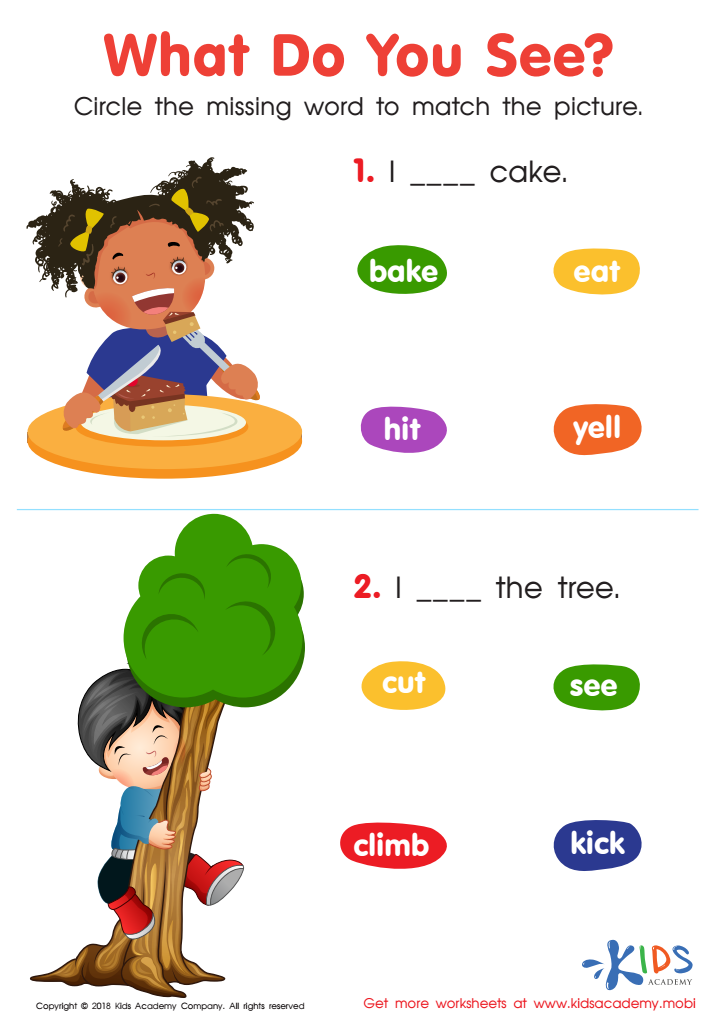
New readers can use the attractive pictures and high-frequency words on this worksheet to practice expressive language skills and decode as they fill in the blanks. As they circle the correct words, they'll feel like reading superstars!
What Do You See? Reading Worksheet
Worksheet
Matter: Assessment 1 Worksheet

Matter: Assessment 1 Worksheet

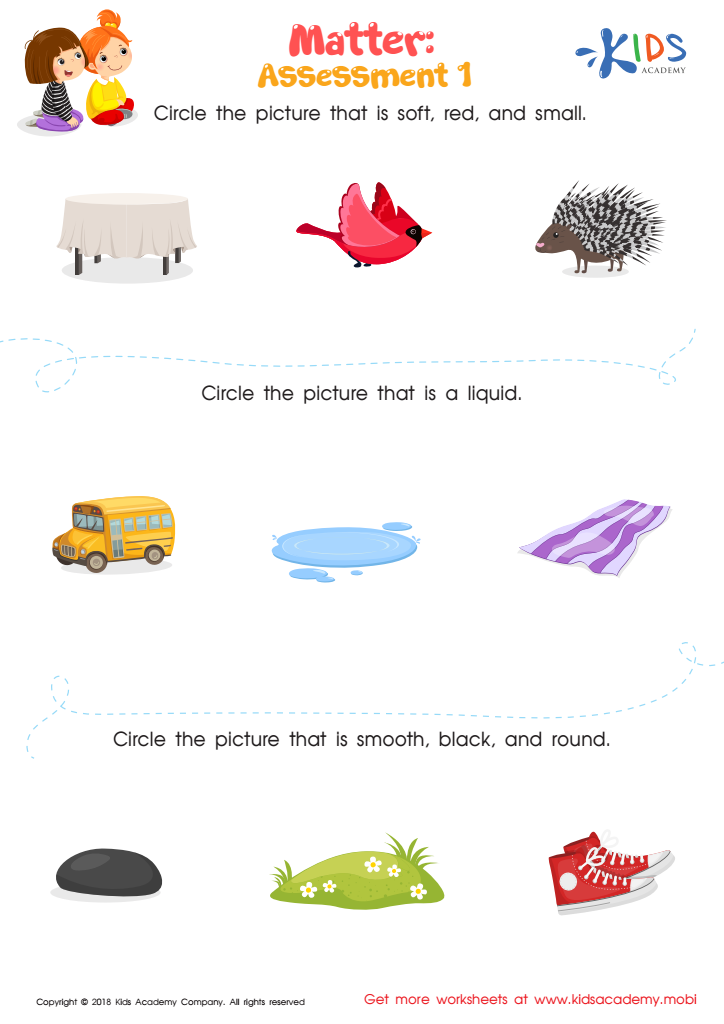
Have your children learn that anything that has weight and takes up space is matter. Examples include buses, tables, people, animals, and more. Use this worksheet to help them identify the objects and circle the soft, red, and small one; the liquid; and the smooth, black, and round one.
Matter: Assessment 1 Worksheet
Worksheet
Different Types of Leaves Worksheet

Matching Types of Leaves Printable
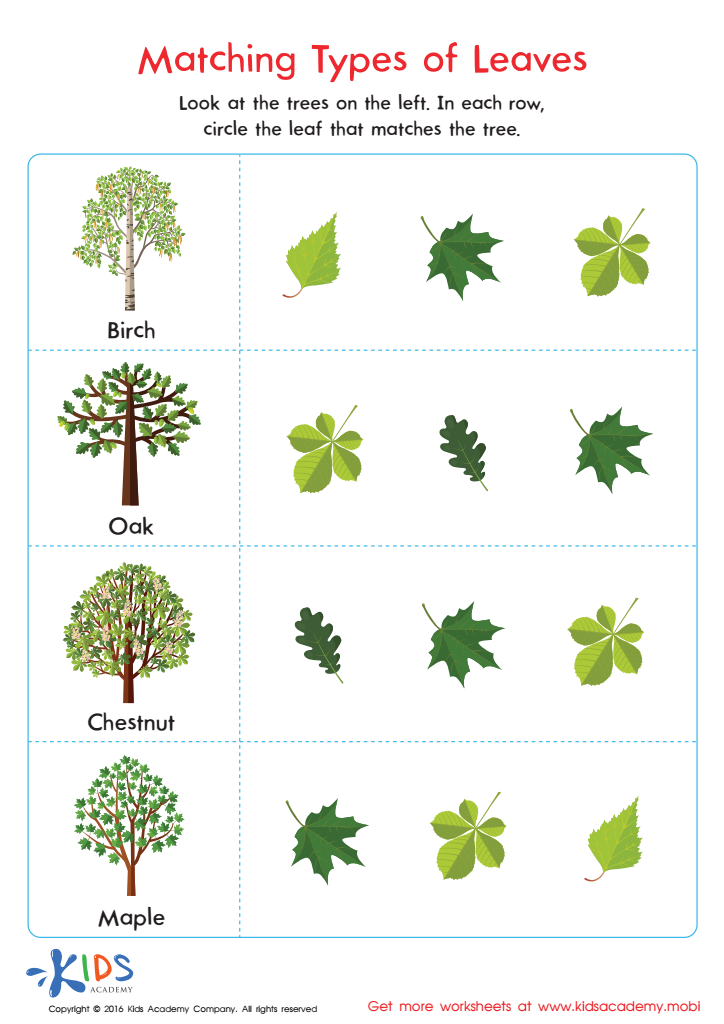
Trees are beautiful and essential to life. Show your child the joy of learning about them with this leaf worksheet. It teaches tree identification and encourages observing nature. Expand the learning with additional activities about trees!
Matching Types of Leaves Printable
Worksheet
How Many Tadpoles Worksheet

How Many Tadpoles Worksheet

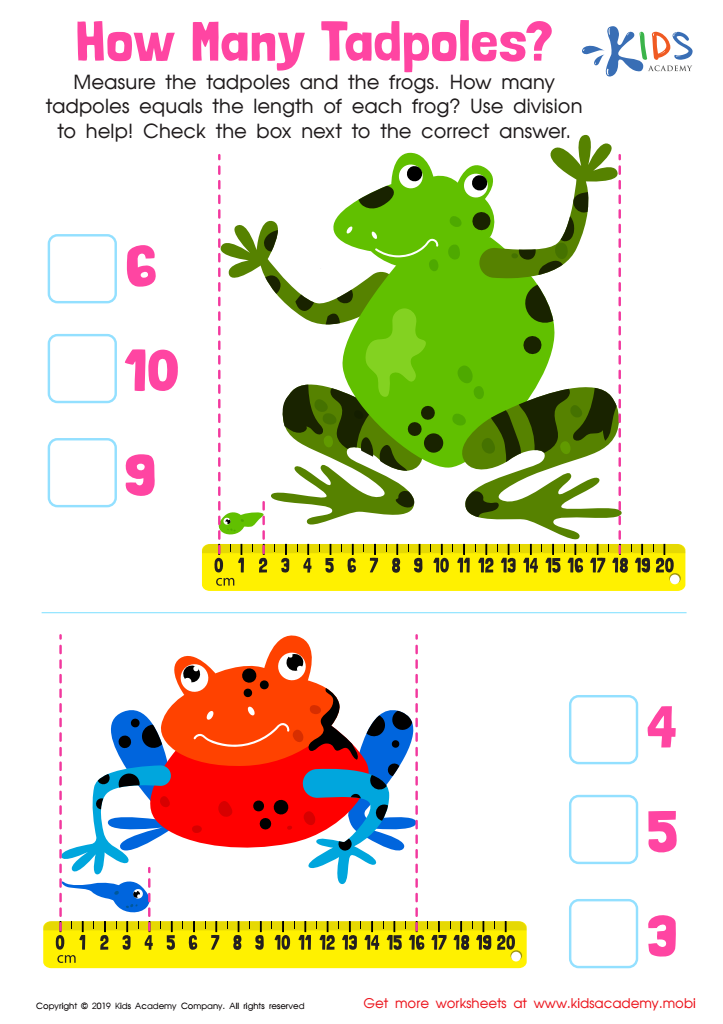
Kids love tadpoles! They'll have fun using them to work out the measurements of their frog friends. By dividing the length of the frogs by the length of the tadpoles, children can deduce how many tadpoles it takes to equal a frog. With the use of 'how many' and 'each' they'll solve math problems without realizing it!
How Many Tadpoles Worksheet
Worksheet
The 5 Sense Scientist Worksheet

The 5 Sense Scientist Worksheet

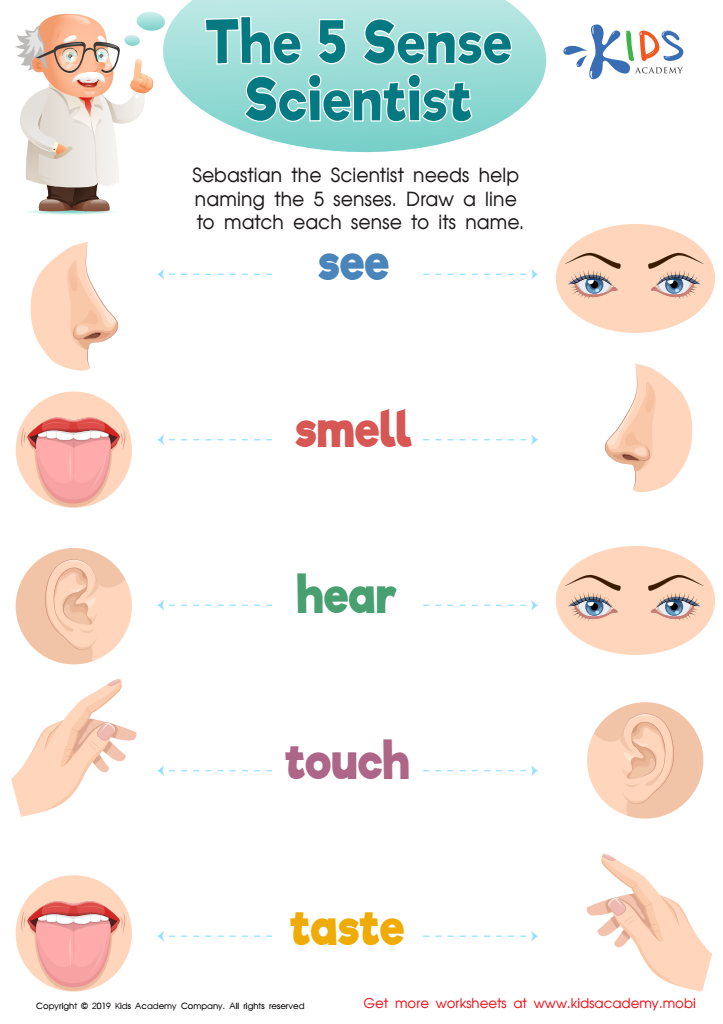
Our young children will have fun learning about their five senses with this free Sense Scientist worksheet. Helping Sebastian the Scientist, they'll name the five senses and use traceable lines to connect each picture with its correct sense. Colorful words and pictures will create a memorable picture representation.
The 5 Sense Scientist Worksheet
Worksheet
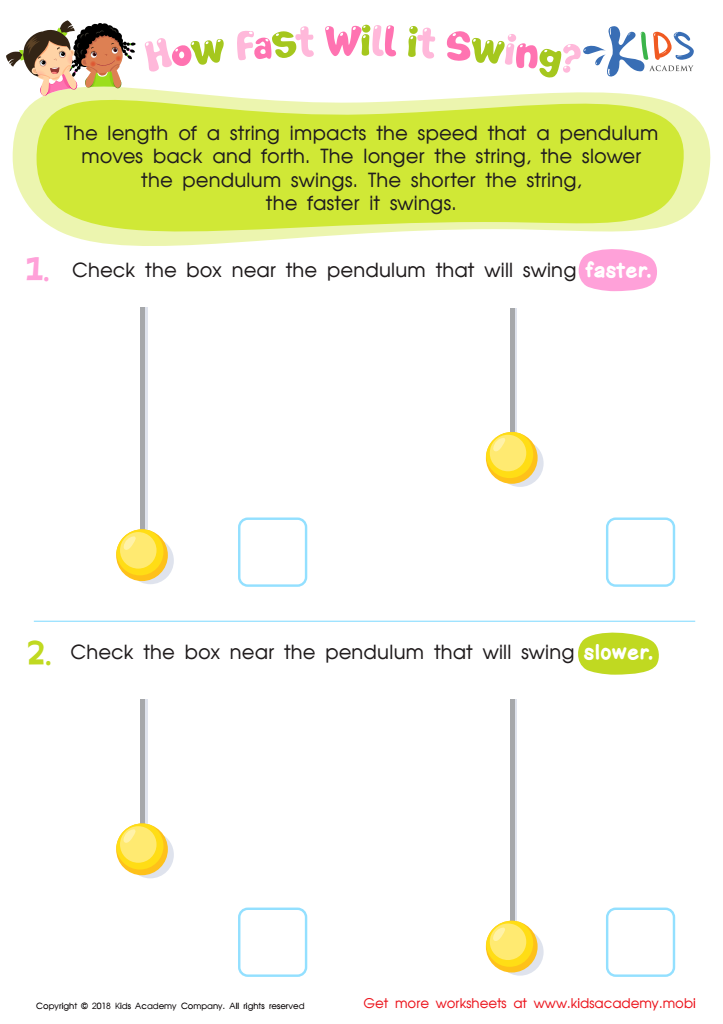
Pendulum experiment worksheet for 3rd grade

Pendulum Experiment Worksheet For 3rd Grade
Time to flex those science muscles! A pendulum's speed depends on its string length. Complete this 3rd grade pendulum experiment worksheet and experiment with a yo-yo at home! Read the description to answer the questions correctly.
Pendulum Experiment Worksheet For 3rd Grade
Worksheet
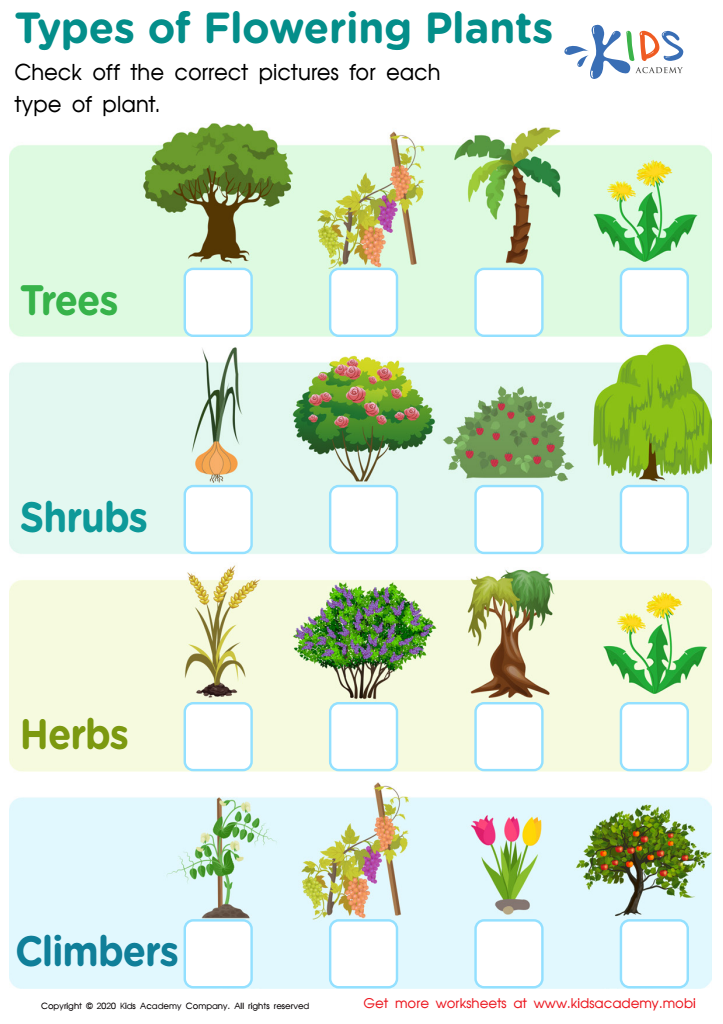
Types of Flowering Plants Worksheet

Types of Flowering Plants Worksheet

Help kids explore the variety of plants around them! Have them discover trees, shrubs, herbs, and vines with this fun science worksheet. Print it and let them match the plant pictures to their correct names. It's an exciting learning experience that'll let them check off the right images and explore the botanical world.
Types of Flowering Plants Worksheet
Worksheet
Finding 16 With Fossils Worksheet

Finding 16 With Fossils Worksheet

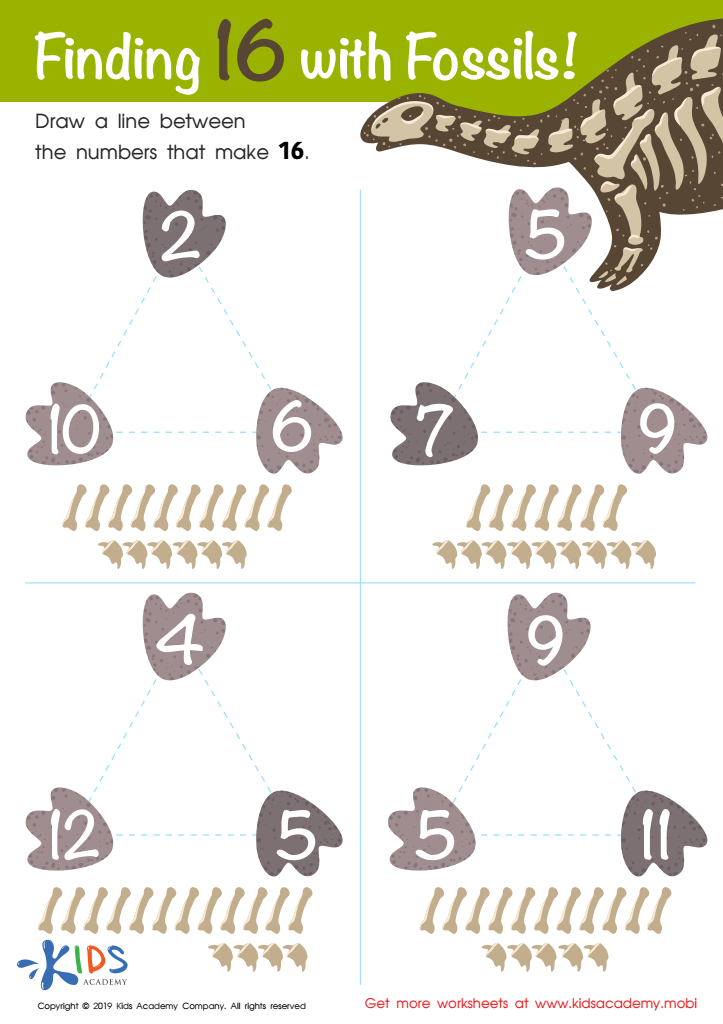
Experts hunt for fossils, dig them up, and study them to learn more about past life forms - how they lived, what they looked like, and when they lived. Show kids the picture in this worksheet and point out the fossils. Help them count the bones and draw a line between the numbers that add up to 16 in each triangle.
Finding 16 With Fossils Worksheet
Worksheet
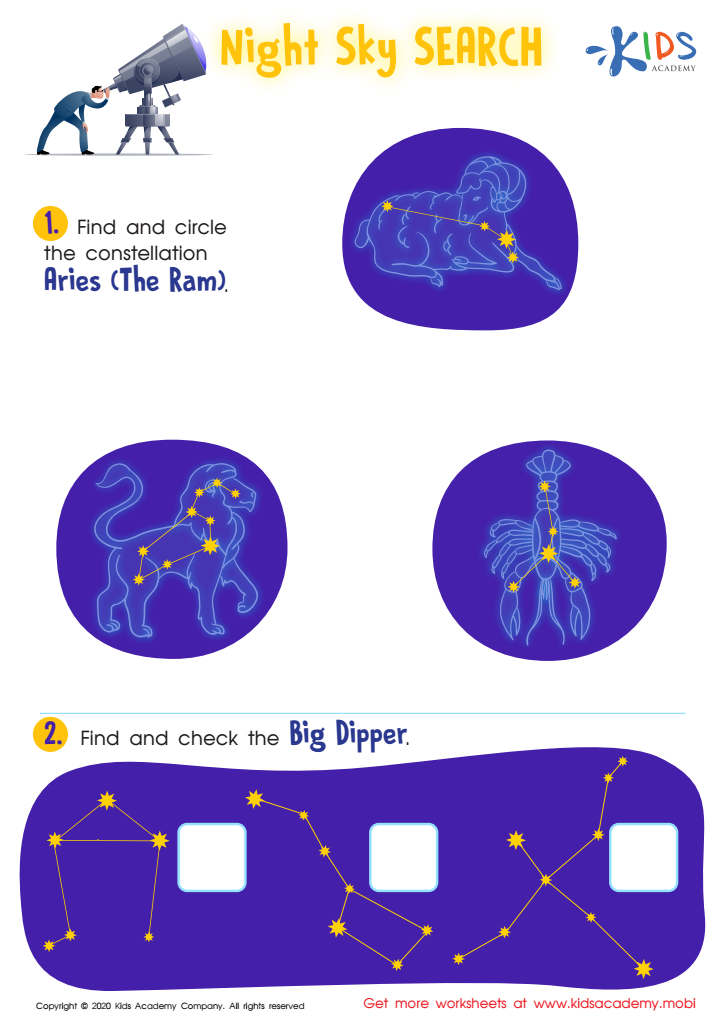
Night Sky Search Worksheet

Night Sky Search Worksheet

Gaze up into the night sky and spot the stars! Your little astronomer can learn about Aries and Big Dipper constellations with this science worksheet. Simply find the ram for Aries and check the box for Big Dipper. Then, when the weather is right, go outside and look for them in the night sky!
Night Sky Search Worksheet
Worksheet
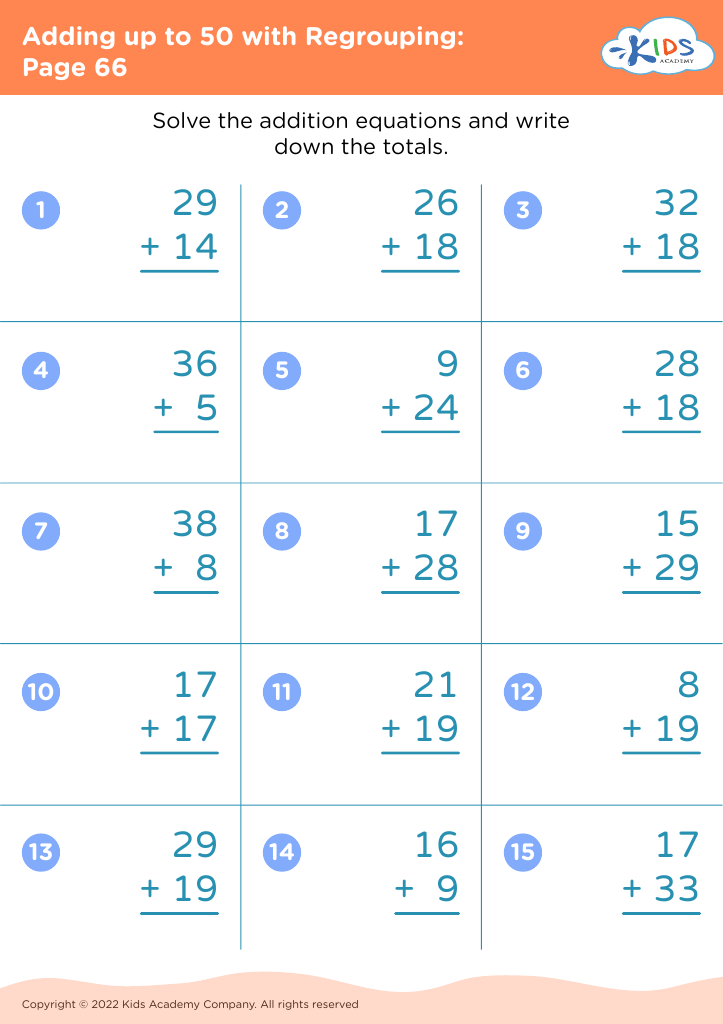
Adding up to 50 with Regrouping: Page 66
Worksheet
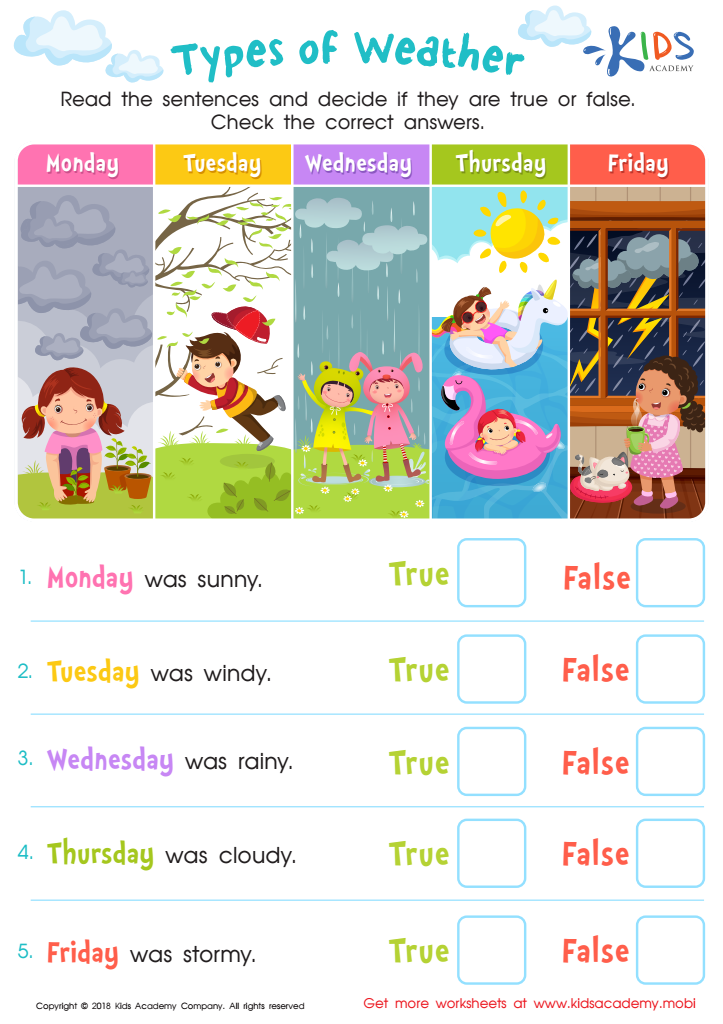
Types of Weather Worksheet
Types of Weather Worksheet

This worksheet will test your child's knowledge of the weather. Show them the pictures of five days of the week, each with a different weather and ask them to describe it. Then read the sentences and ask if they're true/false. Help them find the right answers.
Types of Weather Worksheet
Worksheet
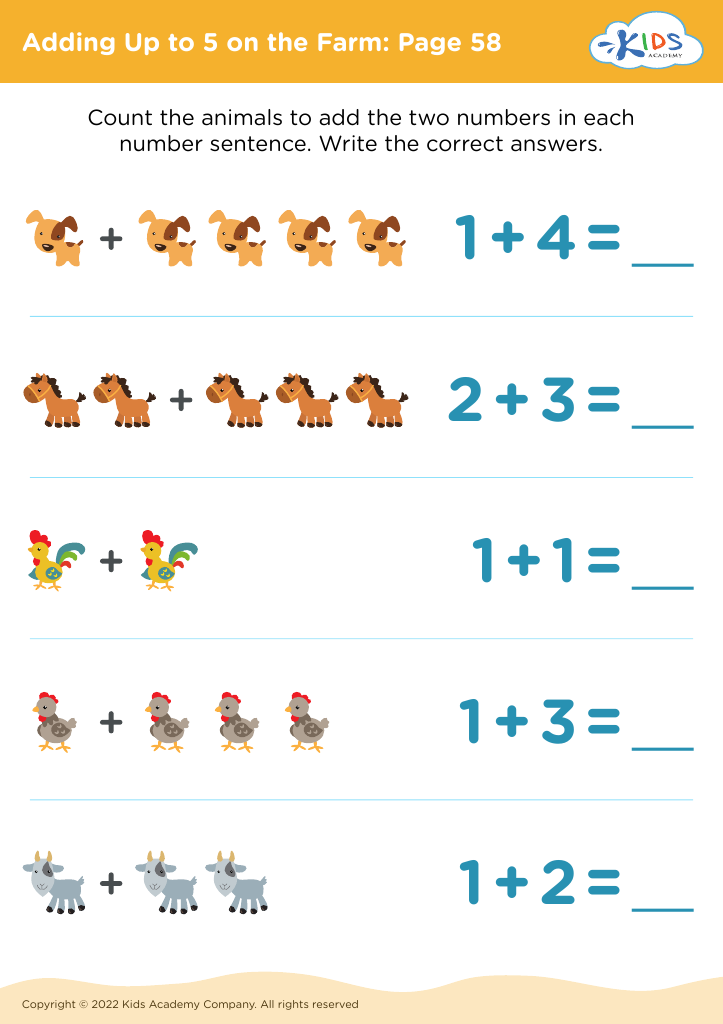
Adding Up to 5 on the Farm: Page 58
Worksheet
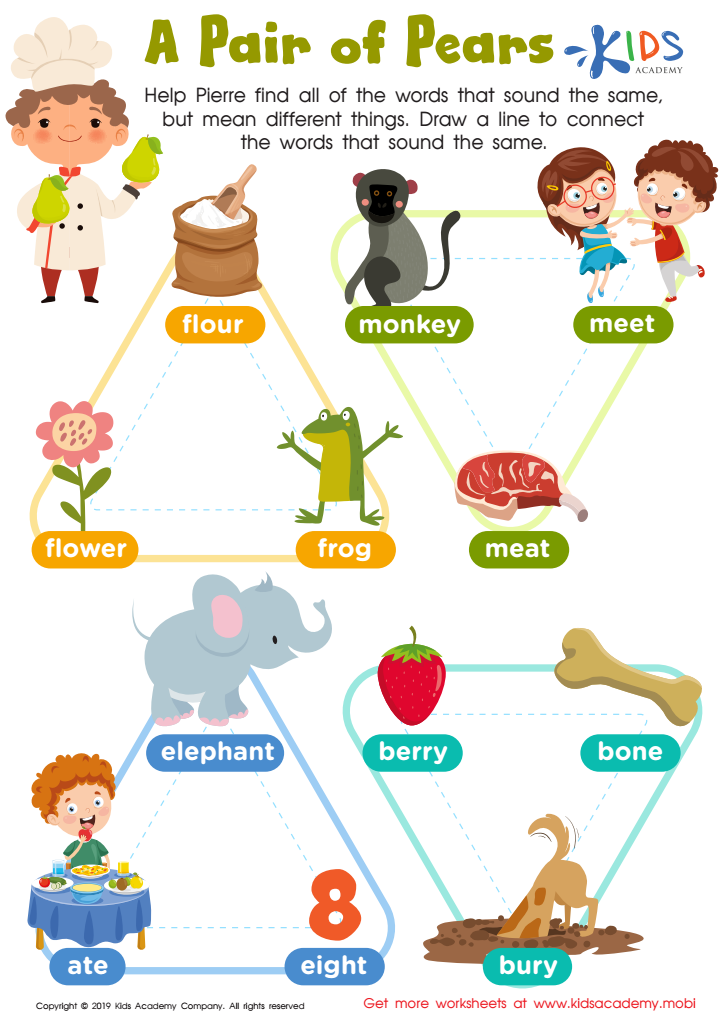
Pair Pears Worksheet


Pair Pears Worksheet

Young readers can have difficulty knowing when to use the right homophone. This free worksheet helps them use familiar imagery to understand better by connecting words that sound similar but are spelled and mean different things. Students will trace the lines to form a picture and have a reference image to differentiate between the different homophones.
Pair Pears Worksheet
Worksheet


Observation skills are crucial for children ages 4-8, benefitting their cognitive, social, and academic development. At this pivotal stage, young minds are rapidly expanding, making it essential for parents and teachers to nurture observational abilities.

Observation skills serve as the foundation for learning. By keenly observing their surroundings, children gather vital information that contributes to their understanding of the world. This ability is integral in subjects like science, where noticing details can foster curiosity and lead to scientific inquiry.

Socially, these skills help children navigate interactions with peers and adults. Noticing body language, facial expressions, and social cues enhances their ability to empathize and communicate effectively. This fosters healthier friendships and more positive relationships.

Cognitively, observing details enhances children's critical thinking and problem-solving abilities. Noticing subtle differences, patterns, and changes helps them develop stronger analytical skills. For example, learning to differentiate between similar letters or numbers is crucial in reading and math proficiency.

For teachers and parents, fostering observation skills involves encouraging children to discuss what they see, asking open-ended questions, and offering activities that promote attention to detail. Simple activities like nature walks or "I spy" games can make this practice enjoyable and impactful.

In a world brimming with distractions, cultivating attentive observation skills in children ensures they develop the keen senses necessary for academic and social success.