Phonics practice Worksheets for Ages 4-8 - Page 2
26 filtered results
-
From - To
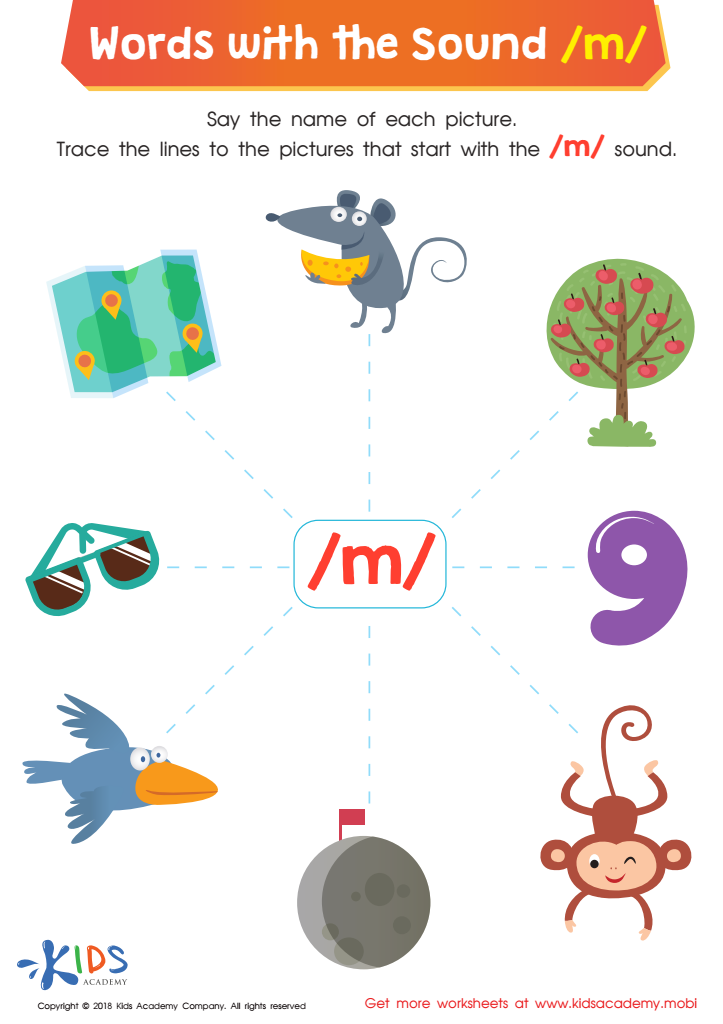
Words with Sound M Reading Worksheet
 Assign to My Students
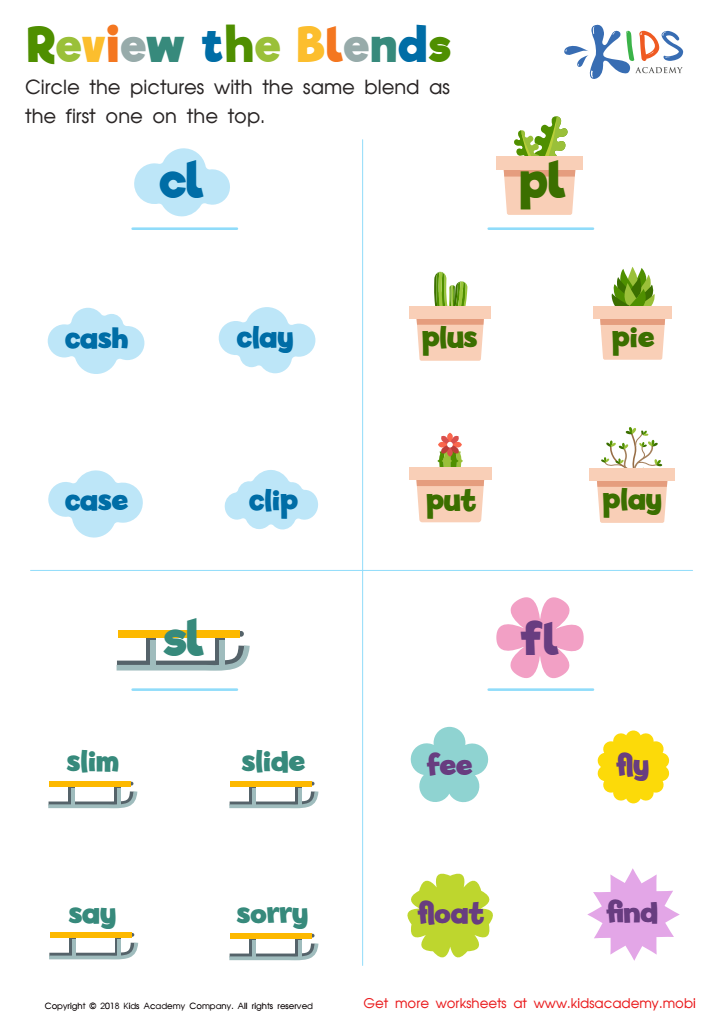
Review the Blends Worksheet








Phonics practice is crucial for children ages 4-8 as it lays the foundation for successful reading and writing. During these formative years, children's brains are especially receptive to learning language skills. Phonics helps them understand the relationship between sounds and letters, enabling them to decode words, which is vital for reading fluency.
Effective phonics instruction empowers children to tackle unfamiliar words independently, fostering confidence in their reading abilities. This self-assurance encourages a love for books and learning, which enhances their overall educational experience. Moreover, strong phonics skills support spelling and contribute to better writing proficiency, crucial in all academic areas.
Parents and teachers play an instrumental role in facilitating phonics practice. Engaging activities, such as rhymes, games, and interactive read-alouds, can make learning enjoyable for children. Additionally, consistent phonics practice can help identify and address learning difficulties early, preventing future struggles with literacy.
In summary, by prioritizing phonics in the early years, parents and teachers can create a strong literacy foundation that not only supports academic success but also instills a lifelong love for reading and learning in children.








