Pre-writing skills Worksheets for Ages 4-8
5 filtered results
-
From - To
Unlock your child's creativity with our engaging Pre-Writing Skills Worksheets for ages 4-8! Designed to lay a strong foundation for writing, these worksheets help children develop essential fine motor skills through fun activities. From tracing lines and shapes to practicing letter formation, each worksheet promotes coordination and control while being entertaining. Whether at home or in the classroom, our resources support early learners in their journey towards confident writing. Encourage your child's artistic expression and prepare them for future academic success with our carefully crafted pre-writing exercises. Download your worksheets today and watch your little one's skills flourish!
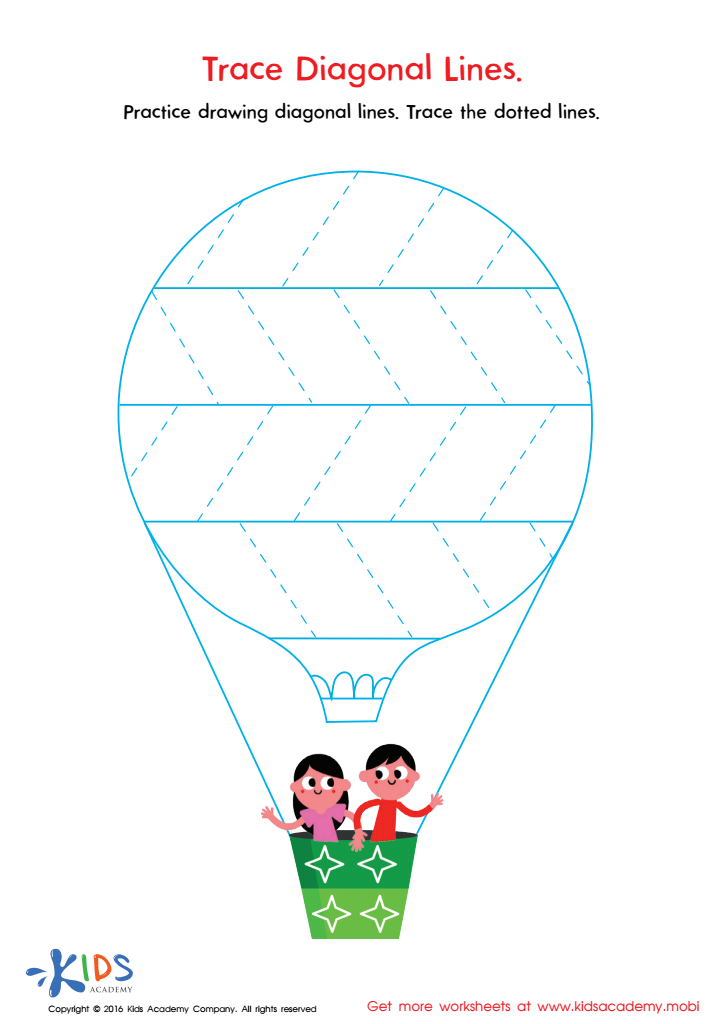
Trace Diagonal Lines Worksheet
 Assign to My Students
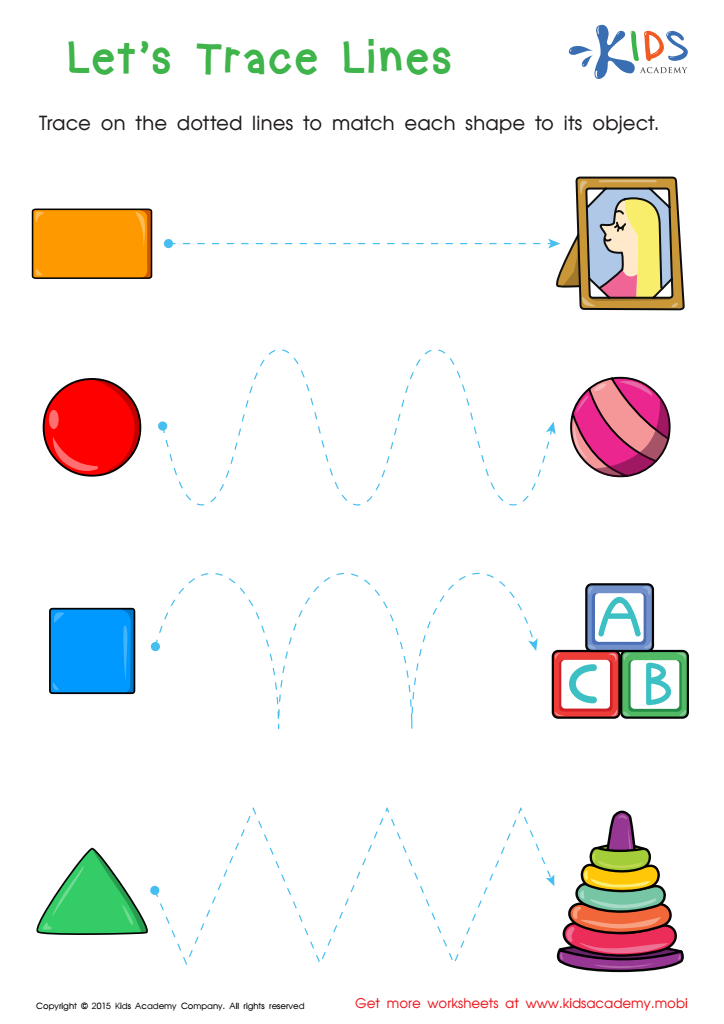
First Words: Let's Trace Lines Worksheet
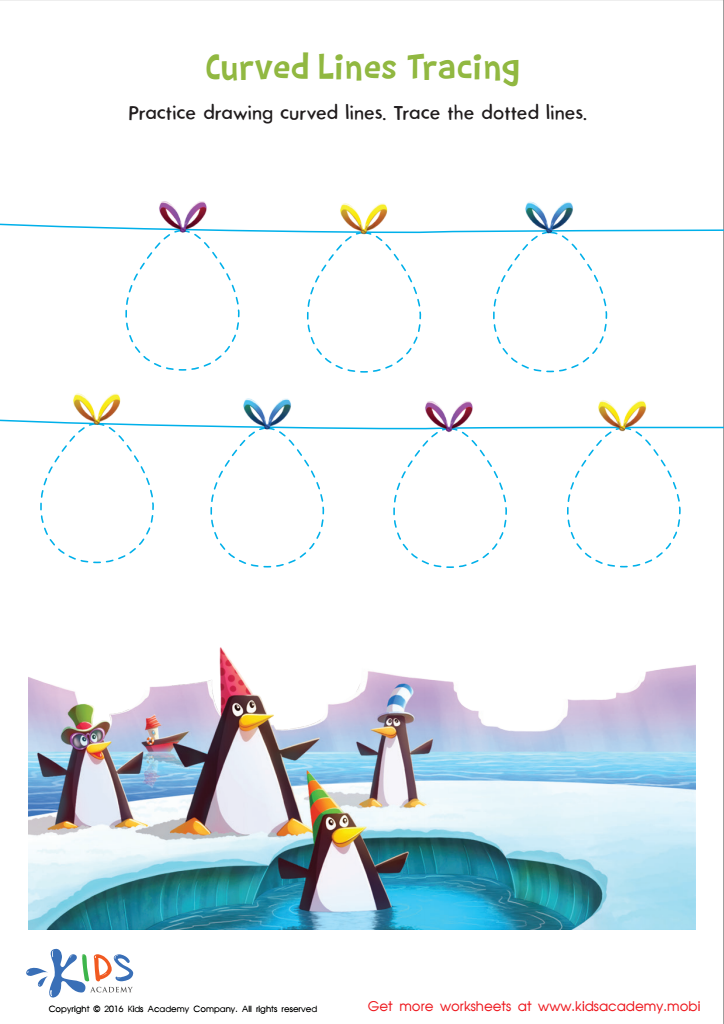
Curved Lines Tracing Worksheet
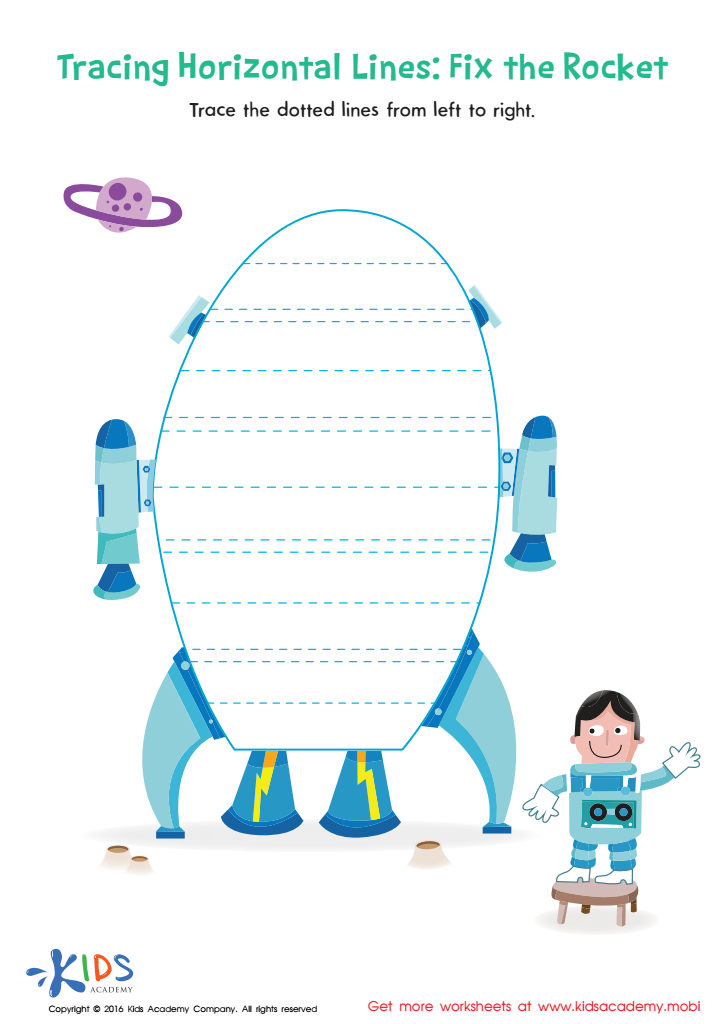
Tracing Horizontal Lines Worksheet
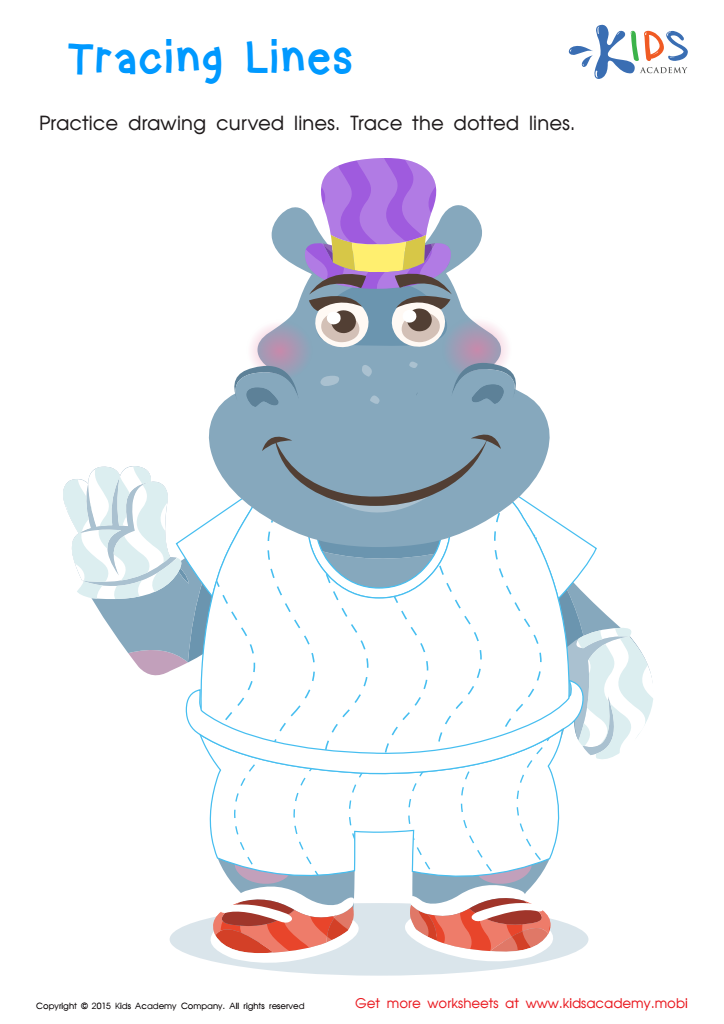
Tracing Lines Worksheet





.jpg)


Pre-writing skills are fundamental for children aged 4-8 as they serve as the foundation for effective writing, which is critical for academic and personal expression. During these formative years, children develop hand-eye coordination, fine motor skills, and cognitive abilities that are crucial for writing. By focusing on pre-writing skills, parents and teachers can help children learn to control a pencil, understand letter formation, and express their ideas coherently, which fosters confidence and motivation.
Moreover, pre-writing activities stimulate children's creativity and critical thinking. Engaging in tracing, drawing, and even simple storytelling encourages them to articulate their thoughts and emotions. This practice not only aids in literacy development but also supports social skills, as children often share their work with peers and adults, promoting communication.
Furthermore, emphasizing pre-writing skills at an early age helps identify potential learning difficulties early, allowing for timely intervention and support. By nurturing these skills, parents and teachers ensure that children are well-prepared for academic success and lifelong learning. Early intervention in developing pre-writing skills can lead to stronger writing abilities and overall literacy, ultimately setting the stage for preferred learning outcomes in later years.








