Predicting outcomes Worksheets for Ages 4-8
3 filtered results
-
From - To
Introducing our engaging "Predicting Outcomes Worksheets" designed specifically for children aged 4-8! These worksheets are crafted to enhance critical thinking and problem-solving skills through fun, interactive activities. Each worksheet encourages students to analyze situations and make predictions based on various scenarios, promoting cognitive development and reasoning abilities. Ideal for both classroom use and at-home learning, our worksheets cater to different learning styles and help instill a sense of curiosity. Empower your young learners to think ahead and make informed guesses as they embark on exciting prediction adventures. Explore our collection today and watch your child’s confidence soar!
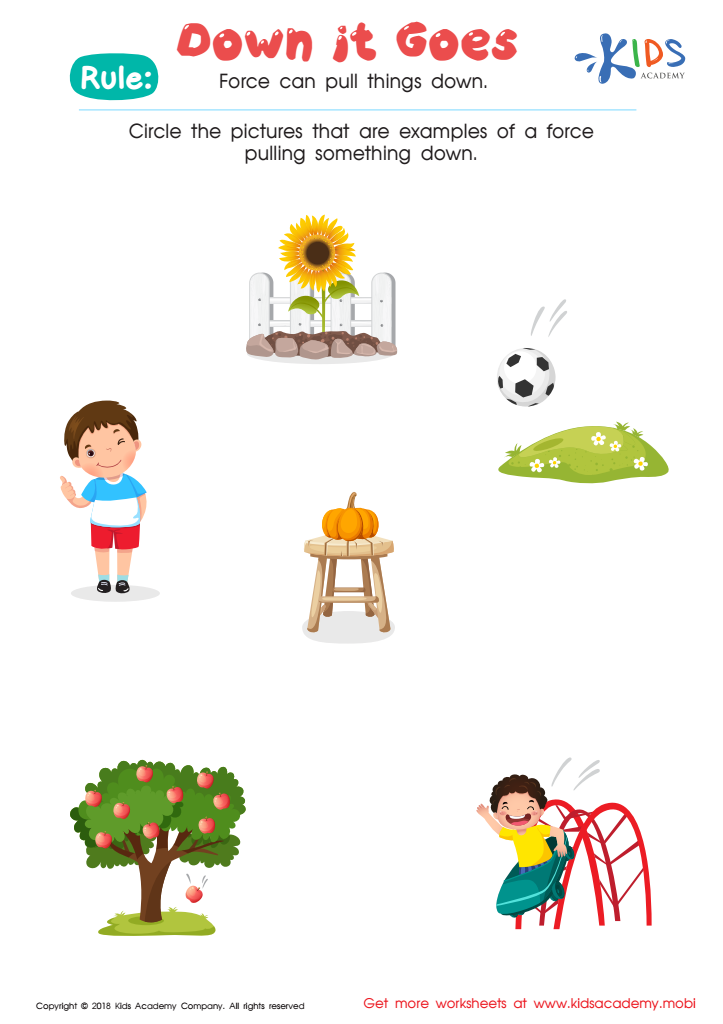
Down it Goes Worksheet
 Assign to My Students
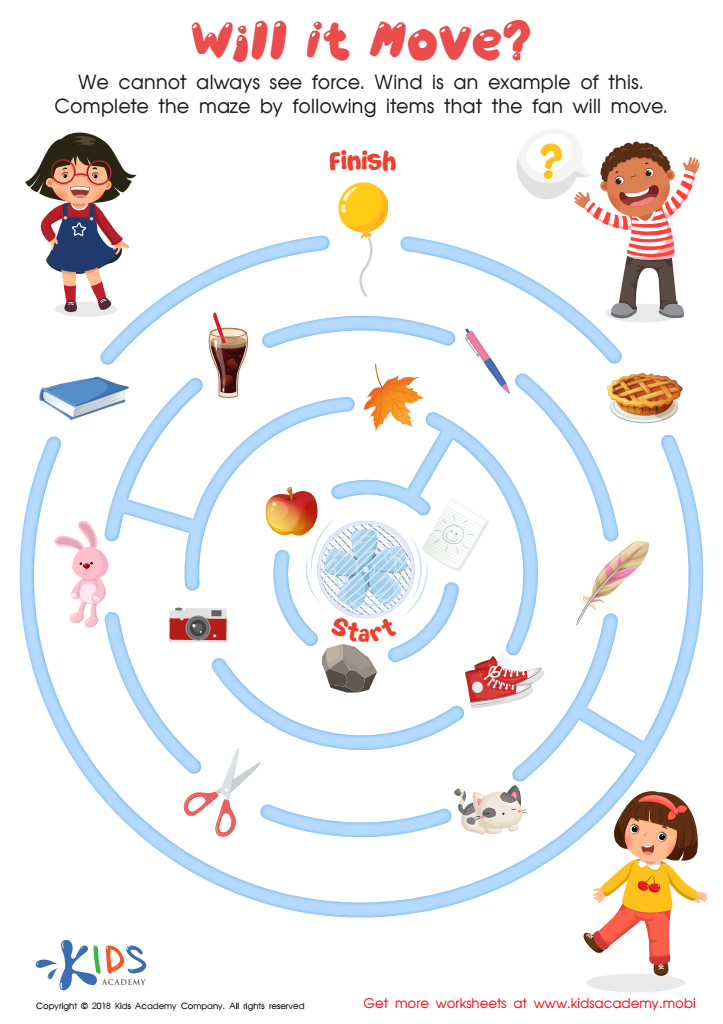
Will it Move? Worksheet

Race Car Ramp Worksheet





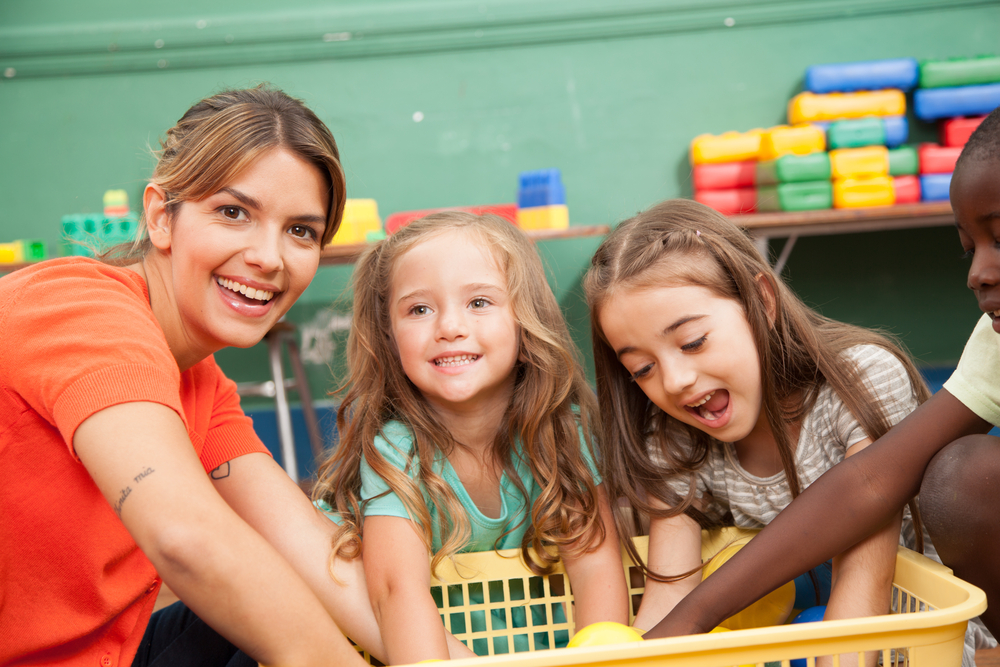


Predicting outcomes for children aged 4-8 is crucial for both parents and teachers, as it helps in identifying developmental milestones and academic readiness. During these formative years, children undergo significant cognitive, social, and emotional growth. By accurately predicting their potential outcomes, educators and caregivers can create tailored approaches that cultivate individual strengths while addressing areas needing improvement.
Understanding and anticipating children's developmental trajectories empower parents and teachers to implement timely interventions. For example, if a child exhibits early signs of reading difficulties, targeted support can be introduced, fostering a positive learning experience and preventing discouragement. This proactive approach allows children to thrive academically and emotionally during a pivotal stage of their lives.
Additionally, outcome predictions aid in goal-setting and progress tracking. Parents can engage in meaningful conversations about their children's growth, while teachers can adjust instructional strategies to meet diverse needs within the classroom. Ultimately, recognizing the predictive patterns in behavior and achievement not only enhances educational outcomes but also enriches the parent-child and teacher-student relationships, fostering an environment where children feel supported and encouraged to reach their full potential. By investing in forecasting efforts, we ensure a brighter and more successful future for our youngest learners.








