Problem Solving Worksheets for Ages 4-8
44 filtered results
-
From - To
Discover our engaging Problem Solving Worksheets designed specifically for children aged 4-8! These interactive resources help young learners develop critical thinking and reasoning skills in a fun and enjoyable way. Each worksheet offers a variety of puzzles and challenges, including matching games, sequencing activities, and visual problem-solving exercises. Perfect for at-home learning or classroom activities, our worksheets aim to enhance creativity and promote independent thinking. Foster your child’s confidence and curiosity as they learn to tackle problems with innovative solutions. Explore our collection today and watch your little ones thrive through hands-on learning experiences that inspire a lifelong love of problem solving!
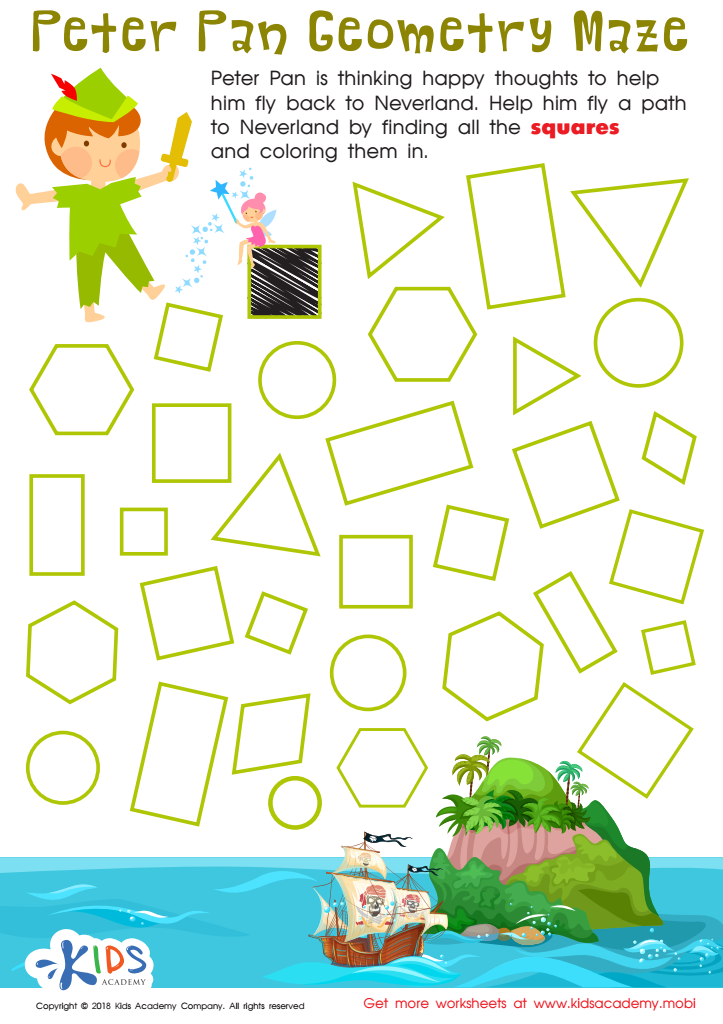
Peter Pan Worksheet
 Assign to My Students
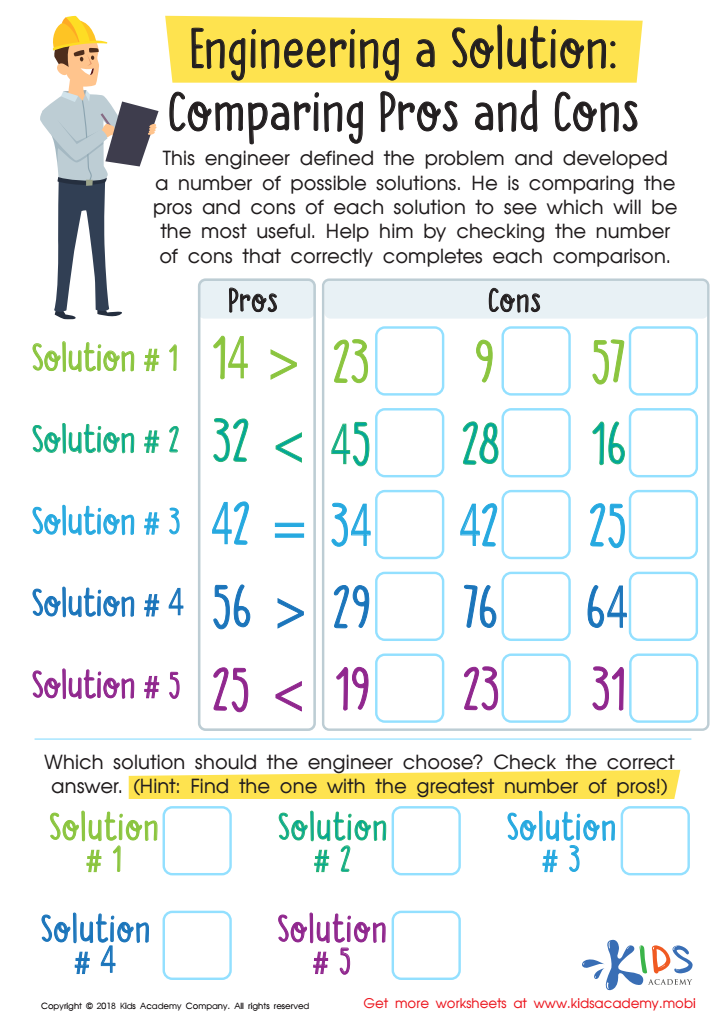
Engineering a Solution: Comparing Pros and Cons Worksheet
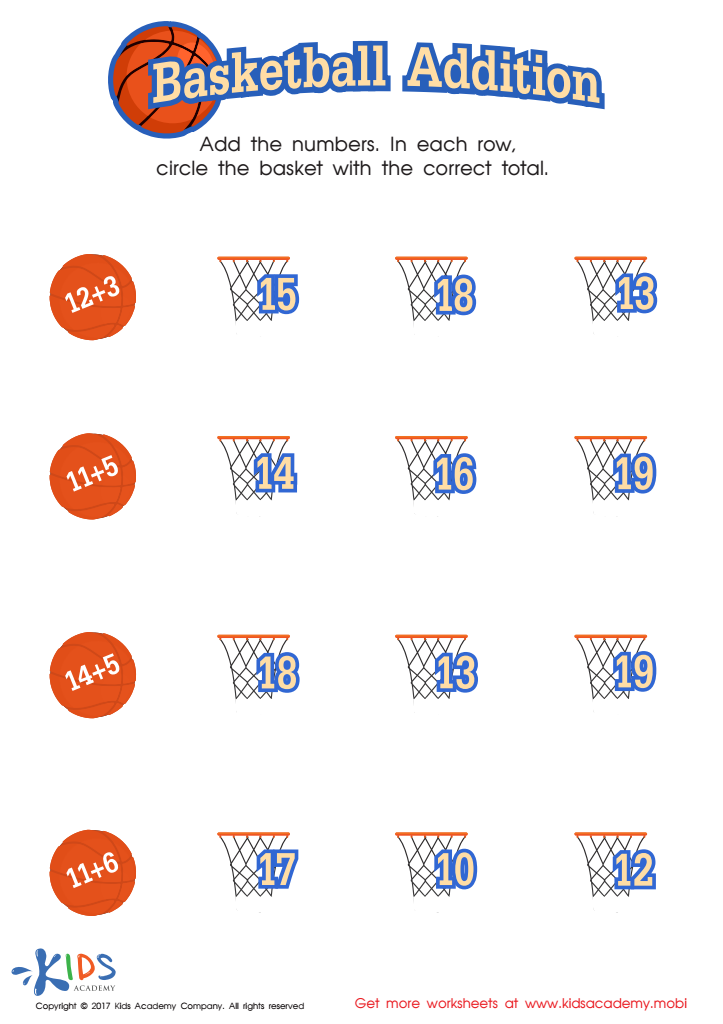
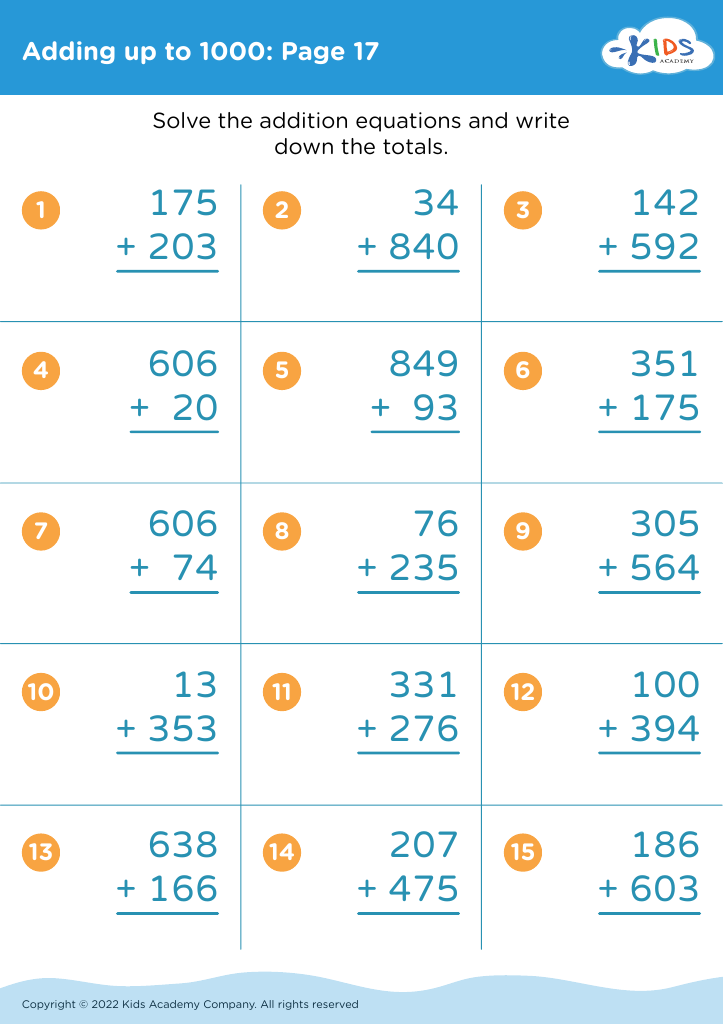
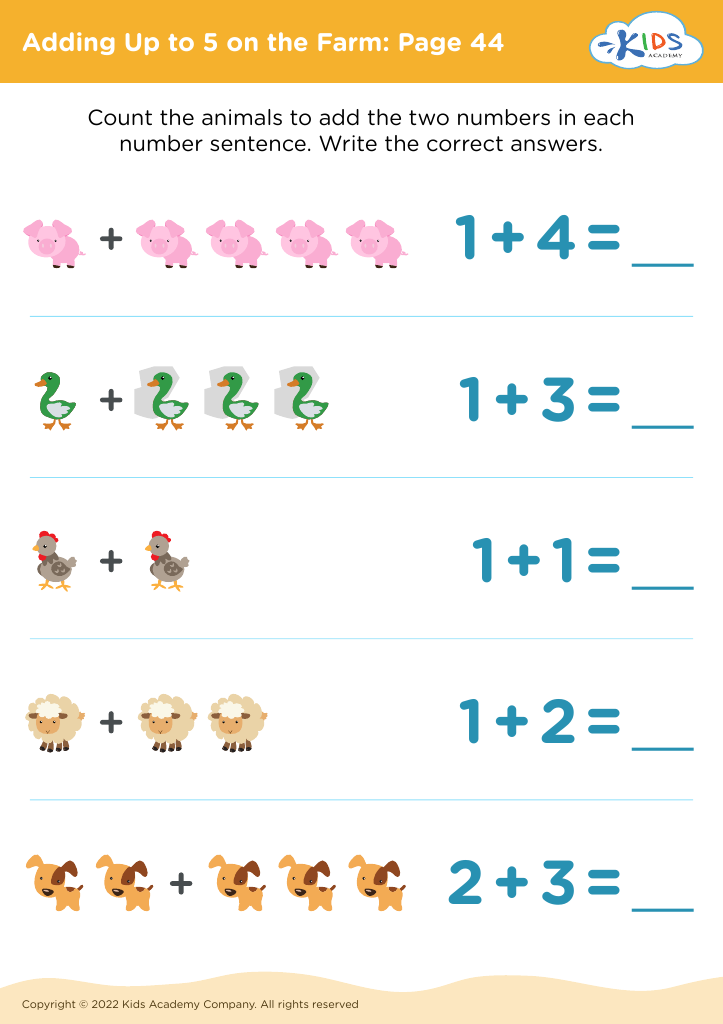
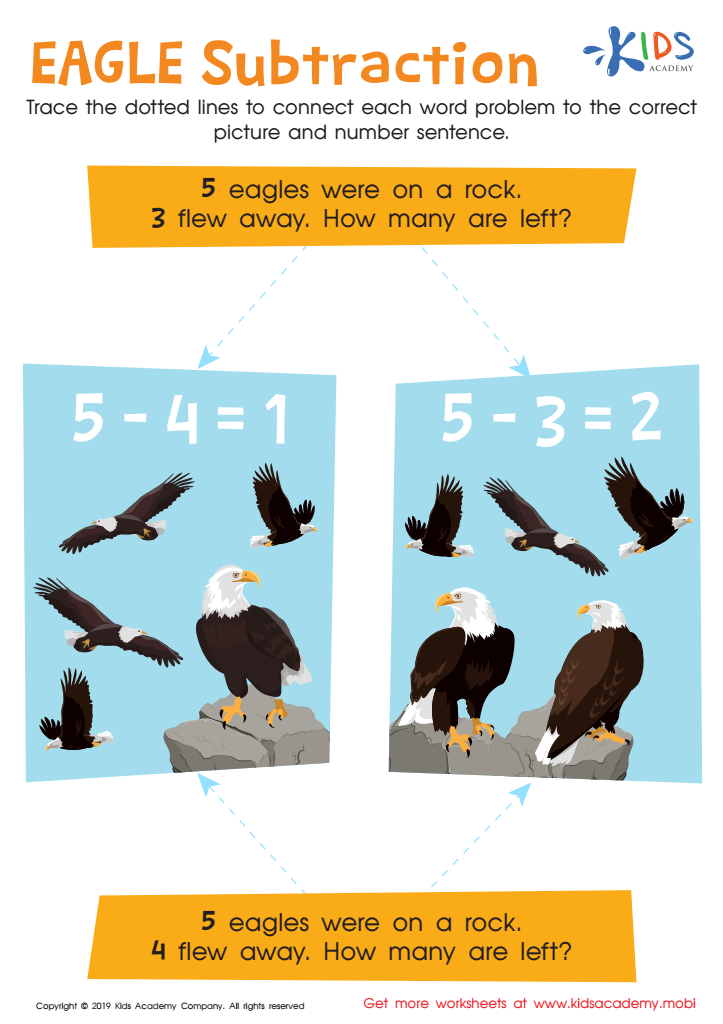
Eagle Subtraction Worksheet
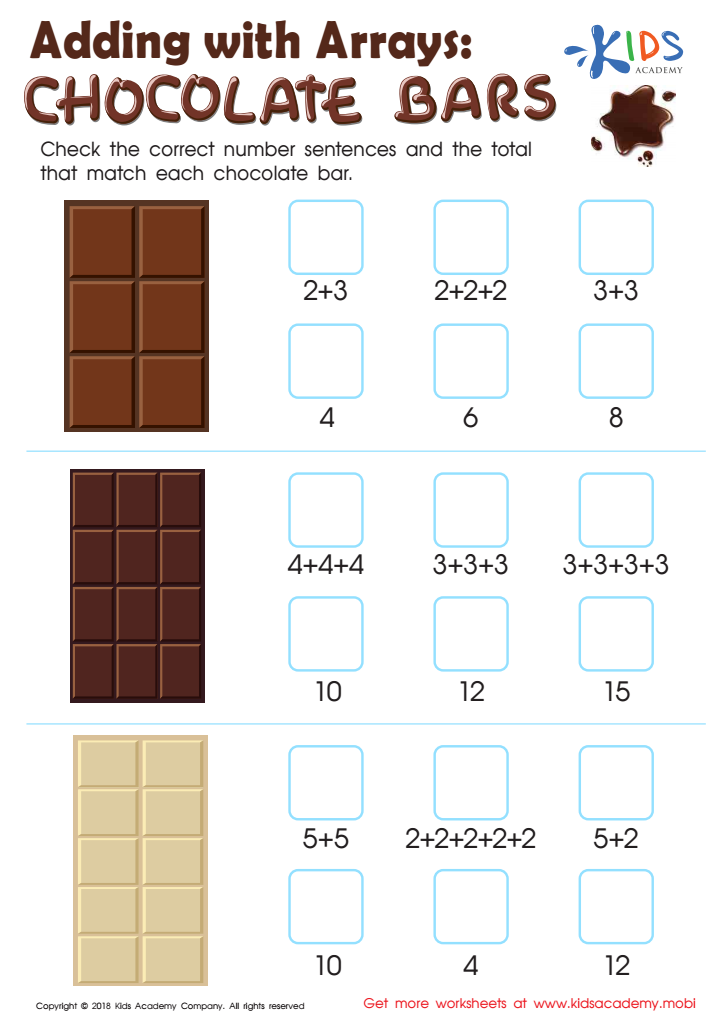
Adding with Arrays: Chocolate Bars Worksheet
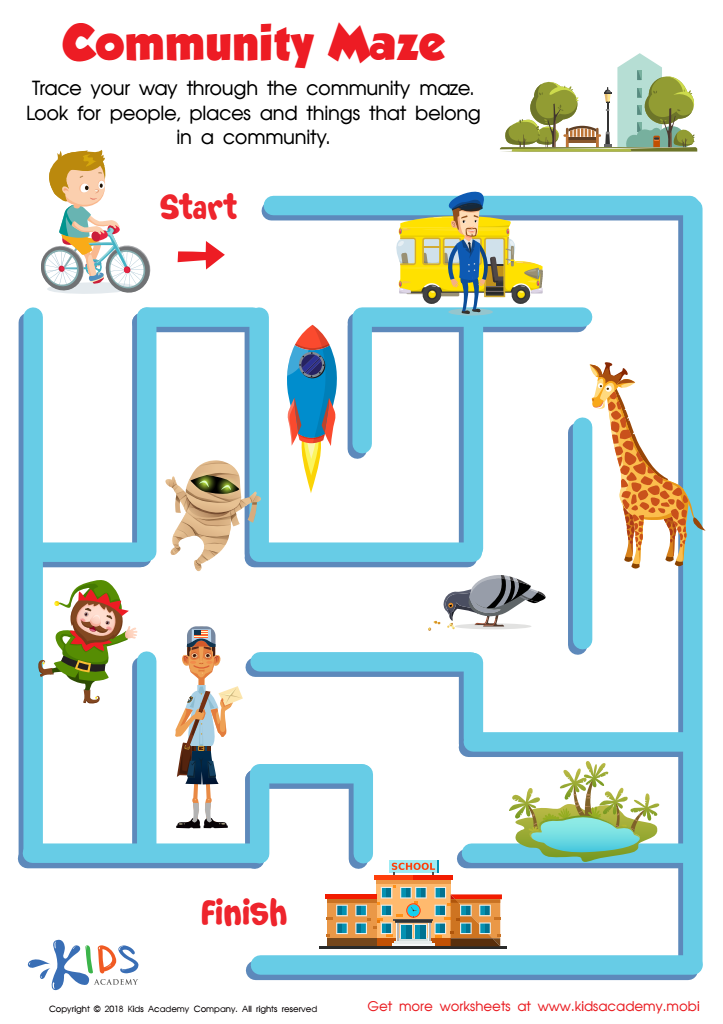
Community Maze Worksheet
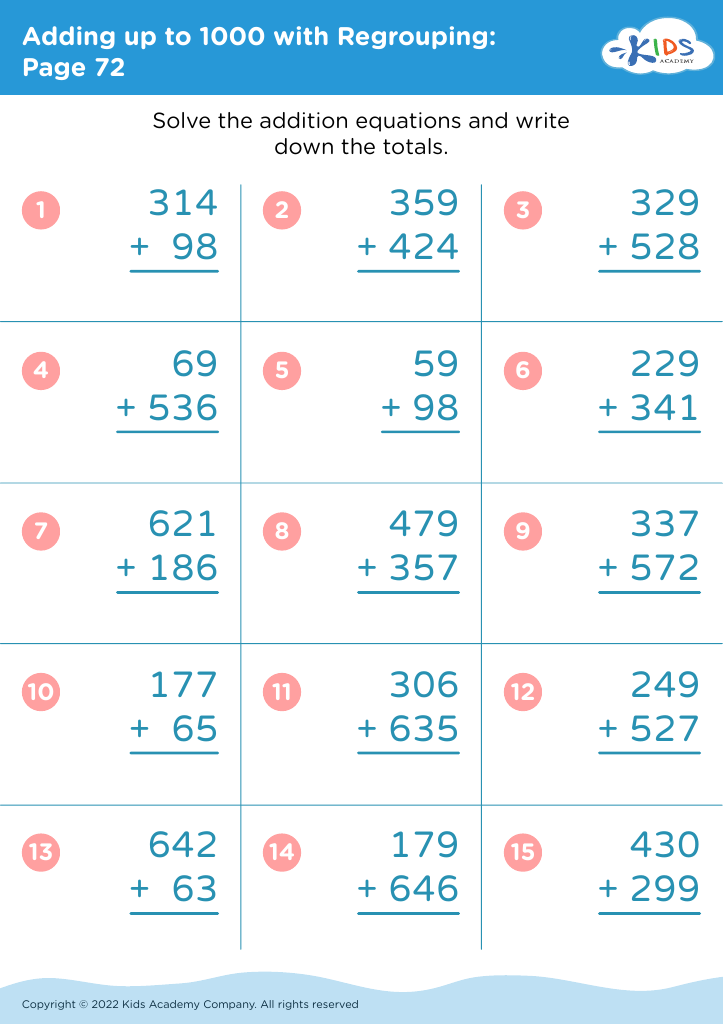
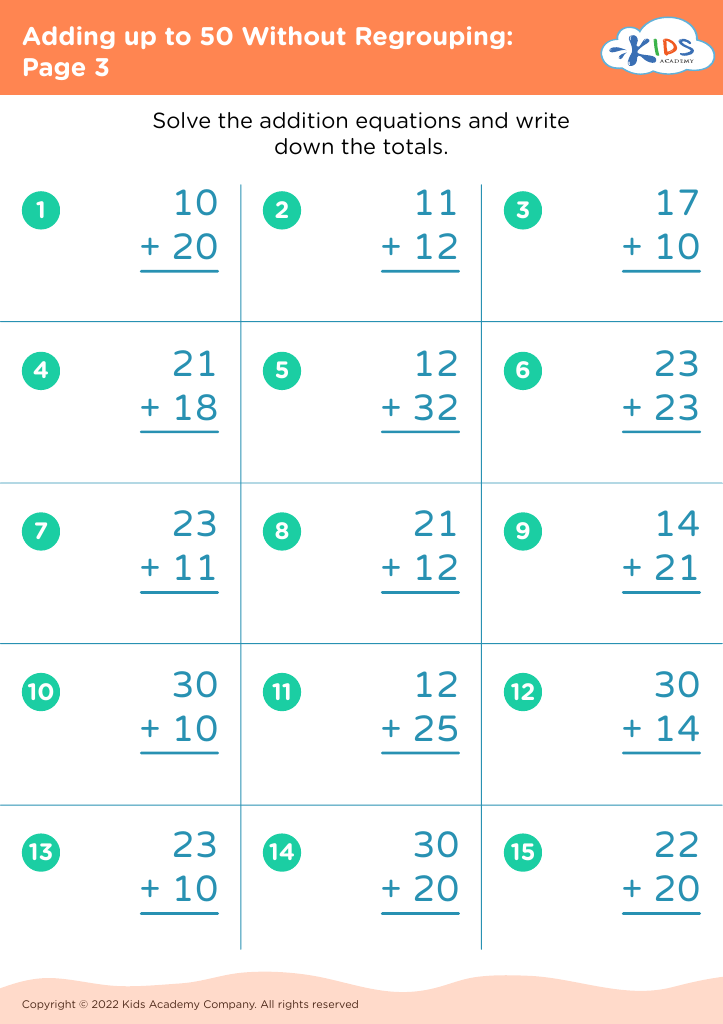
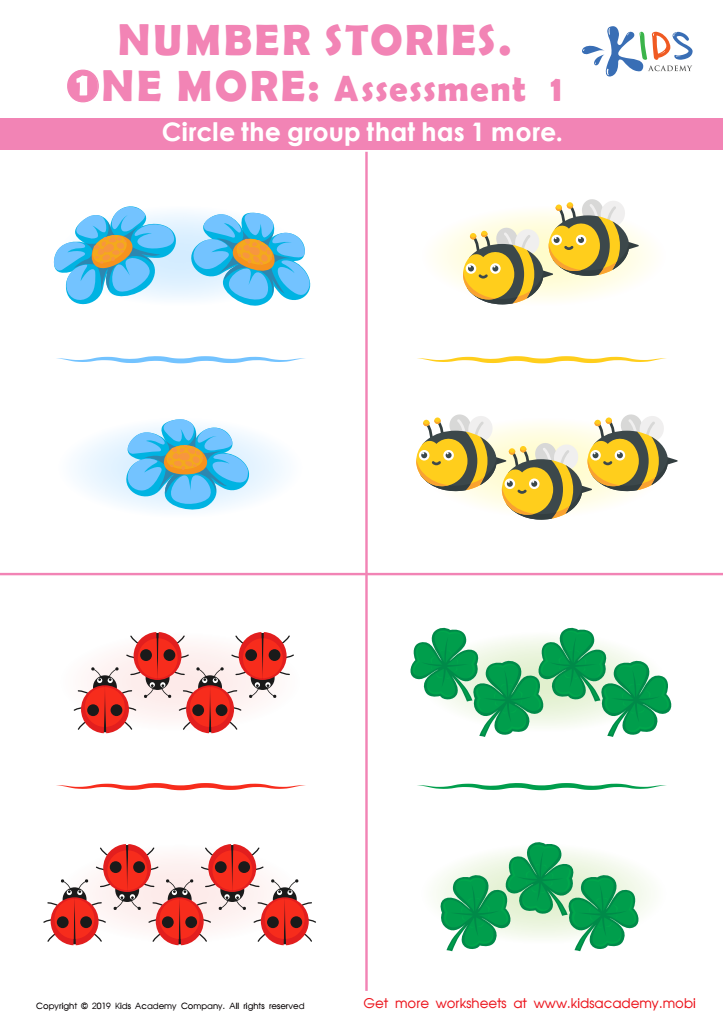
Number Stories One More – Assessment 1 Worksheet
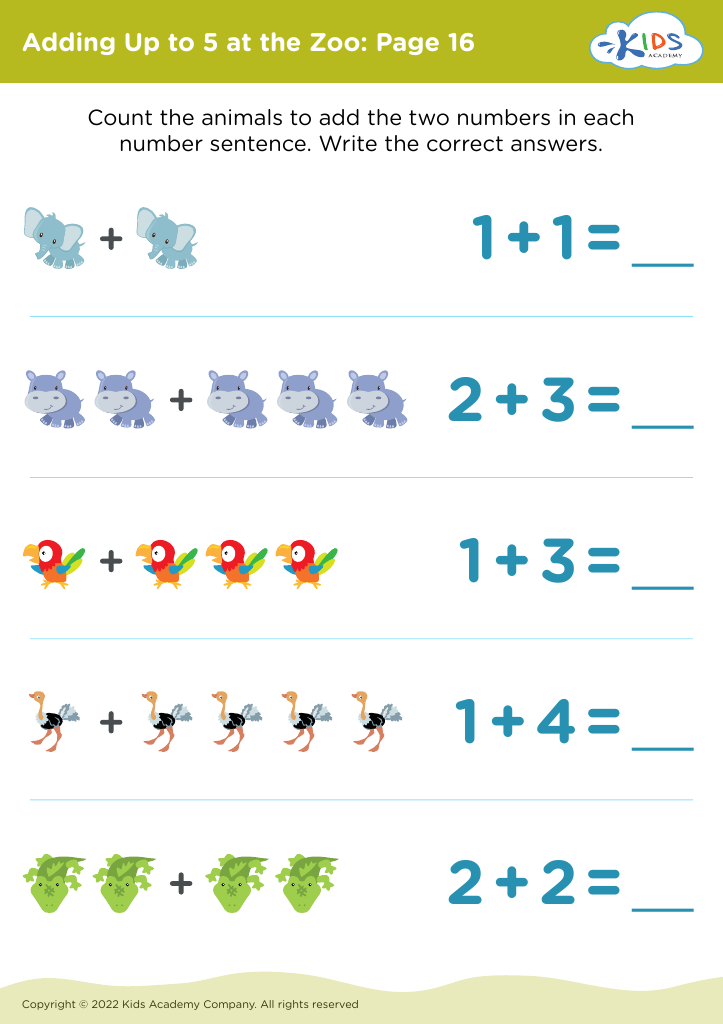
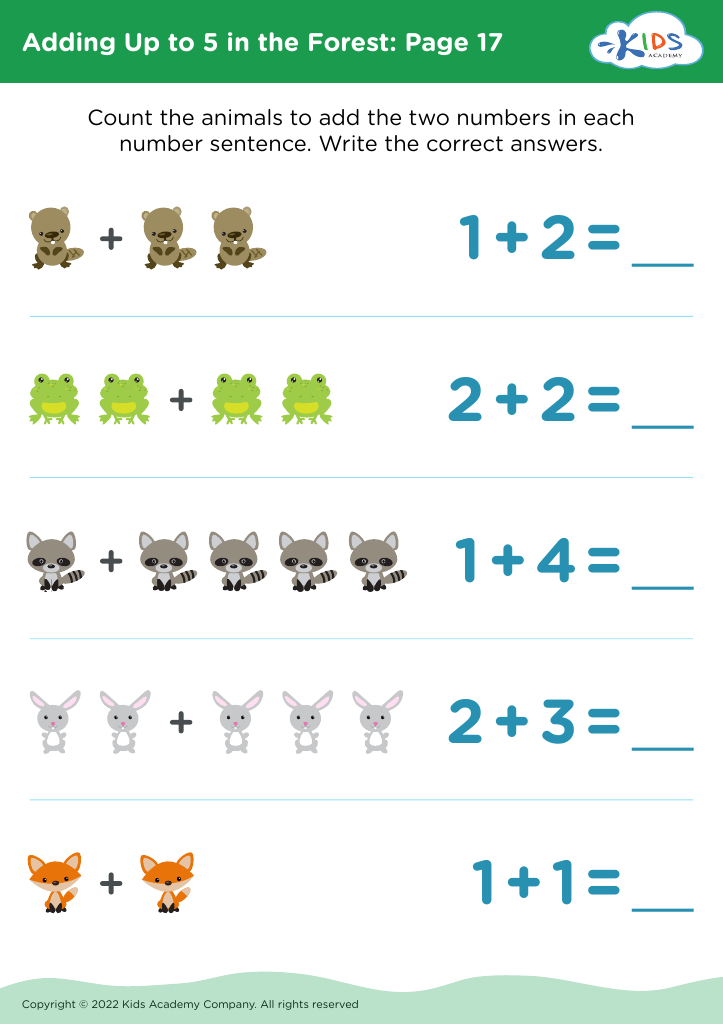
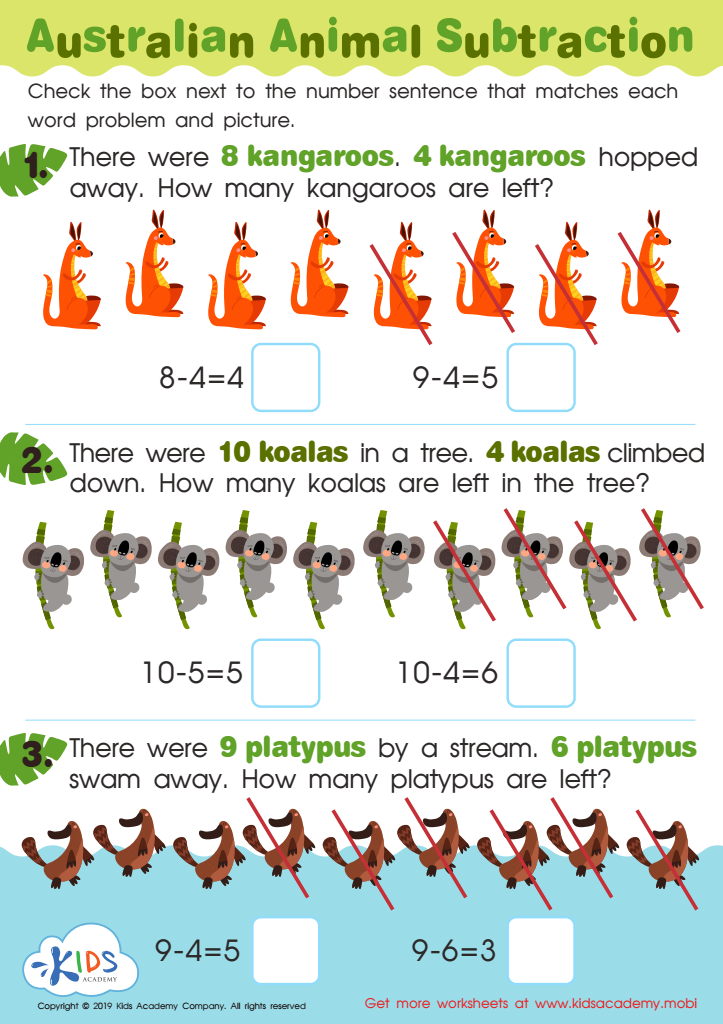
Australian Animal Subtraction Worksheet
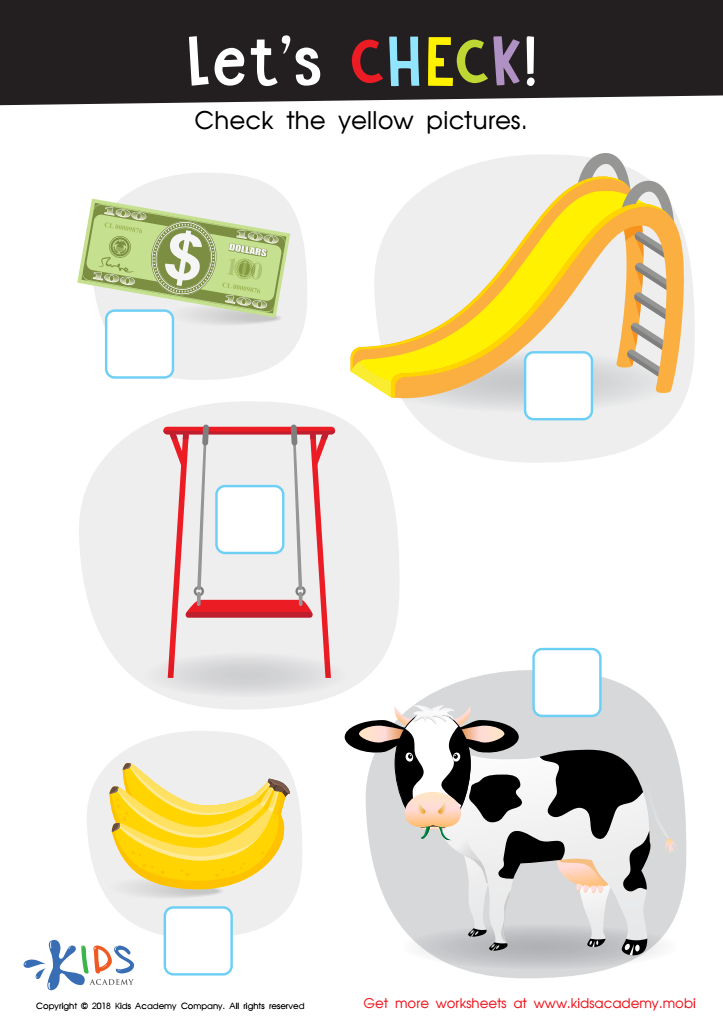
Let's Check! Worksheet
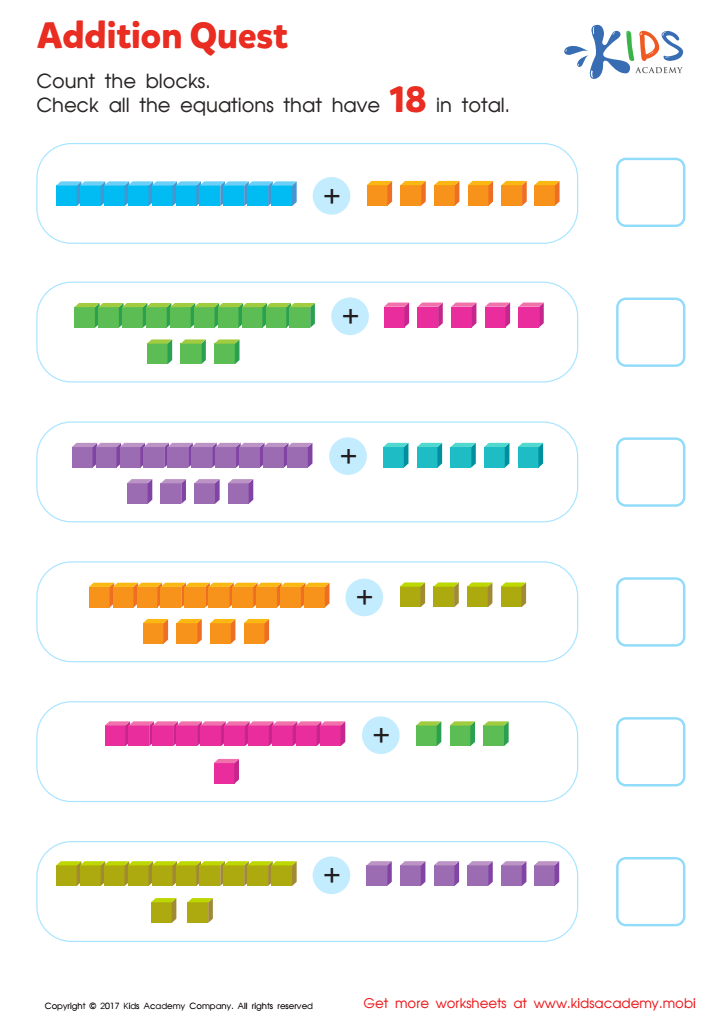
Addition Quest Worksheet: Part 2
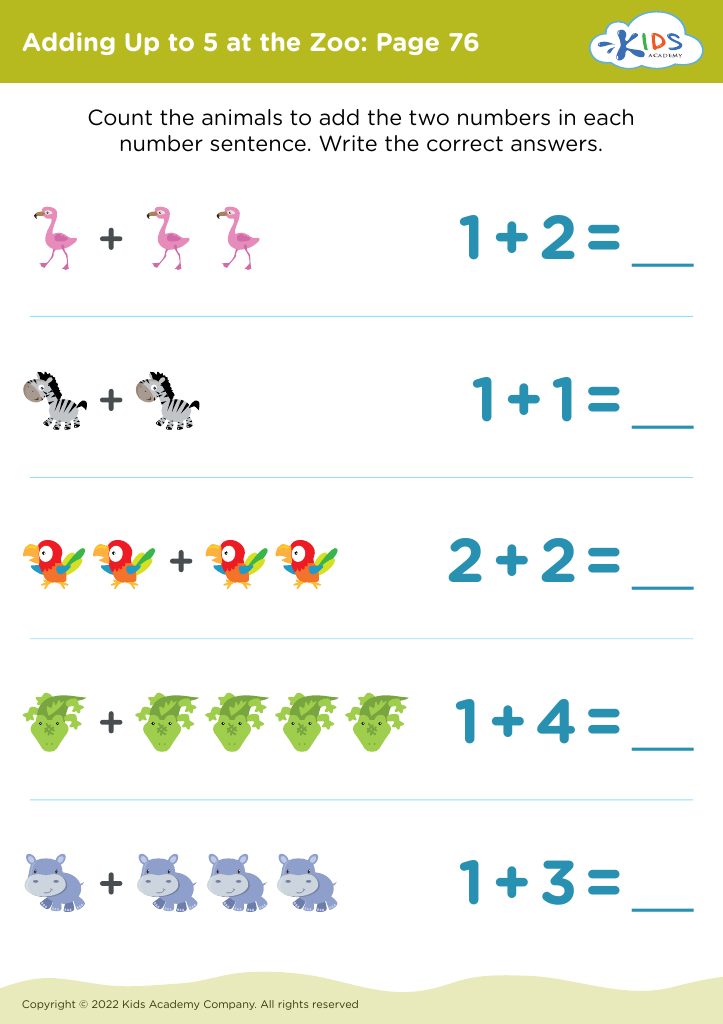
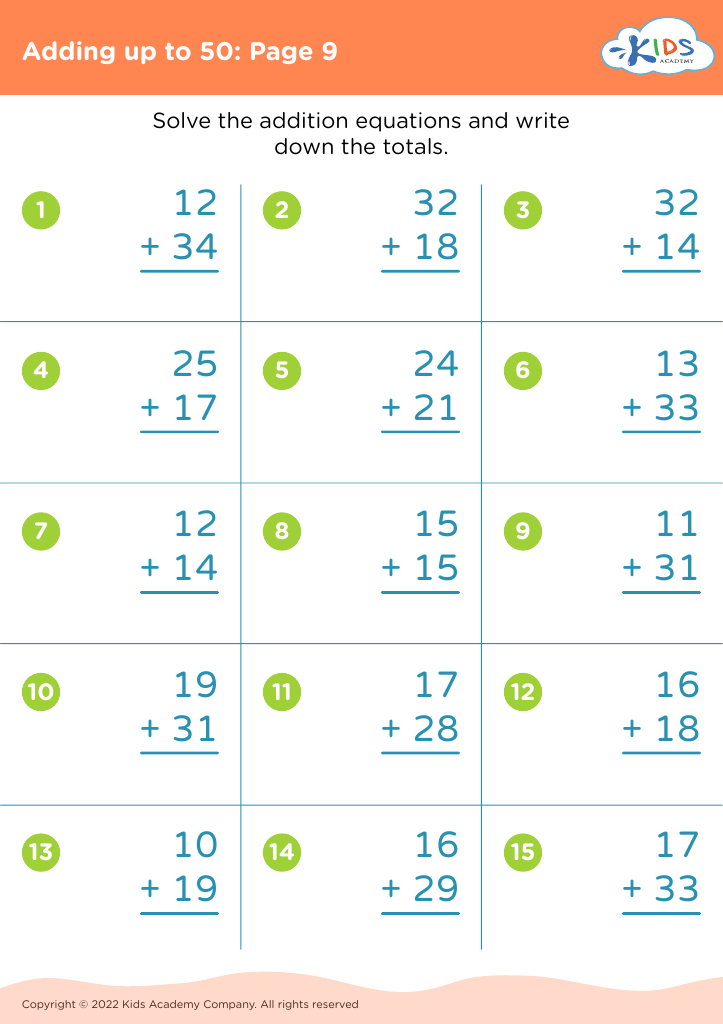
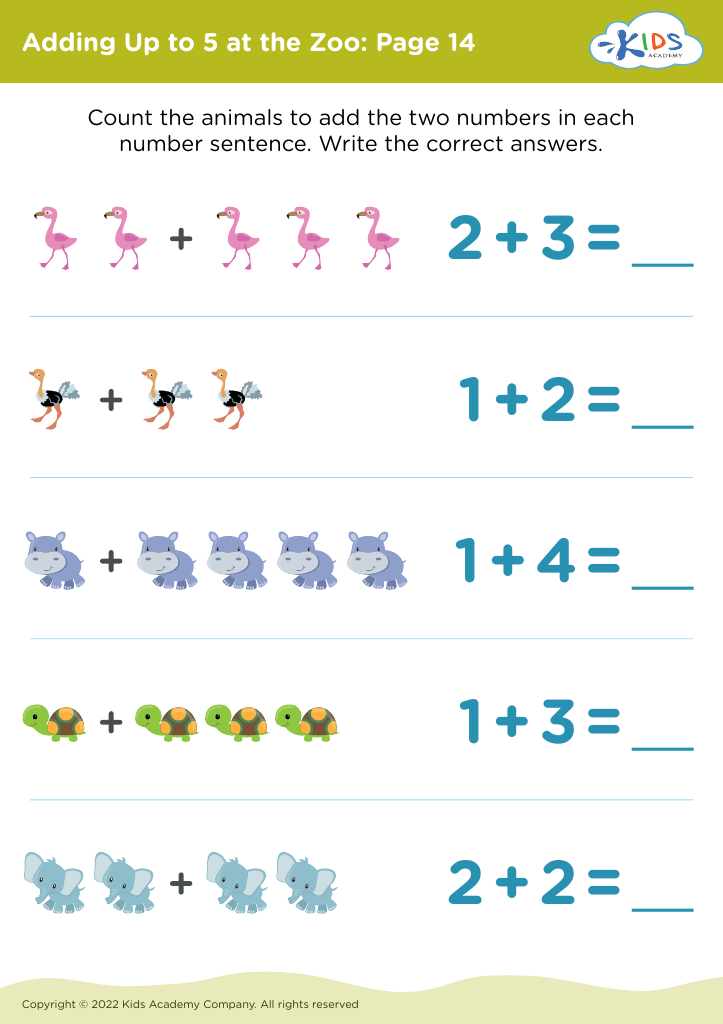

Skater Maze Worksheet
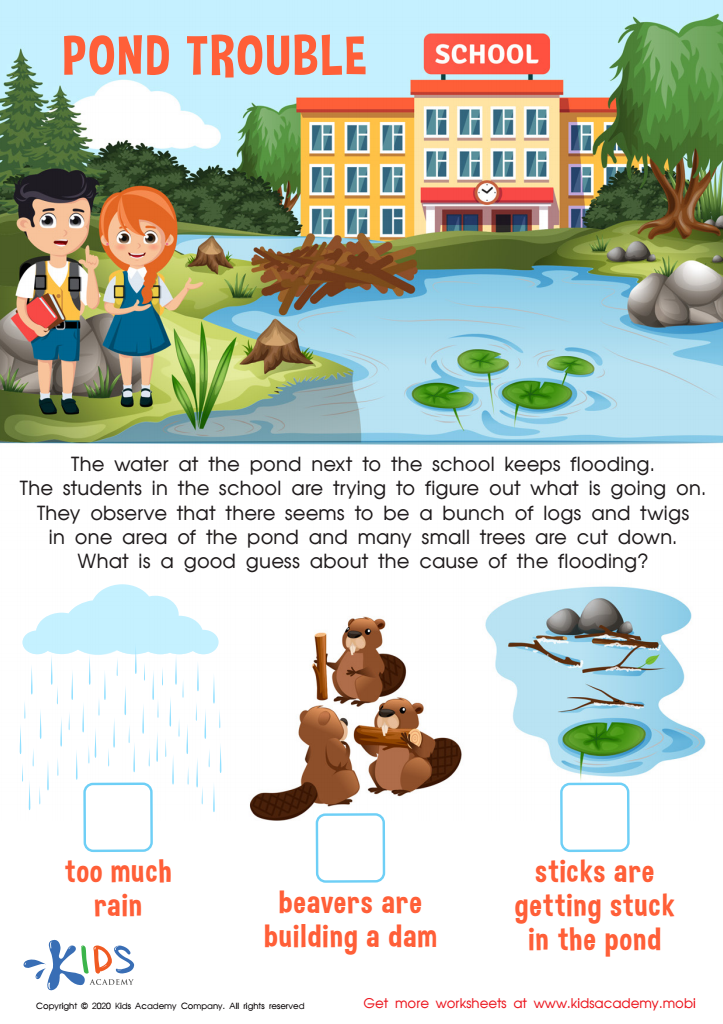
Pond Trouble Worksheet
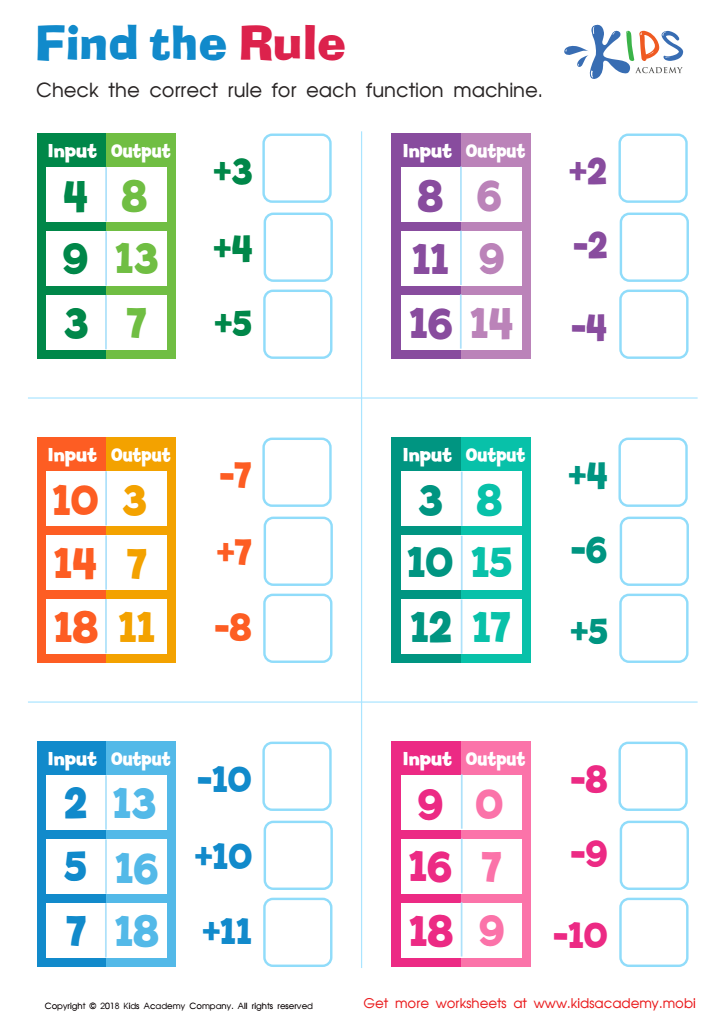
Find the Rule Worksheet








Problem-solving is a crucial skill for children aged 4-8 as it lays the foundation for critical thinking, independence, and lifelong learning. At this developmental stage, kids are naturally curious and eager to explore the world around them. Encouraging problem-solving helps them learn to navigate challenges, make decisions, and understand consequences.
When parents and teachers focus on problem-solving, they help children develop resilience. Instead of aiming for quick solutions or immediate answers, children learn to explore multiple approaches, think creatively, and persist through difficulties. This not only boosts their confidence but also fosters a growth mindset, where they embrace challenges and view mistakes as opportunities for growth.
Additionally, problem-solving activities promote collaboration and social skills. Working with peers or adults to tackle a problem enhances communication and teamwork, essential skills for future interactions.
Moreover, strong problem-solving capabilities support academic achievement across subjects, from math to literacy. Children learn how to articulate their thoughts, break down complex ideas, and apply knowledge effectively. In essence, nurturing problem-solving skills equips children with the tools they need to thrive as learners, engage in their communities, and succeed in their future endeavors. Thus, prioritizing problem-solving is vital for holistic child development.








