Problem-solving ability Worksheets for Ages 4-8
5 filtered results
-
From - To
Enhance your child's critical thinking skills with our engaging Problem-Solving Ability Worksheets tailored for ages 4-8. Designed to stimulate young minds, these worksheets feature a variety of fun and educational activities that encourage children to think creatively and strategically. Your children will master essential problem-solving techniques through puzzles, matching activities, logical reasoning tasks, and more. Each worksheet is crafted to be developmentally appropriate, ensuring challenges that are just right for their age. Perfect for parents and educators seeking to boost cognitive abilities while making learning enjoyable. Download now and set your young problem solvers on the path to success!
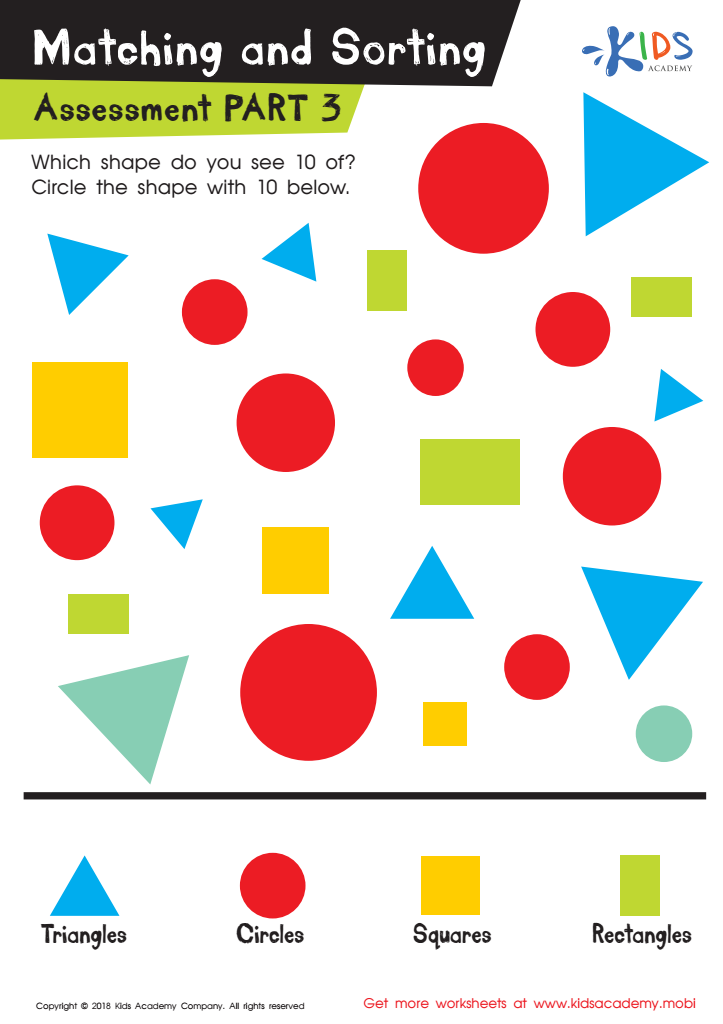
Matching and Sorting for Kindergarten: Assessment 3 Worksheet
 Assign to My Students
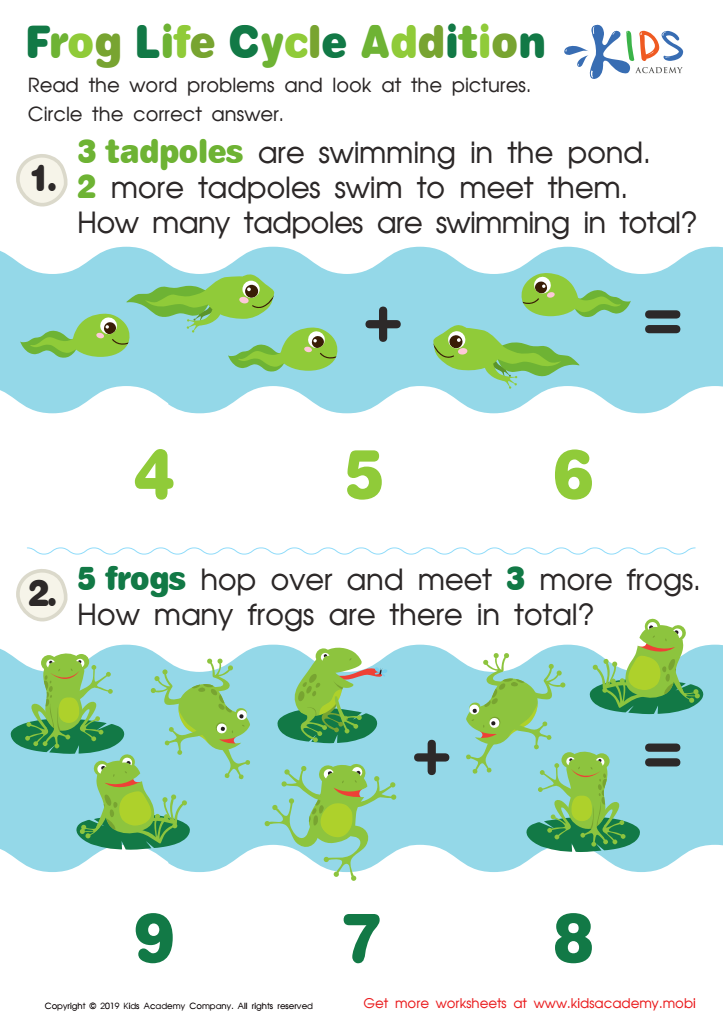
Frog Life Cycle Addition Worksheet
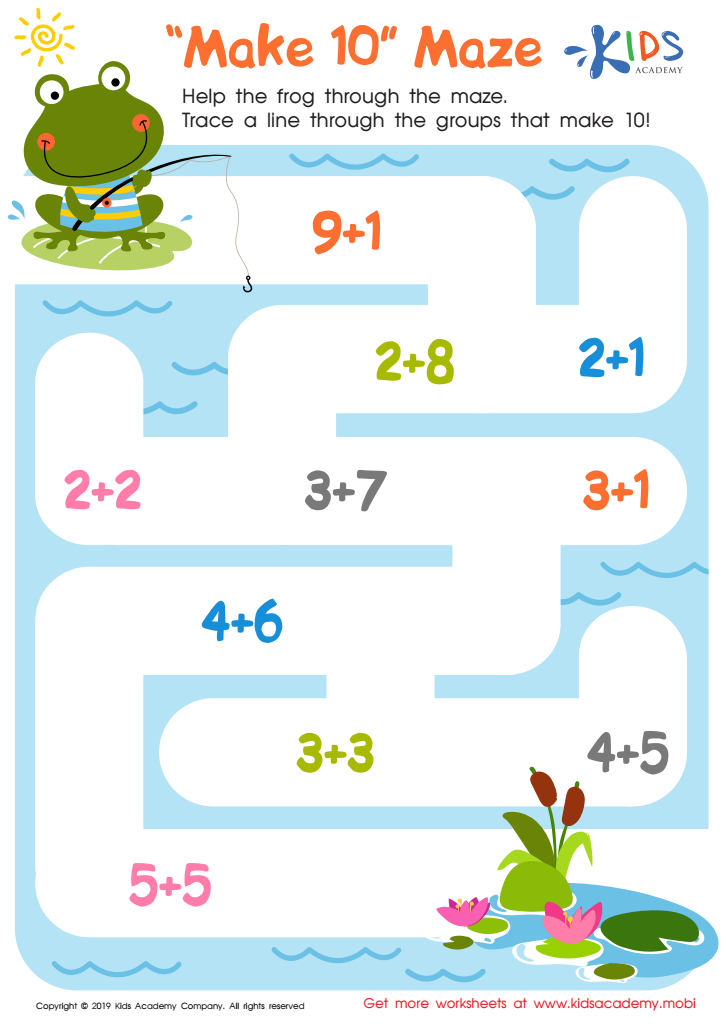
Make 10 Maze Worksheet

Animal Hide and Seek Worksheet







Problem-solving ability in children aged 4-8 plays a crucial role in their overall development and future success. At this stage, their brains are developing rapidly, and enhancing these skills can significantly impact their cognitive, social, and emotional growth. When parents and teachers focus on problem-solving abilities, they essentially prepare children to think critically and approach challenges with creativity and resilience.
Firstly, good problem-solving skills aid in cognitive development. Children learn to analyze situations, think logically, and understand cause-and-effect relationships. This fosters better academic performance in subjects like mathematics, science, and reading.
Secondly, problem-solving is integral to social development. Through problem-solving activities, children learn to collaborate, share ideas, and respect different viewpoints. These social interactions can improve their communication skills and build empathy, making them well-adjusted and cooperative individuals.
Moreover, problem-solving can enhance emotional intelligence. By tackling various problems, children build perseverance and resilience, learning that failure is often a step towards success. This mental fortitude is critical for their ability to handle stress and setbacks as they grow older.
By nurturing problem-solving abilities early on, parents and teachers set a foundation for children to become independent thinkers and lifelong learners, ready to face the complexities of life with confidence and ingenuity.








