Recognize numbers Worksheets for Ages 4-8
3 filtered results
-
From - To
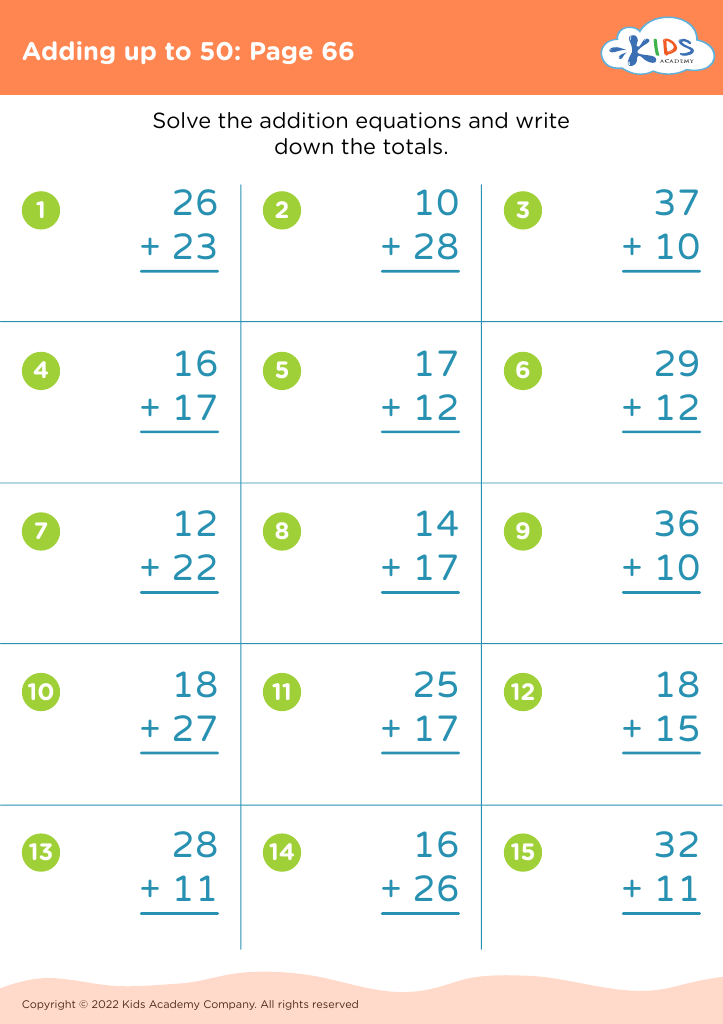
Introduce your child to the exciting world of numbers with our "Recognize Numbers Worksheets for Ages 4-8" at Kids Academy! These expertly designed worksheets offer engaging activities that help young learners identify, trace, and remember numbers. Perfect for preschool to early elementary students, our resources cover essential skills like counting, number sequencing, and basic math concepts. With colorful illustrations and interactive exercises, learning becomes a fun adventure. Boost your child's confidence and shore up foundational math skills with our age-appropriate, educational worksheets. Explore today and give your child a head start in mastering numbers!
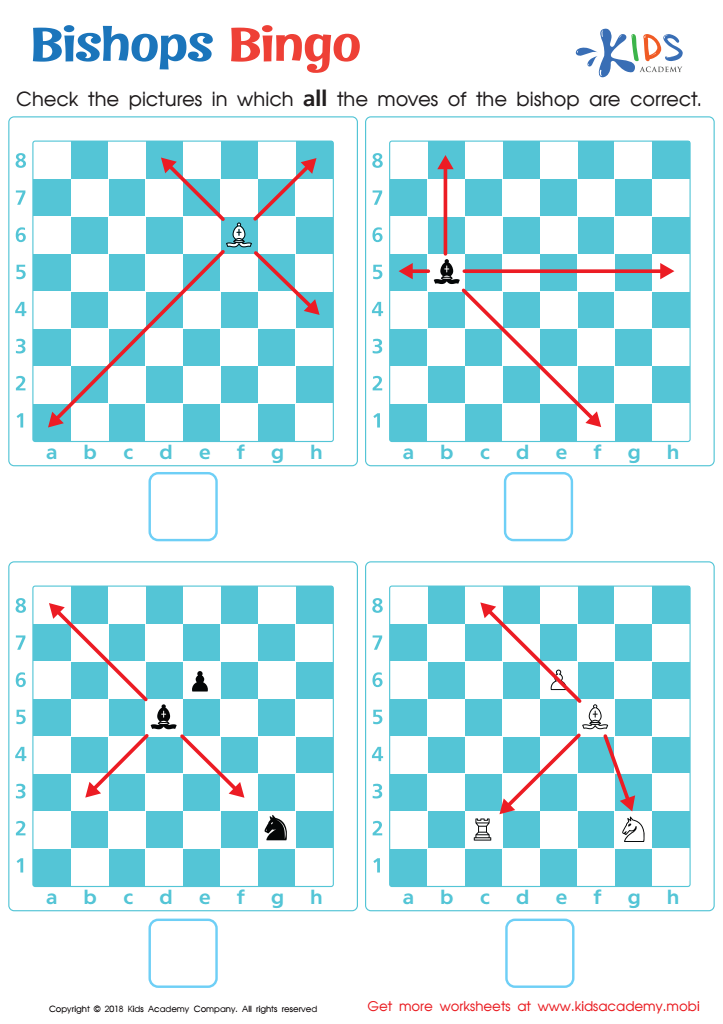
Bishops Bingo Worksheet







Parents and teachers should prioritize helping children aged 4-8 recognize numbers because it lays the foundation for essential math skills and cognitive development. Number recognition is pivotal as it sparks children's early familiarity with mathematical concepts, boosting their confidence and competence. At this age, children's brains are highly receptive, making it an optimal time to introduce these basic yet crucial skills.
Recognizing numbers enables children to grasp counting, order, and quantity, essential for more advanced mathematical operations they'll encounter in later grades. It also improves their ability to follow instructions, solve problems, and engage in logical thinking. These skills are not just academic; they're vital for everyday tasks like telling time, handling money, and measuring ingredients for a recipe.
Moreover, early number recognition fosters a positive attitude toward math. It discourages math anxiety by making learning enjoyable and accessible through fun activities, games, and real-life applications.
Parents and teachers have the unique opportunity to create an enriching environment that blends education and play, making numerical concepts relatable and exciting. By investing time and effort in this crucial learning stage, we equip our children with the tools they need for long-term academic success and practical life skills.








