Recognize shapes Worksheets for Ages 4-8
12 filtered results
-
From - To
Unlock the joy of learning with our "Recognize Shapes Worksheets" tailored for children aged 4-8. Our engaging and colorful worksheets are expertly designed to enhance visual discrimination skills, improve fine motor abilities, and build a solid foundation in geometry. With fun exercises and activities, kids can effortlessly identify, trace, and differentiate between different shapes, aiding their cognitive development. Perfect for both home and classroom settings, these worksheets make learning shapes an enjoyable and interactive experience. Foster your child’s growth and boost their confidence with our meticulously crafted, child-friendly printables. Start exploring shapes today with Kids Academy!
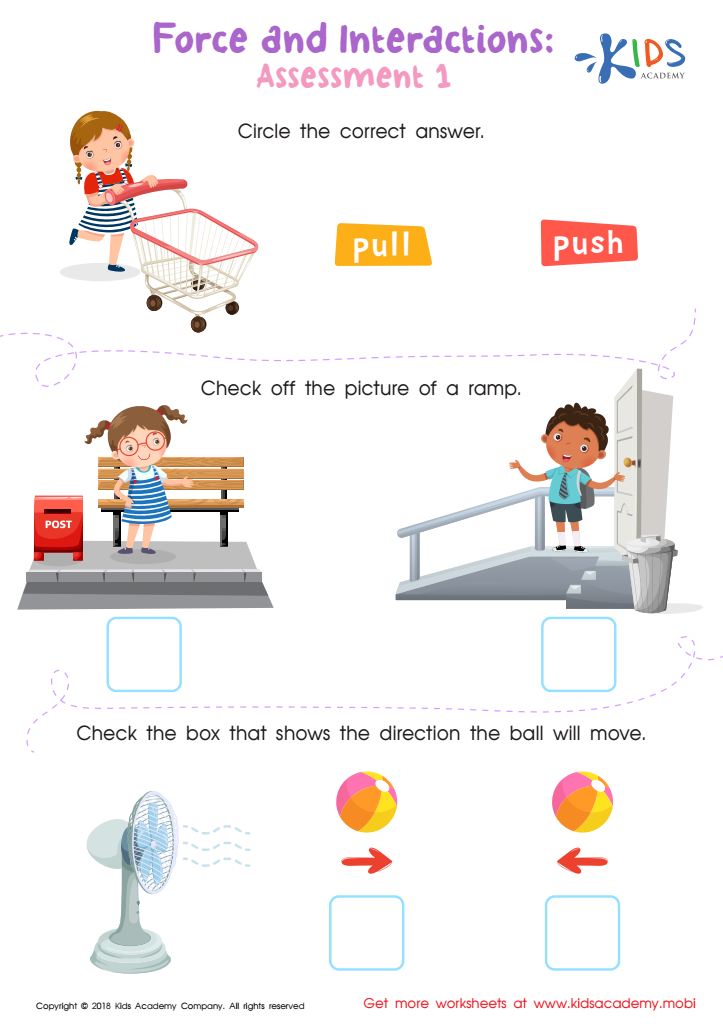
Force and Interactions: Assessment 1 Worksheet
 Assign to My Students
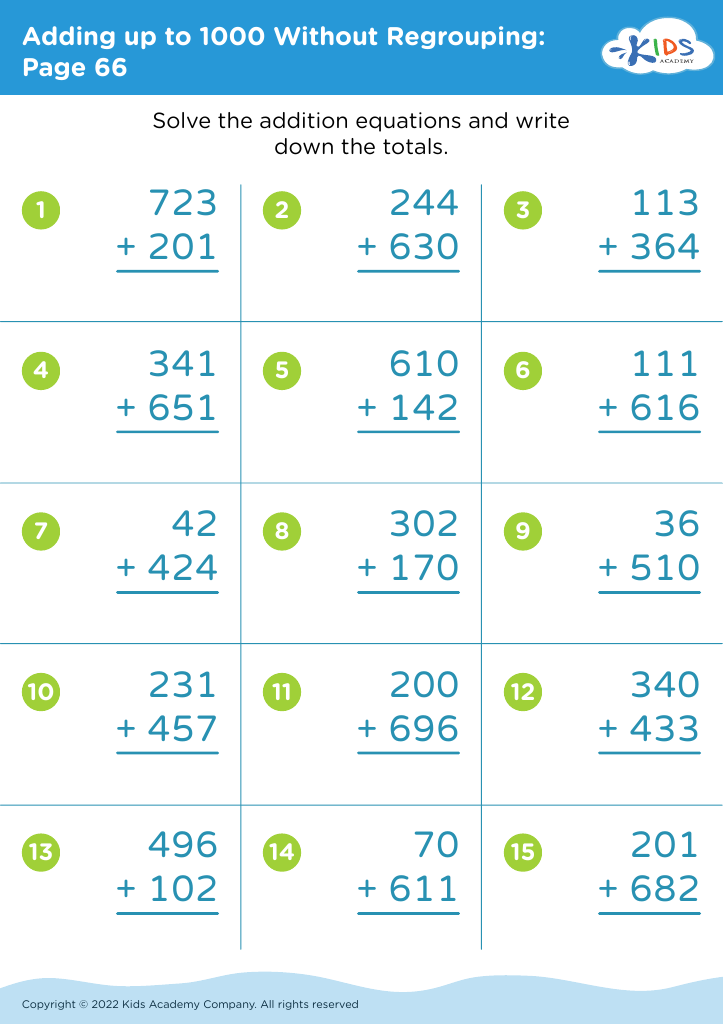
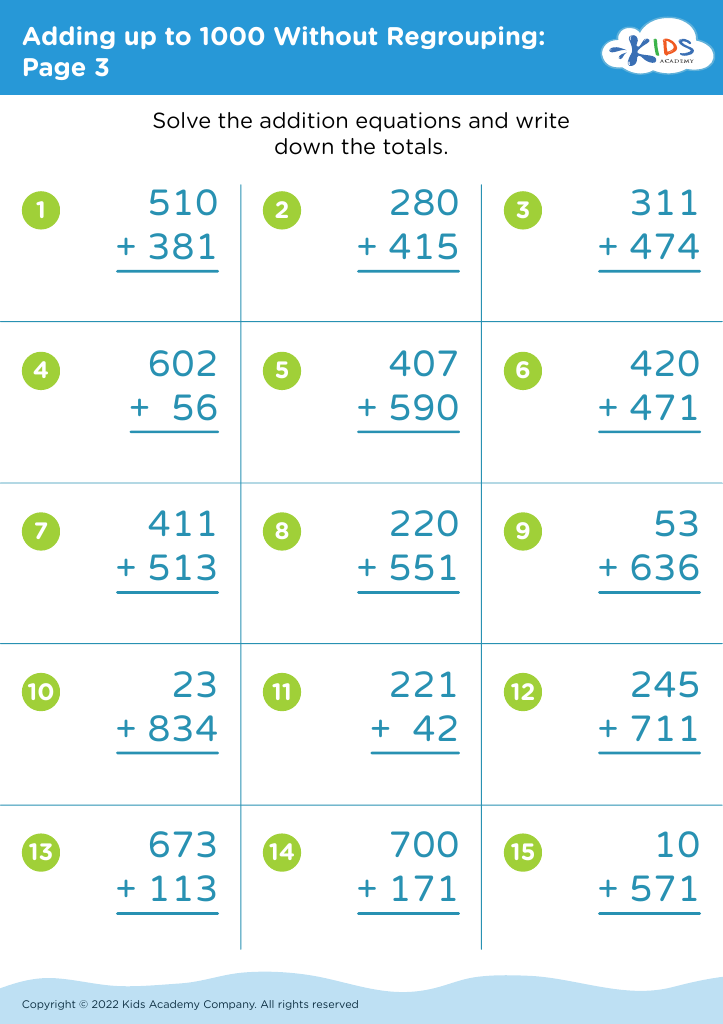
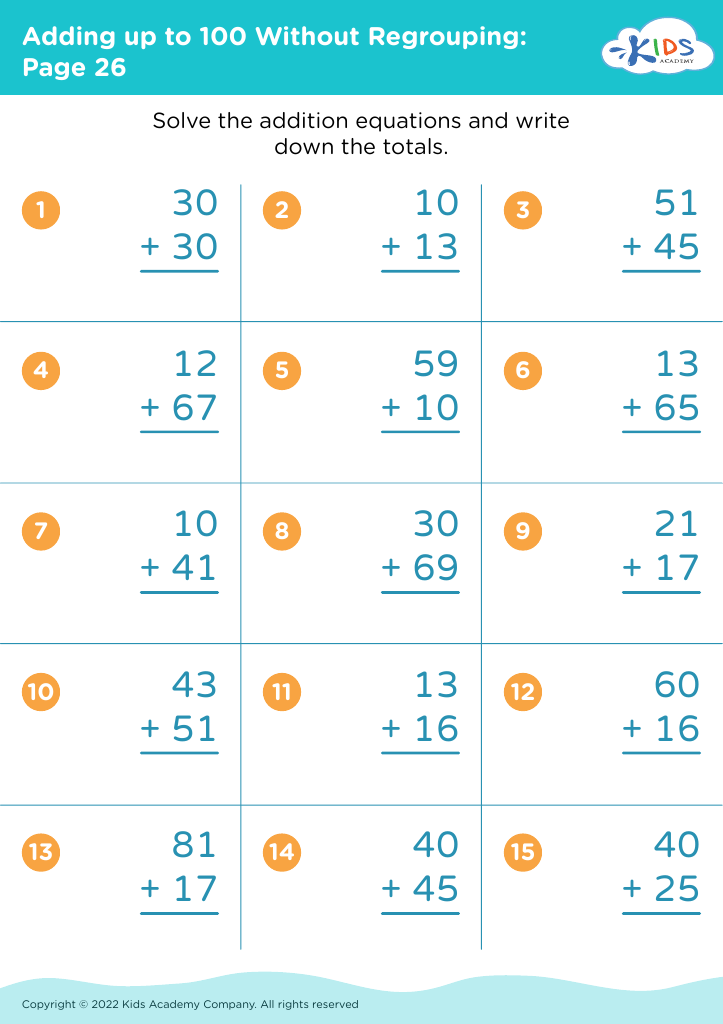
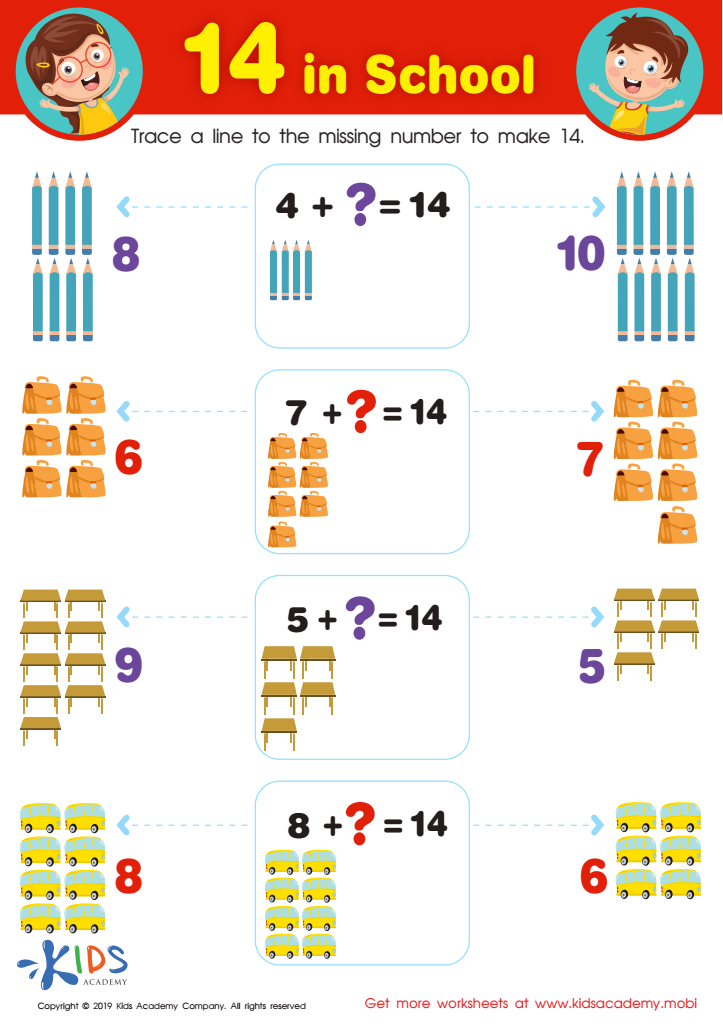
14 in School Worksheet
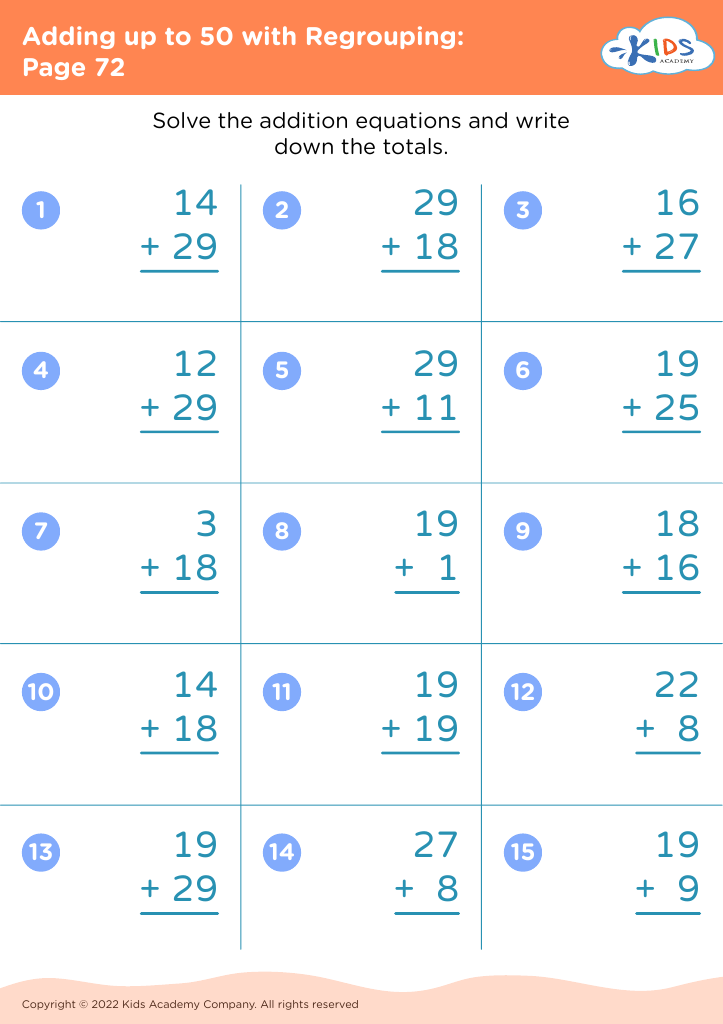
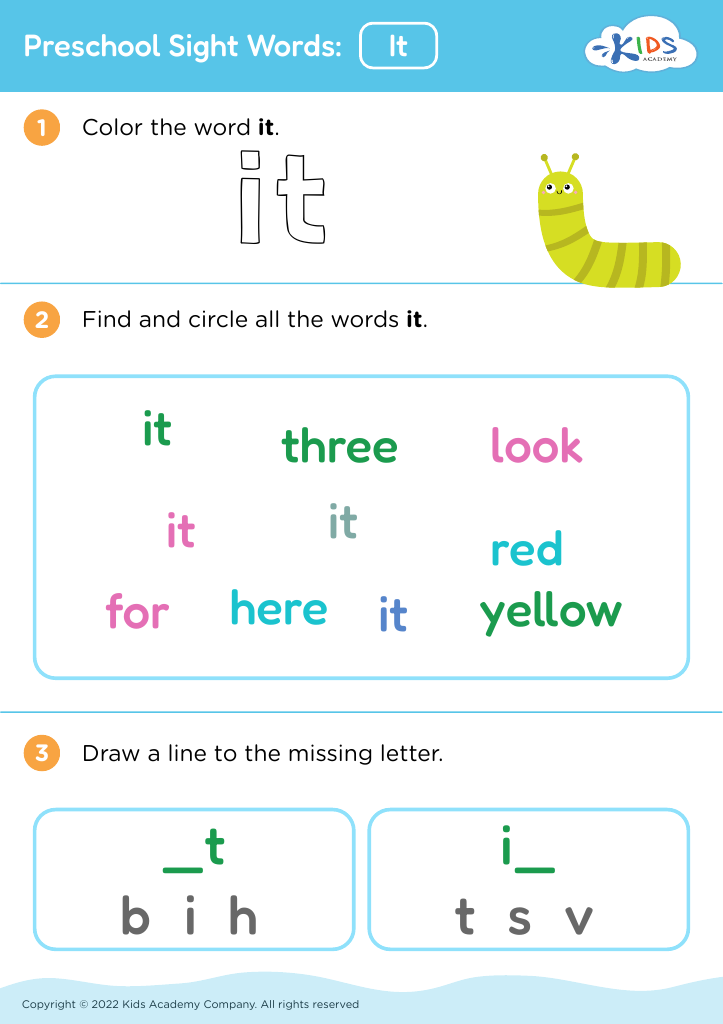
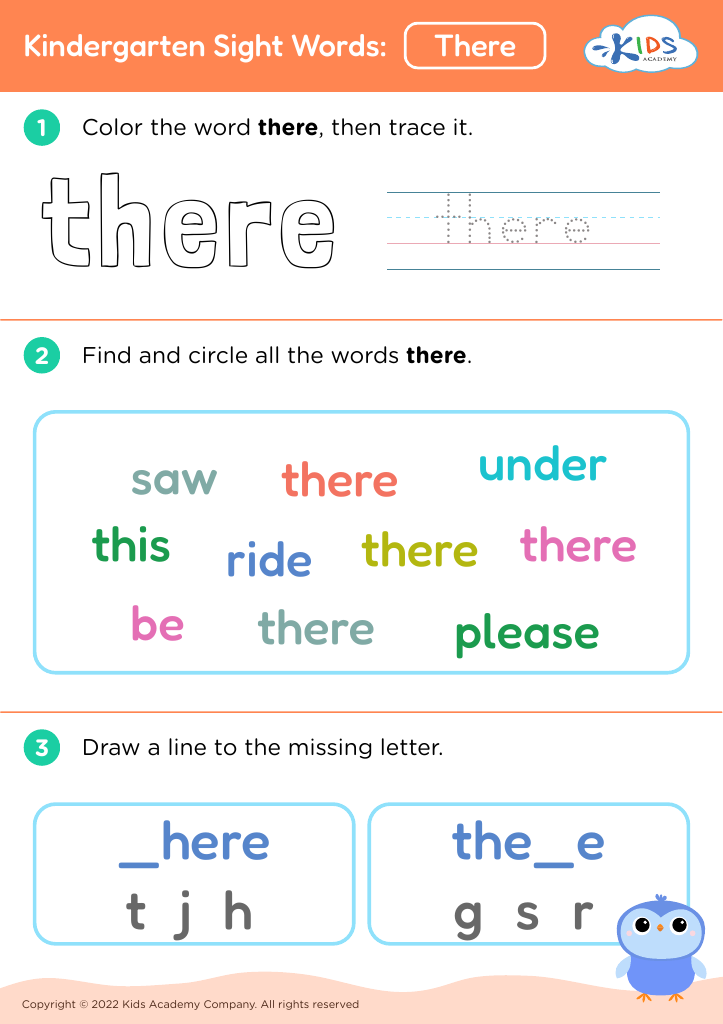





.jpg)


Recognizing shapes is fundamental for children aged 4-8 as it builds a critical foundation for cognitive development and future learning. Firstly, understanding shapes sharpens a child’s spatial awareness, enabling them to make sense of their physical world and objects within it. This cognitive skill is utilized in daily activities such as puzzle-solving, navigating spaces, and even grasping the bumpy concept of geometry in later academic years.
Shapes also play a crucial role in early literacy and numeracy. Many letters and numbers incorporate shapes; for example, the letter 'O' is a circle, and the number '4' consists of straight lines and angles. Through shape recognition, children learn distinctions and patterns, key components in reading and math. Sensory and fine motor skills improve as young learners trace, color, and construct with shapes, equipping them for writing both letters and numbers more effectively.
Moreover, shapes are a primary element in early problem-solving. Activities like sorting or classifying shapes according to their attributes foster logical thinking and reasoning skills. When children differentiate between squares, triangles, and rectangles, for instance, they are also learning to see and understand the differences in the world around them, which enhances their observational capability and critical thinking.
In summary, grasping shape recognition is not just about identifying circles and squares; it significantly propels the child's holistic development, prepares them for academic success, and helps them navigate and interpret their surroundings proficiently.








