Recognizing Patterns Worksheets for Ages 4-8 - Page 2
35 filtered results
-
From - To
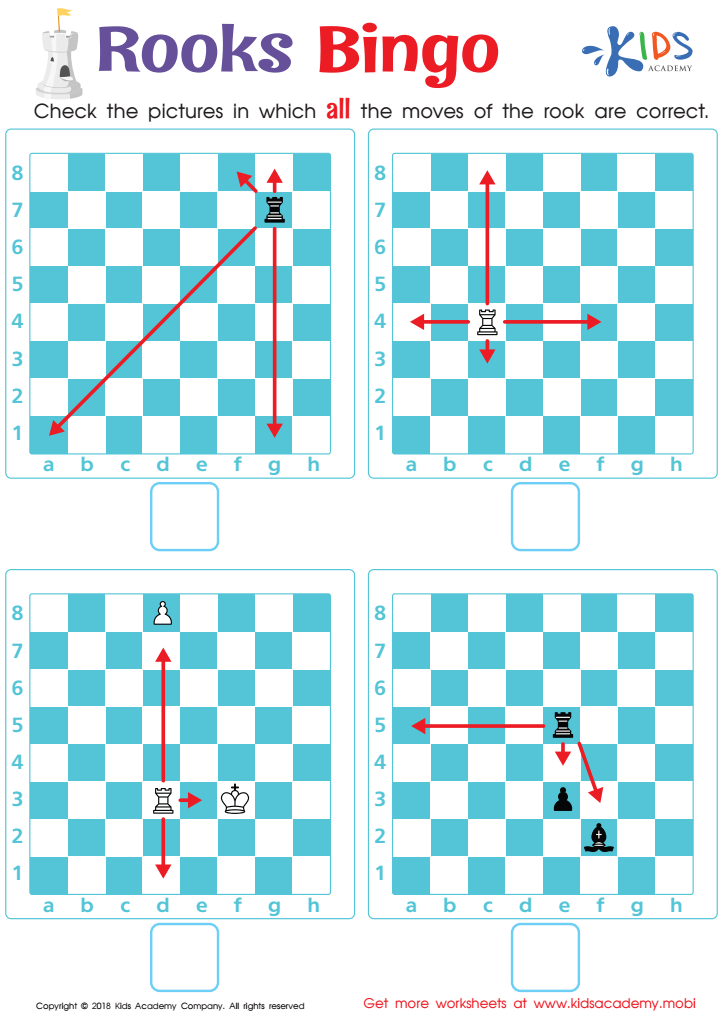
Rooks Bingo Worksheet
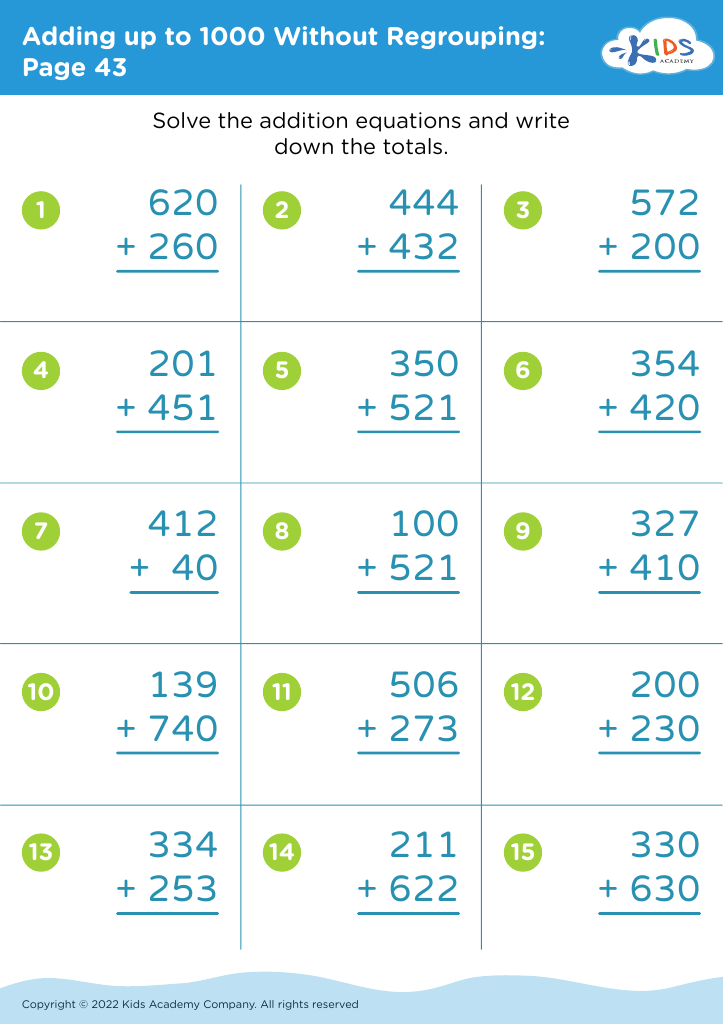
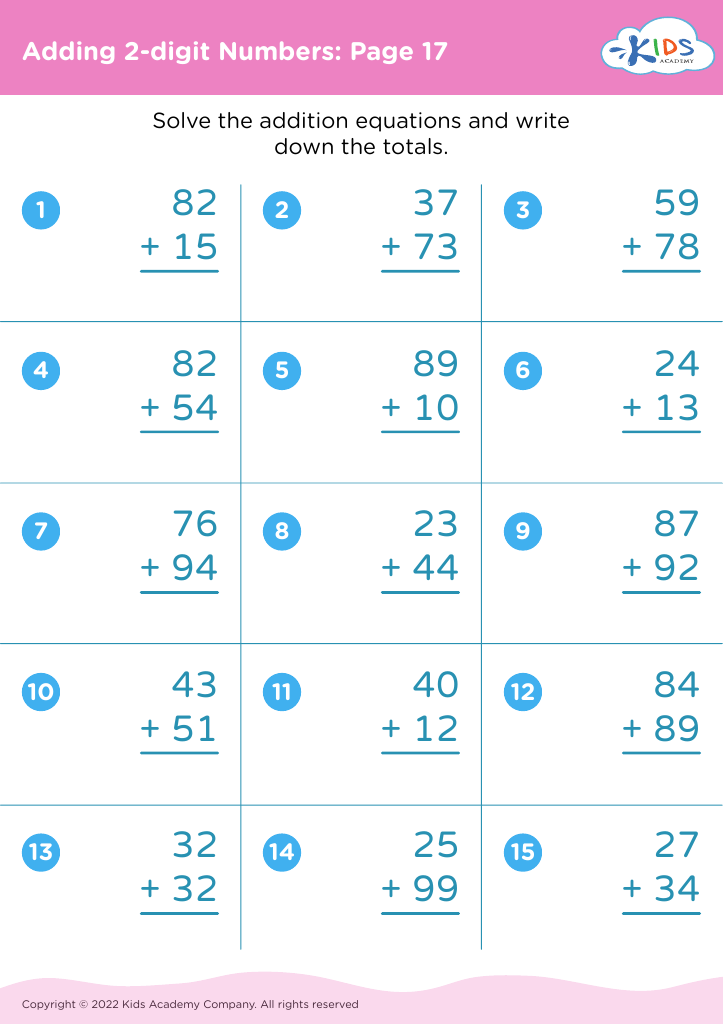
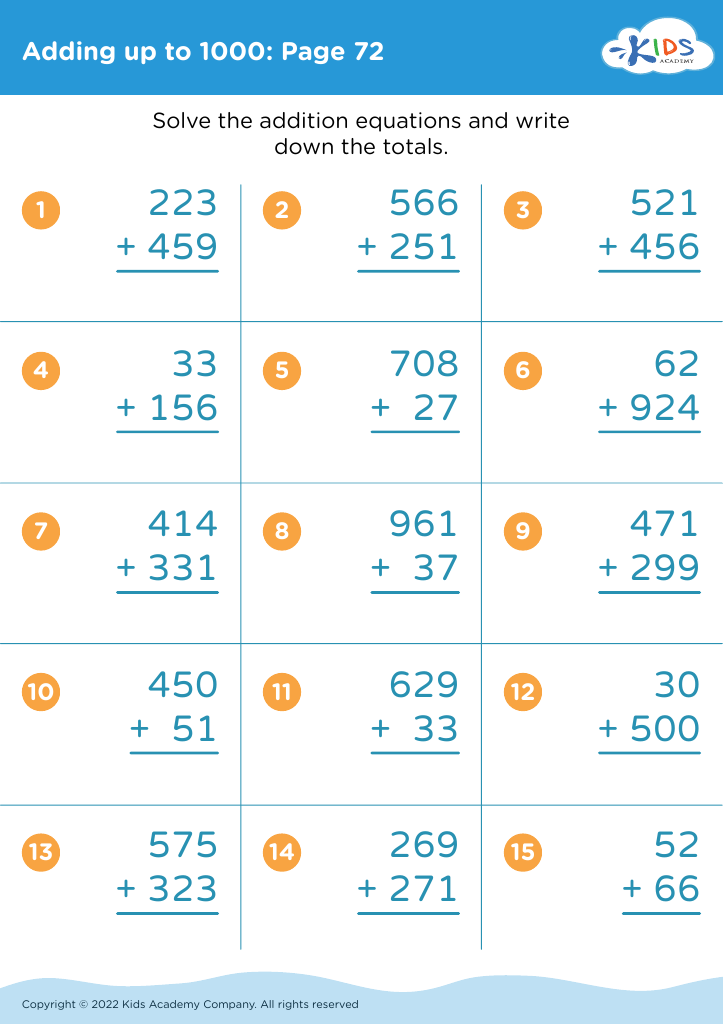
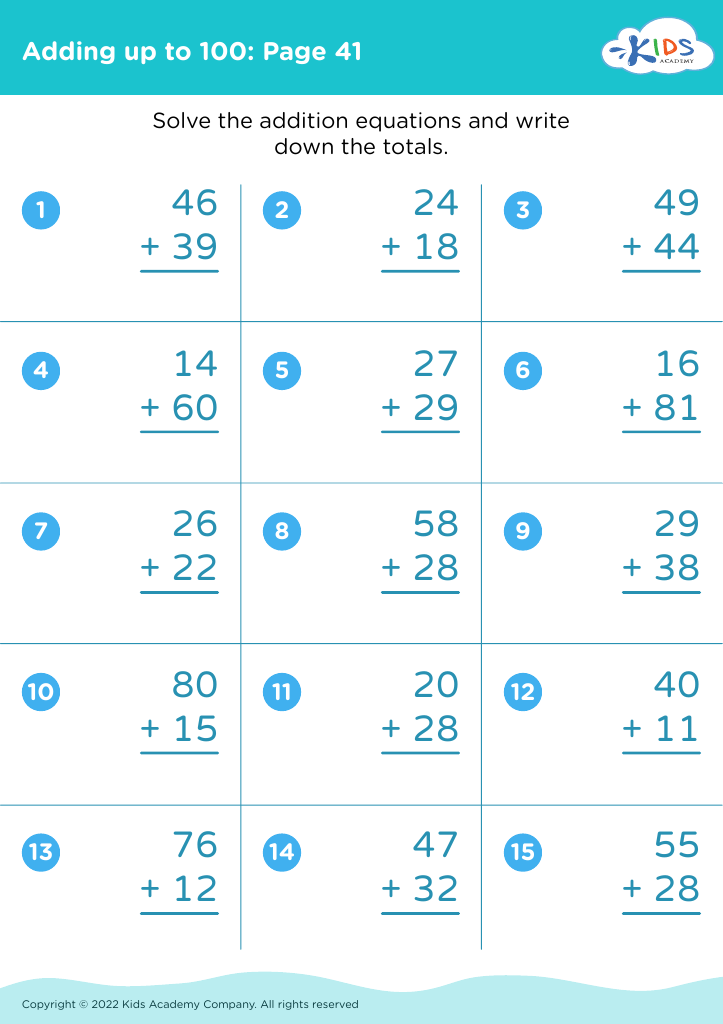
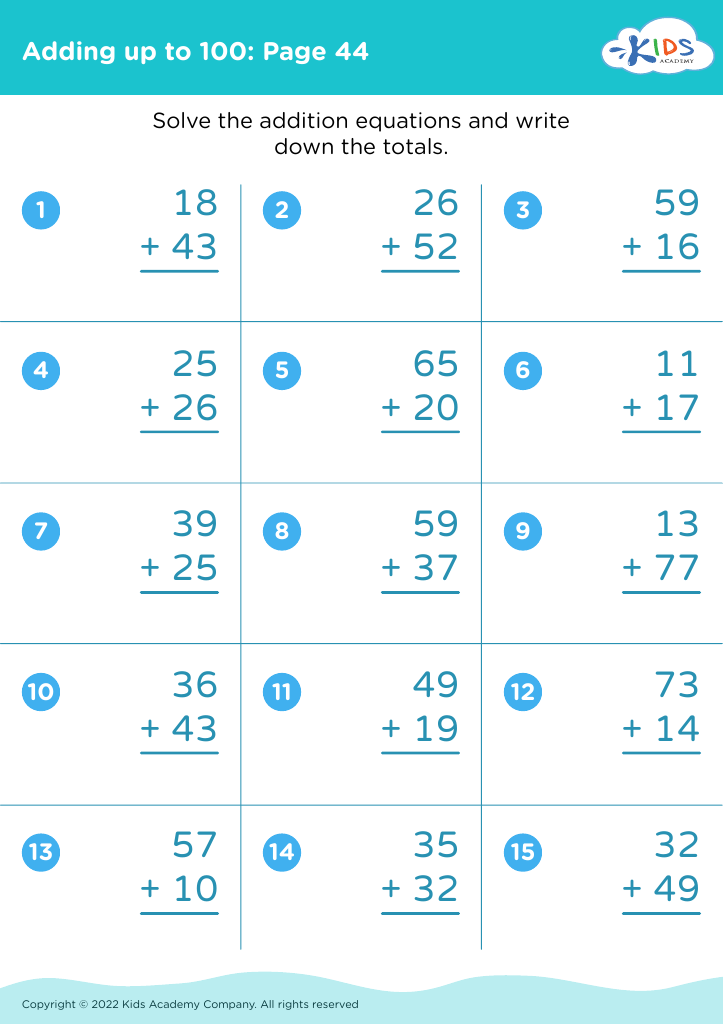
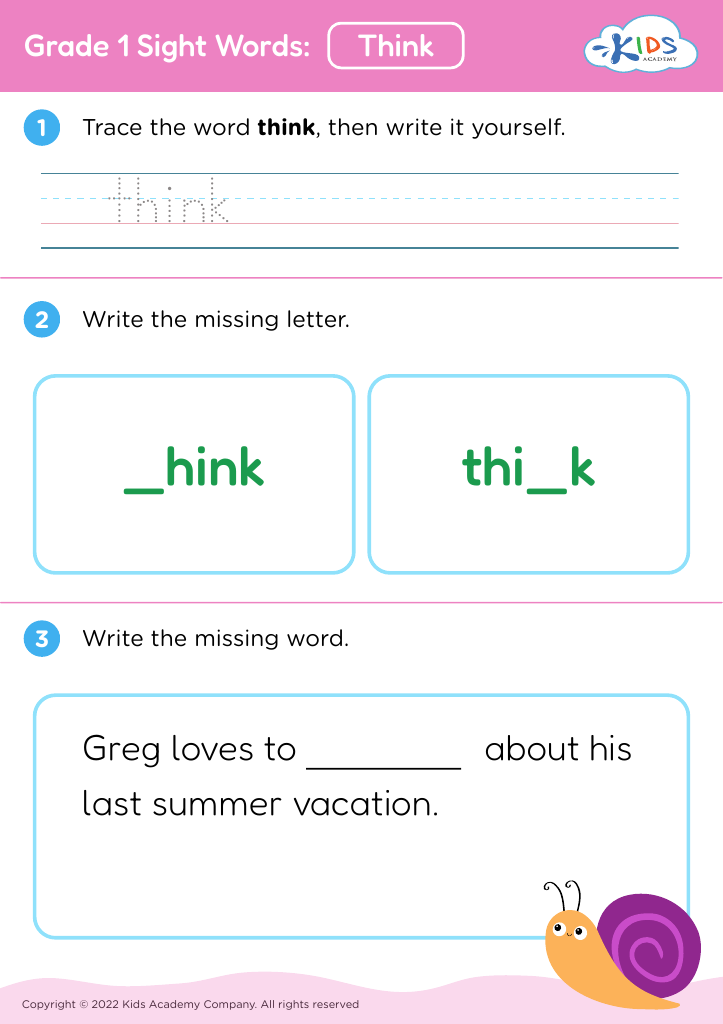
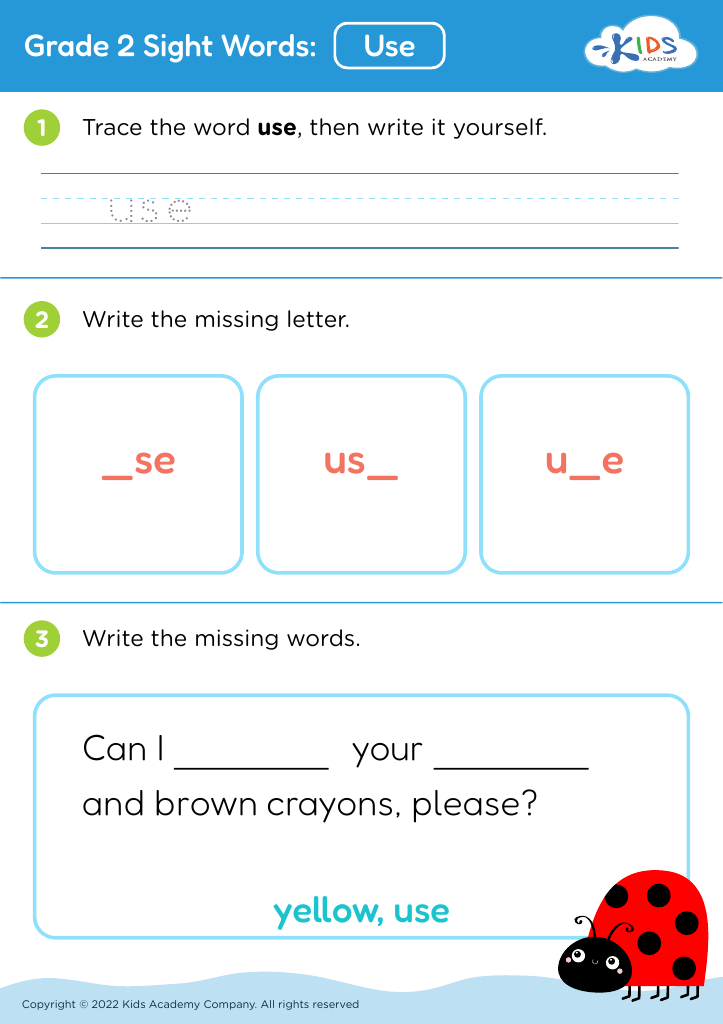





Recognizing patterns is a foundational skill in early childhood education, critical for the cognitive development of children aged 4-8. It enhances children's ability to identify relationships and make predictions, which enrich their understanding of the world. Recognizing patterns helps develop problem-solving skills and logical reasoning, as children learn to anticipate what comes next and apply learned concepts in new situations.
For parents and teachers, supporting pattern recognition can make learning more engaging and enjoyable. Activities that focus on patterns—like sorting objects, singing songs with repetitive elements, or engaging with simple math problems—foster creativity and critical thinking. These activities also lay the groundwork for more complex subjects like mathematics, science, and reading comprehension.
Beyond academics, understanding patterns contributes to social skills. Children learn to recognize behavioral and emotional patterns, which fosters empathy and self-regulation.
Ultimately, by emphasizing pattern recognition, parents and teachers equip children with essential skills that will support their overall development, both in school and in life. Investing time in these activities not only enhances academic readiness but also nurtures inquisitive and capable individuals ready to tackle future challenges.








