Shape comparison Worksheets for Ages 4-8
4 filtered results
-
From - To
Discover our engaging Shape Comparison Worksheets designed specifically for children ages 4-8! These interactive resources help young learners develop essential spatial reasoning and critical thinking skills as they compare and contrast various shapes. Each worksheet features fun graphics and intuitive activities, allowing kids to explore concepts like size, color, and symmetry in a playful way. Ideal for classroom use or at-home learning, our worksheets provide an excellent foundation in geometry while promoting cognitive development. Perfect for parents and educators seeking to reinforce essential skills in an enjoyable and insightful manner. Explore the world of shapes and watch learning come to life!
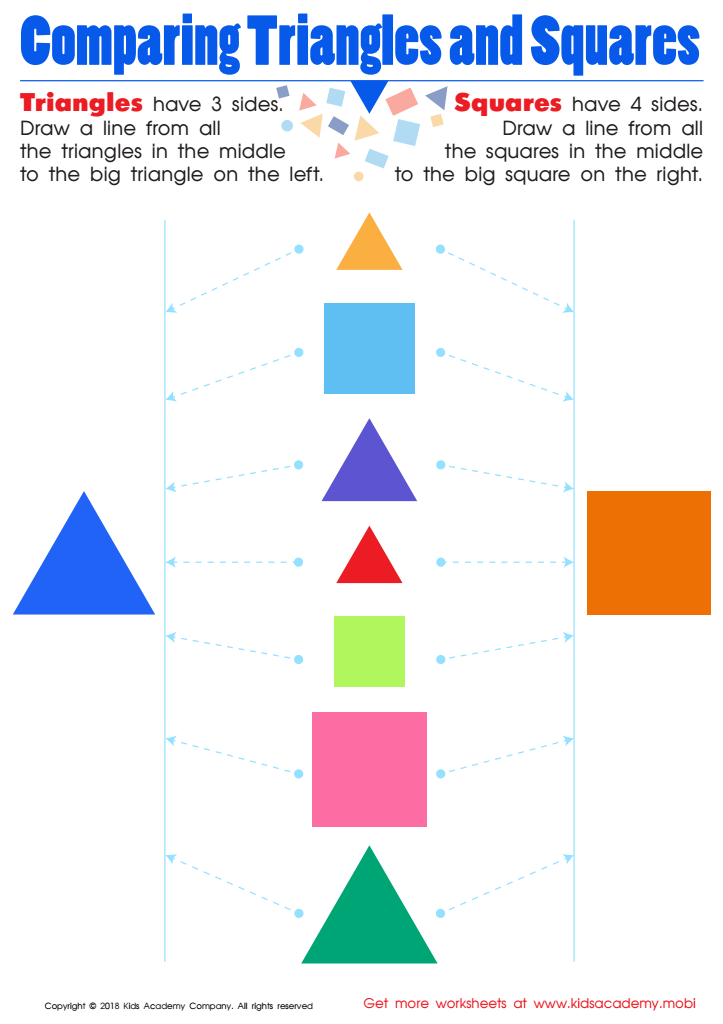
Comparing Triangles Squares Worksheet
 Assign to My Students
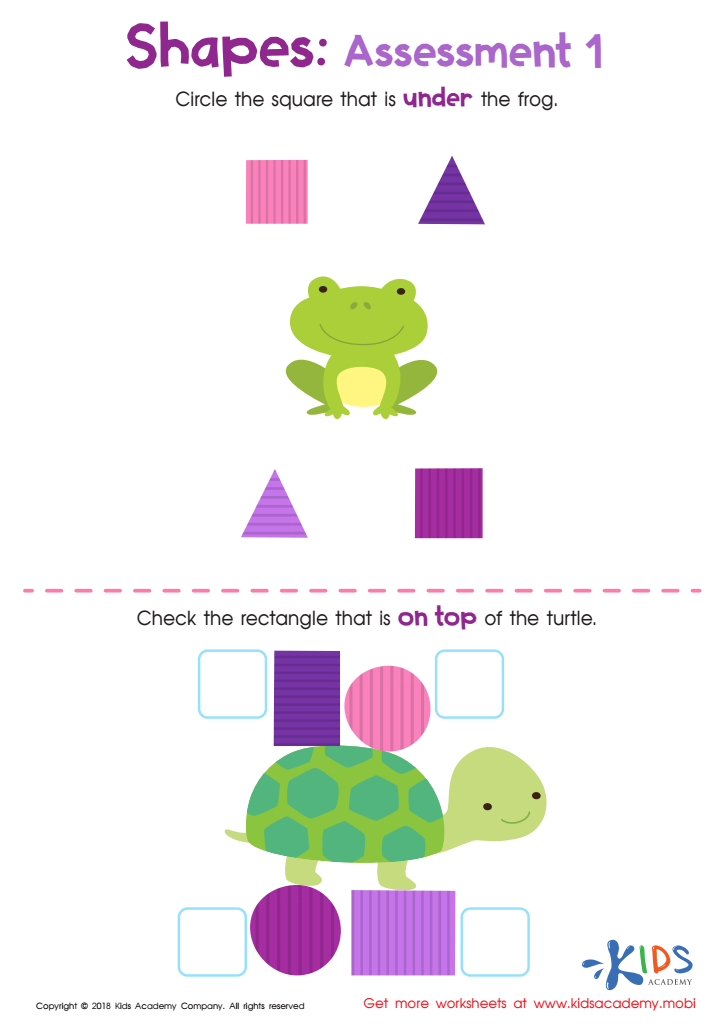
Geometry – Assessment 1 Worksheet
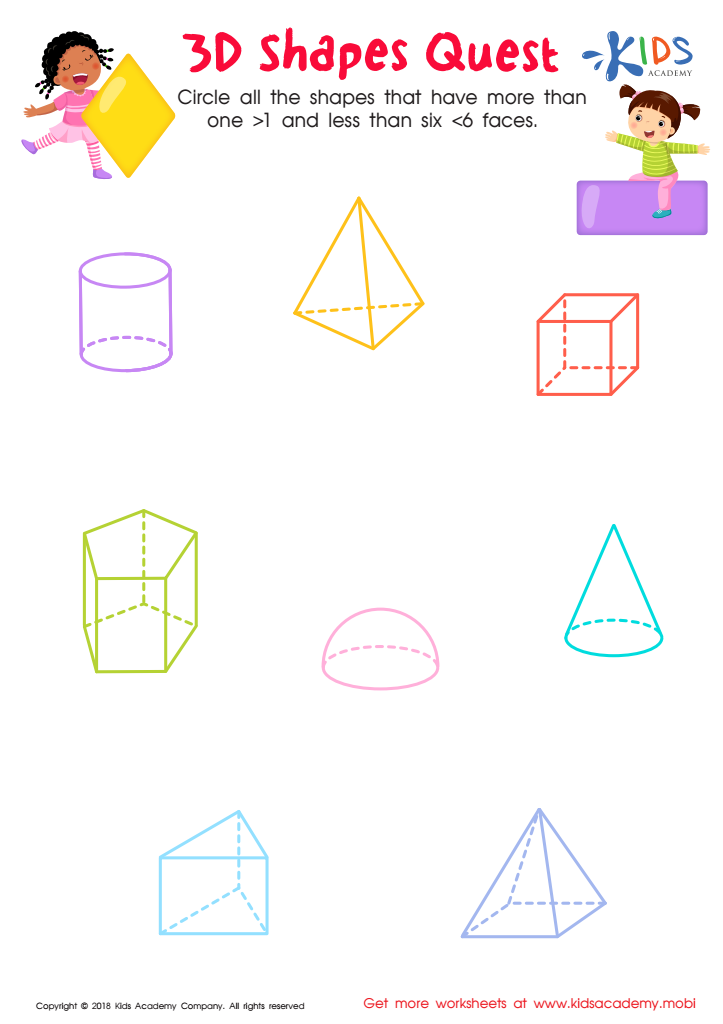
3D Shapes Quest Worksheet
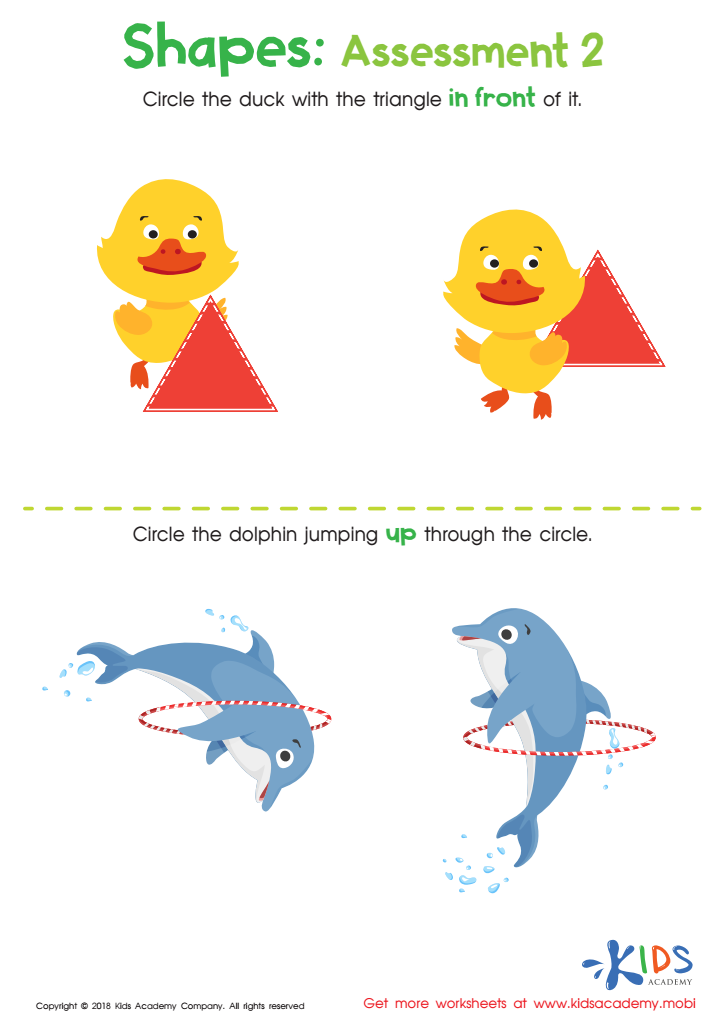
Geometry – Assessment 2 Worksheet






Shape comparison is a fundamental mathematical concept for children aged 4-8, offering numerous benefits that extend beyond geometry. Understanding shapes and their attributes fosters critical thinking skills and helps young learners develop spatial awareness. As they compare shapes, children learn to identify similarities and differences, which enhances their analytical abilities. This skill is foundational for later math concepts, such as problem-solving and measurement.
Moreover, engaging with shape comparison activities encourages effective communication. When children discuss their observations, they practice expressing their thoughts clearly and enhance their vocabulary, which is vital for language development.
Shape comparison also promotes visual literacy, equipping children to navigate a world filled with geometric patterns, layouts, and designs. Parents and teachers can leverage hands-on activities, such as sorting blocks or using everyday objects, to spark curiosity and make learning enjoyable. These experiences deepen children's understanding while building their confidence in mathematics.
Ultimately, fostering shape comparison skills cultivates a love for learning and lays the groundwork for future academic success. By prioritizing this essential skill, parents and teachers are investing in their child's cognitive development, ensuring they are well-prepared for more complex concepts as they progress in their education.








