Sound Association Worksheets for Ages 4-8 - Page 2
39 filtered results
-
From - To
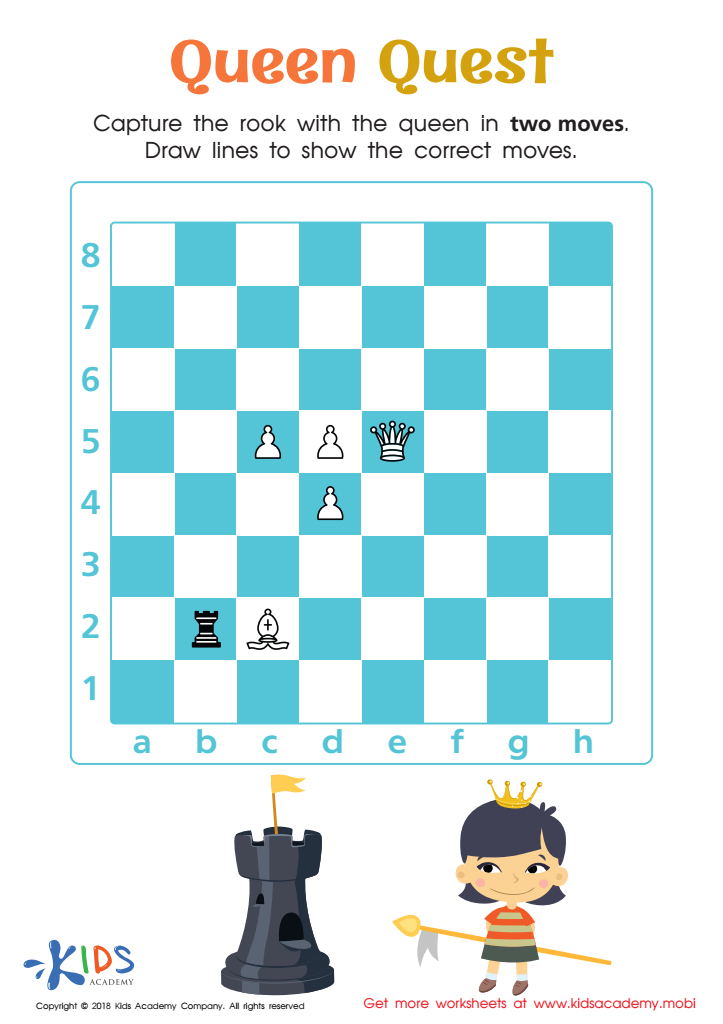
Queen Quest Worksheet
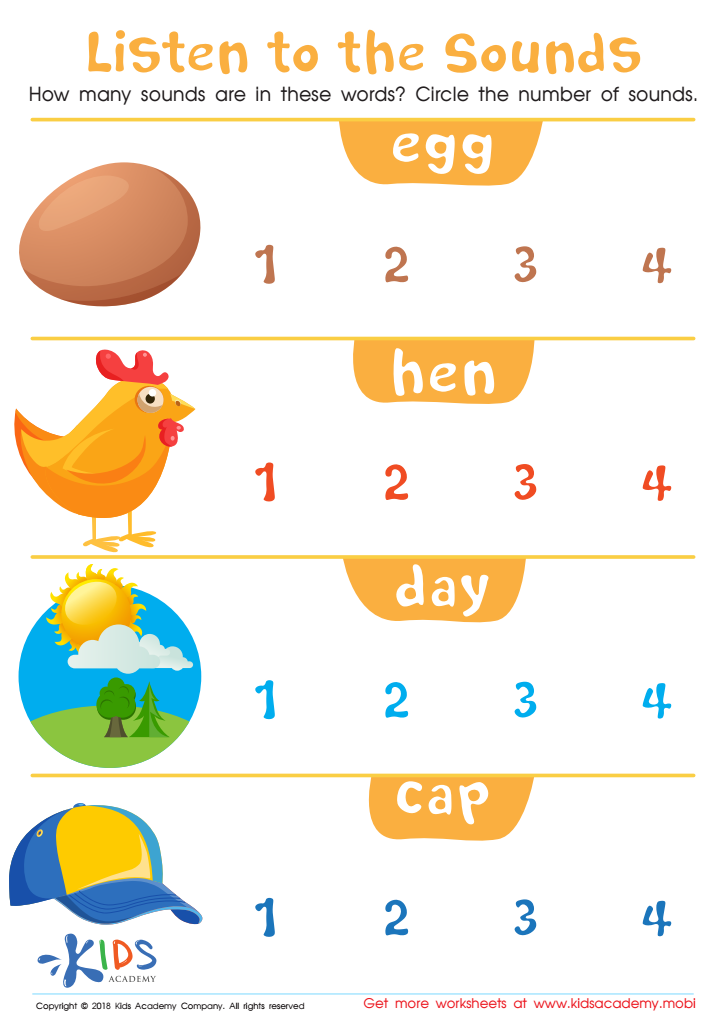
Listen to the Sounds Worksheet
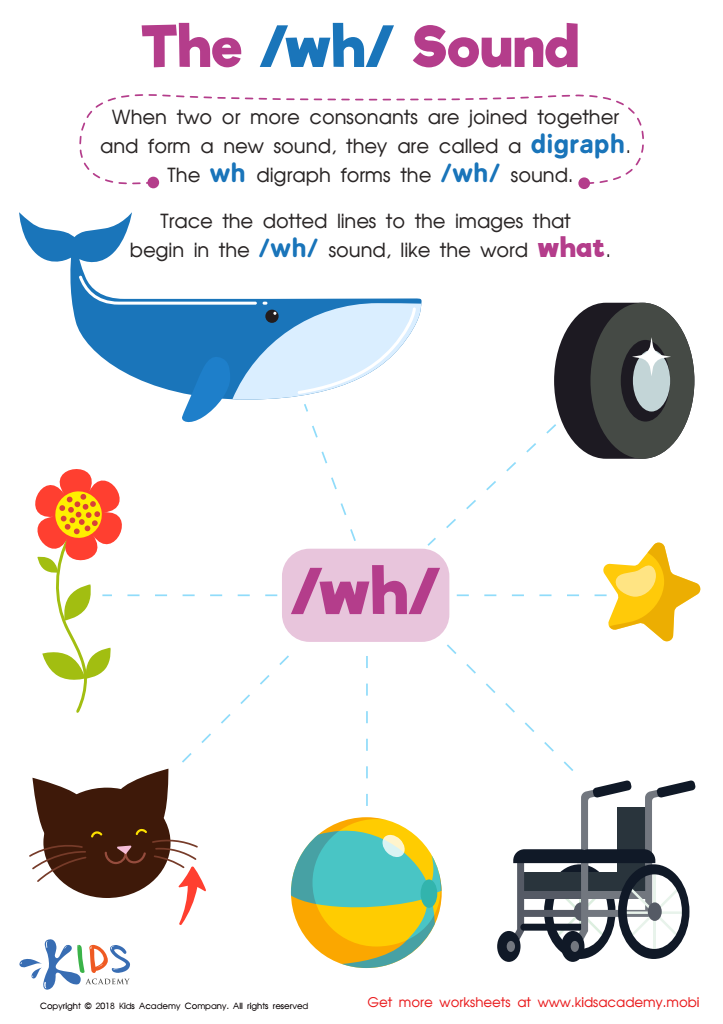
The /wh/ Sound Worksheet
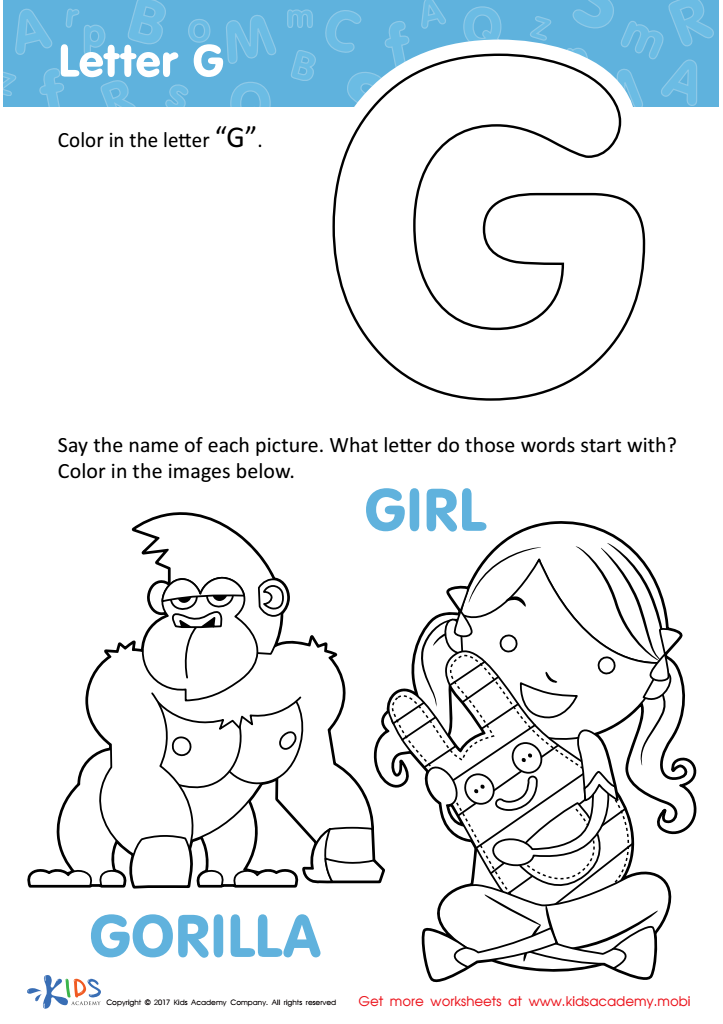
Letter G Coloring Sheet
 Assign to My Students
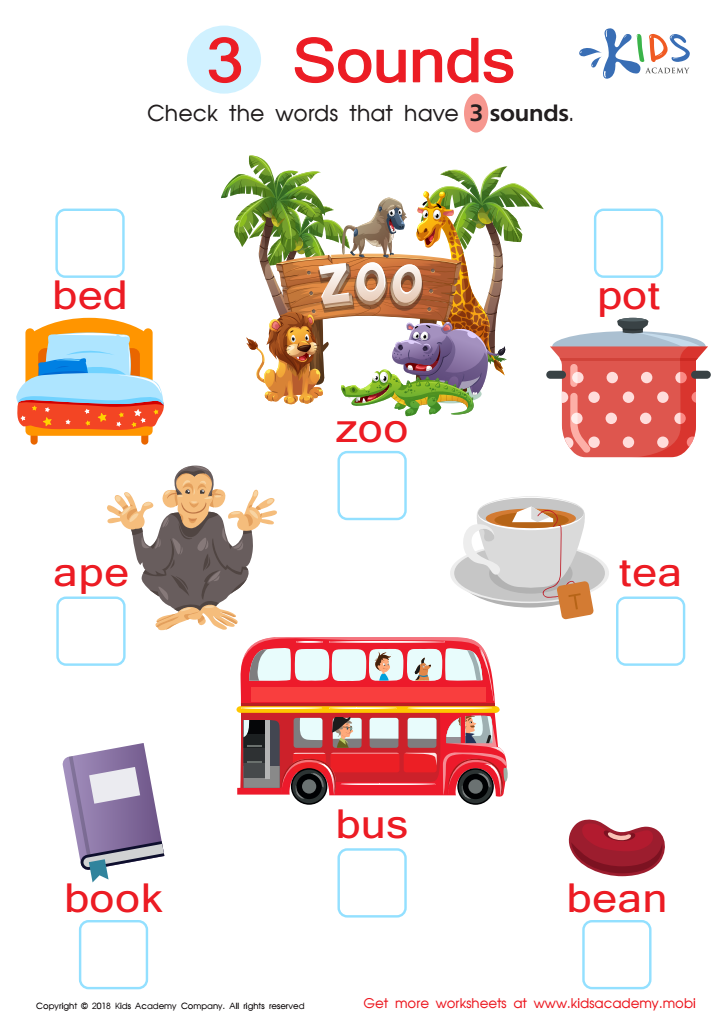
3 Sounds Worksheet
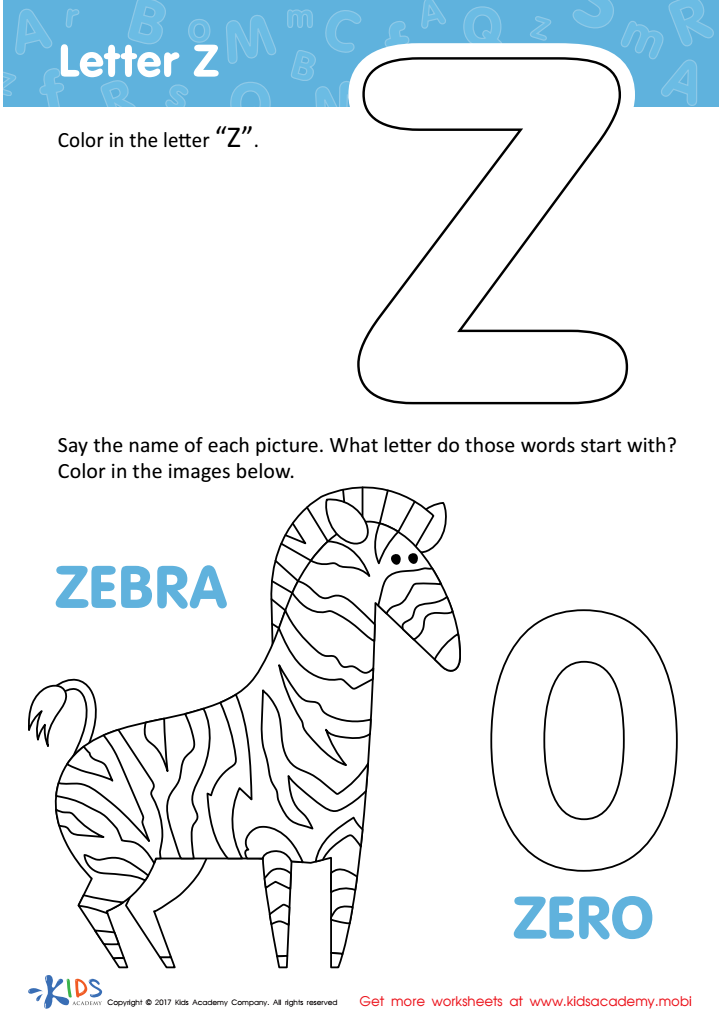
Letter Z Coloring Sheet
Assign to My Students
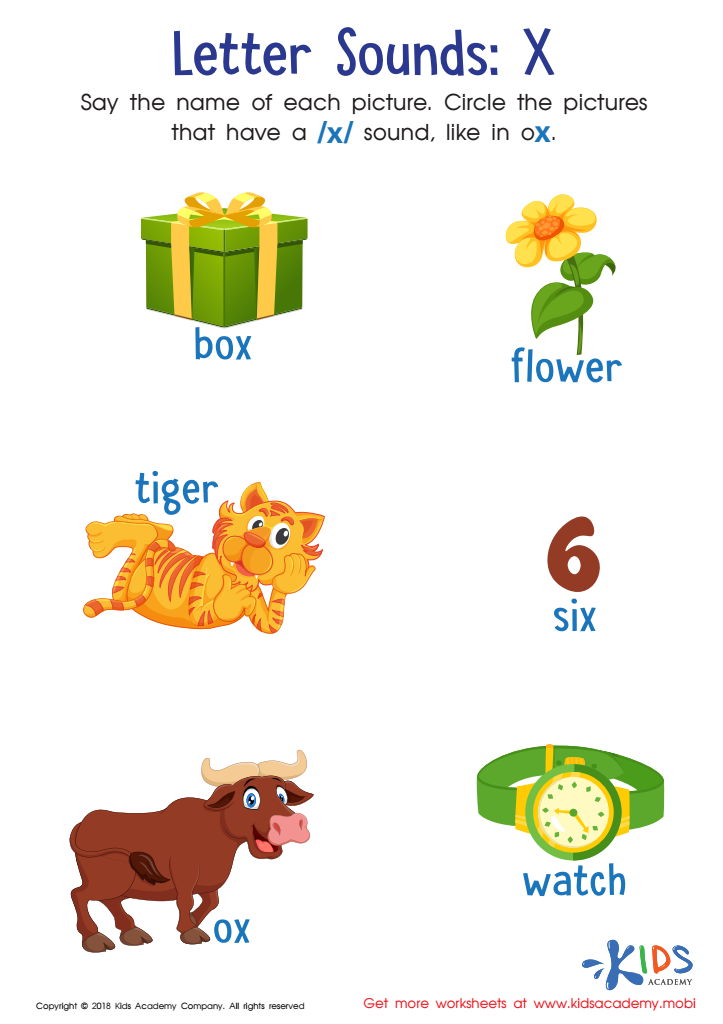
Letter X Sounds Worksheet
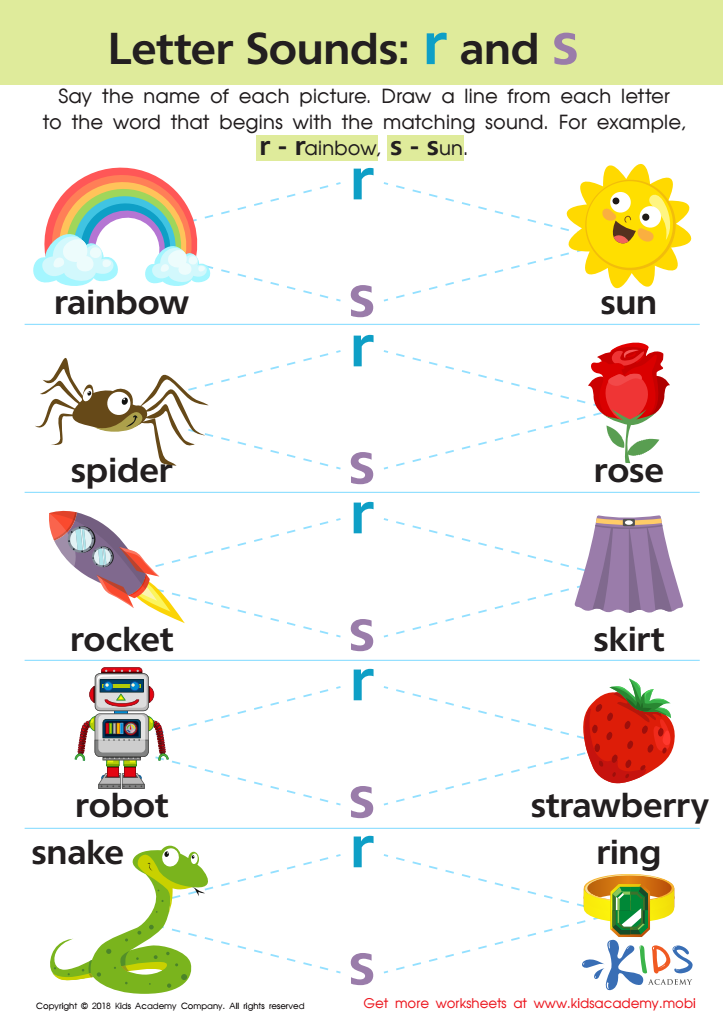
Letter R and S Sounds Worksheet
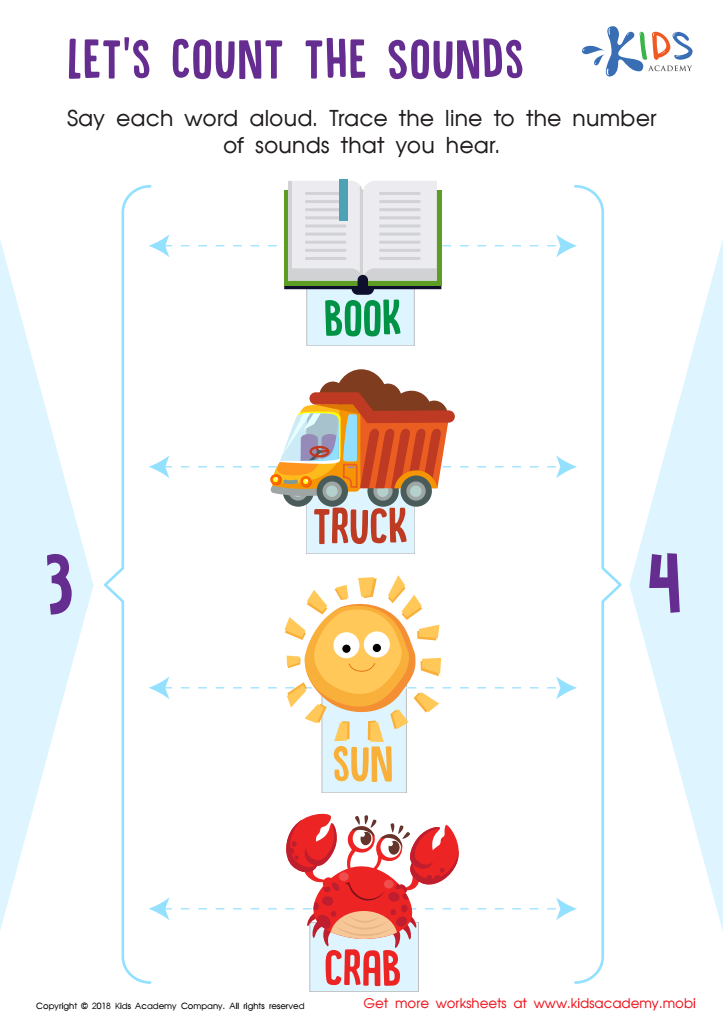
Let's Count the Sounds Worksheet
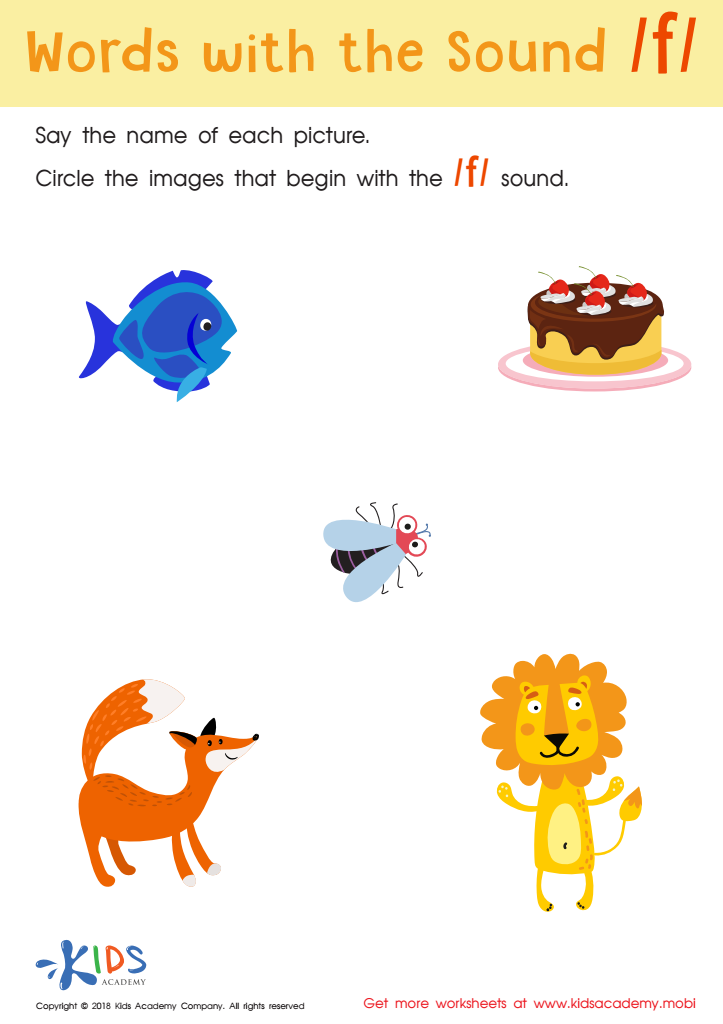
Words with sound f Reading Worksheet
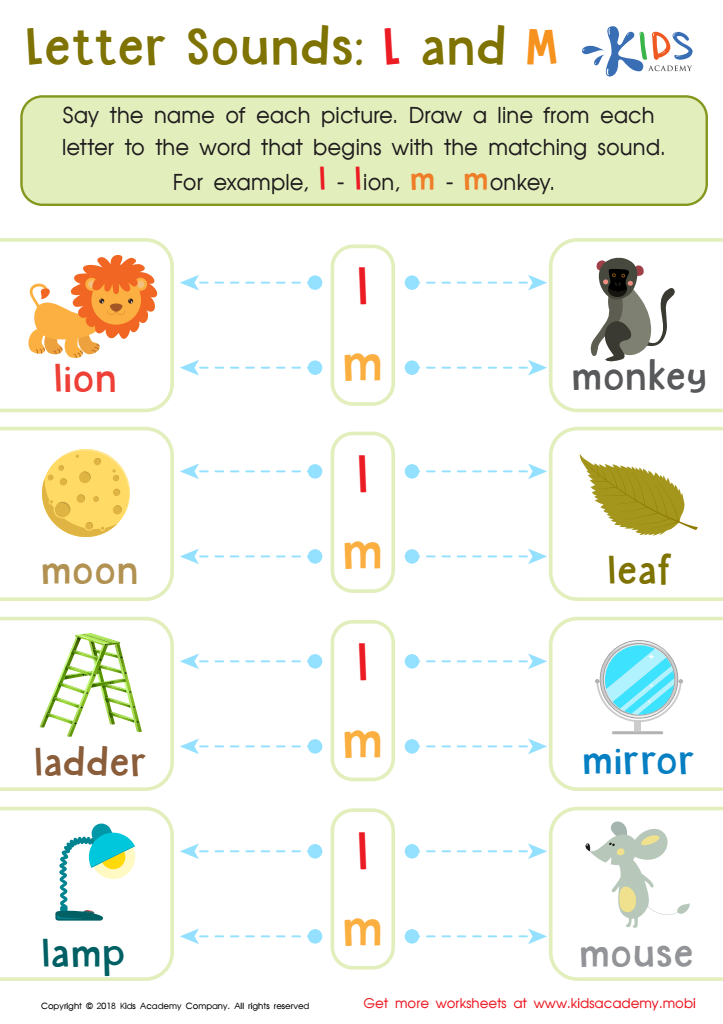
Letter l and M Sounds Worksheet
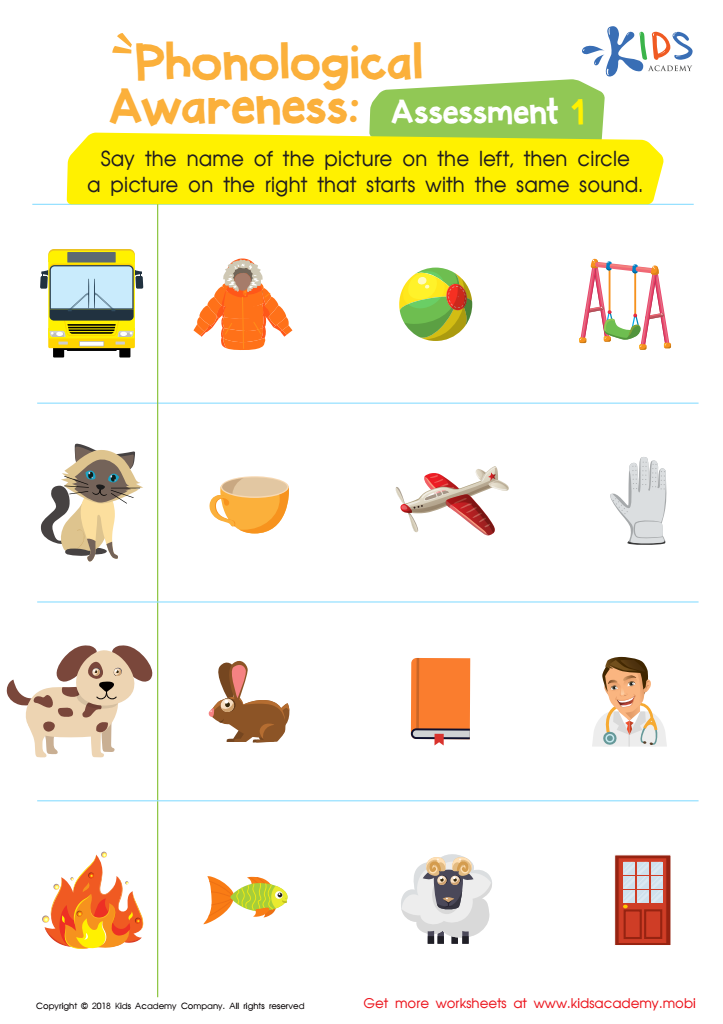
Phonological Awareness: Assessment 1 Worksheet
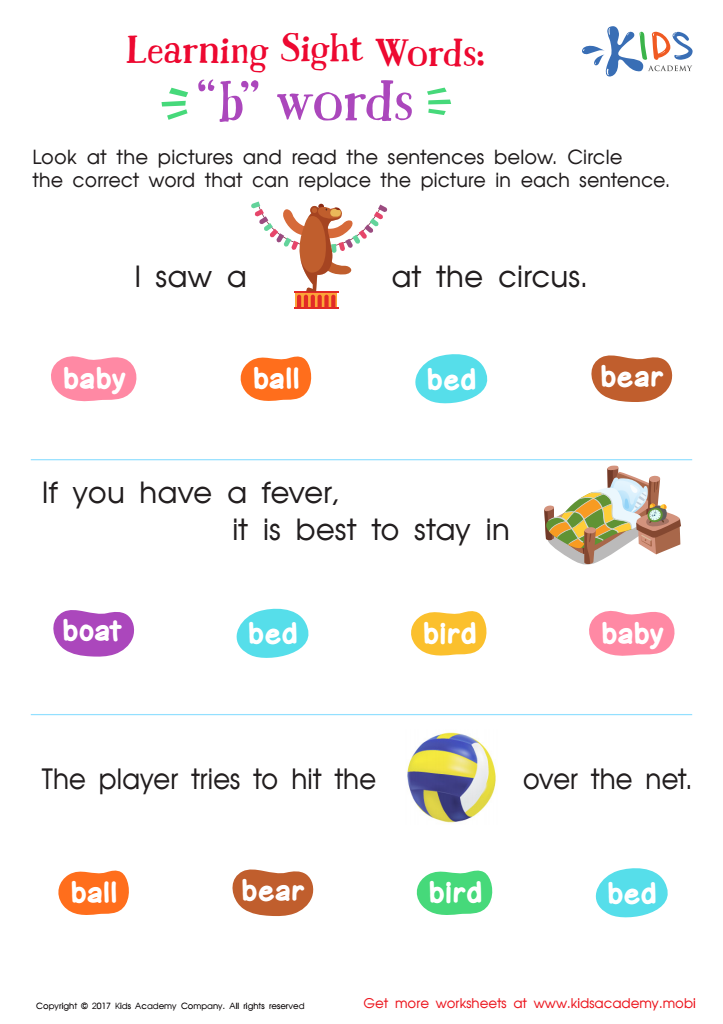
"B" Words Printable Sight Words Worksheet
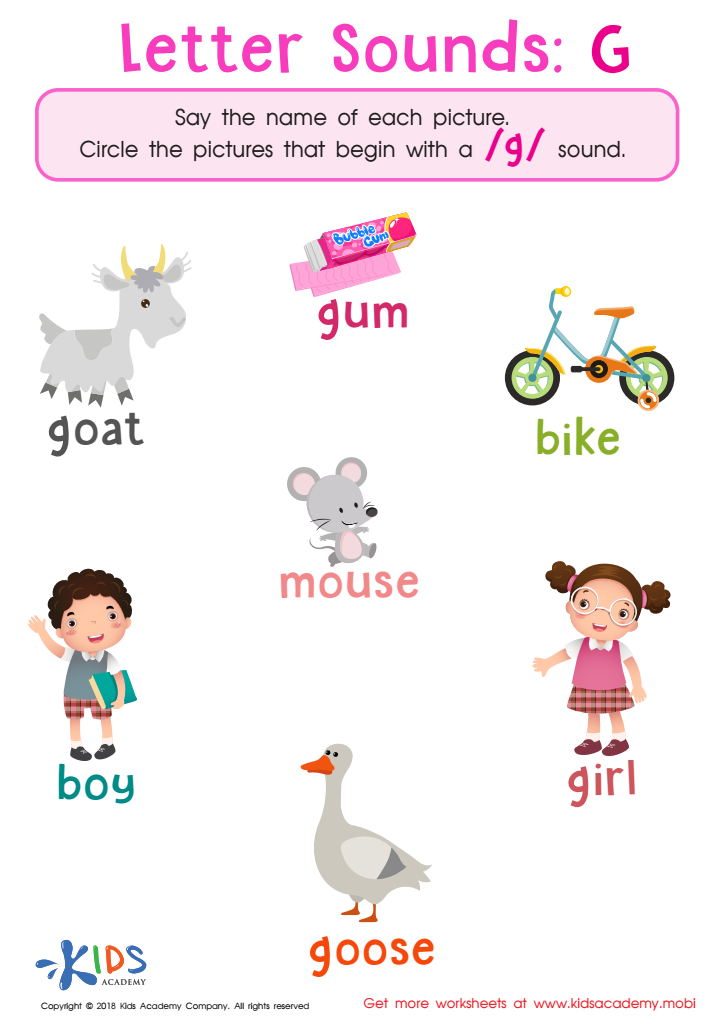
Letter G Sounds Worksheet
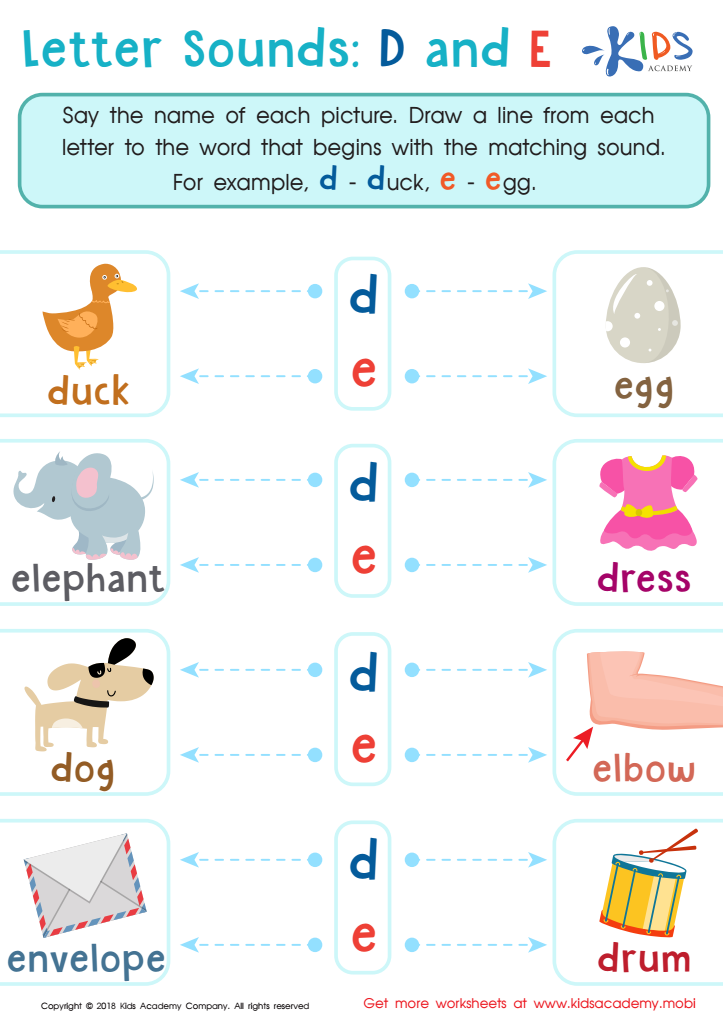
Letter D and E Sounds Worksheet


.jpg)




Sound association, or phonological awareness, is crucial for children ages 4-8 as it is foundational for reading and language development. When children can link sounds to letters or groups of letters, they begin to understand how words are formed and read, creating strong literacy skills that impact their overall academic growth.
Parents and teachers should care about sound association because it acts as a building block for effective communication, enhancing both reading and writing abilities. Strong phonological skills are linked to early achievements in reading and can help prevent future literacy problems. Engaging children in activities such as rhyming games, blending sounds, and segmenting words makes learning enjoyable and effective, fostering a love for reading.
Developing sound association skills also boosts confidence and self-esteem. When children successfully decode words, they experience a sense of accomplishment that motivates them to keep learning. Furthermore, these skills help children to understand and apply rules of language, improving both their verbal and written expression.
Parents and teachers play a pivotal role by providing opportunities for practice and positive reinforcement, creating an environment where children feel supported in their learning journey. Cultivating these skills early on not only paves the way for academic success but also sets the stage for a lifelong affinity for reading and learning.








