Understand patterns Worksheets for Ages 4-8
7 filtered results
-
From - To
Discover our engaging “Understand Patterns” worksheets designed for children aged 4-8. These educational resources help young learners recognize and analyze patterns, an essential foundational skill in math and critical thinking. Our printable worksheets include a variety of fun activities, from simple visual patterns to more complex sequences, ensuring a comprehensive learning experience. Each worksheet is crafted to enhance cognitive development, boost problem-solving abilities, and foster creativity. Perfect for use at home or in the classroom, these worksheets provide interactive learning that inspires curiosity. Explore our collection and empower your child’s learning journey while nurturing a love for patterns!
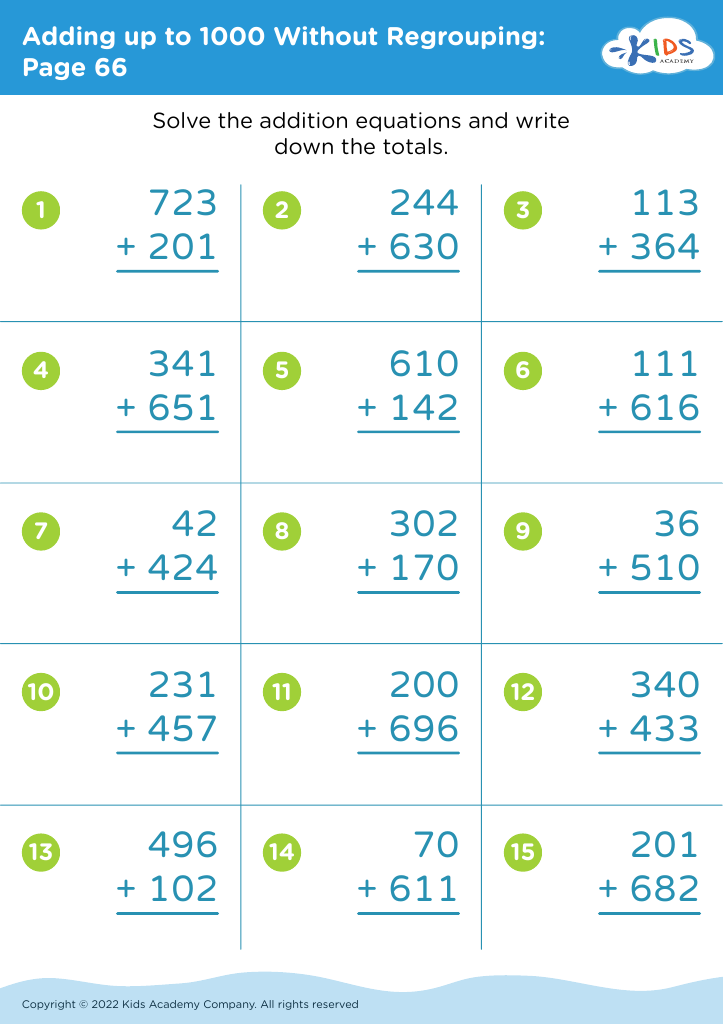
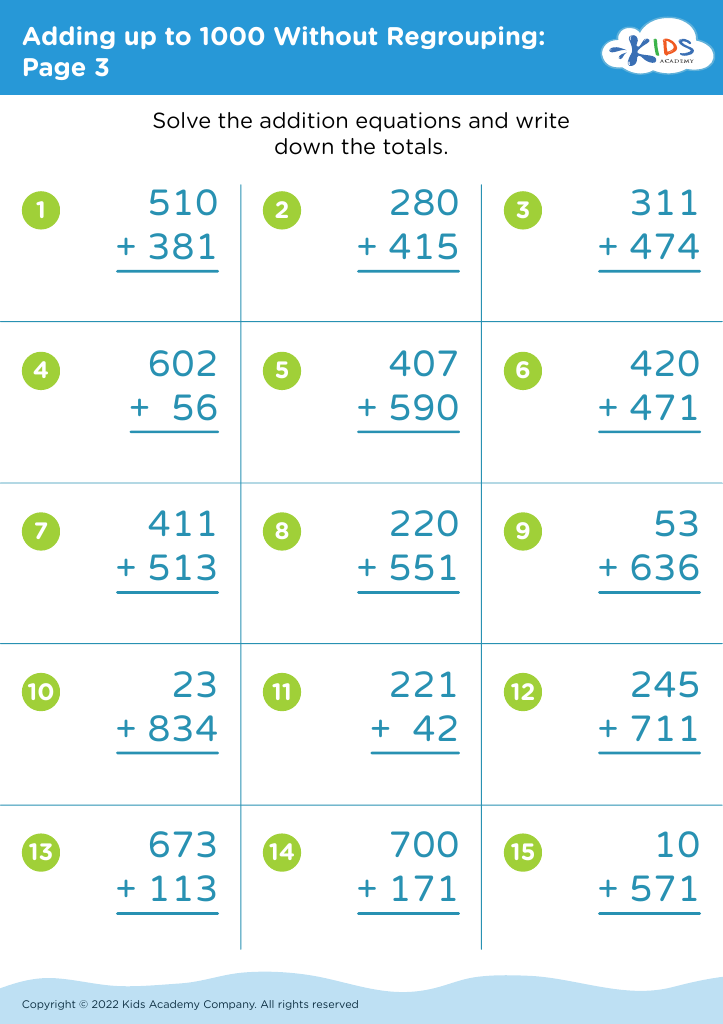
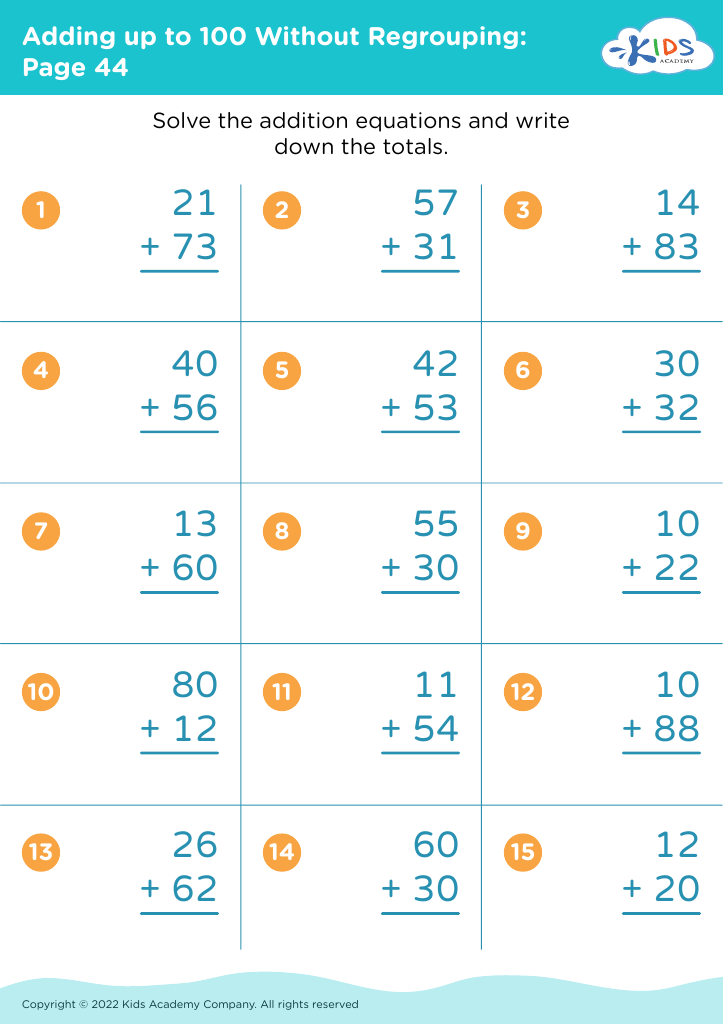
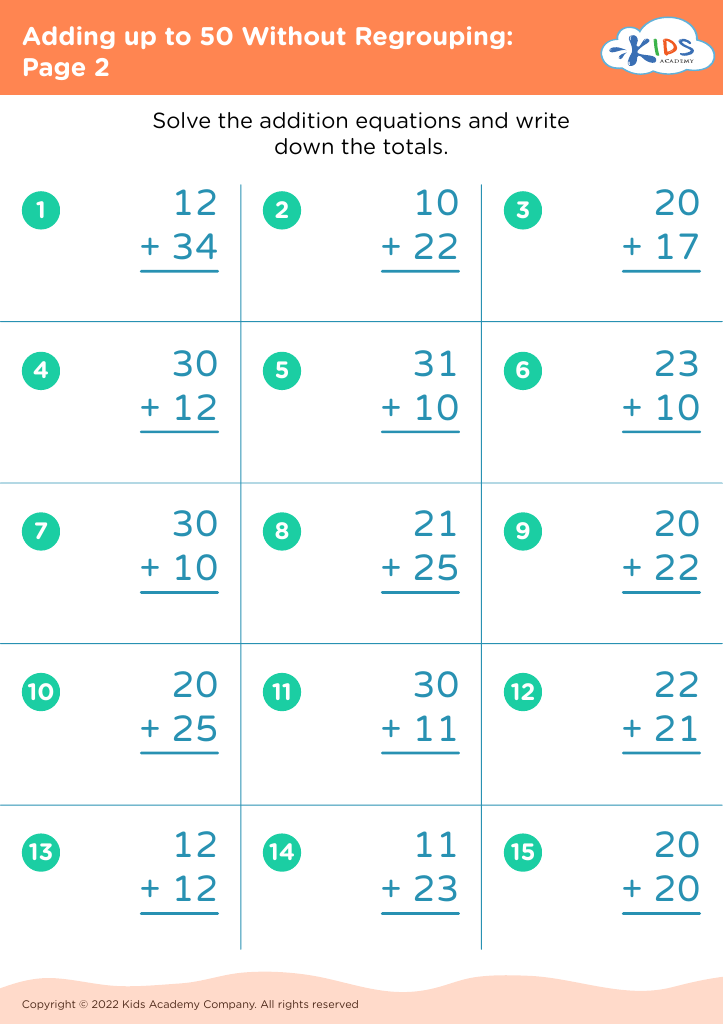
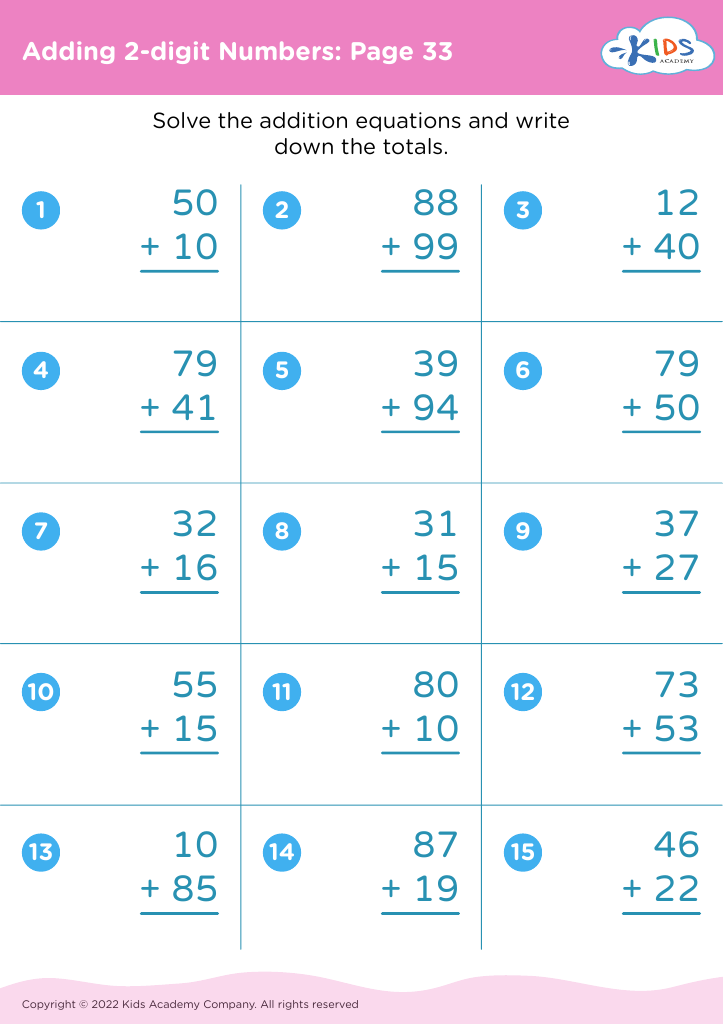
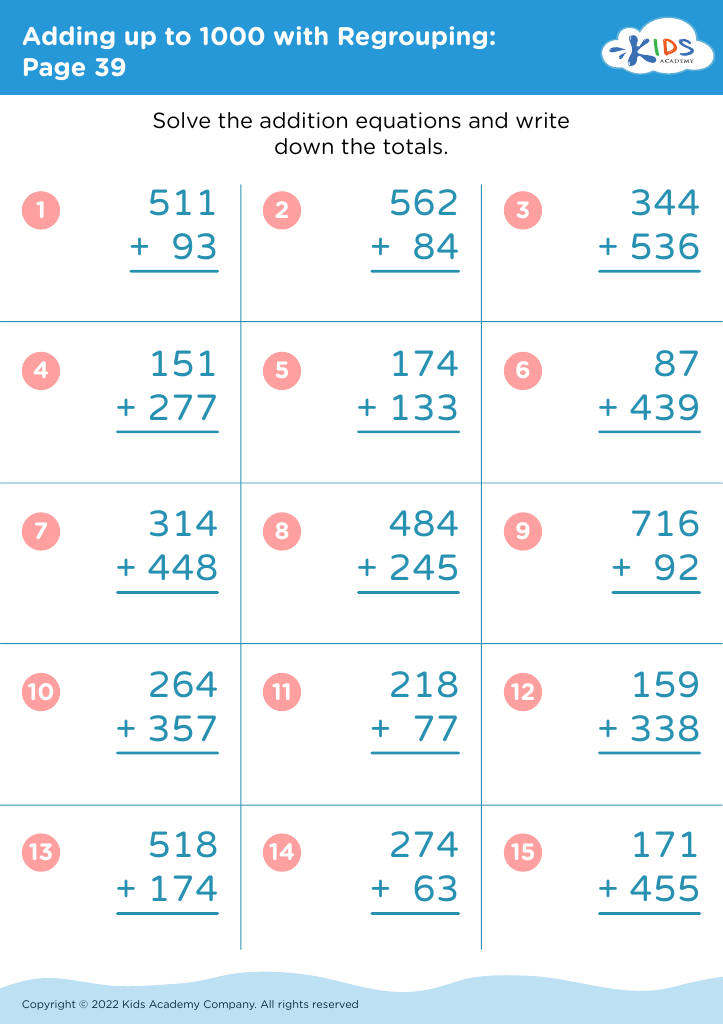
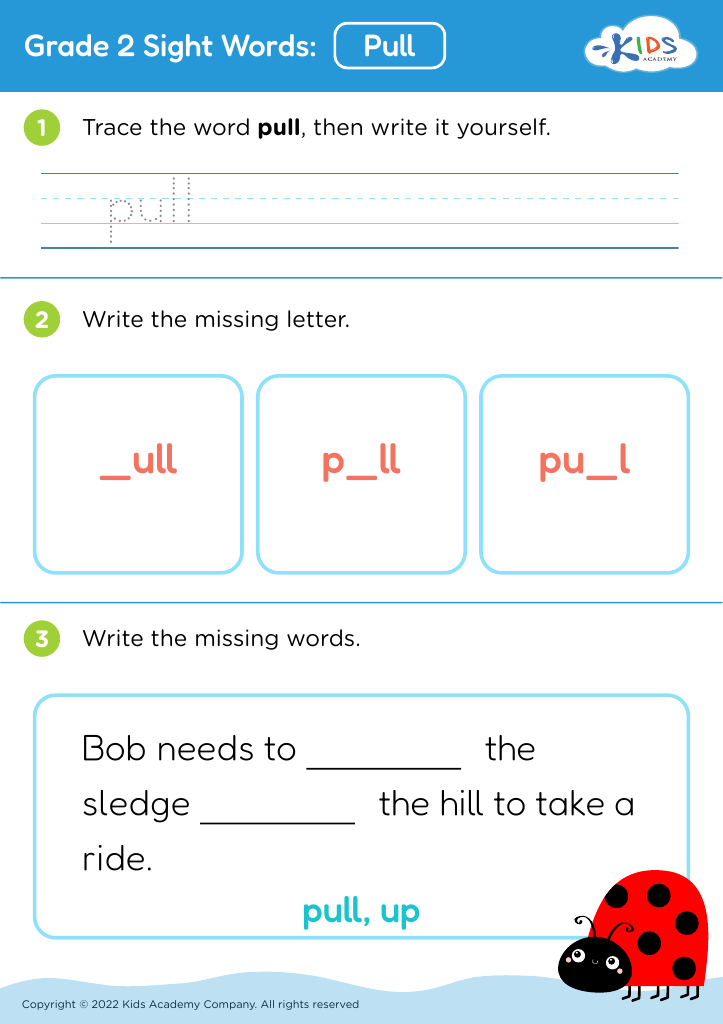








Understanding patterns is a fundamental skill for children aged 4-8, serving as a building block for various areas of learning. Firstly, recognizing and creating patterns enhances critical thinking and problem-solving abilities. Patterns help children learn how to predict outcomes, which is a foundational aspect of mathematics and science. By engaging in pattern activities, children practice sequencing and categorization, which are essential cognitive skills.
Moreover, understanding patterns fosters creativity and can be integrated into art and music, enriching their educational experience. For parents and teachers, encouraging children to identify patterns in everyday life—such as in nature, shapes, or routines—cements this learning and makes it relatable.
Patterns also prepare children for more complex mathematical concepts, such as addition and multiplication, where patterns play a crucial role. Recognizing patterns aids in developing early literacy skills as well, as children notice repetitions in language and storytelling.
Additionally, pattern recognition promotes social-emotional growth; children gain confidence from solving pattern challenges, enhancing their ability to collaborate and interact effectively with peers. Therefore, supporting the understanding of patterns is vital for holistic development, laying a robust foundation for children's future academic and social achievements.








