Understanding division Worksheets for Ages 4-8
9 filtered results
-
From - To
Help your child master the basics of division with our "Understanding Division Worksheets for Ages 4-8." Designed to introduce young minds to the concept of division through fun and engaging activities, these worksheets simplify division problems to enhance comprehension. Perfect for early learners, each worksheet uses colorful visuals, relatable scenarios, and step-by-step guidance to build strong foundational math skills. From dividing objects into equal groups to understanding simple division equations, these resources are ideal for home or classroom use, making division an enjoyable and stress-free learning experience. Empower your child with the confidence to tackle division with ease!
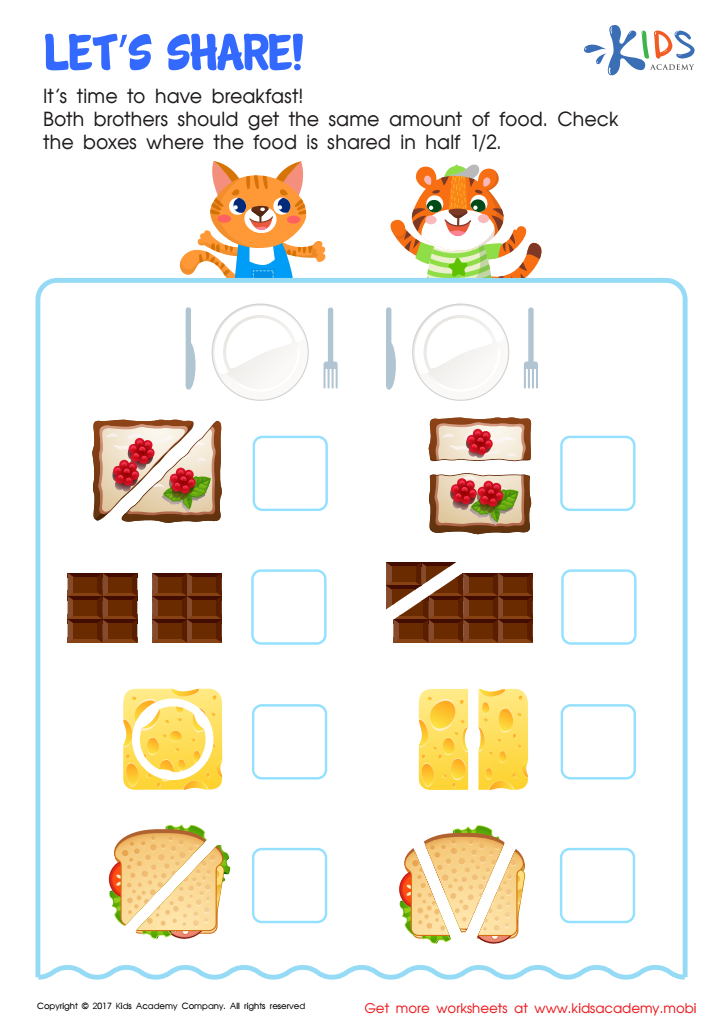
Let's Share Worksheet
 Assign to My Students
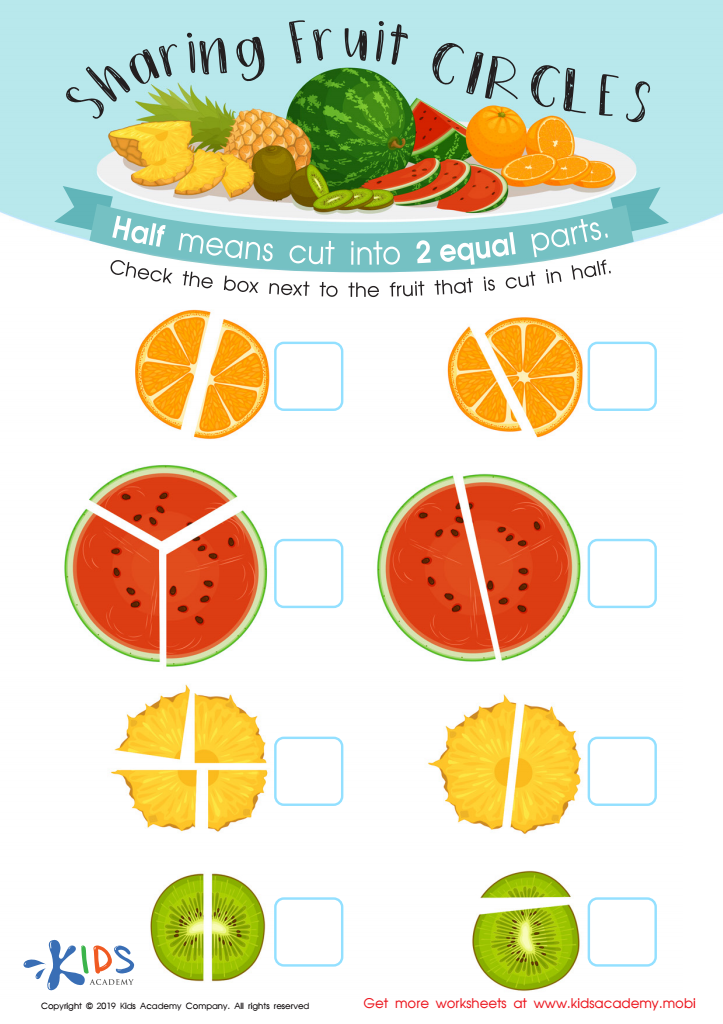
Sharing Fruit Circles Worksheet
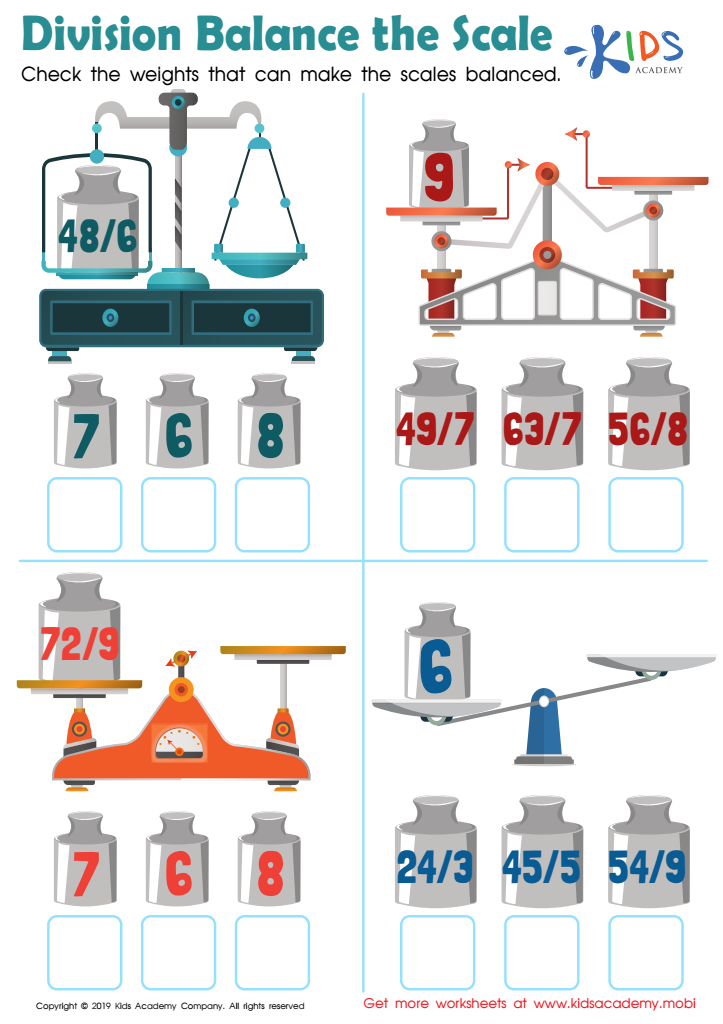
Division Balance the Scale Worksheet
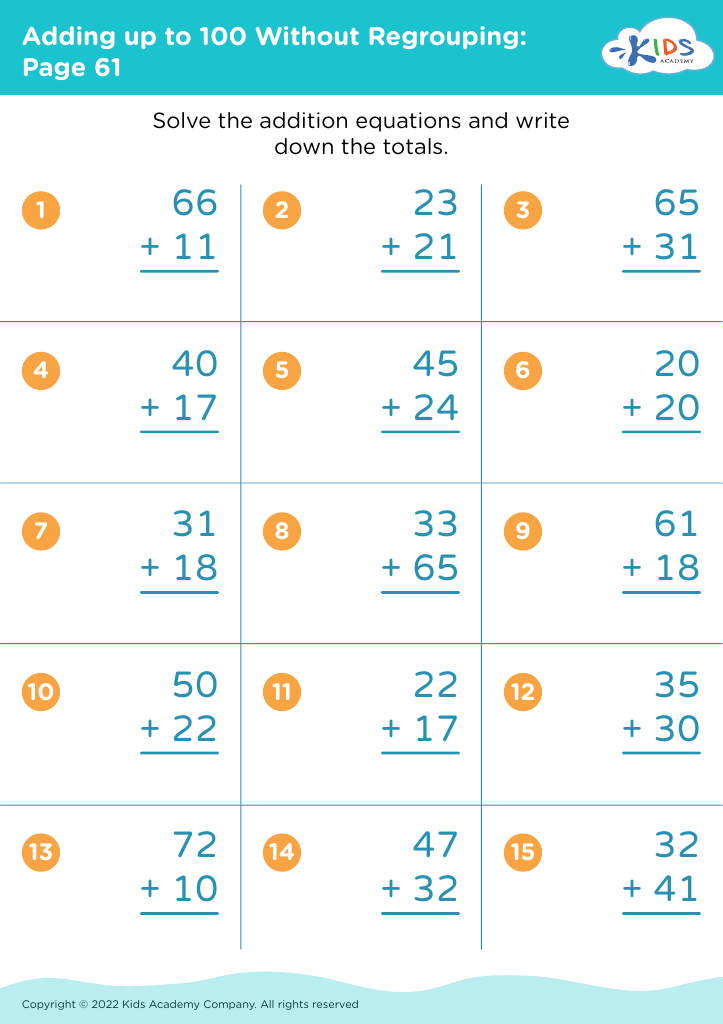
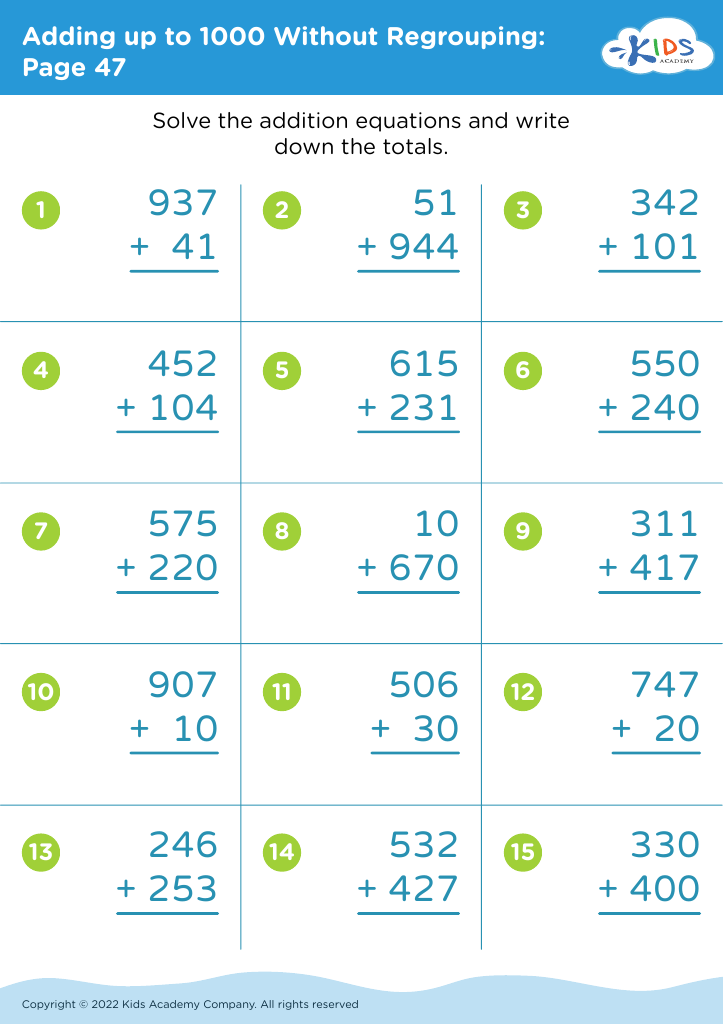
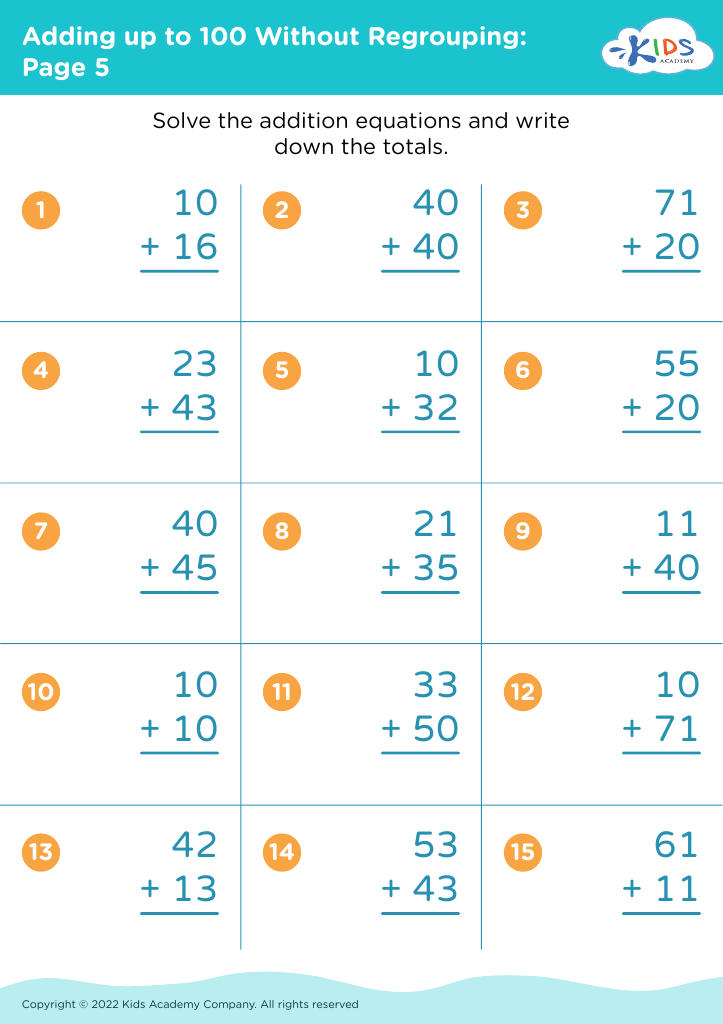
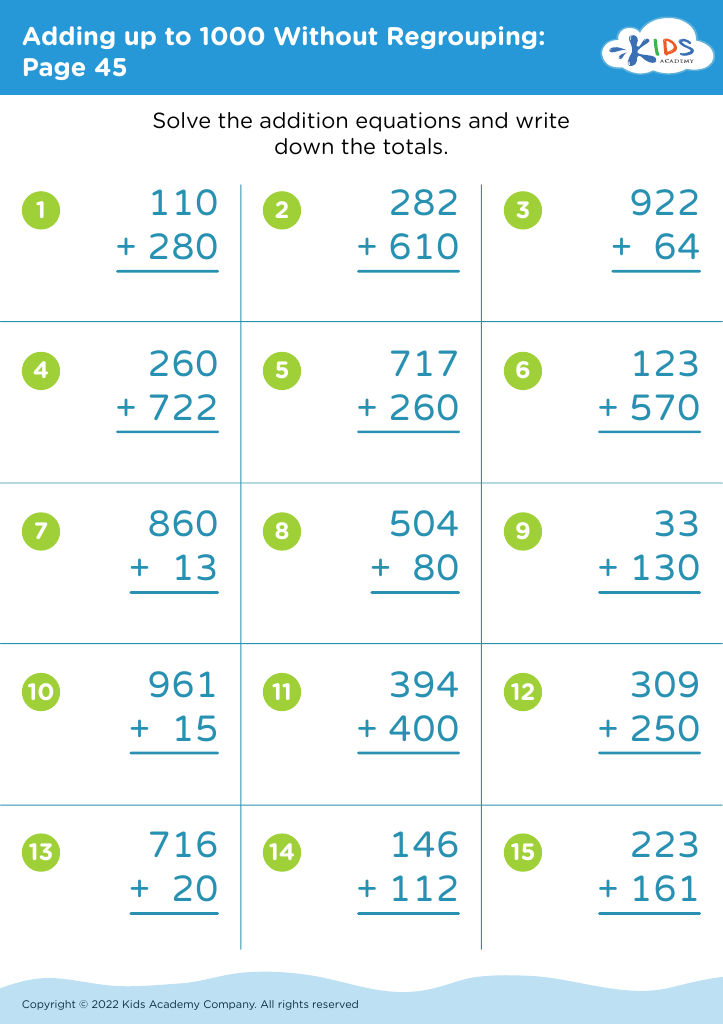



Understanding division at an early age, specifically for children aged 4-8, is crucial for several reasons. Firstly, division is a fundamental mathematical concept that extends beyond merely splitting objects or numbers into equal parts. It forms the cornerstone of more advanced arithmetic and algebra, fostering strong analytical and problem-solving skills.
Early exposure to division helps children develop a sense of fairness and sharing. For example, if a class of 24 students has 6 packets of crayons to share equally, understanding how to distribute them ensures everyone gets their fair share. This not only aids mathematical comprehension but also nurtures important social skills like cooperation and fairness.
Early math skills, including division, are strong predictors of future academic achievement in math and other subjects. When parents and teachers prioritize these foundational skills, they set children up for long-term success. Additionally, knowledge of division helps improve logical thinking and reasoning, boosting cognitive abilities that are valuable across various disciplines.
Moreover, introducing division at a young age makes math more engaging and less intimidating as children progress to higher grades. Utilizing fun, age-appropriate methods like storytelling, games, and visual aids can make learning division enjoyable and meaningful. Thus, a solid understanding of division during these formative years underpins not just mathematical proficiency but holistic educational growth.








