Understanding grouping Worksheets for Ages 4-8
3 filtered results
-
From - To
Discover the joy of learning with our "Understanding Grouping Worksheets" designed for children ages 4-8. These engaging worksheets aim to strengthen essential skills such as categorization, critical thinking, and early mathematics. Through fun visuals and interactive exercises, kids will learn to group objects based on color, size, and shape, fostering their cognitive abilities. Ideal for both classroom and home use, these resources promote creativity and independent learning. Encourage your child to explore the world of grouping, enhancing their problem-solving skills while having fun. Perfect for parents and educators looking to enrich children's learning experiences. Start their educational adventure today!
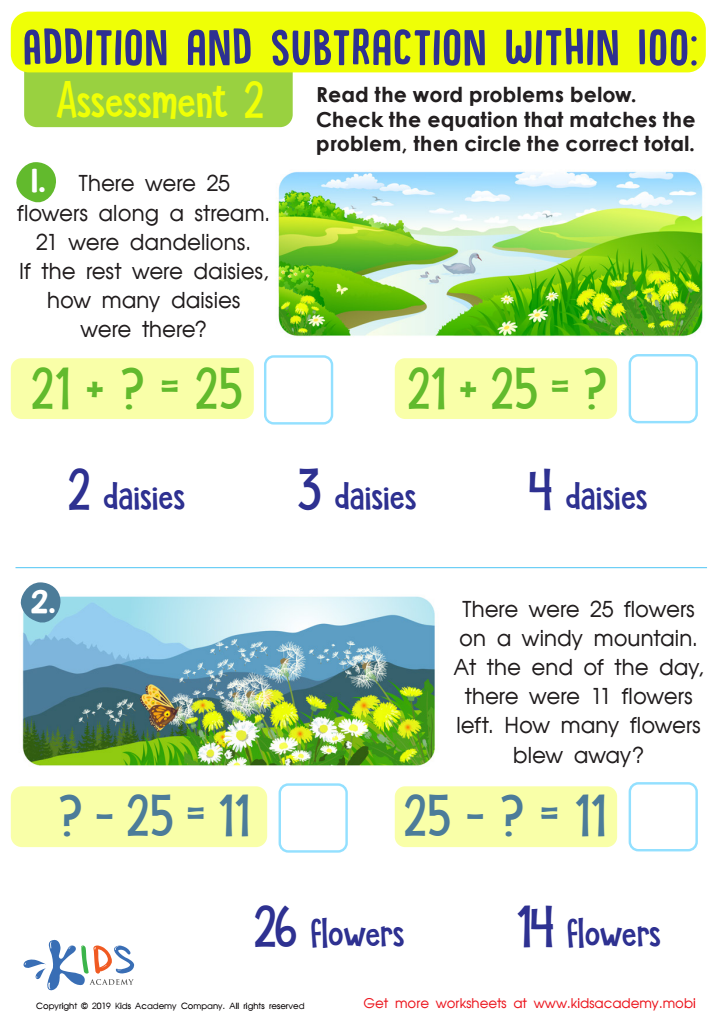
Assessment 2 Math Worksheet
 Assign to My Students
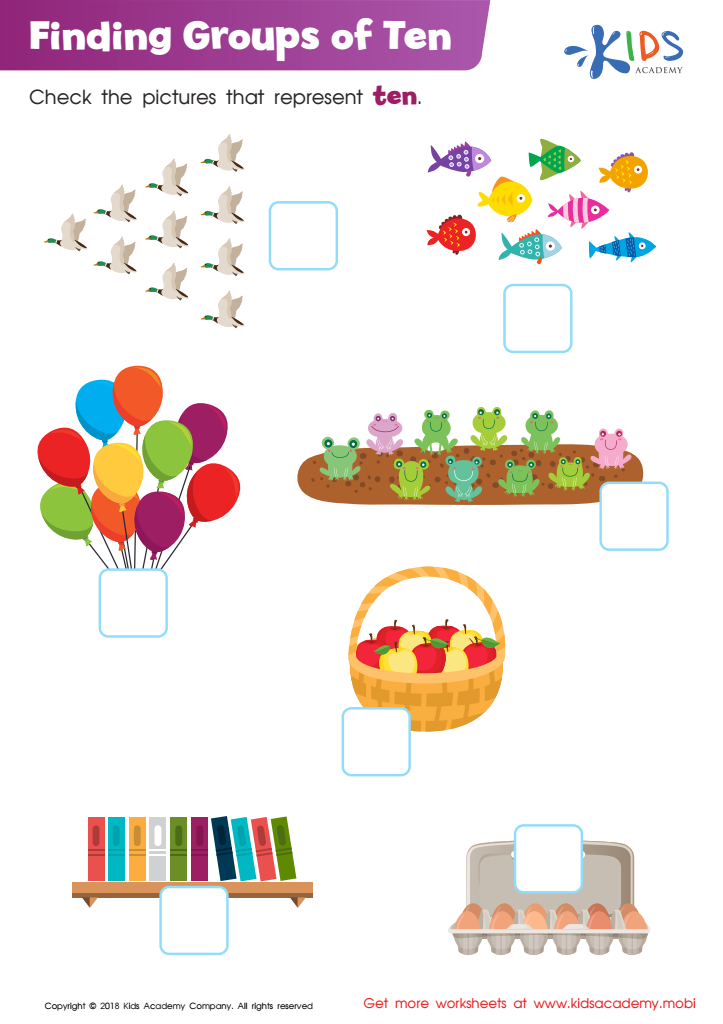
Finding Groups of Ten Worksheet








Understanding grouping is essential for children aged 4-8 as it lays the foundation for key cognitive and social skills. During this developmental stage, children begin to comprehend abstract concepts, making grouping an effective tool for learning. It encourages critical thinking by allowing children to categorize objects based on shared characteristics, such as size, color, or shape. This skill is pivotal in grasping more complex mathematical concepts later on, such as addition, subtraction, and even early algebra.
Grouping also enhances social skills. As children collaborate in grouped activities, they learn to share ideas, listen, and communicate effectively. It fosters a sense of community and teamwork, essential for later experiences in school and life.
Furthermore, engaging in grouping activities stimulates discussions, allowing children to articulate their reasoning and defend their choices. This verbal interaction boosts language development, enabling children to express their thoughts more clearly.
Lastly, grouping often integrates play, making learning enjoyable and interactive. When parents and teachers prioritize understanding grouping, they are not only supporting academic growth but also nurturing well-rounded, socially engaged children. Thus, recognizing its importance can significantly influence a child’s overall development during these formative years.








