Understanding Sequences Worksheets for Ages 4-8
29 filtered results
-
From - To
Discover engaging "Understanding Sequences Worksheets" designed for children aged 4 to 8 on Kids Academy. These printable worksheets aim to boost critical thinking and logical sequencing skills through fun-filled activities. Kids will enjoy interactive exercises, from recognizing simple patterns to arranging events in the correct order. Each worksheet is crafted by educational experts to develop your child's cognitive abilities while keeping learning enjoyable. Building a strong foundation in understanding sequences fosters problem-solving skills essential for future academic success. Perfect for classroom use or home learning, these resources ensure your child progresses seamlessly. Explore our worksheets today and spark a love for learning!
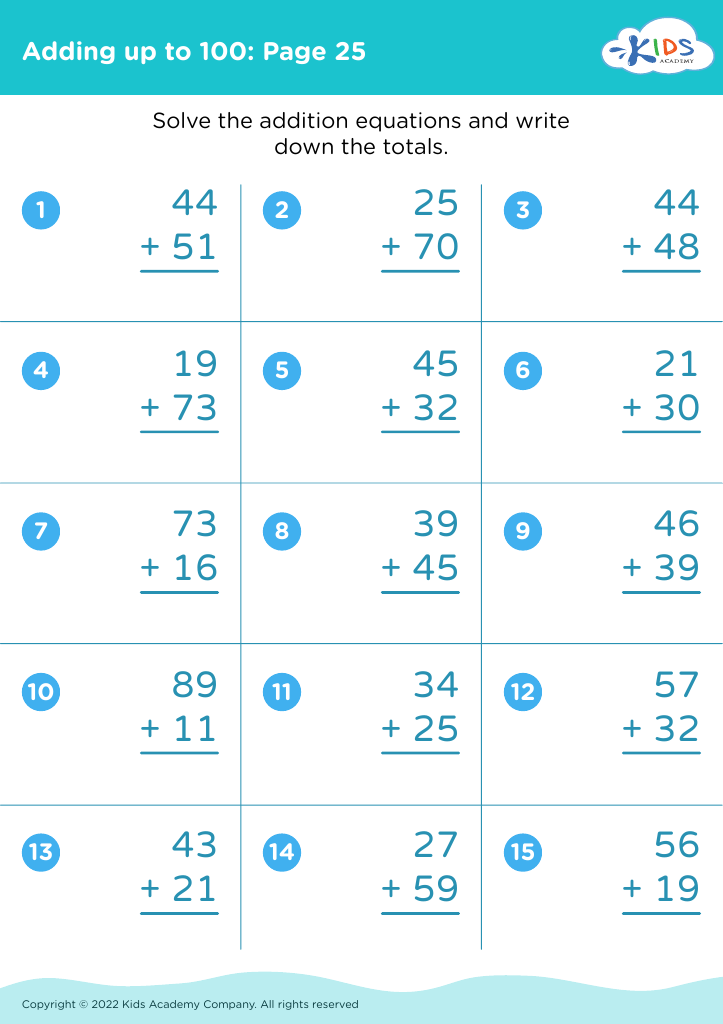
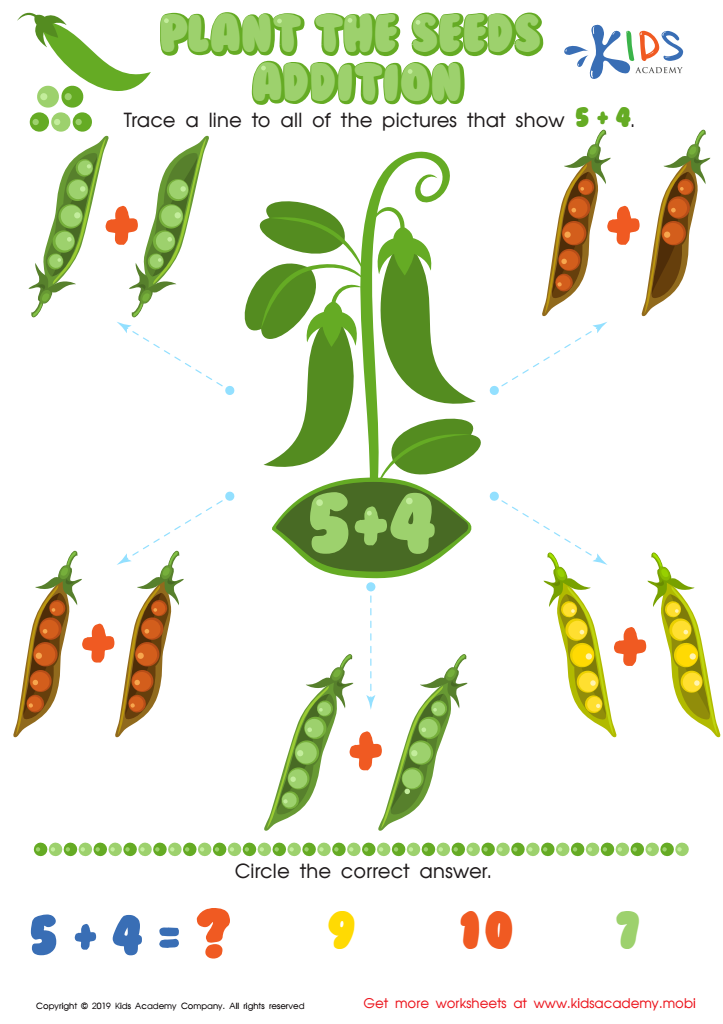
Plant the Seeds Addition Worksheet
 Assign to My Students
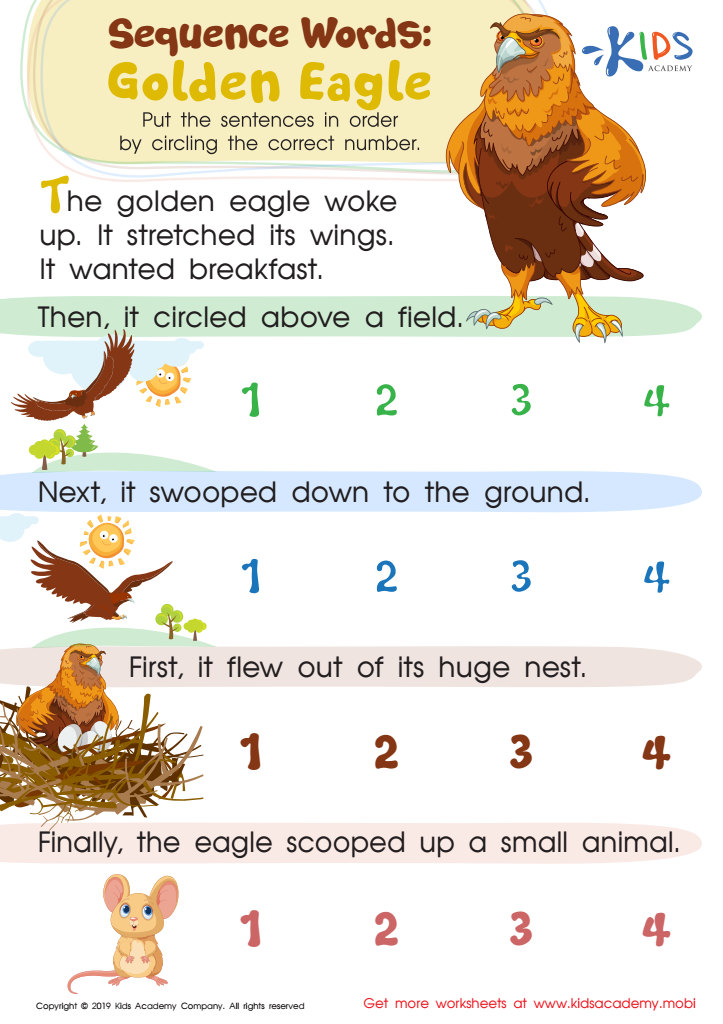
Sequence Word Eagle Worksheet
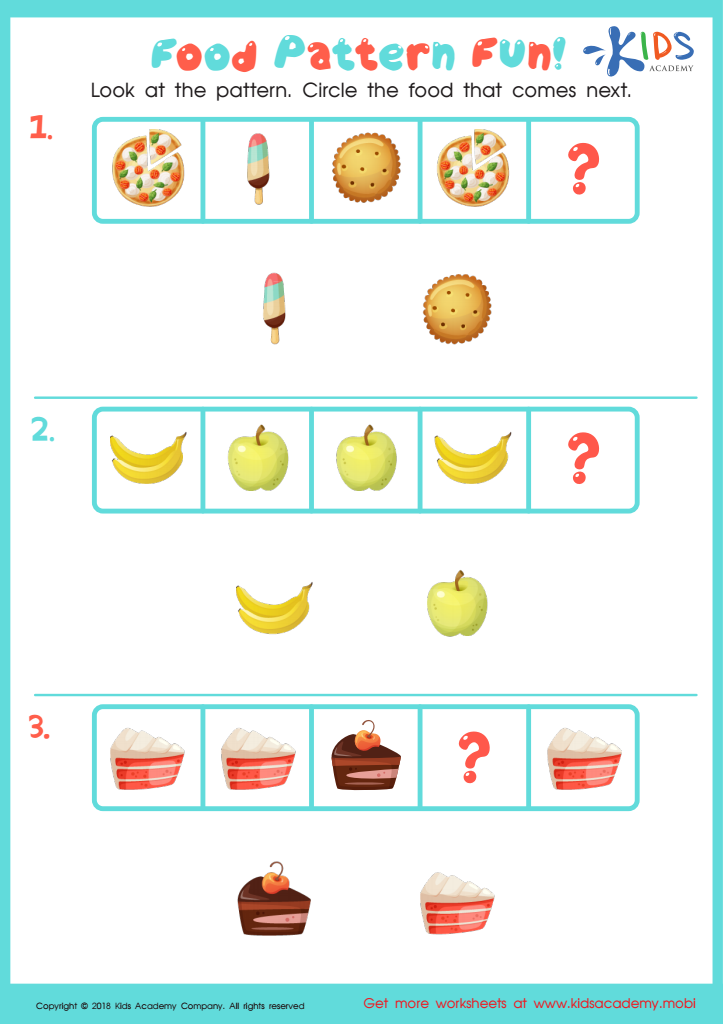
Food Pattern Fun Worksheet
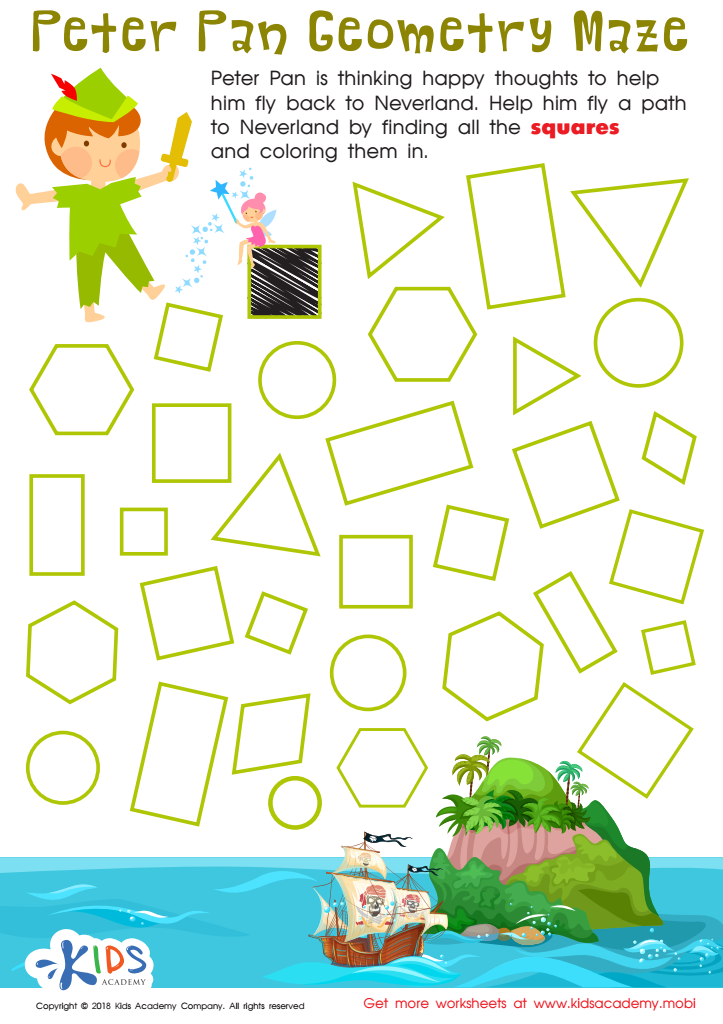
Peter Pan Worksheet
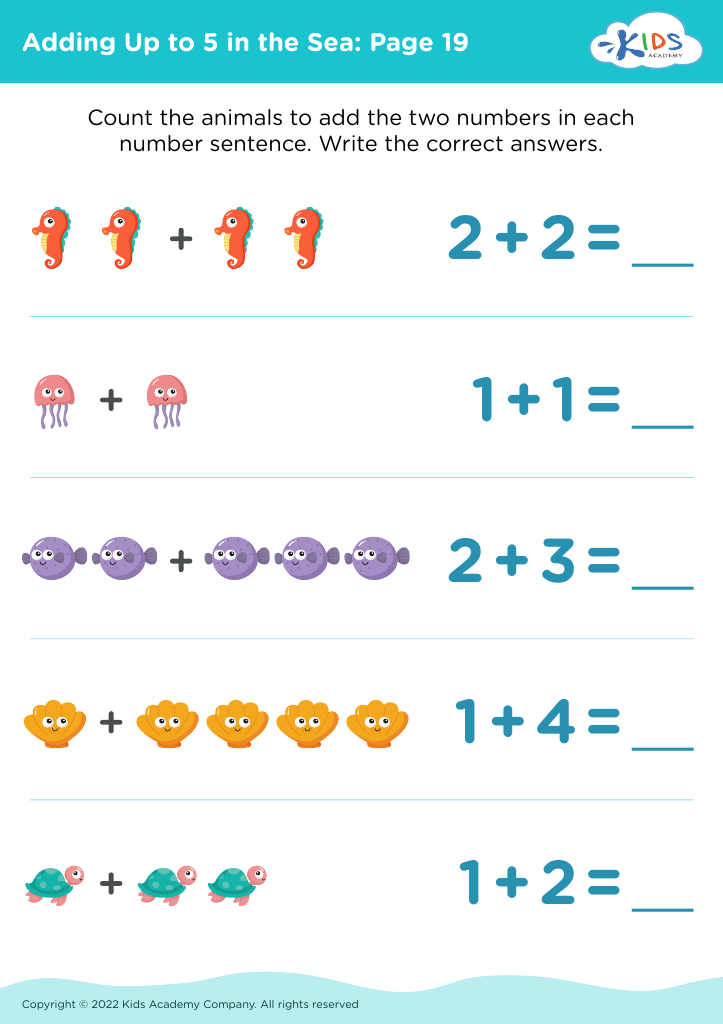
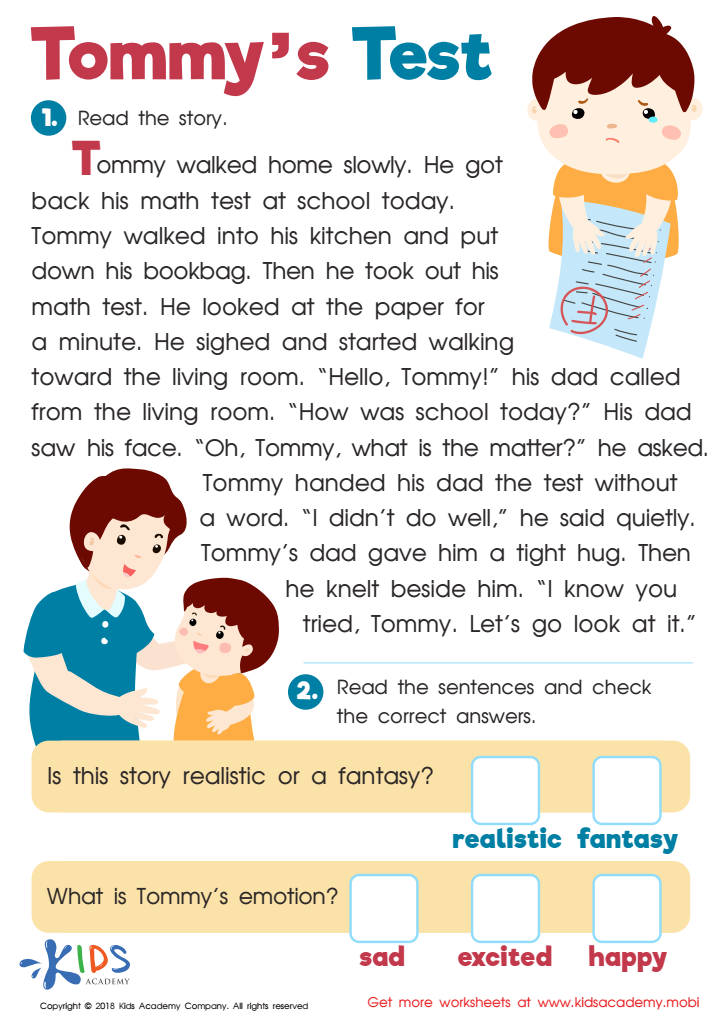
Tommys Test Worksheet
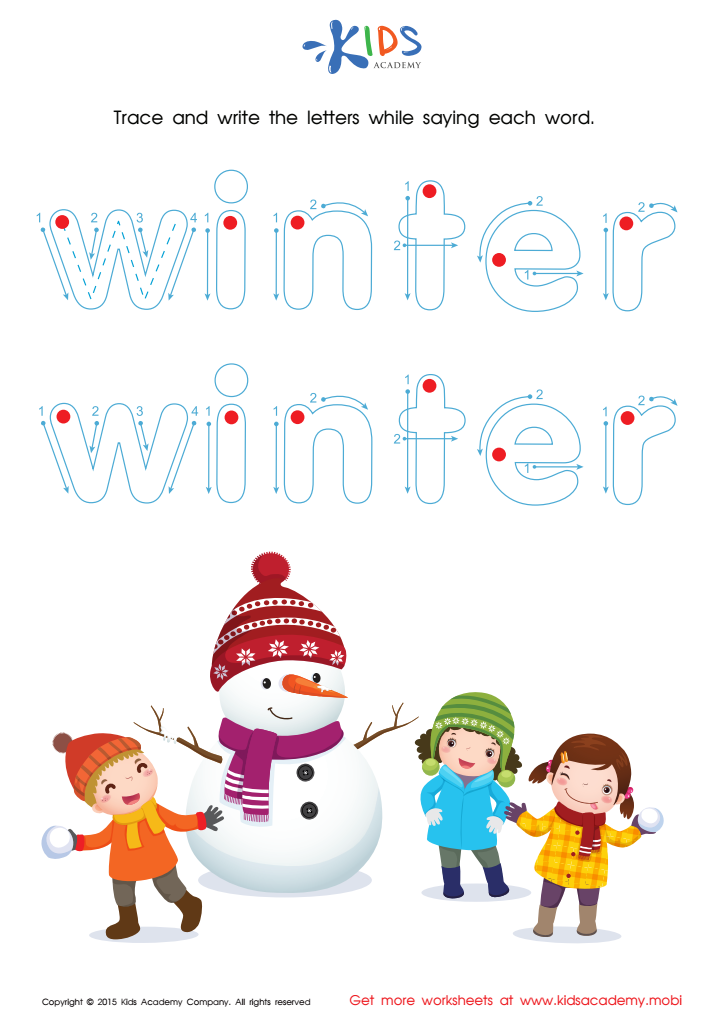
Snowman Tracing Winter Words Worksheet
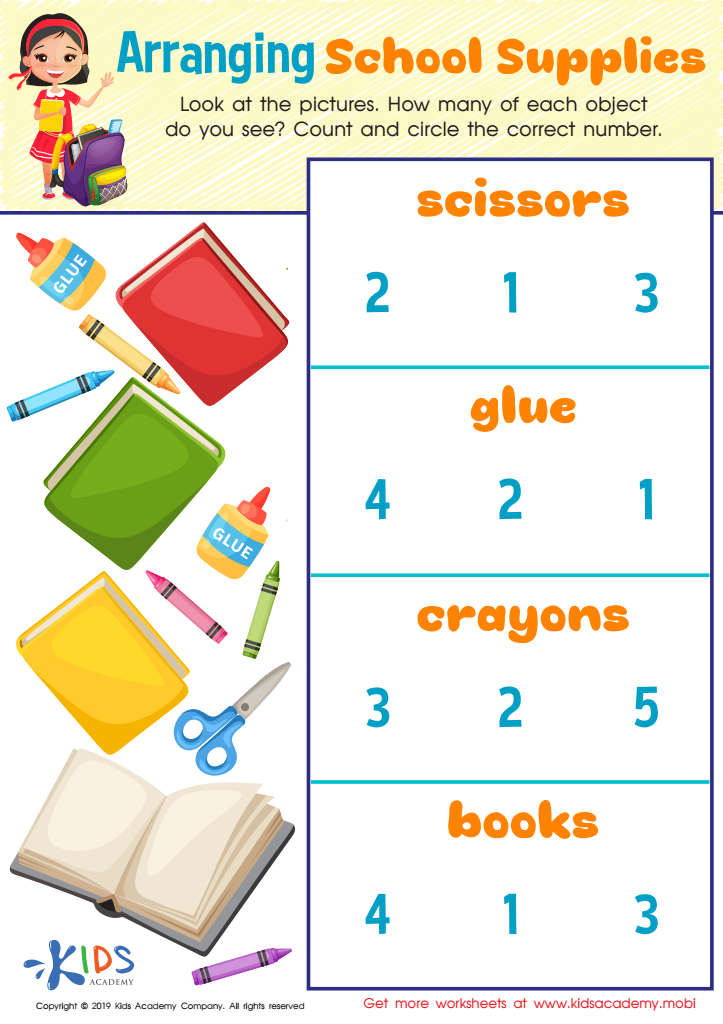
Arranging School Supplies Worksheet
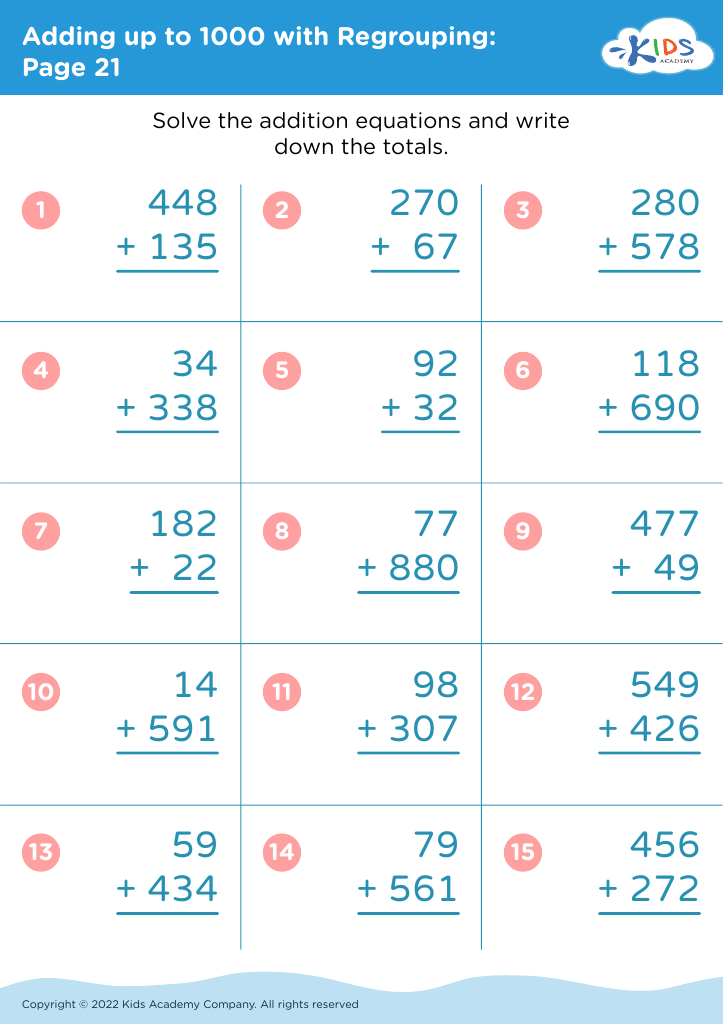
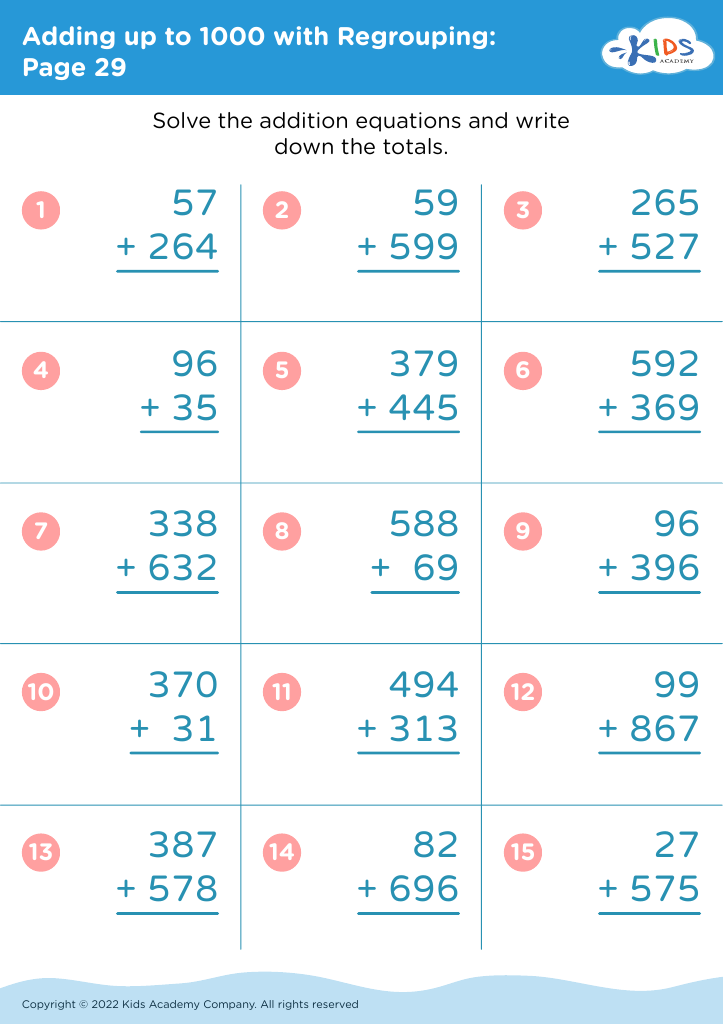
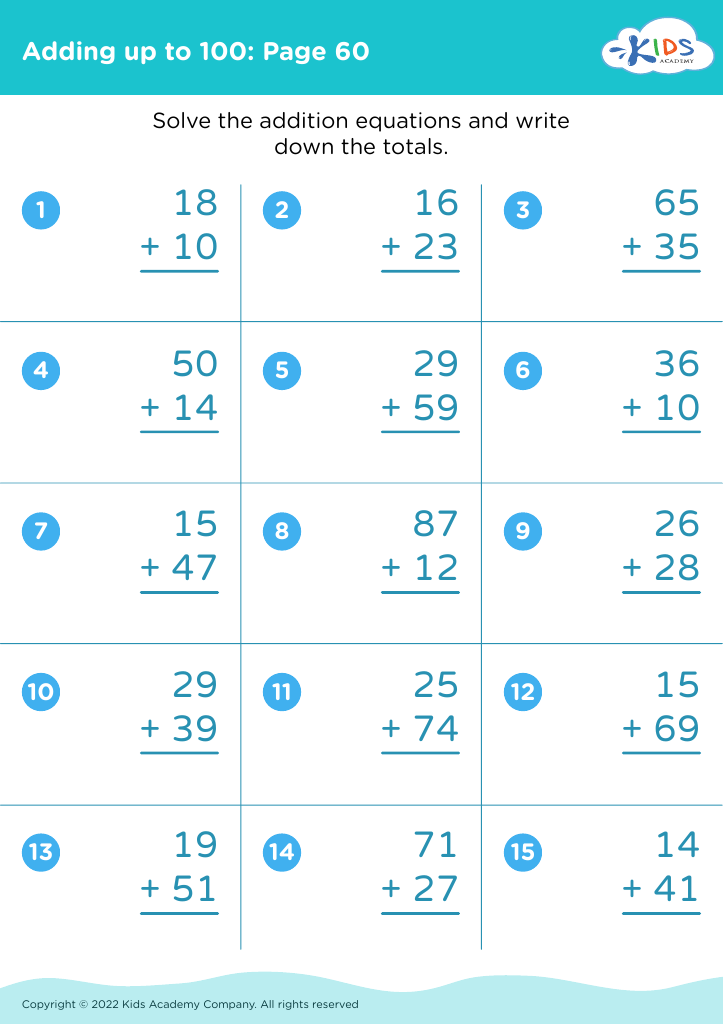
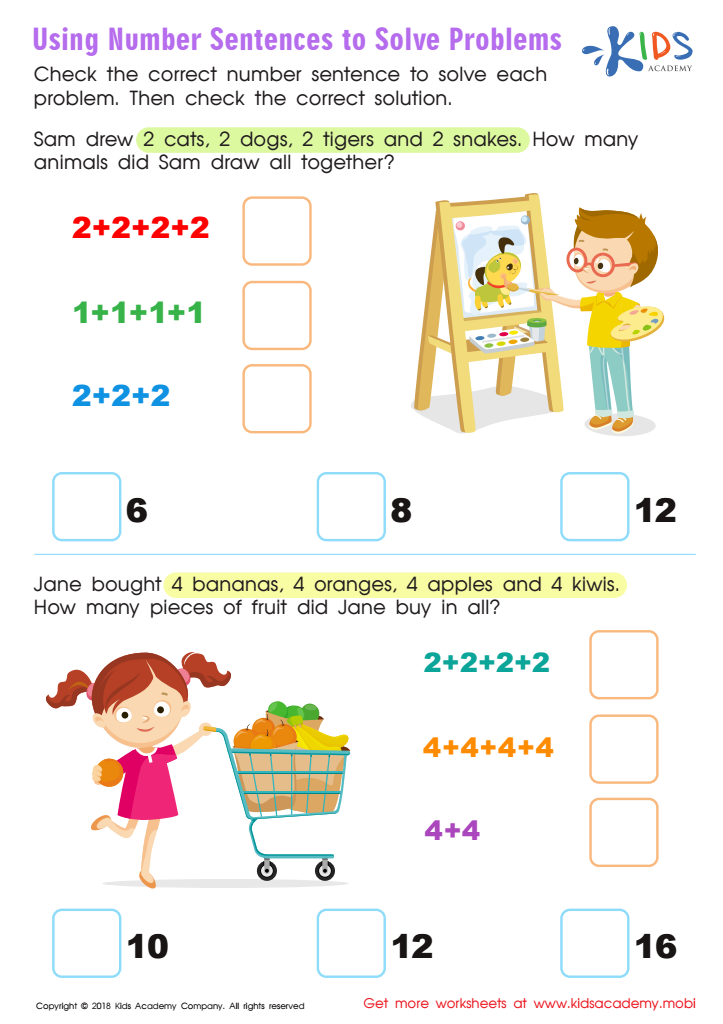
Using Number Sentences to Solve Problems Worksheet
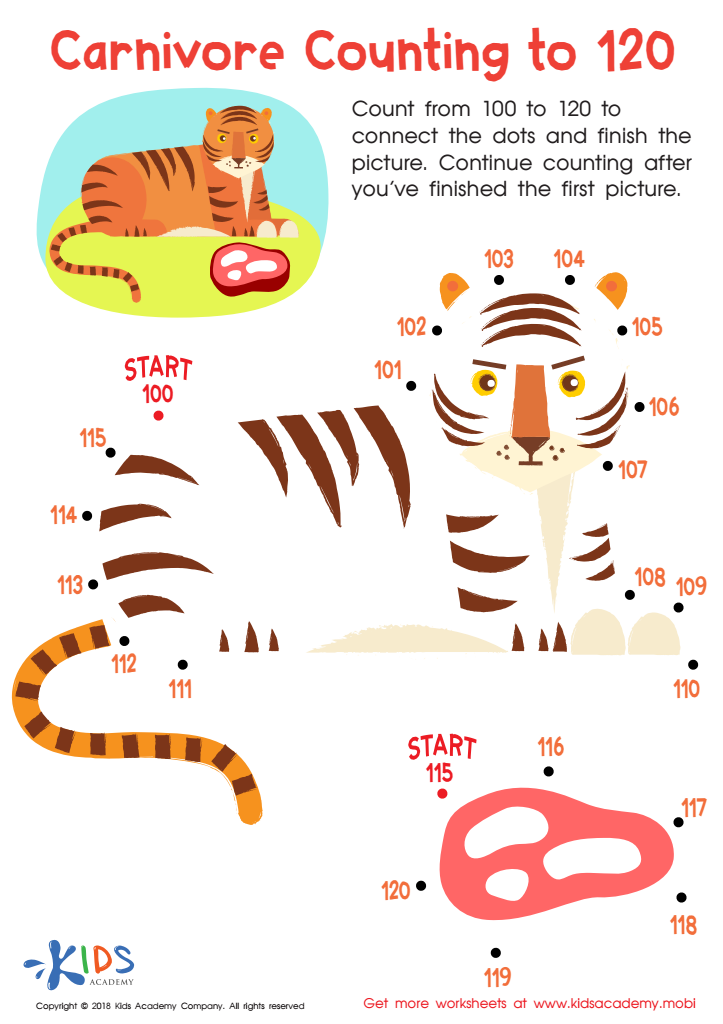
Carnivore Counting to 120 Worksheet
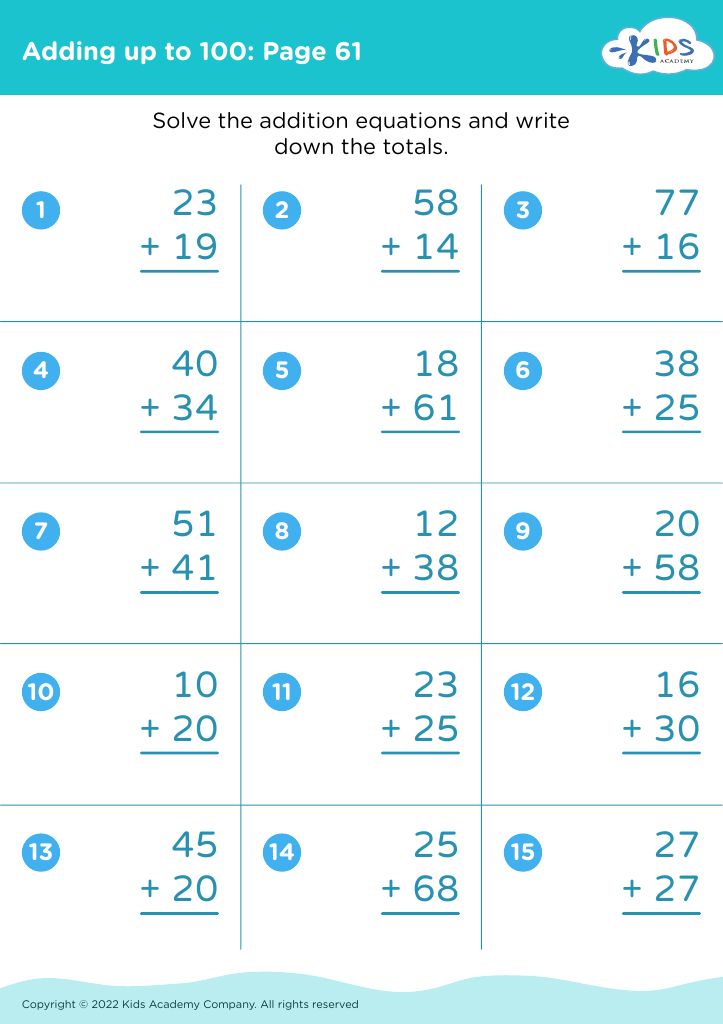
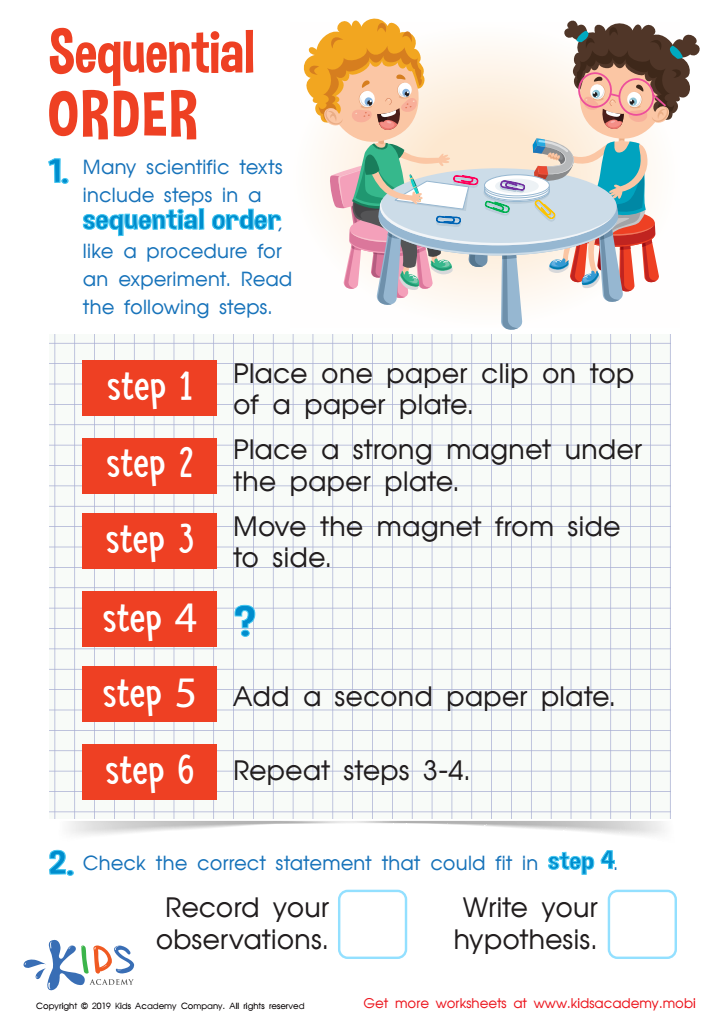
Sequencential Order Worksheet
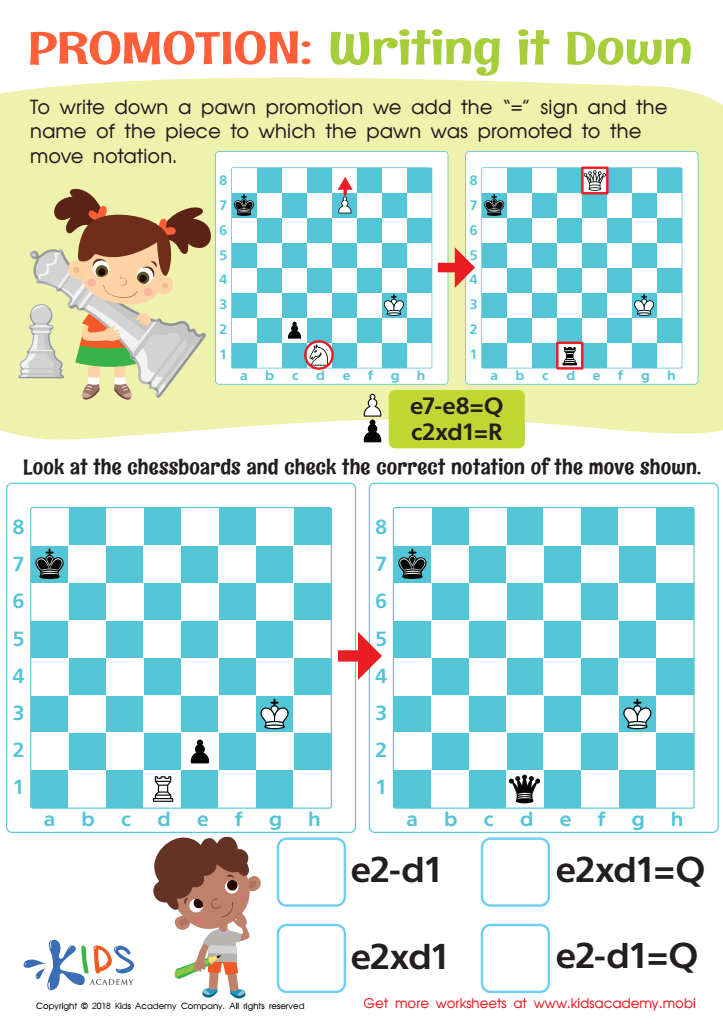
Writing it Down Worksheet

When Does It Happen? Worksheet
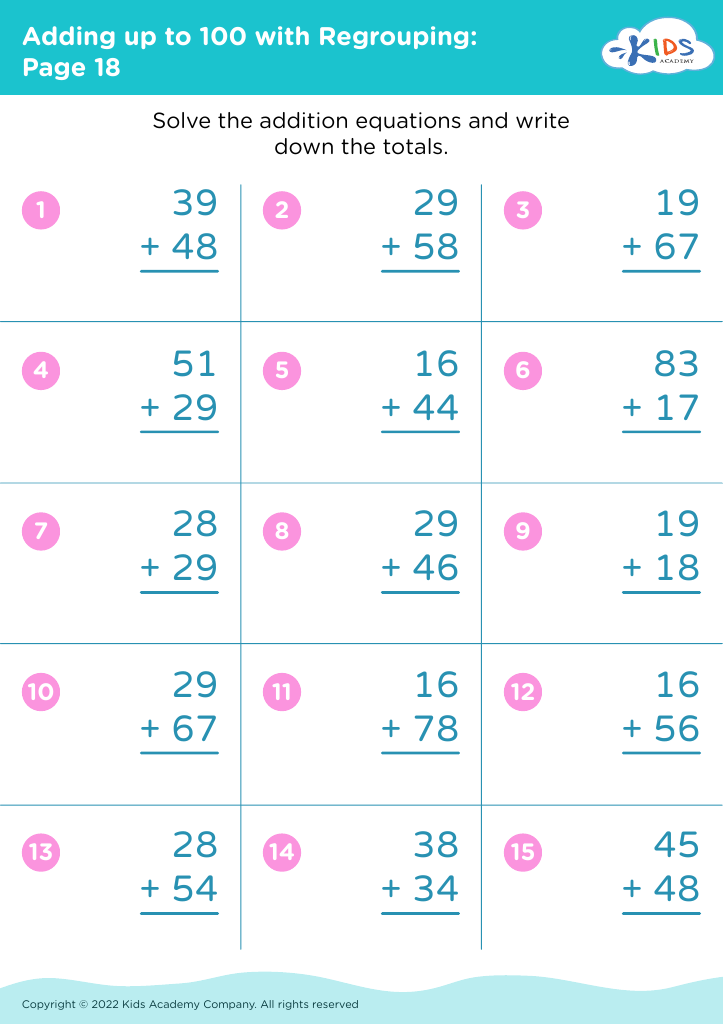
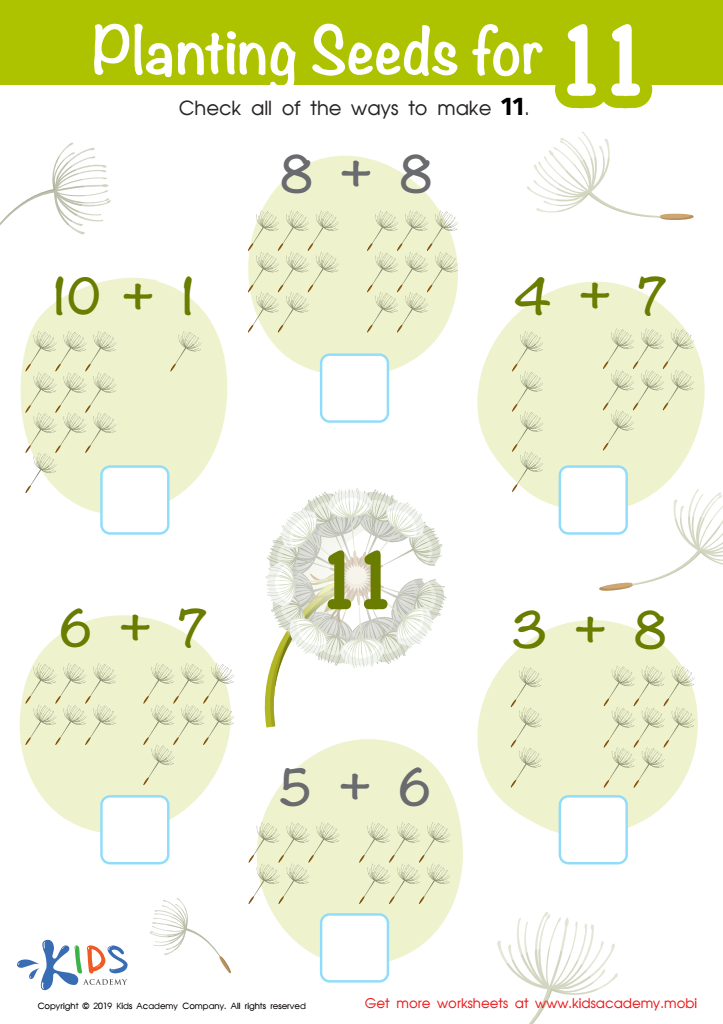
Planting Seeds for 11 Worksheet
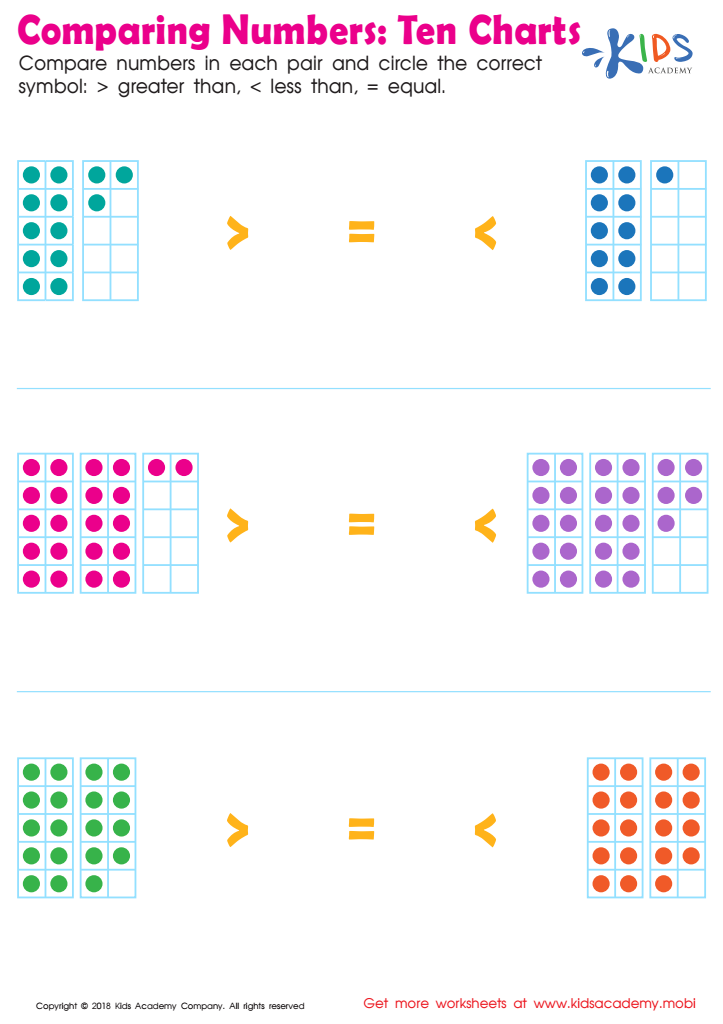
Ten Charts Worksheet
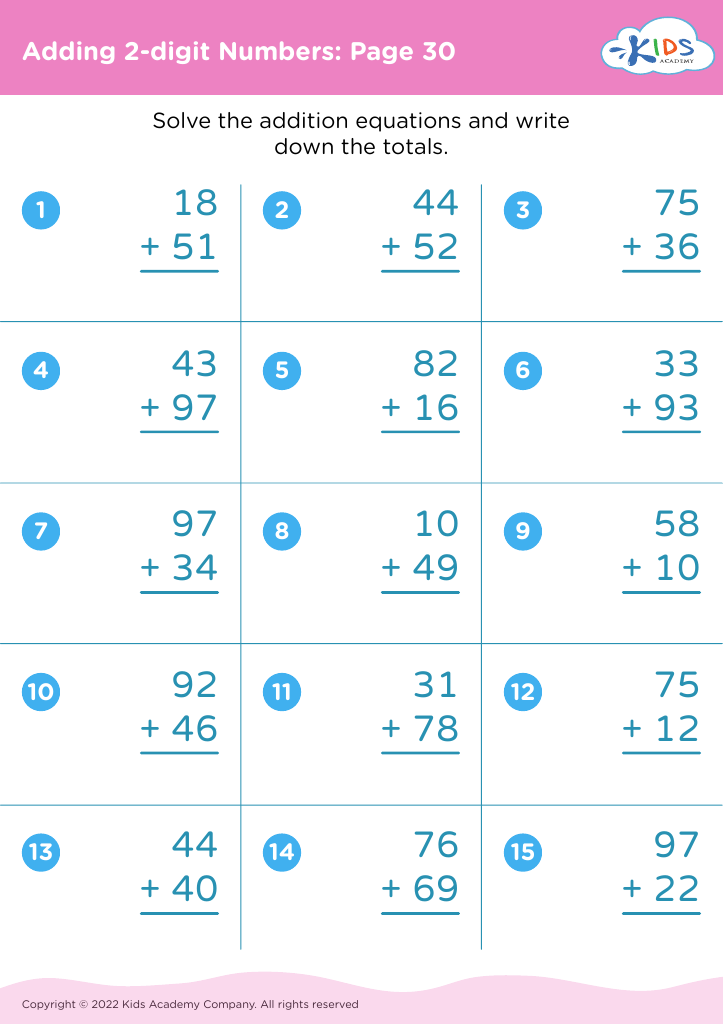








Understanding sequences is a foundational skill crucial for young children's cognitive and academic development. For ages 4-8, learning sequences helps kids grasp the order of events, boosting their comprehension in multiple areas. It aids in understanding routines (like the daily schedule), fostering a sense of security and predictability.
In early reading and storytelling, recognizing sequences—beginning, middle, end—improves comprehension and retention, making reading more enjoyable and engaging. Math skills also heavily rely on sequences; counting, understanding patterns, and solving problems all depend on this ability.
For parents and teachers, fostering sequencing skills at this stage equips children with critical thinking and problem-solving abilities essential for later academic success. It enables them to follow instructions better, manage time effectively, and improve organizational skills, which are vital for both school and life.
Additionally, sequences aren't just academic; they're part of everyday life, from tying shoelaces to performing simple tasks independently. Instilling this competency early ensures children are adept at both conceptual and practical challenges, building confidence and the ability to handle complex scenarios as they grow. Investing time in teaching sequences strengthens the overall learning foundation, helping children thrive in diverse environments.








