Visual recognition skills Worksheets for Ages 4-8
4 filtered results
-
From - To
Foster your child’s cognitive development with our Visual Recognition Skills Worksheets for Ages 4-8. Carefully crafted, these engaging worksheets from Kids Academy boost visual discrimination and memory through interactive activities. Perfect for pre-school to early grade learners, our worksheets help enhance pattern recognition, shape sorting, and color identification. With colorful, fun, and educational exercises, children will joyfully sharpen their visual perception, attention to detail, and problem-solving skills. Ideal for home or classroom use, these printable resources support a strong foundation for later academic success. Unlock your child’s potential and make learning an enjoyable adventure!
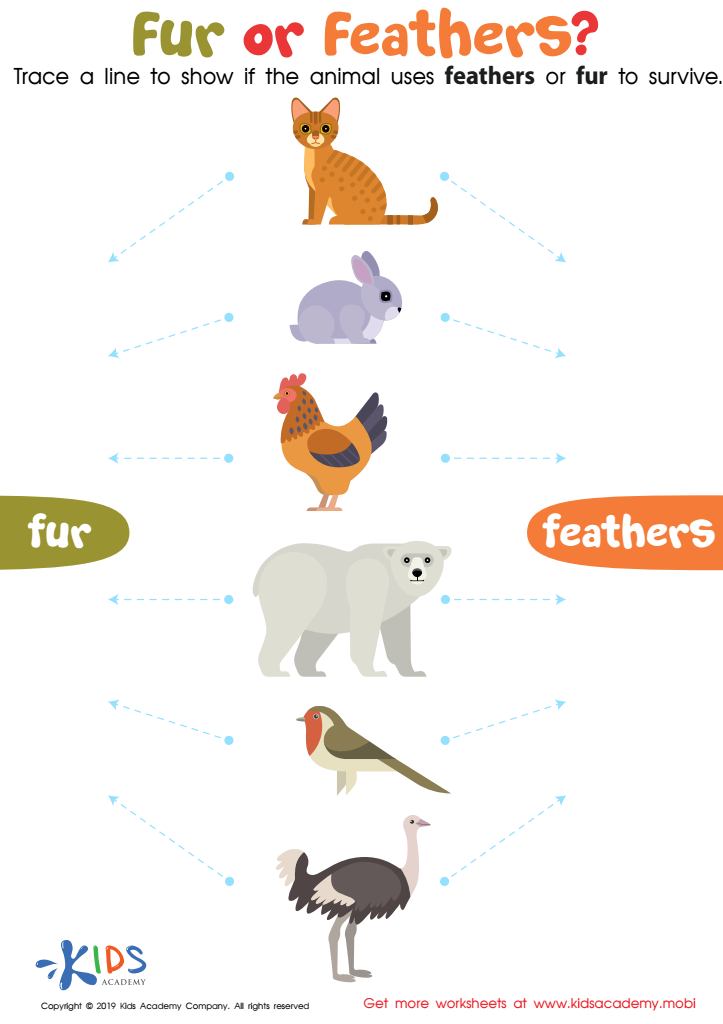
Fur or Feathers? Worksheet
 Assign to My Students
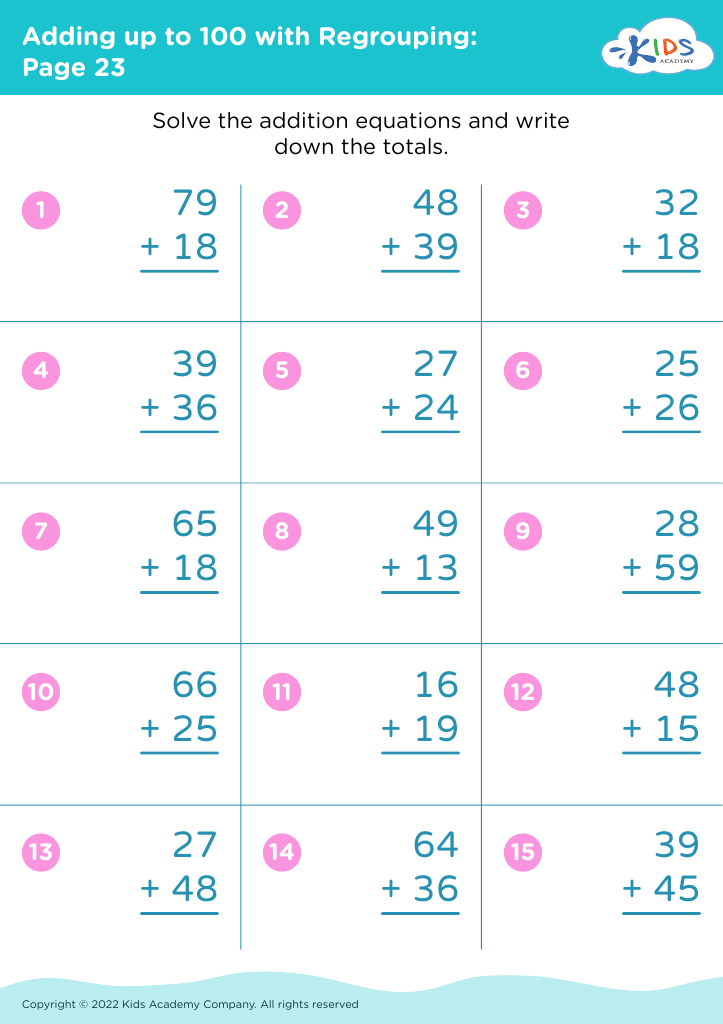
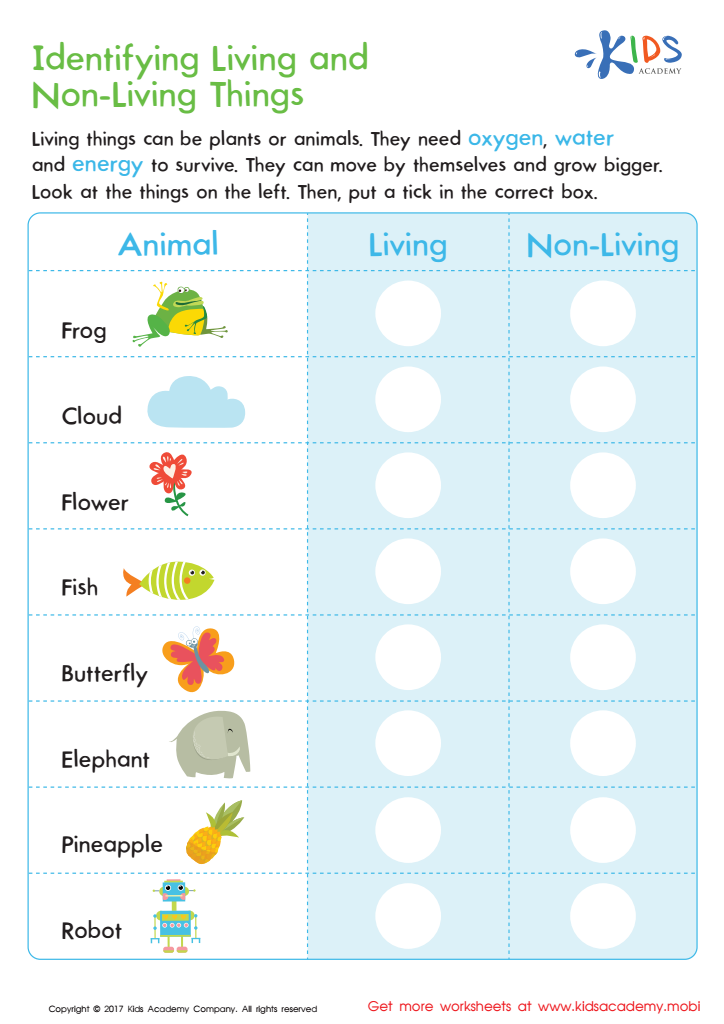
Identifying Living or Non–living Worksheet
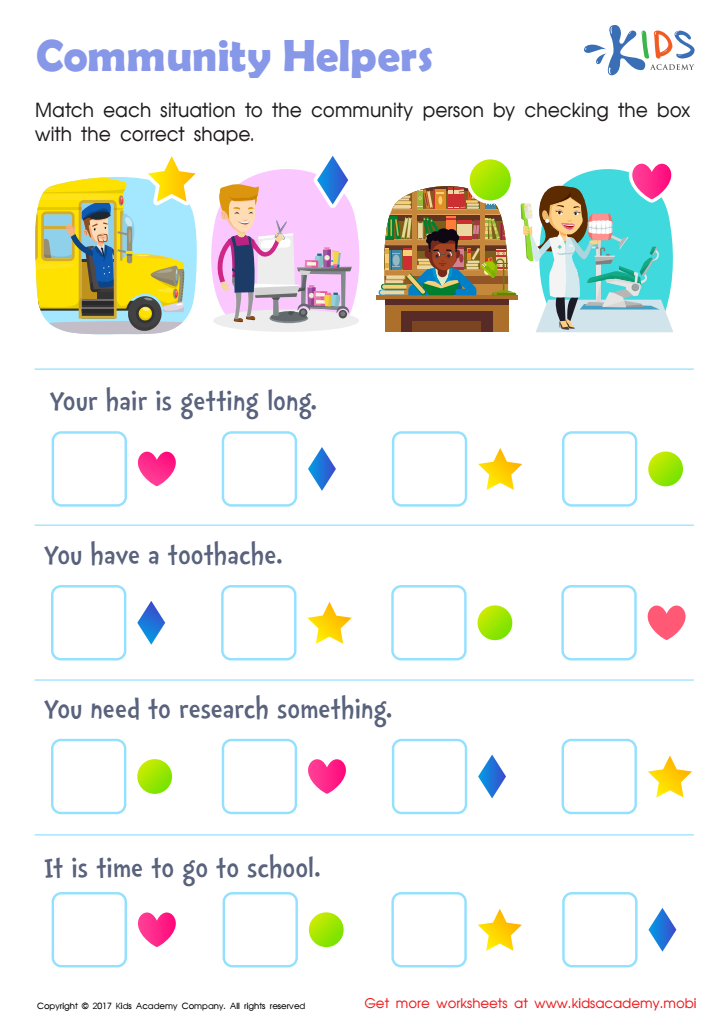







Visual recognition skills are fundamental for young children aged 4-8, and it's crucial for parents and teachers to understand their importance. These skills form the cornerstone of early childhood development, intertwining with cognitive and academic growth in significant ways. First and foremost, visual recognition aids in literacy; children learn to associate letters with sounds and, subsequently, words with meanings. This skill accelerates reading abilities, contributing to overall language development.
Moreover, visual recognition is vital for everyday learning and social interaction. It enhances children’s abilities to follow instructions, participate in group activities, and recognize social cues, all of which are important for healthy emotional and social development. These skills also lay the groundwork for more advanced subjects such as mathematics and science, where interpreting charts, graphs, and geometric shapes becomes crucial.
For children with learning difficulties, targeted support in visual recognition can make a substantial difference, boosting self-esteem and reducing frustration. Activities that engage these skills include puzzles, matching games, and drawing, which also promote fine motor development. Hence, nurturing visual recognition in early childhood sets the stage for academic success and well-rounded intellectual growth, fostering curious, confident, and capable learners.








