Fine Motor Skills Logic and Early Math Worksheets for Ages 4-8
5 filtered results
-
From - To
Enhance your child's learning experience with our engaging Fine Motor Skills Logic and Early Math Worksheets, designed specifically for ages 4-8. These worksheets focus on developing essential fine motor skills while introducing foundational math concepts. Through fun, hands-on activities, children will improve their hand-eye coordination, practice number recognition, and solve logic puzzles. Our colorful, eye-catching designs keep young learners motivated and excited about learning. Perfect for classroom use or at-home practice, these worksheets foster a strong educational foundation that bridges fine motor development and early mathematics, ensuring children are well-prepared for future learning challenges. Start nurturing their skills today!
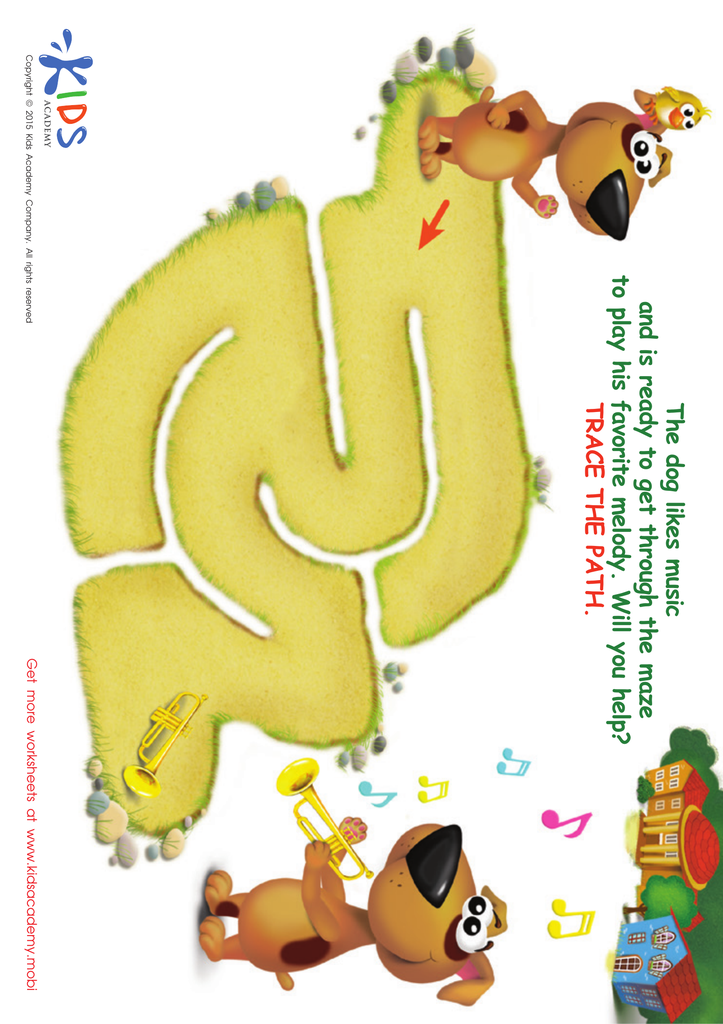
Trumpeter Maze Worksheet
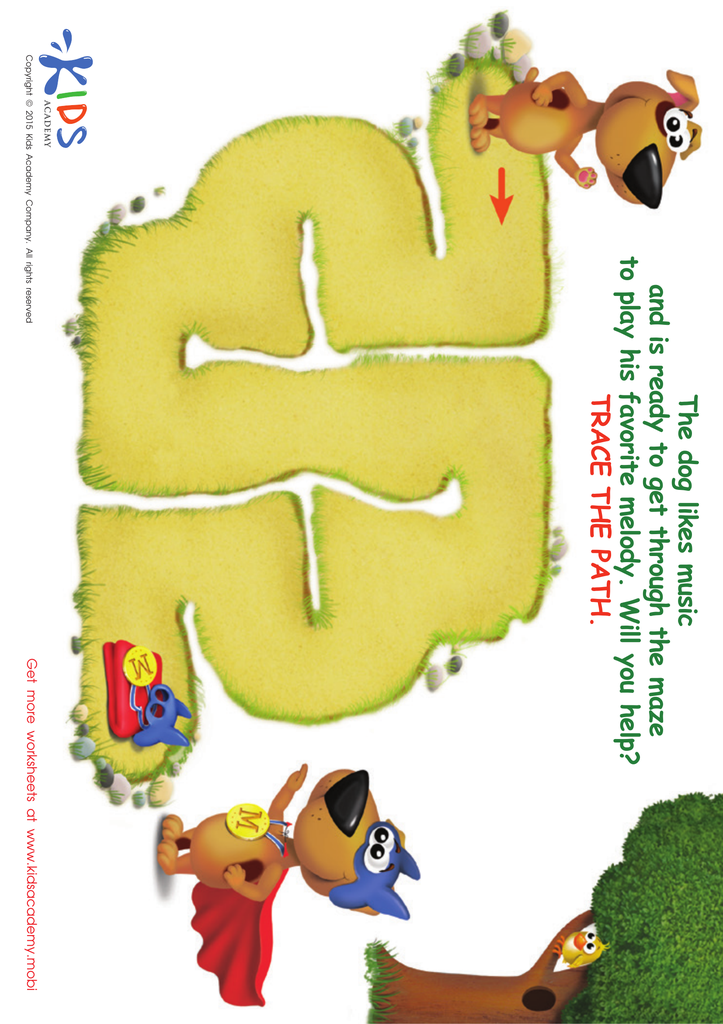
Superman Maze Worksheet
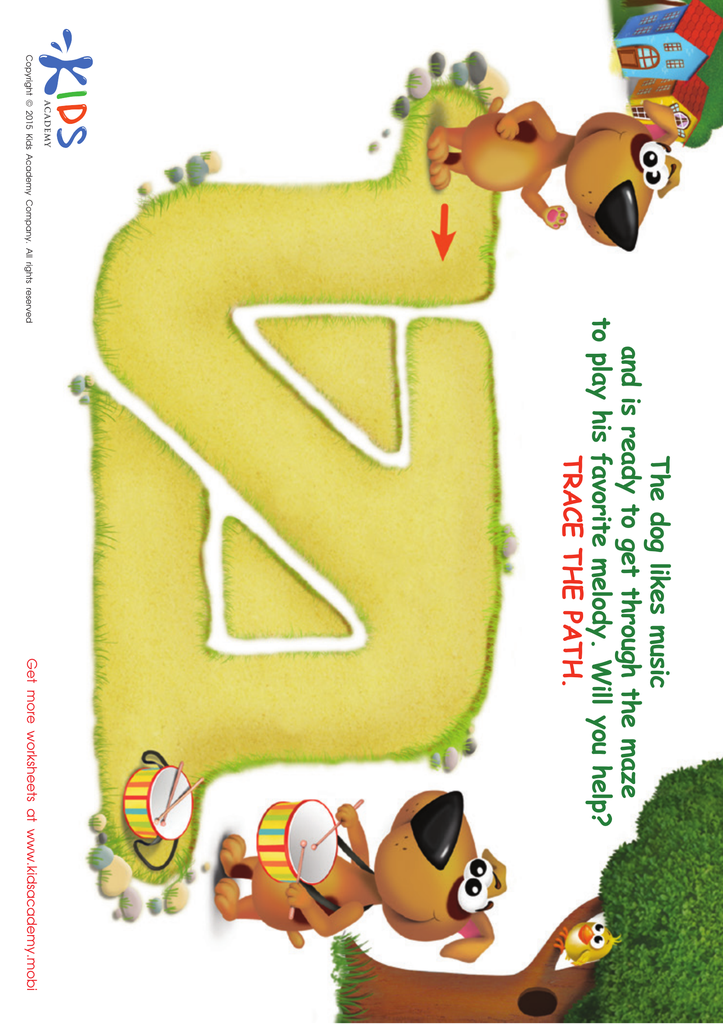
Drummer Maze Worksheet
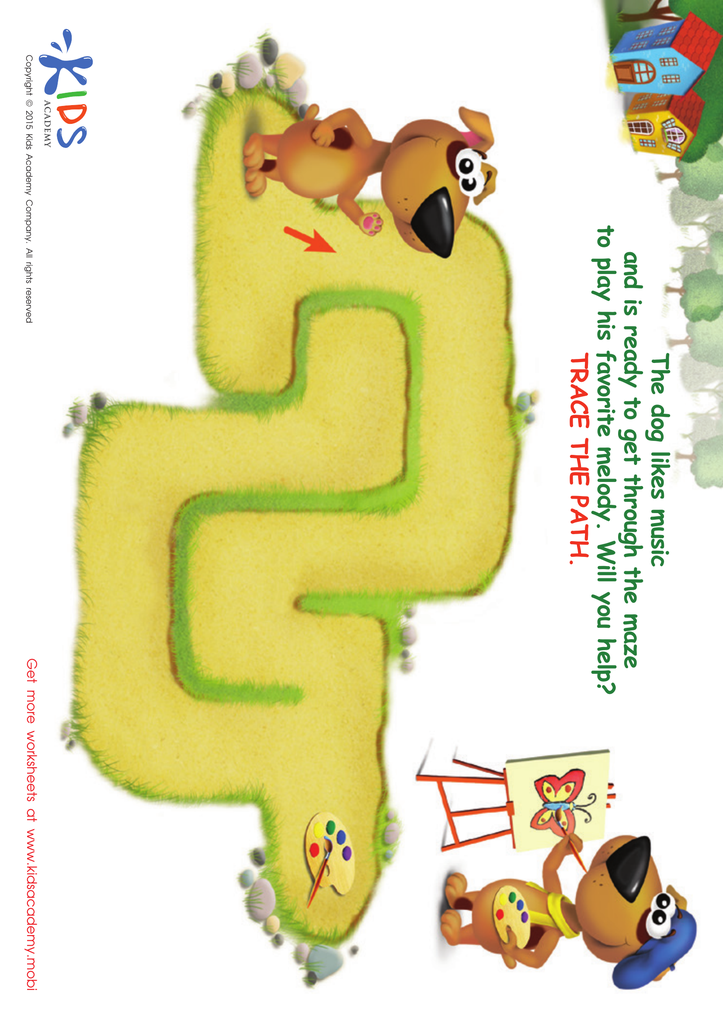
Artist Maze Worksheet
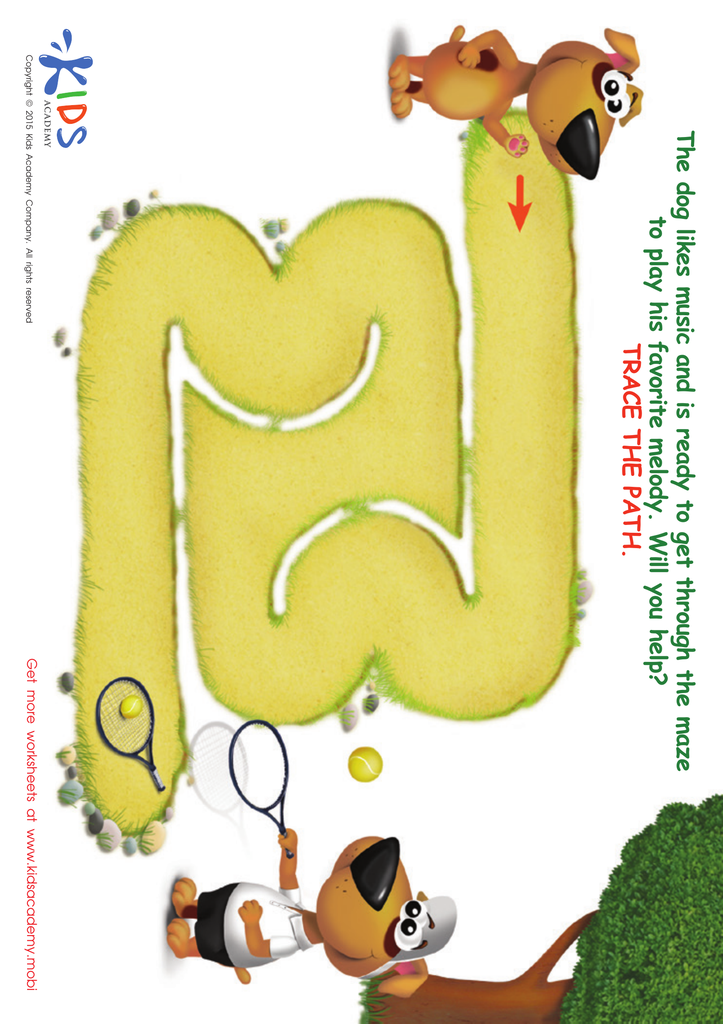
Tennis Player Maze Worksheet








Fine motor skills and early math concepts are vital for children ages 4-8, and their development significantly impacts future learning. Fine motor skills, which involve the coordinated movements of small muscles in the hands and fingers, underlie many everyday activities such as writing, drawing, and self-care tasks. Children who develop these skills early have an advantage in school readiness, allowing them to engage in activities that encourage creativity and critical thinking.
In parallel, early math skills are not just about counting; they encompass a range of foundational concepts such as spatial awareness, pattern recognition, and problem-solving. These abilities provide the groundwork for later mathematical understanding and success. When parents and teachers prioritize fine motor development alongside early math education, they foster an environment that promotes holistic growth and academic readiness.
Moreover, investing in these skills aids in building confidence. Children who grasp these concepts feel more empowered in their learning journeys. This foundation not only supports academic achievement but also enhances social interaction and emotional development, as children collaborate on tasks that require both fine motor skills and early math reasoning. Overall, investing time and effort into cultivating fine motor skills and early math forms essential building blocks for lifelong learning.