
Addition Practice Addition Facts Worksheets for Ages 4-8
6 filtered results
Difficulty Level
Grade
Age
-
From - To
Subject
Activity
Standards
Welcome to our Addition Practice Worksheets, specially designed for children aged 4 to 8! These engaging resources help young learners master addition facts in a fun and interactive way. Our worksheets cater to various skill levels, ensuring that every child can build a strong foundation in mathematics. With colorful illustrations and playful activities, students will enjoy honing their addition skills through exercises that boost confidence and retention. From simple sums to more challenging problems, our worksheets promote learning through practice. Explore our collection and make addition practice a delightful experience for your child today!
Favorites
With answer key
Interactive
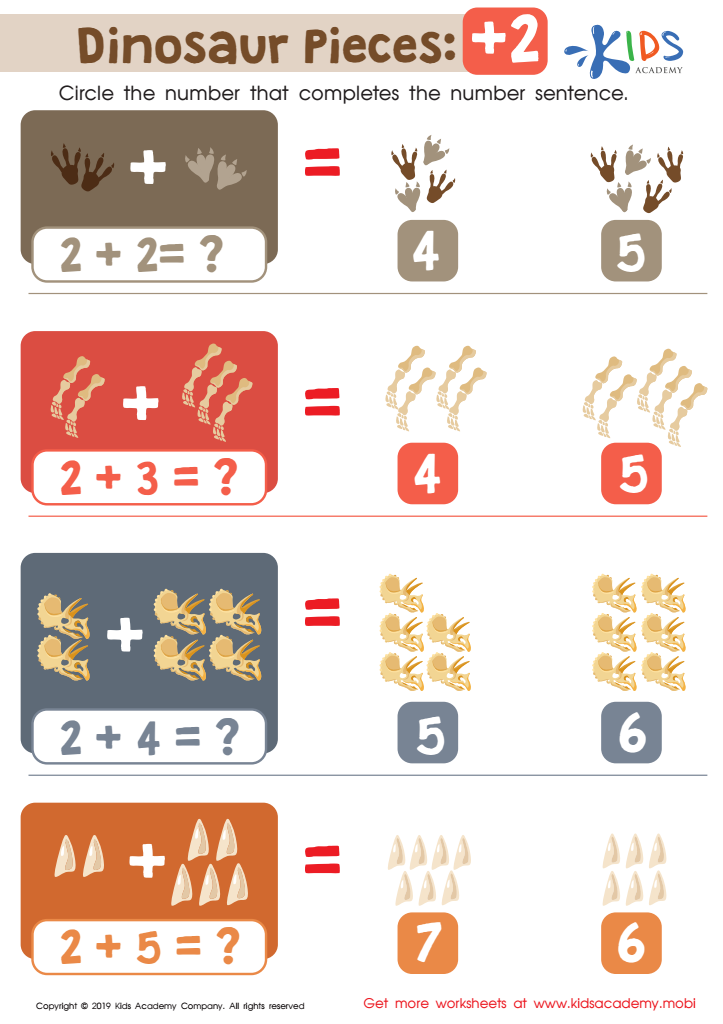
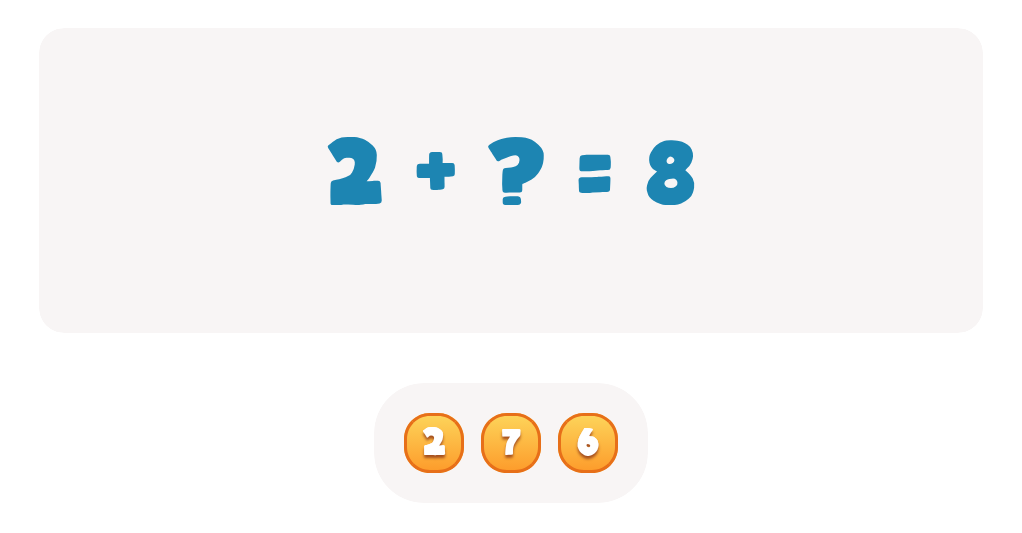
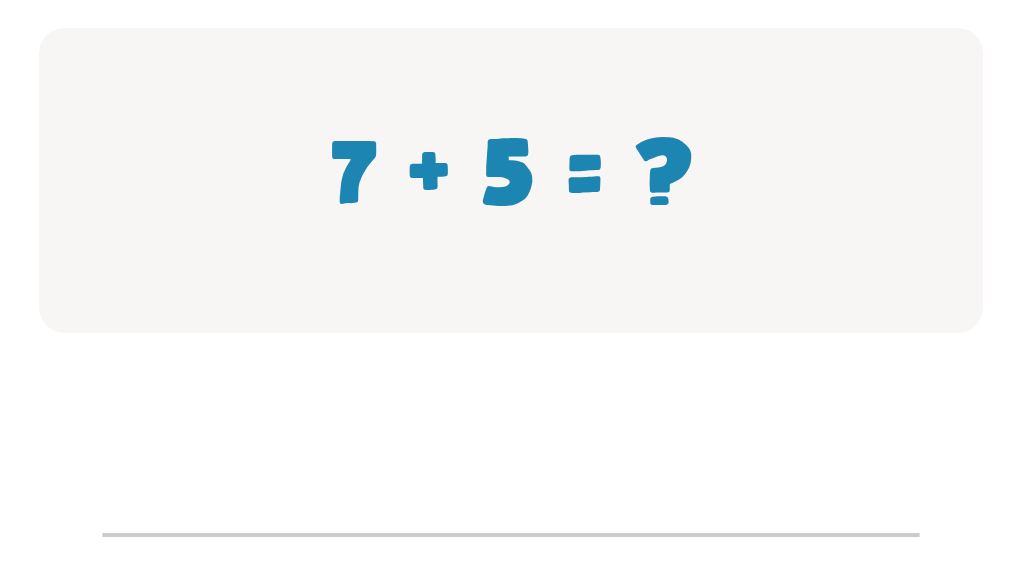
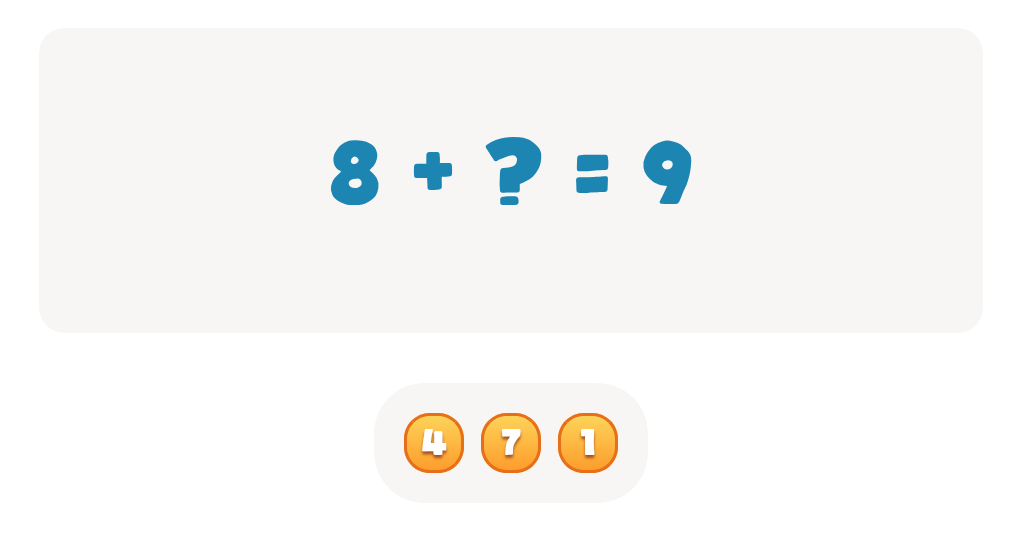
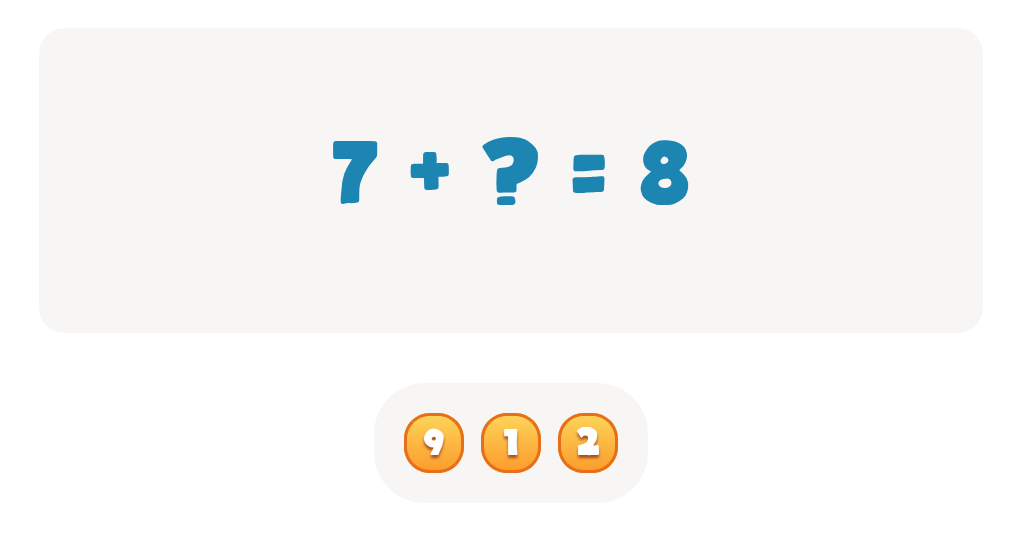
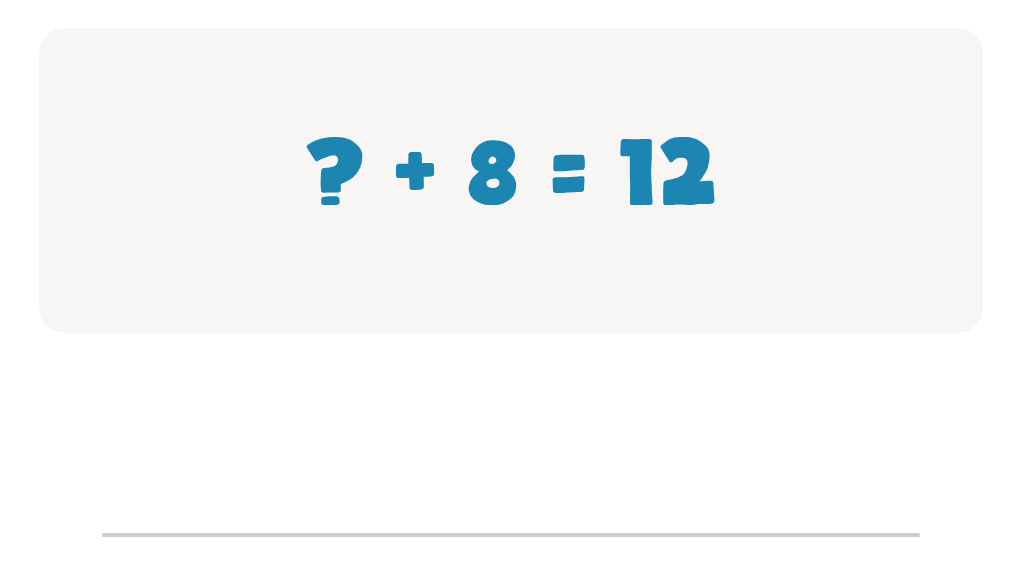
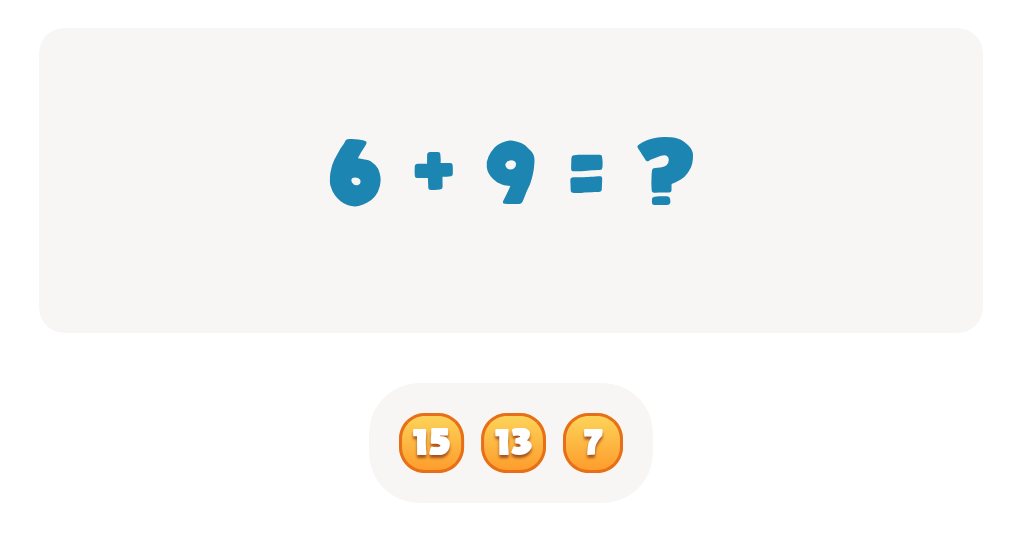
Dinosaur Pieces: +2 Worksheet
Kids love dinosaurs! See if your kids can solve these three equations featuring the mysterious creatures. Download the PDF and have them circle the number that completes each equation. Dinosaurs are extinct, not seen for thousands of years, but they can still help kids work on their math skills!
 Assign to My Students
Dinosaur Pieces: +2 Worksheet
Worksheet


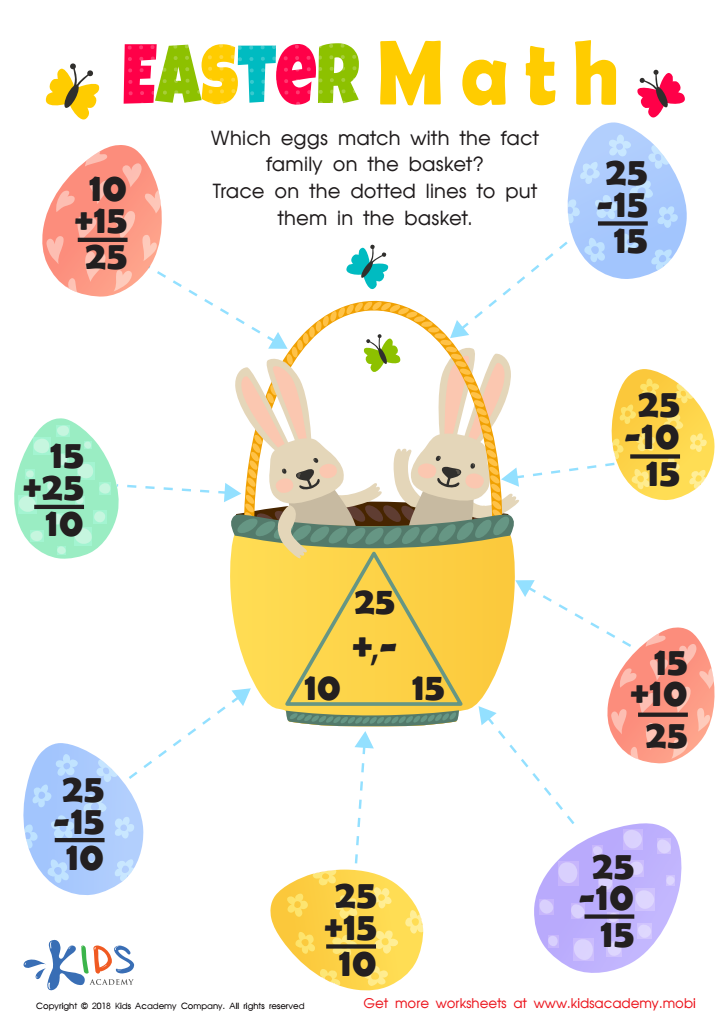
Fact Families: Easter Math Worksheet
Kids will love this vibrant PDF packed with Easter math fun! Match facts with the colorful eggs, add and subtract multiples of five to boost automaticity, and have a blast with the bunny friends!
Fact Families: Easter Math Worksheet
Worksheet
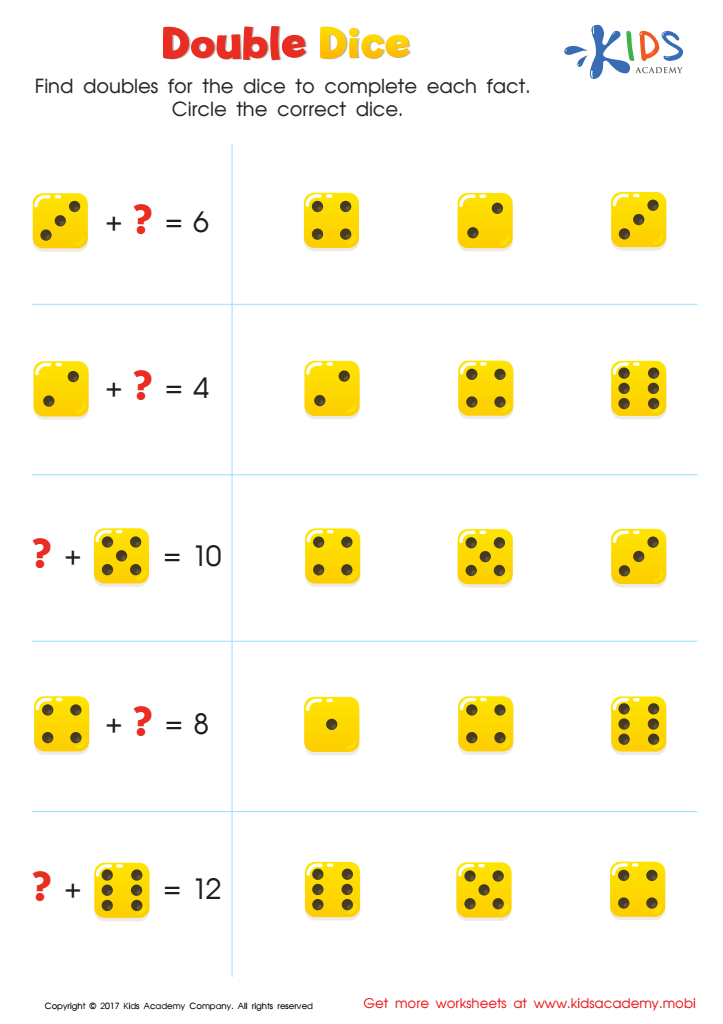
Addition Facts: Double Dice Worksheet
Are you looking for ways to make maths more engaging for kids? Maths can be a bore, but by teaching kids from an early age that it can be fun, they won't struggle with it. This worksheet is a great way to start: your child needs to identify the number on the left dice and find its double on the right. The sum of the two dice is also given.
Addition Facts: Double Dice Worksheet
Worksheet
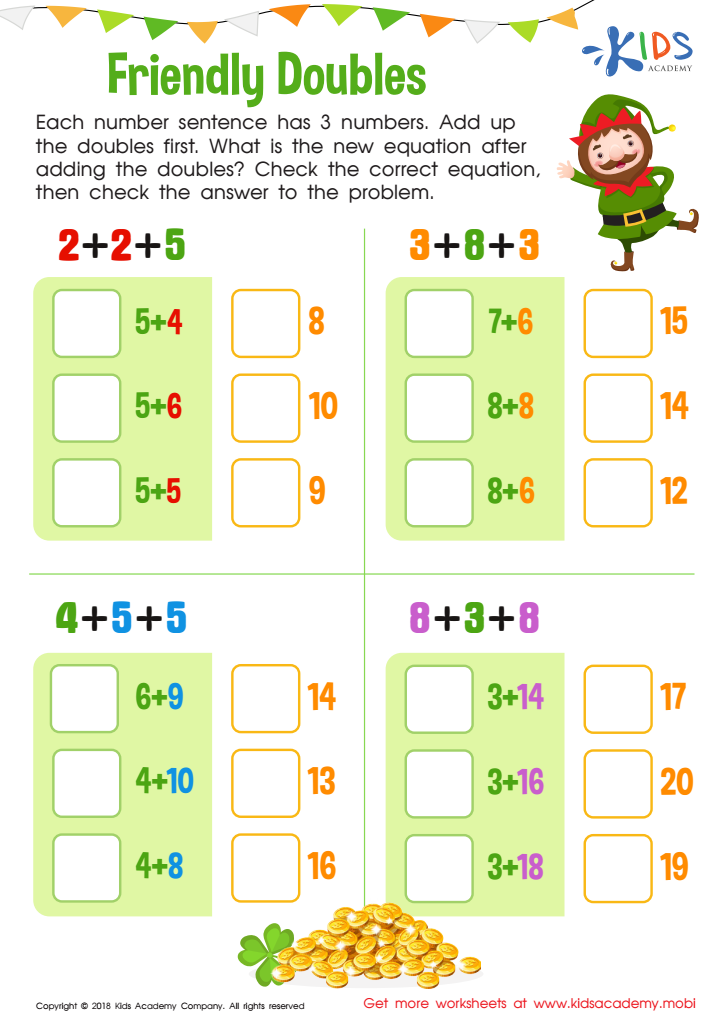
Friendly Doubles Worksheet
Kids will love this animated worksheet with bright colors! It helps them learn how to use doubles facts to answer three addend addition problems. It boosts their math skills, making computation easier, faster and more efficient. It also assists with adding and subtracting larger numbers. Let the power of doubles get them started!
Friendly Doubles Worksheet
Worksheet
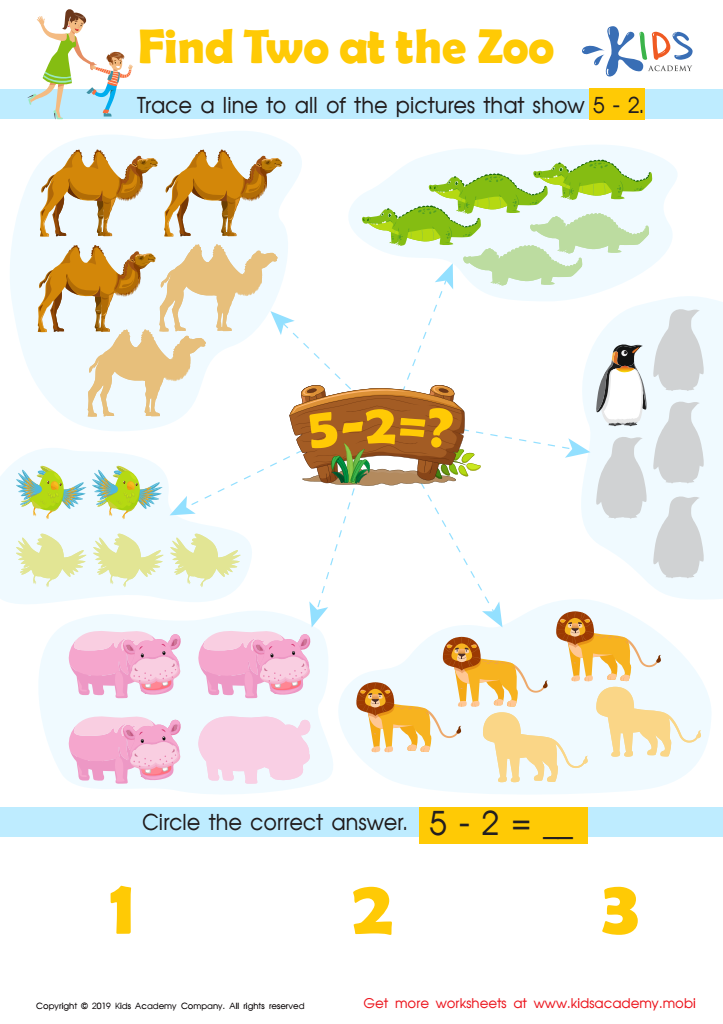
Find Two at the Zoo Worksheet
Help your kids overcome math fears and practice subtracting numbers with this traceable PDF. Ask them to identify the 6 groups of animals in the picture and count the animals in each group. Then, help them trace a line to all of the pictures that illustrate the equation 5-2.
Find Two at the Zoo Worksheet
Worksheet
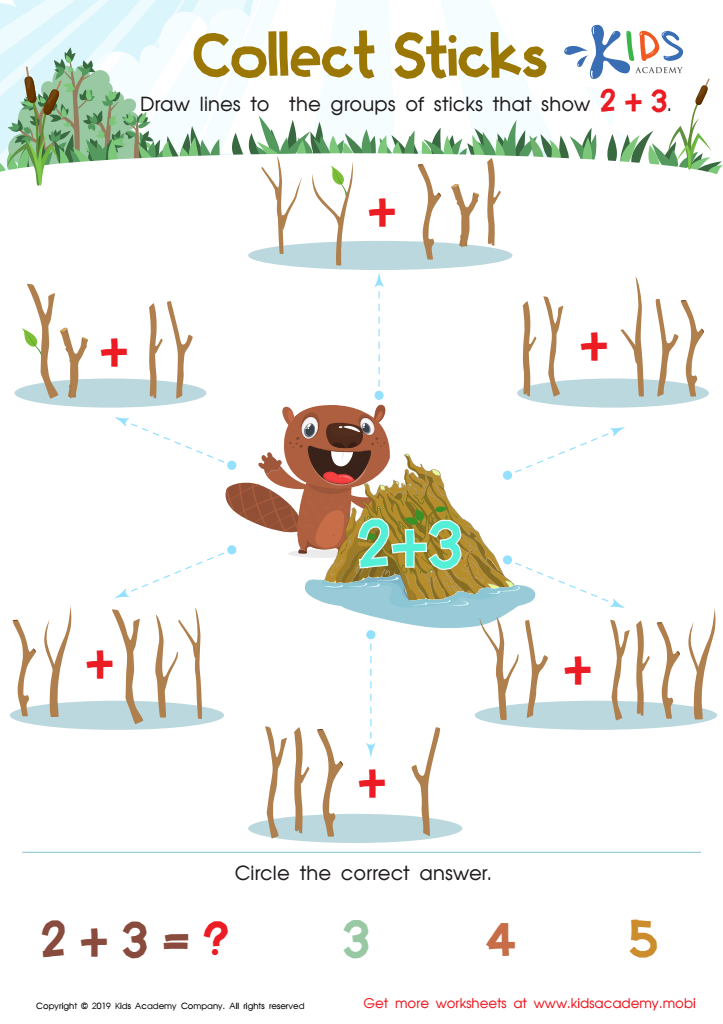
Collect Sticks Worksheet
Let math be fun for your kids with a simple and colorful worksheet exercise. Addition and subtraction can be daunting, but you can make it enjoyable with exercises like this one. Get them to draw lines to the groups of sticks that show 2+3 and watch them light up.
Collect Sticks Worksheet
Worksheet
Join Kids Academy for Free
Who is primarily going to use this learning content?








Addition practice for children ages 4 to 8 is crucial for their cognitive and academic development. At this stage, children are developing foundational math skills that set the groundwork for future learning. Mastering addition facts helps children not only perform basic calculations with confidence but also fosters critical thinking and problem-solving skills.
Understanding addition enhances their ability to recognize patterns and relationships between numbers, promoting a deeper comprehension of mathematics. As children practice, they become more proficient and efficient in their calculations, which reduces anxiety and builds confidence in math-related tasks.
Moreover, early mastery of addition facts enables students to tackle more advanced concepts later, such as subtraction, multiplication, and division, making it an essential stepping stone in their educational journey. Regular addition practice can also strengthen fine motor skills, as children often engage in activities like counting objects, using manipulatives, or writing numbers.
Furthermore, involving parents in the practice reinforces their child's learning at home, creating a nurturing learning environment. Ultimately, prioritizing addition practice not only enhances children's mathematical abilities but also instills a lifelong love for learning, making it a pivotal focus for both teachers and parents.








