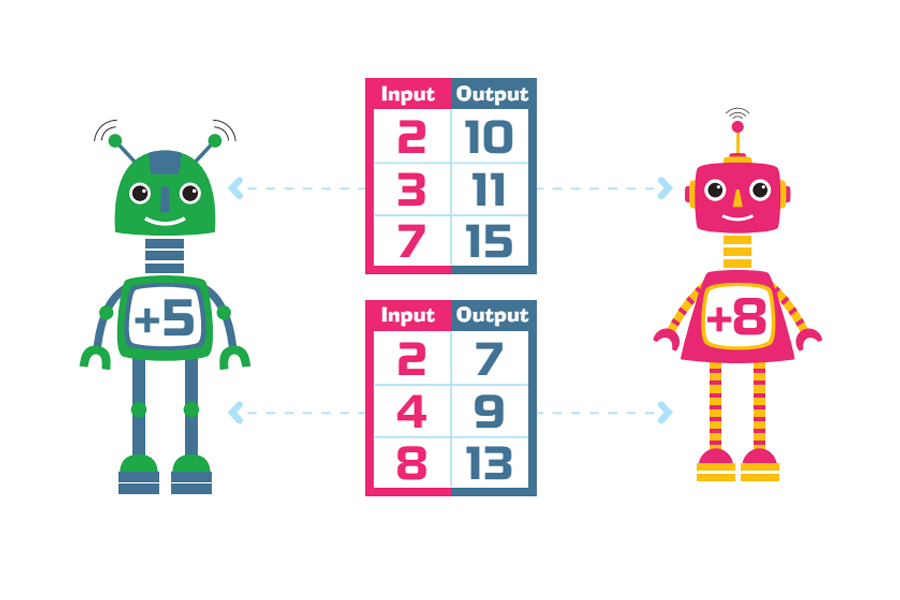
Check out this FREE Trial Lesson on Addition & Subtraction for age 4-8!

Short and Long Vowel Sort

Favorites
With answer key
Interactive
  • 4-8
  • Comparing Fractions
  • Addition & Subtraction
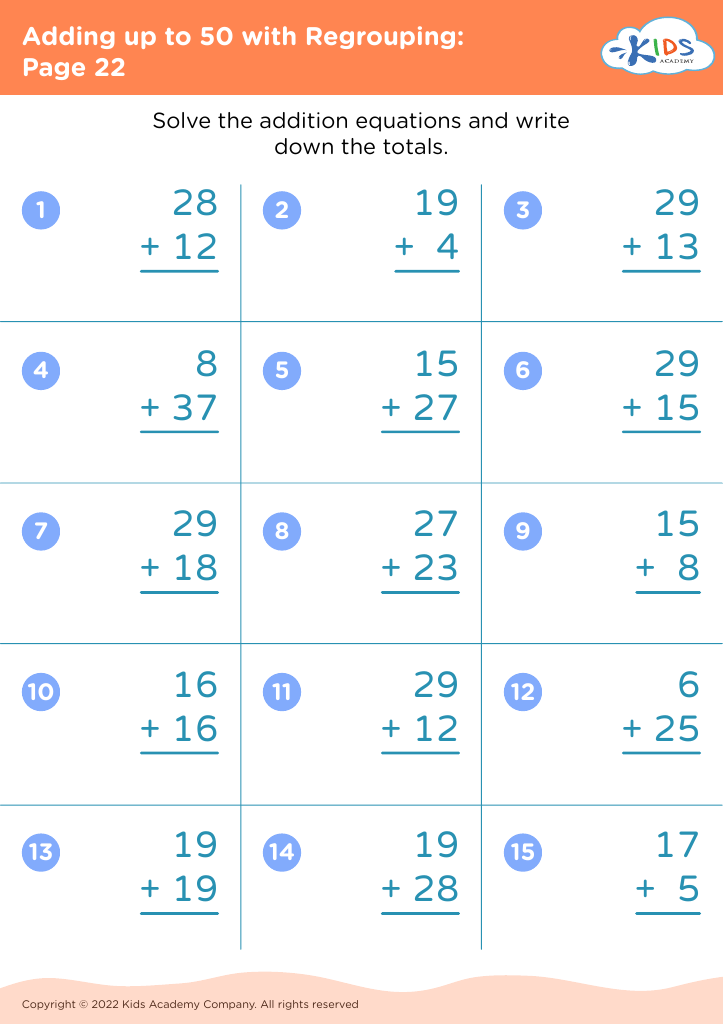
Adding up to 50 with Regrouping: Page 22
Worksheet
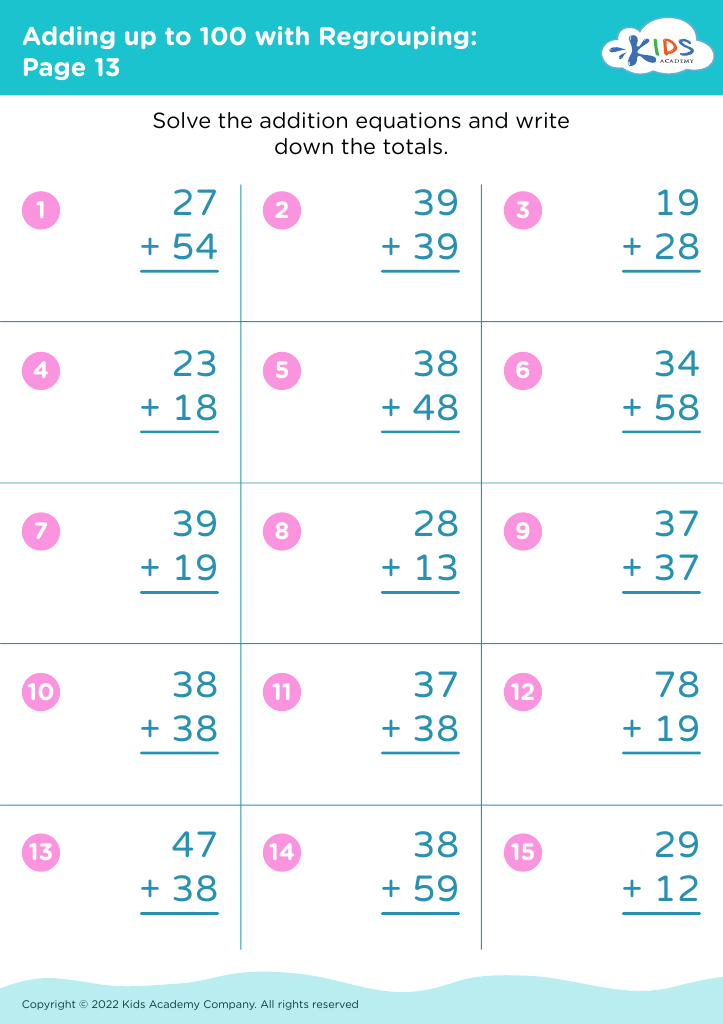
Adding up to 100 with Regrouping: Page 13
Worksheet
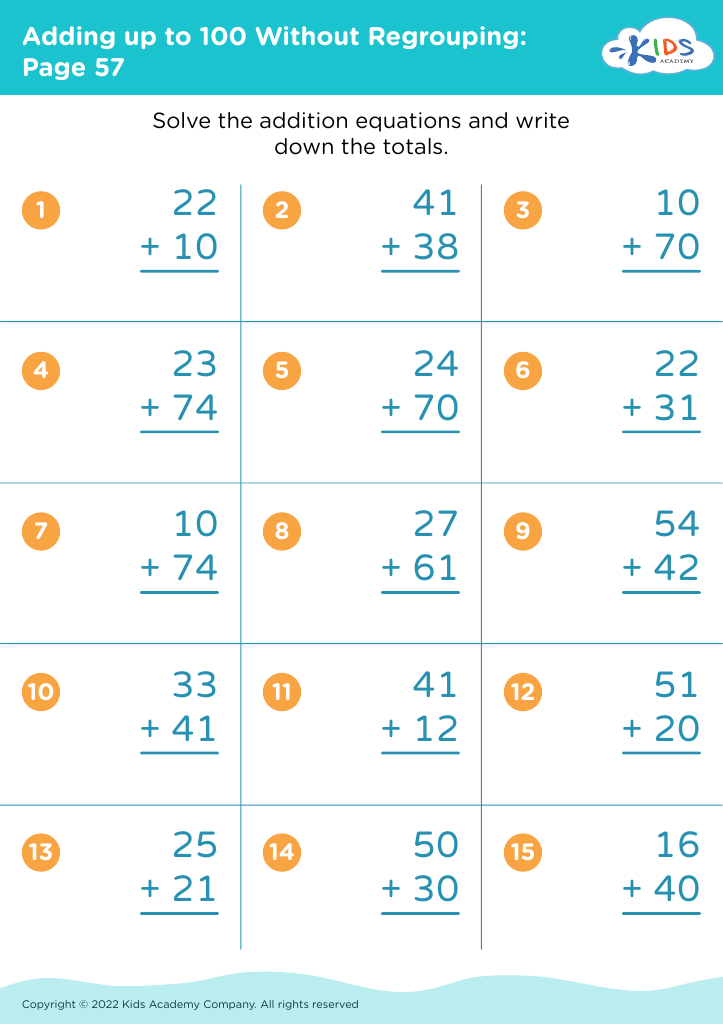
Adding up to 100 Without Regrouping: Page 57
Worksheet
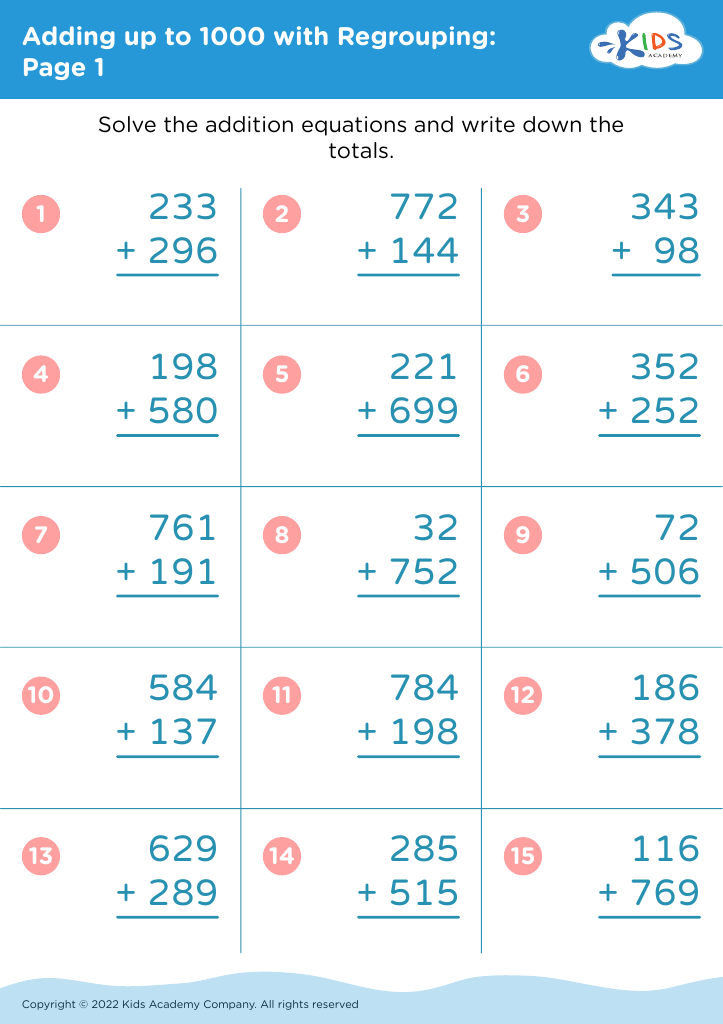
Adding up to 1000 with Regrouping: Page 1
Worksheet
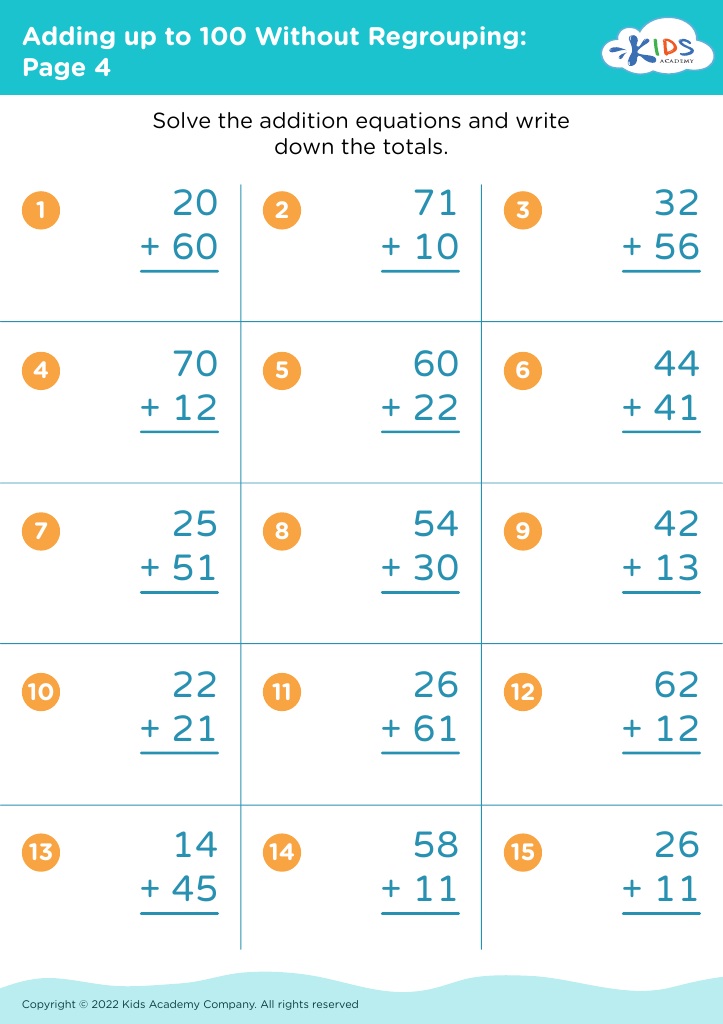
Adding up to 100 Without Regrouping: Page 4
Worksheet
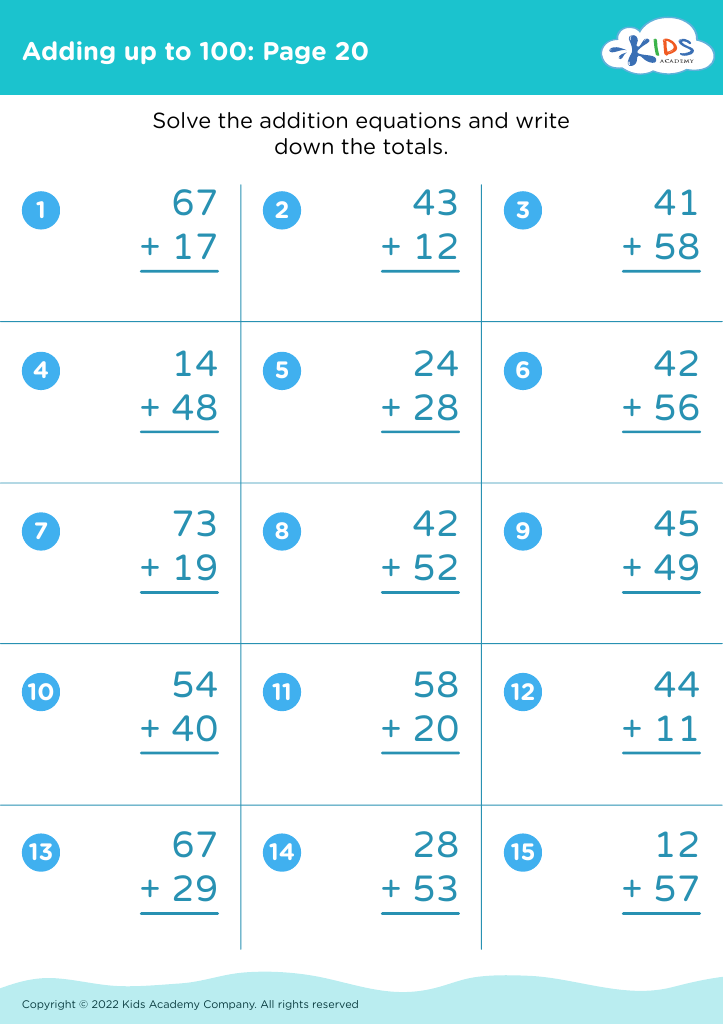
Adding up to 100: Page 20

Adding up to 100: Page 20

Adding up to 100: Page 20
Worksheet
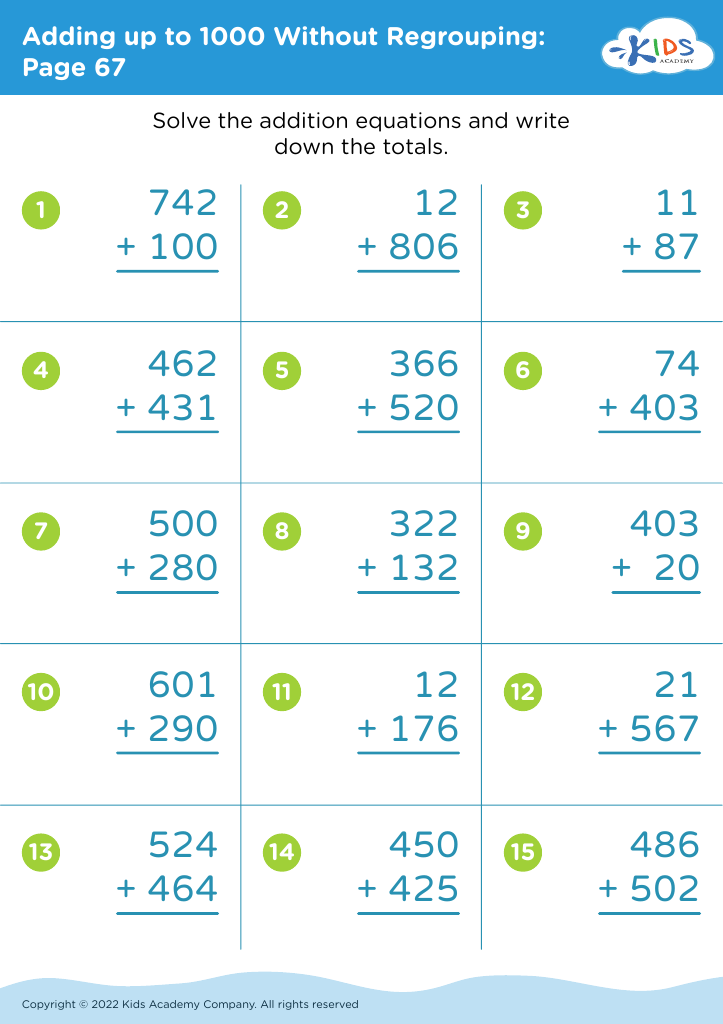
Adding up to 1000 Without Regrouping: Page 67
Worksheet
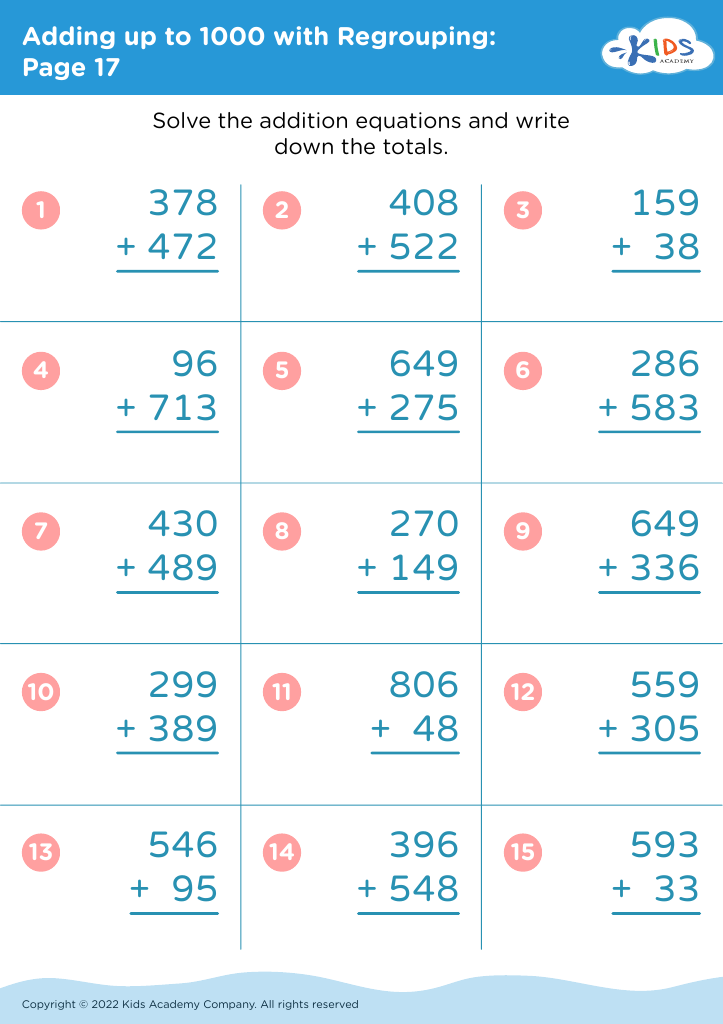
Adding up to 1000 with Regrouping: Page 17
Worksheet
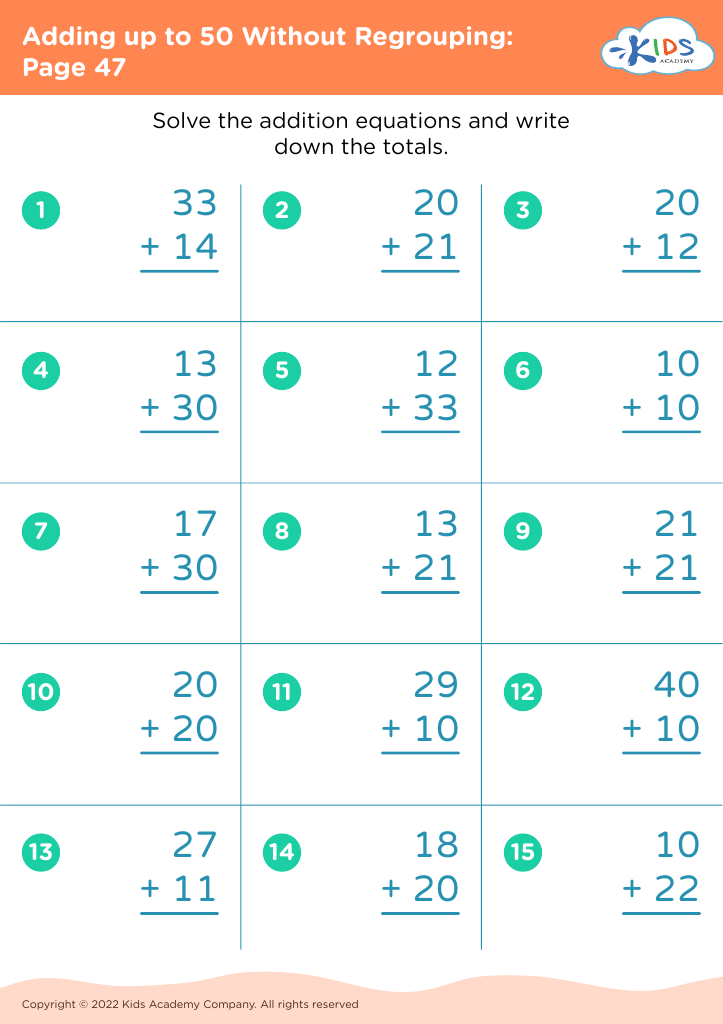
Adding up to 50 Without Regrouping: Page 47
Worksheet
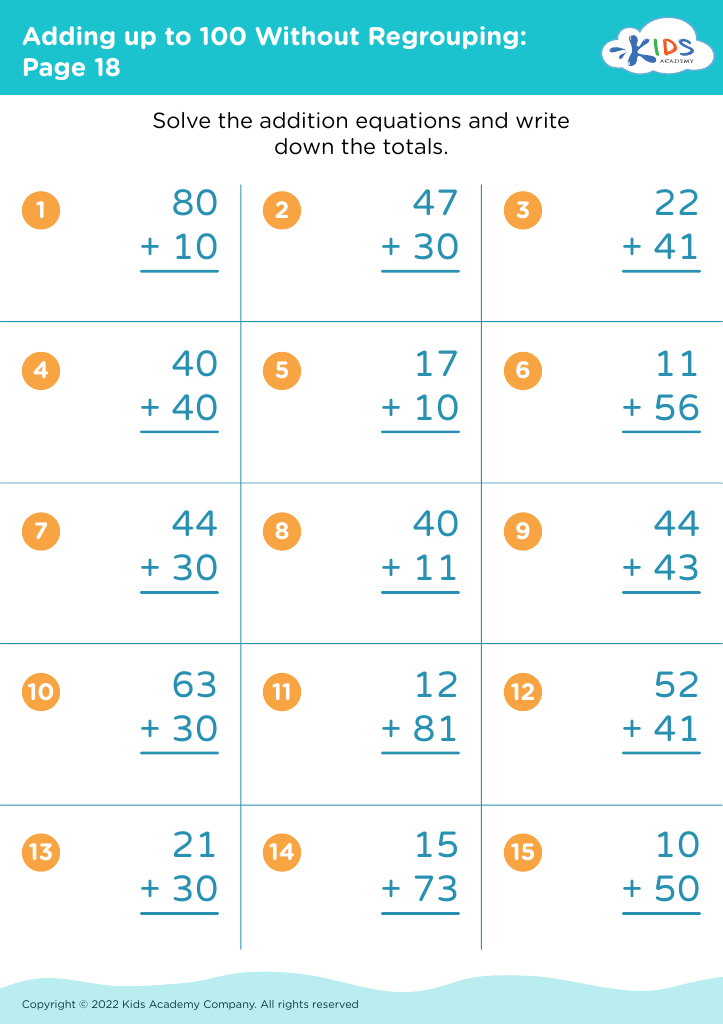
Adding up to 100 Without Regrouping: Page 18
Worksheet
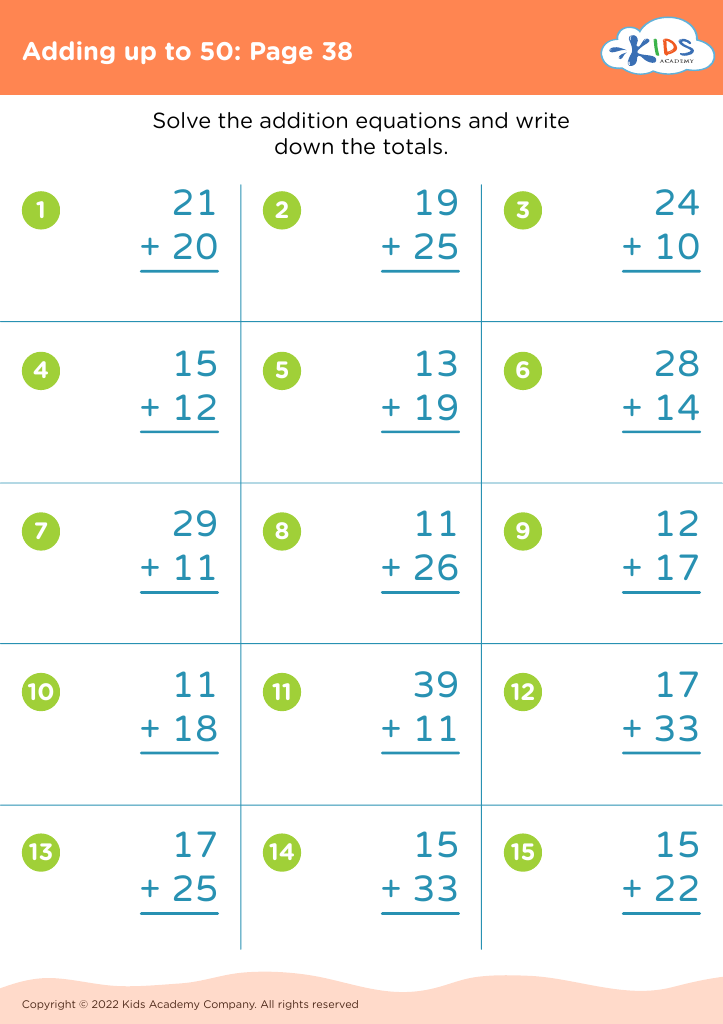
Adding up to 50: Page 38

Adding up to 50: Page 38

Adding up to 50: Page 38
Worksheet
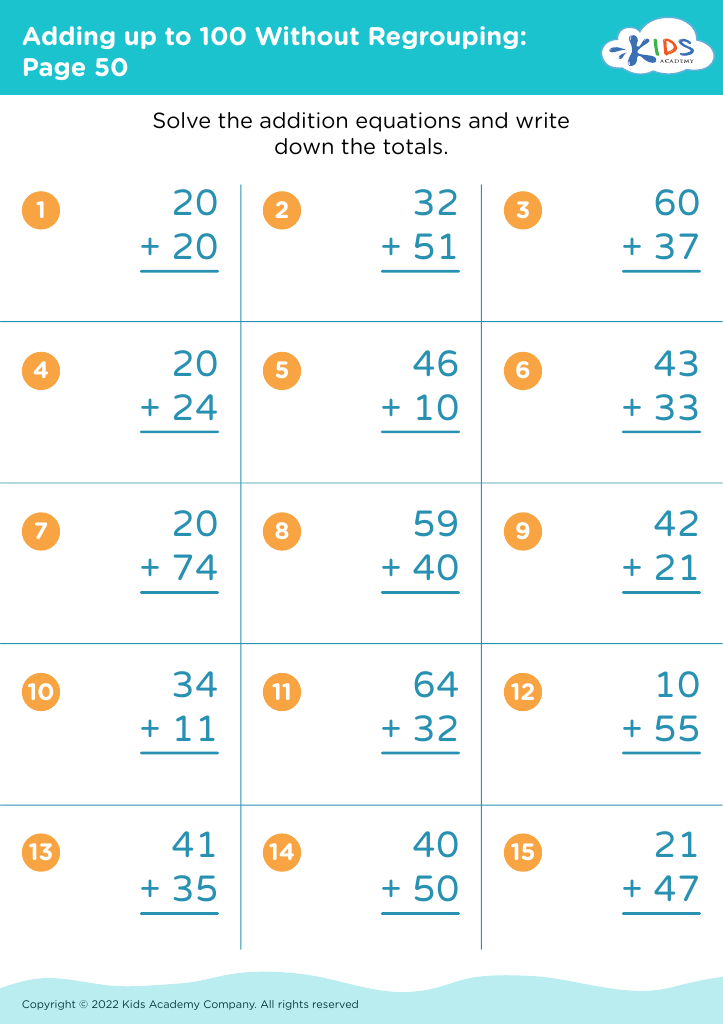
Adding up to 100 Without Regrouping: Page 50
Worksheet
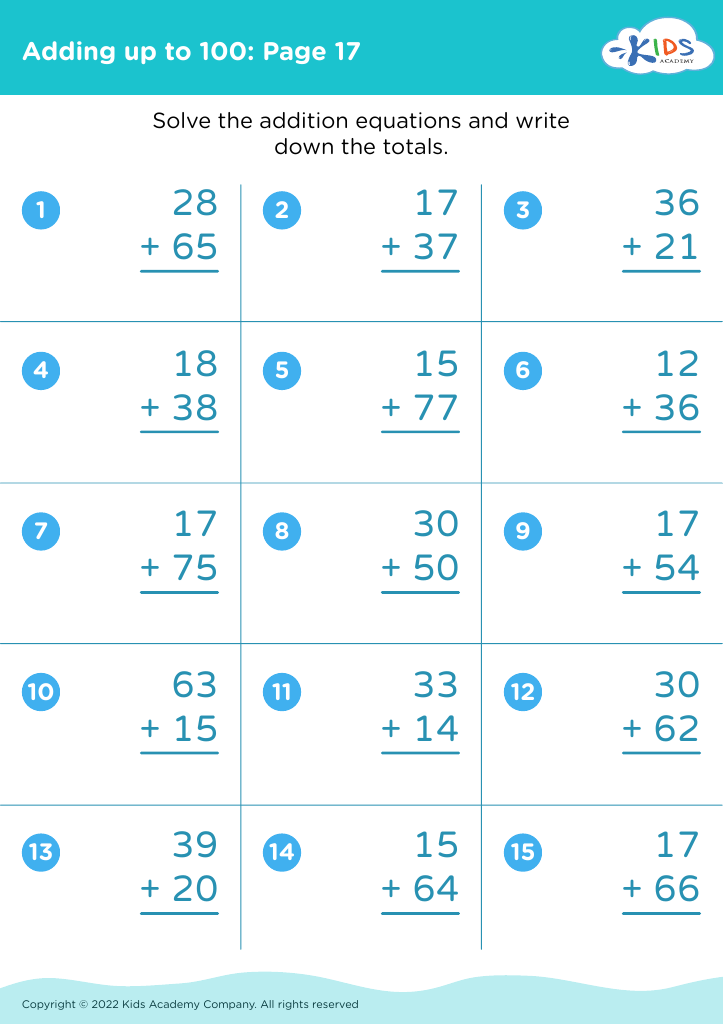
Adding up to 100: Page 17

Adding up to 100: Page 17

Adding up to 100: Page 17
Worksheet
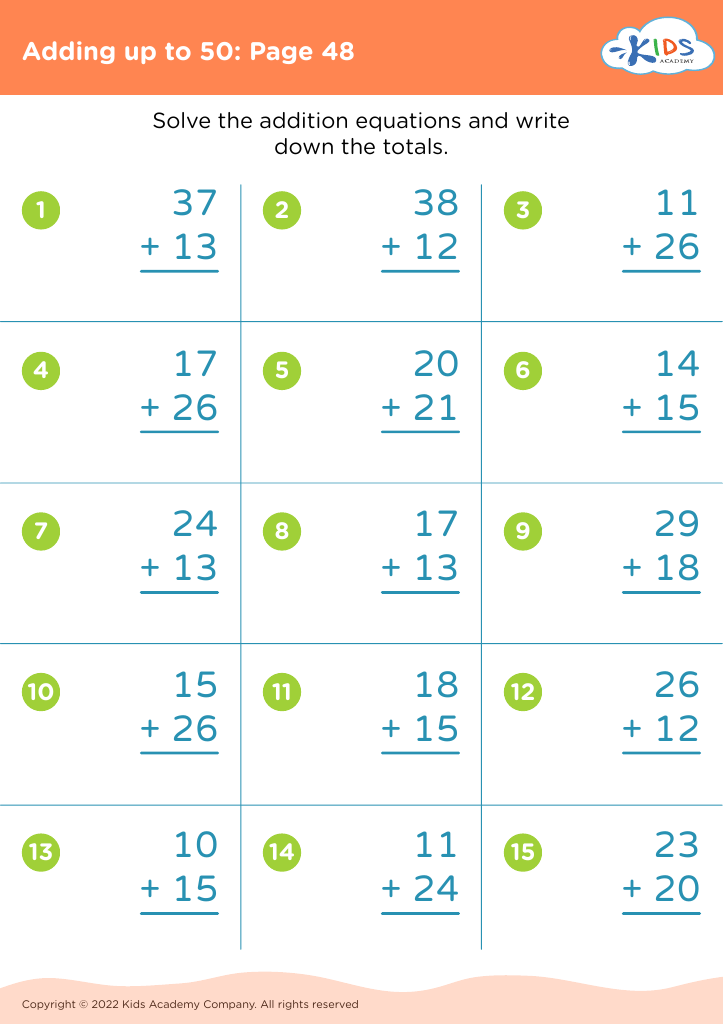
Adding up to 50: Page 48

Adding up to 50: Page 48

Adding up to 50: Page 48
Worksheet
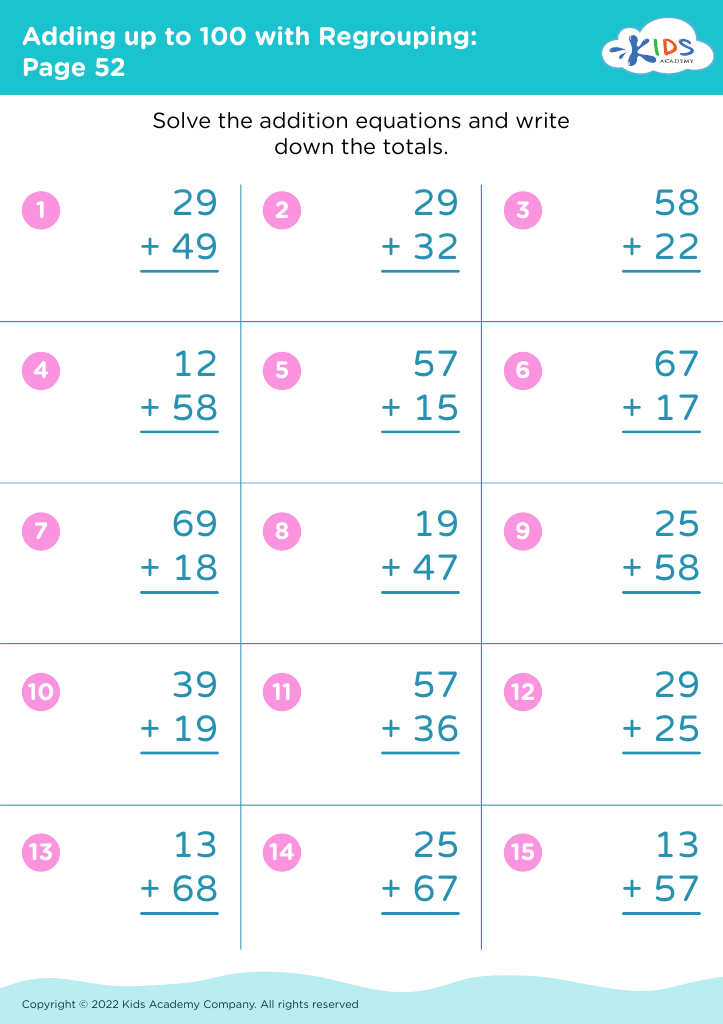
Adding up to 100 with Regrouping: Page 52
Worksheet
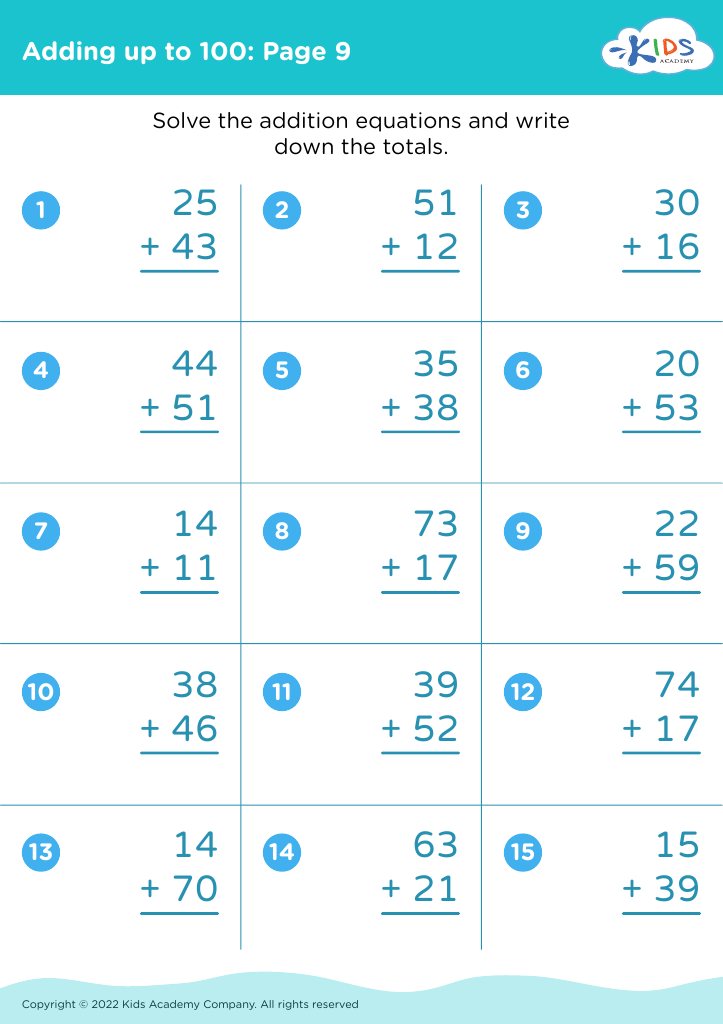
Adding up to 100: Page 9

Adding up to 100: Page 9

Adding up to 100: Page 9
Worksheet
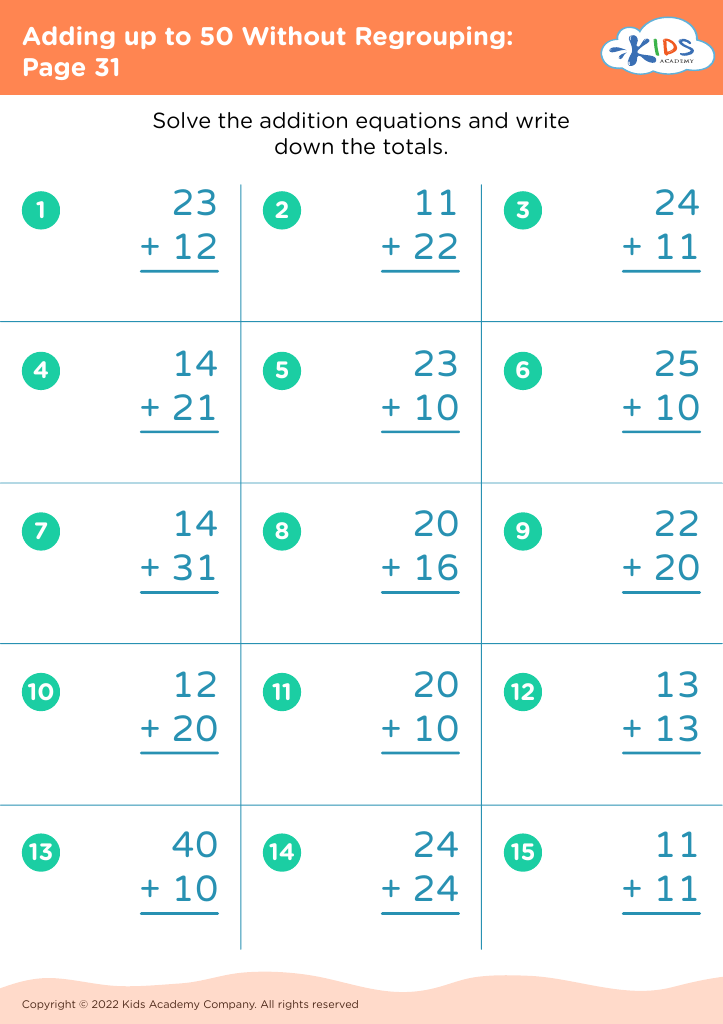
Adding up to 50 Without Regrouping: Page 31
Worksheet
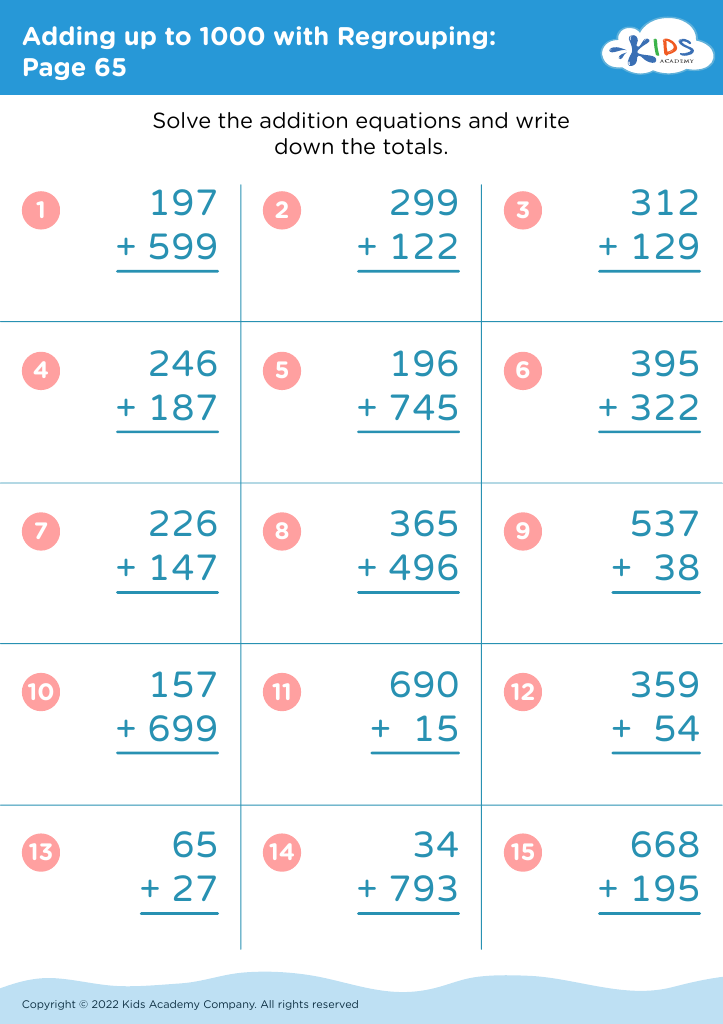
Adding up to 1000 with Regrouping: Page 65
Worksheet
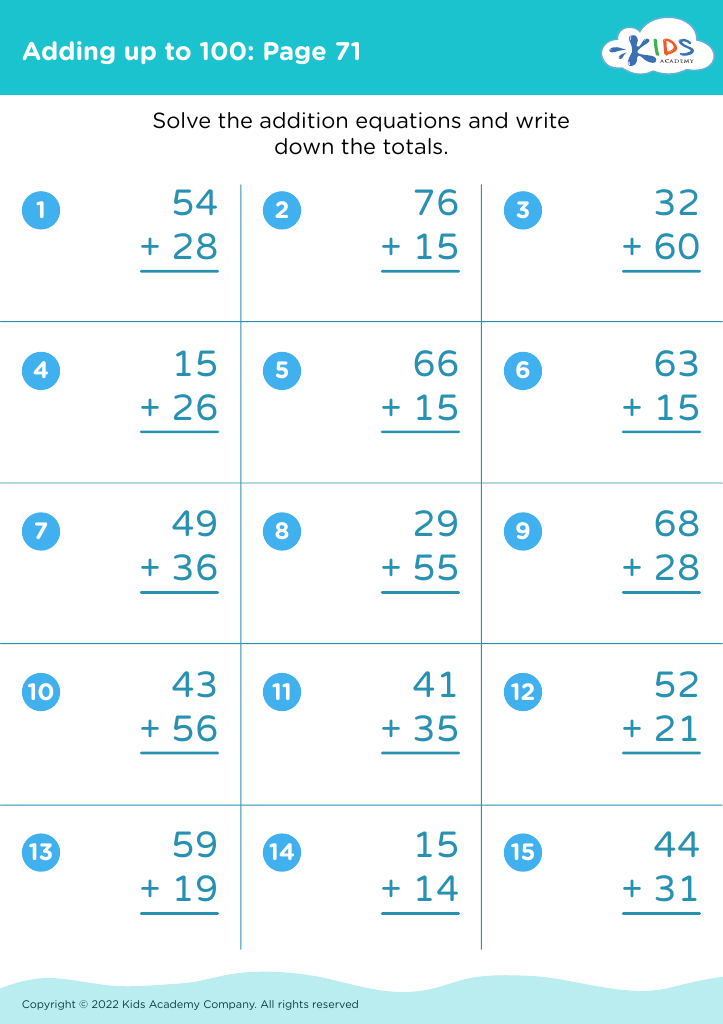
Adding up to 100: Page 71

Adding up to 100: Page 71

Adding up to 100: Page 71
Worksheet
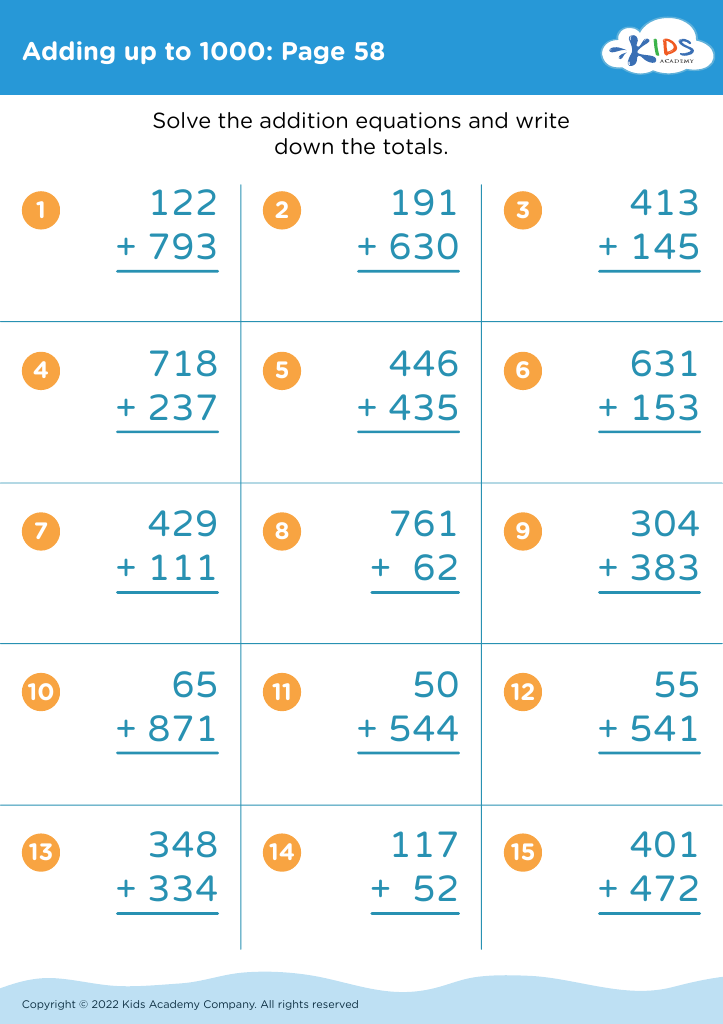
Adding up to 1000: Page 58

Adding up to 1000: Page 58

Adding up to 1000: Page 58
Worksheet
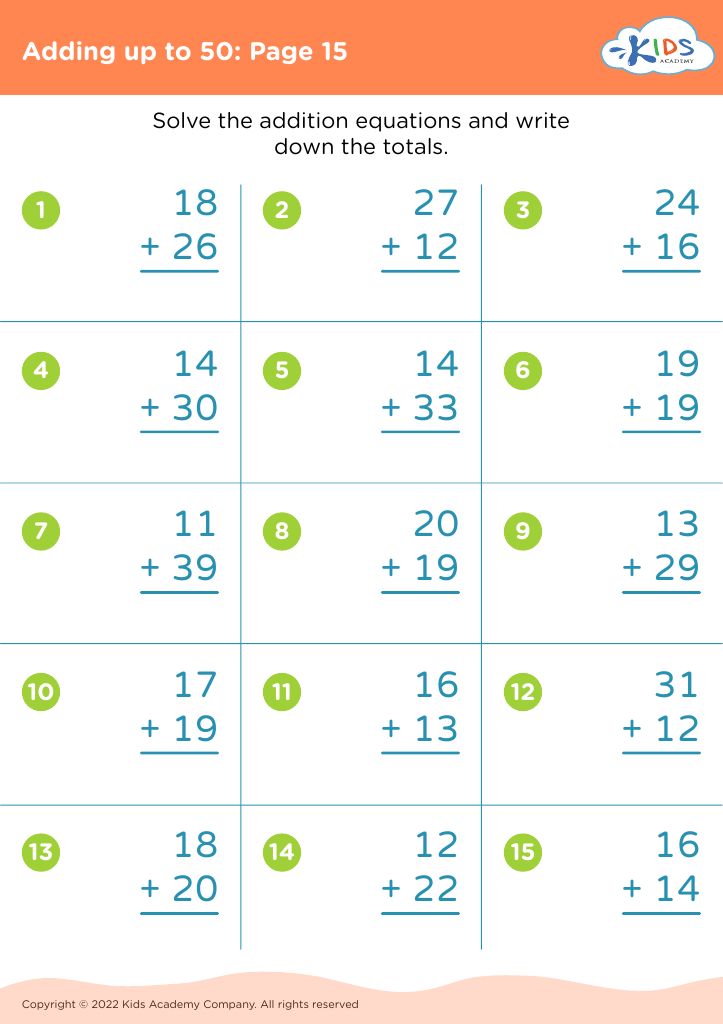
Adding up to 50: Page 15

Adding up to 50: Page 15

Adding up to 50: Page 15
Worksheet
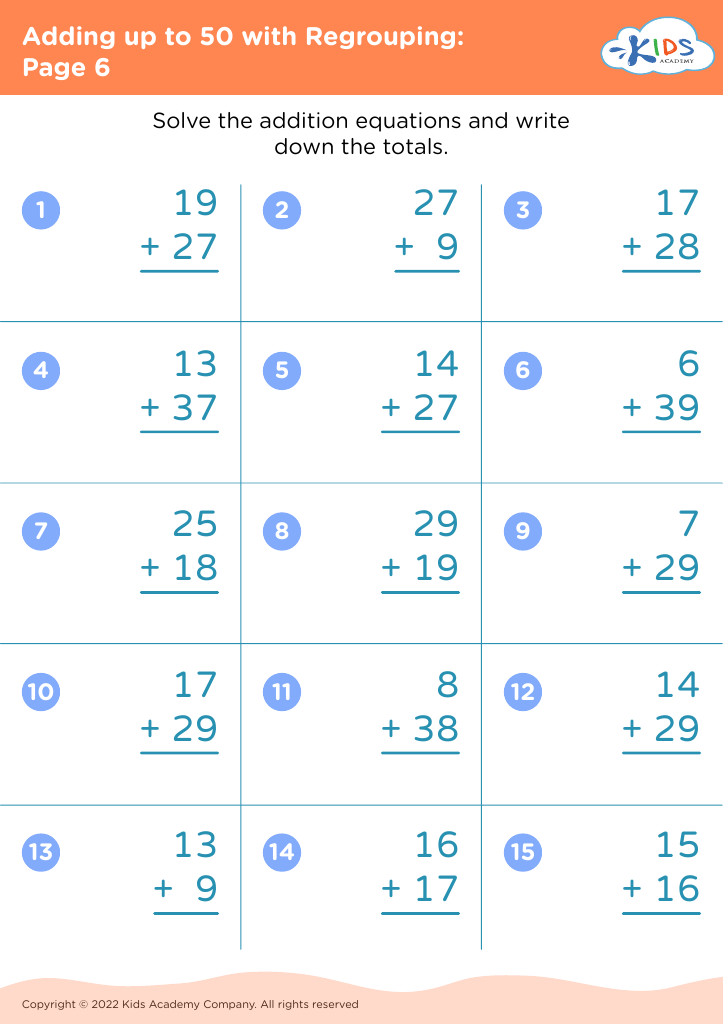
Adding up to 50 with Regrouping: Page 6
Worksheet
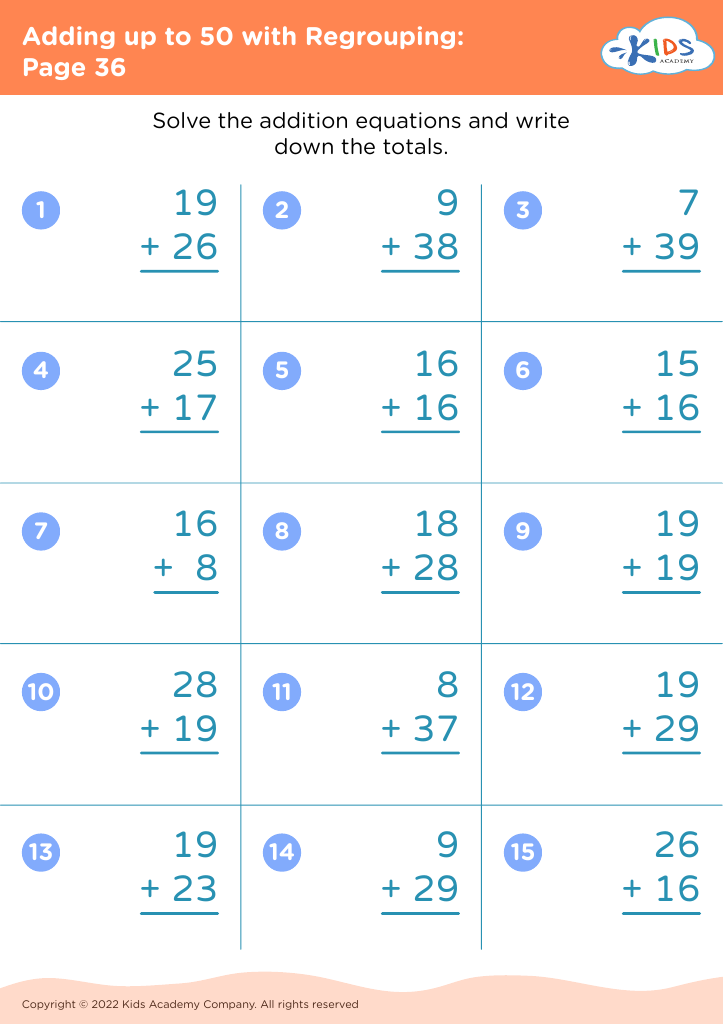
Adding up to 50 with Regrouping: Page 36
Worksheet
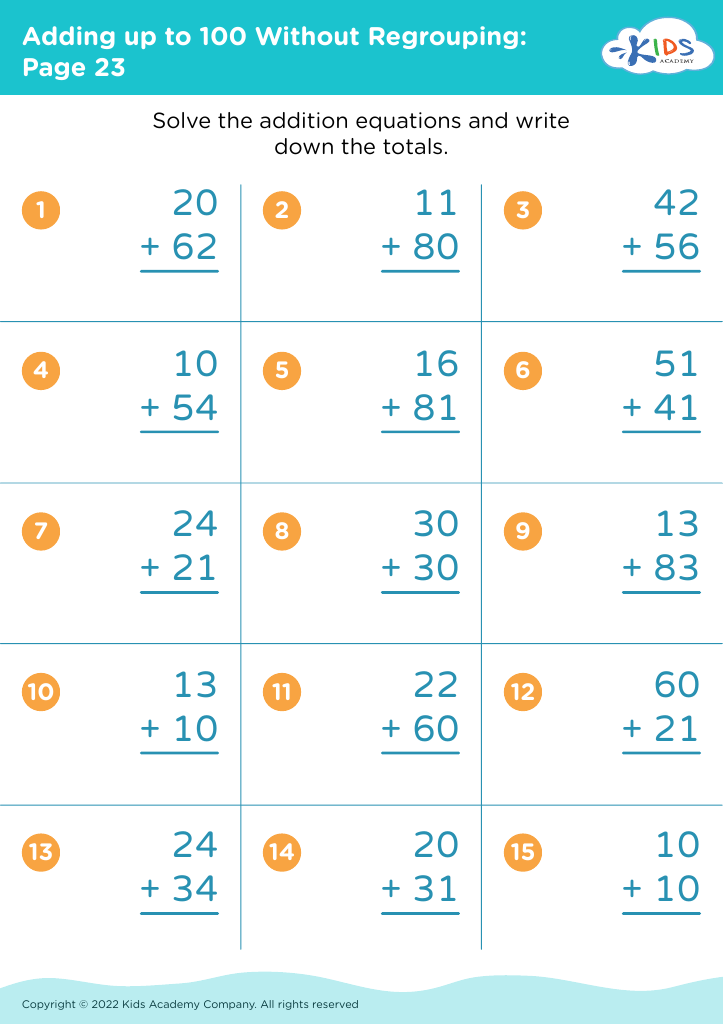
Adding up to 100 Without Regrouping: Page 23
Worksheet


Understanding how to compare and manipulate fractions is essential for young learners, as it lays a foundation for more advanced mathematical concepts. For children aged 4-8, comparing fractions through addition and subtraction supports critical thinking skills and enhances their number sense. These skills are not merely academic; they're practical tools for real-life situations, such as dividing snacks or measuring ingredients during cooking.

Teachers and parents should care about this topic because it fosters a love for math by making it relatable and fun. Incorporating hands-on activities and visual aids can demystify fractions and transform the learning experience into one filled with exploration and curiosity. It's essential to promote discussions around fractions using everyday examples, helping children grasp the concept of parts of a whole in a tangible way.

Moreover, mastering fractions builds confidence. When kids understand how to compare and manipulate fractions successfully, they gain a sense of accomplishment, reinforcing their mathematical abilities. This early foundational knowledge translates into higher achievement in later mathematical topics, making it crucial for educators and parents to engage with these concepts meaningfully during the critical years of 4-8. In short, fostering a strong understanding of comparing and adding/subtracting fractions is vital for their mathematical futures.