Pattern recognition Addition & Subtraction Worksheets for Ages 4-8
9 filtered results
-
From - To
Discover the joy of learning with our engaging Pattern Recognition Addition & Subtraction Worksheets designed specifically for children ages 4-8! These interactive worksheets promote essential math skills by helping young learners identify and understand patterns in addition and subtraction problems. Fun visuals and relatable scenarios make math approachable and exciting, fostering confidence and enthusiasm. By incorporating pattern recognition into math practice, children enhance their problem-solving abilities while reinforcing their addition and subtraction concepts. Perfect for home or classroom use, these worksheets encourage independent learning and help little ones develop a solid foundation for future success in mathematics. Let the learning begin!
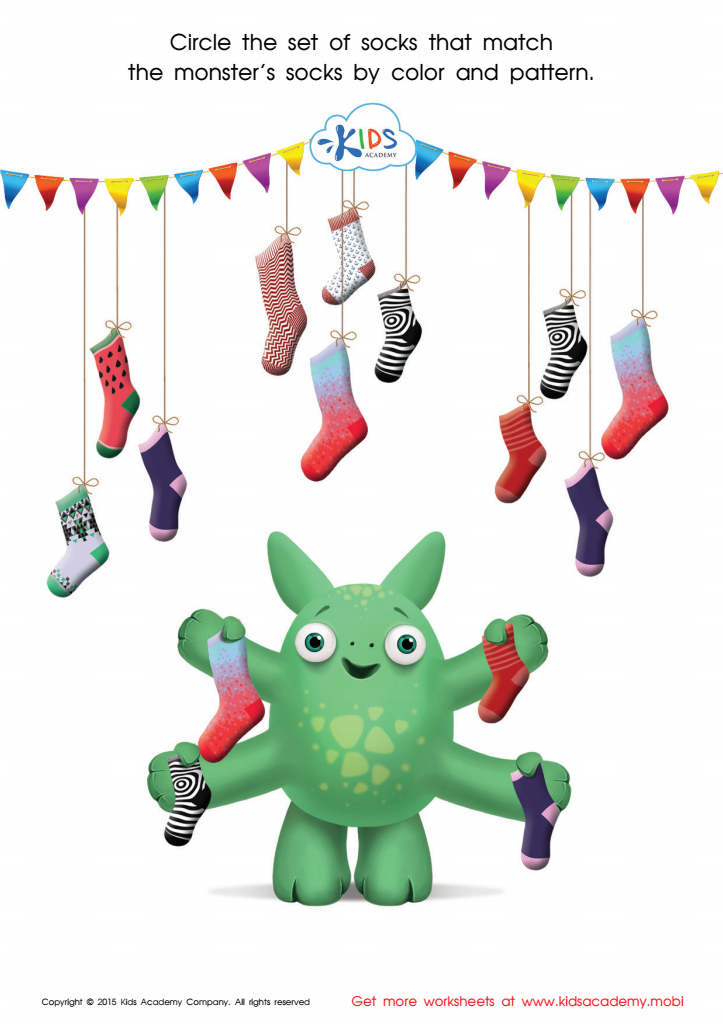
Sort the Monster's Socks Worksheet
 Assign to My Students
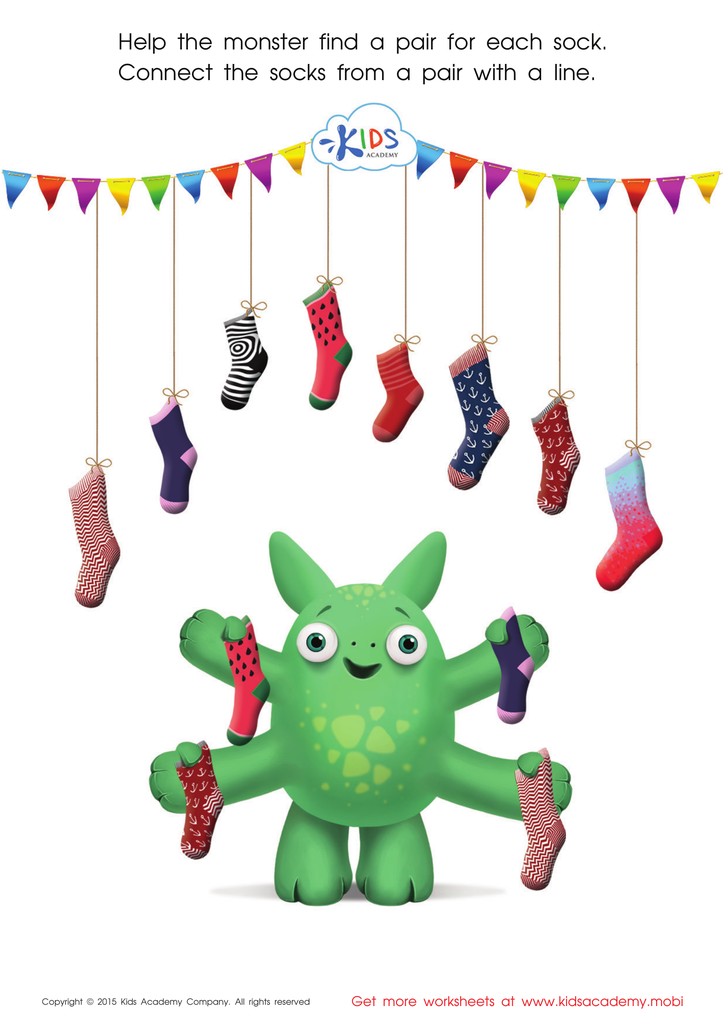
Math Matching Game: Monsterв's Socks Worksheet
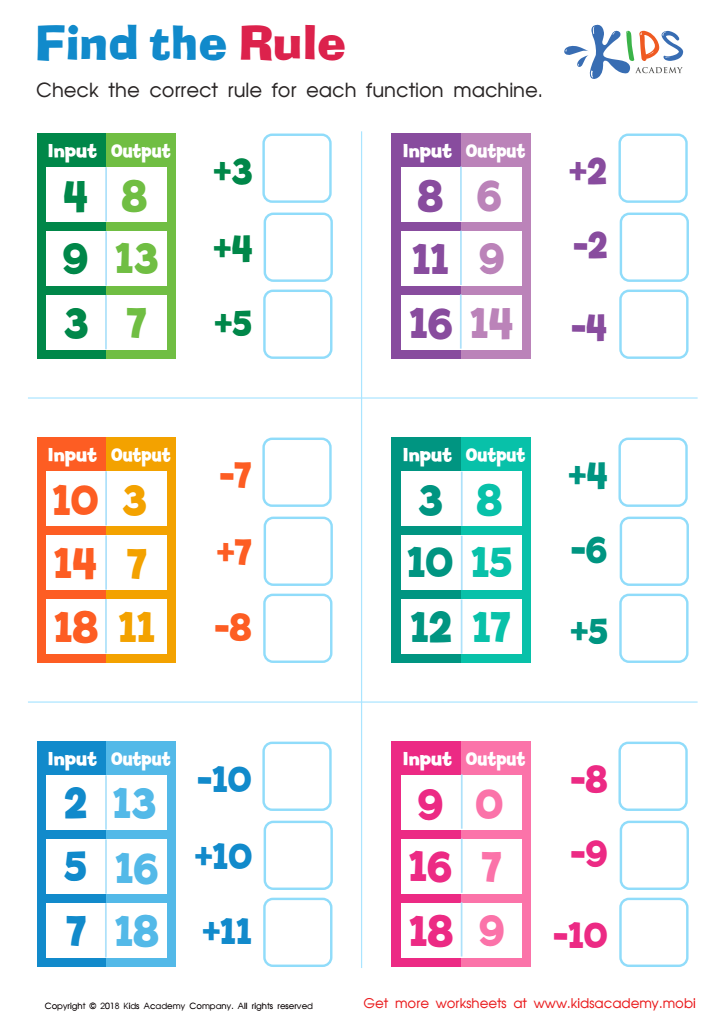
Find the Rule Worksheet
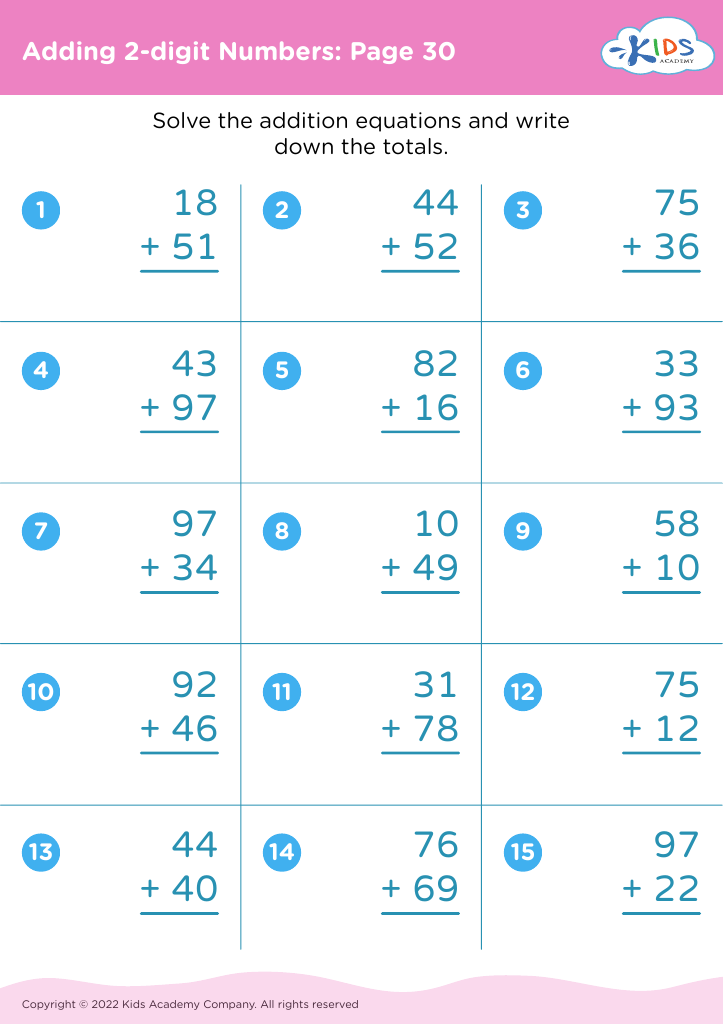
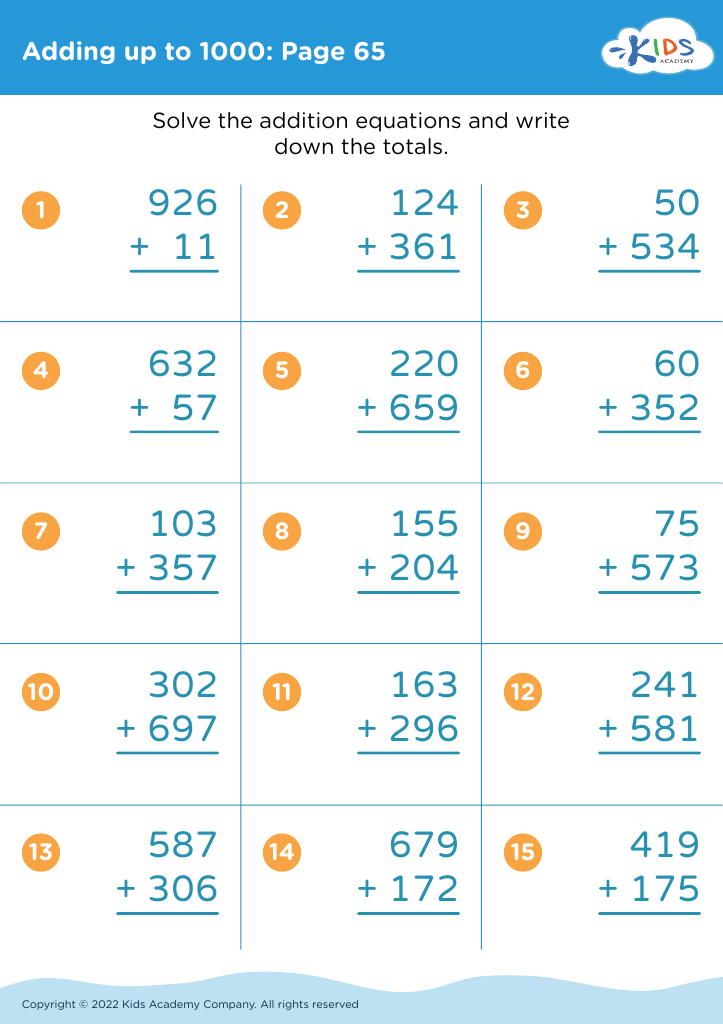
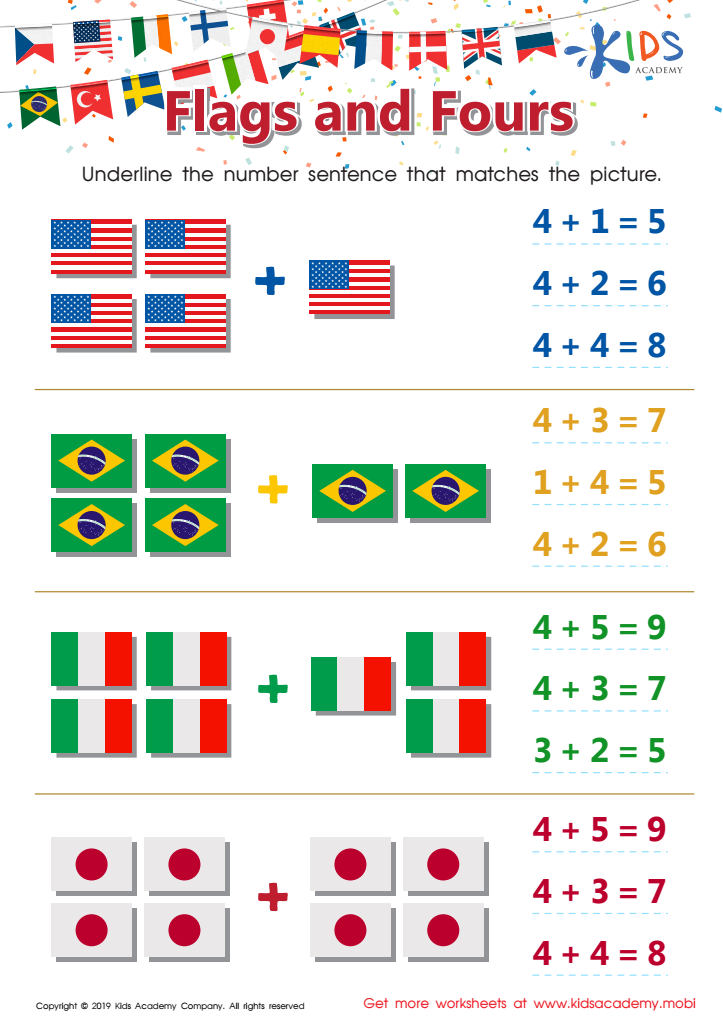
Flags and Fours Worksheet
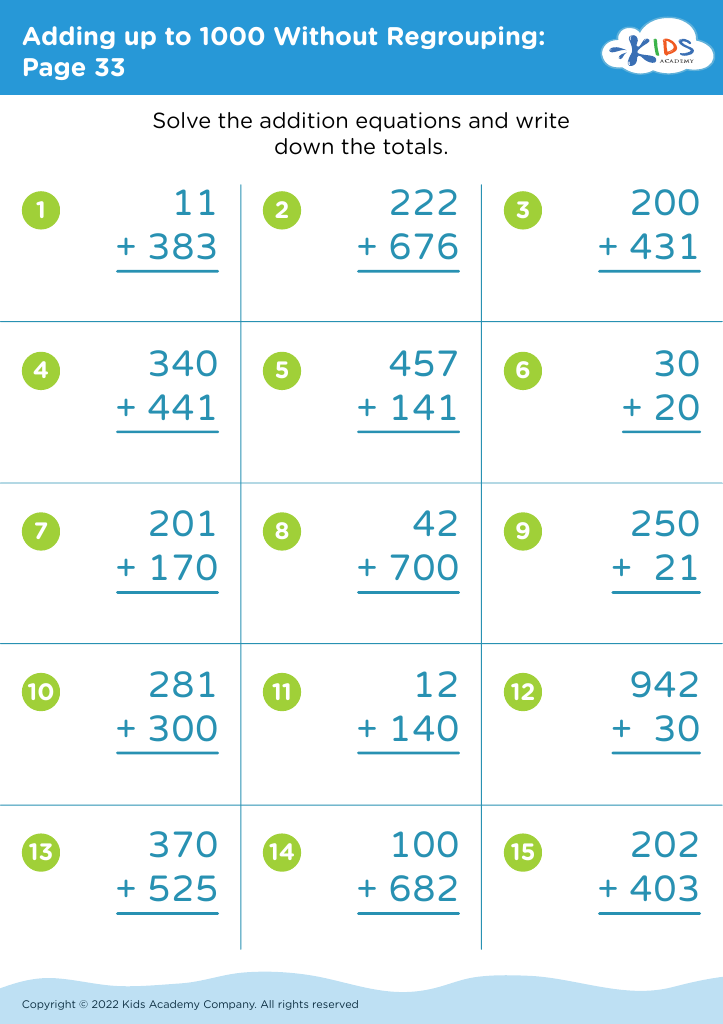








Pattern recognition in addition and subtraction is a crucial skill for children aged 4-8 as it lays the foundation for mathematical understanding and problem-solving. Recognizing patterns helps young learners identify relationships between numbers and grasp concepts such as sequences and operations more easily. For example, when children notice a pattern in adding or subtracting certain numbers, they can predict results, making math more intuitive.
Parents and teachers should care because fostering pattern recognition enhances critical thinking and cognitive development. Early exposure to these skills not only boosts confidence in math but also encourages a positive attitude towards learning, reducing math anxiety in the long run. Moreover, proficiency in pattern recognition plays a vital role in more advanced mathematics, preparing children for future academic success.
Engaging children in activities that develop this skill can involve games, music, and hands-on experiences, making learning enjoyable and effective. When parents and teachers collaborate to highlight patterns in everyday life, from natural occurrences to numerical sequences, they help children to connect concepts in a meaningful way. Ultimately, nurturing this skill sets the stage for lifelong learning and a deeper understanding of mathematics.








