Shape Recognition Addition & Subtraction Worksheets for Ages 4-8 - Page 2
34 filtered results
-
From - To
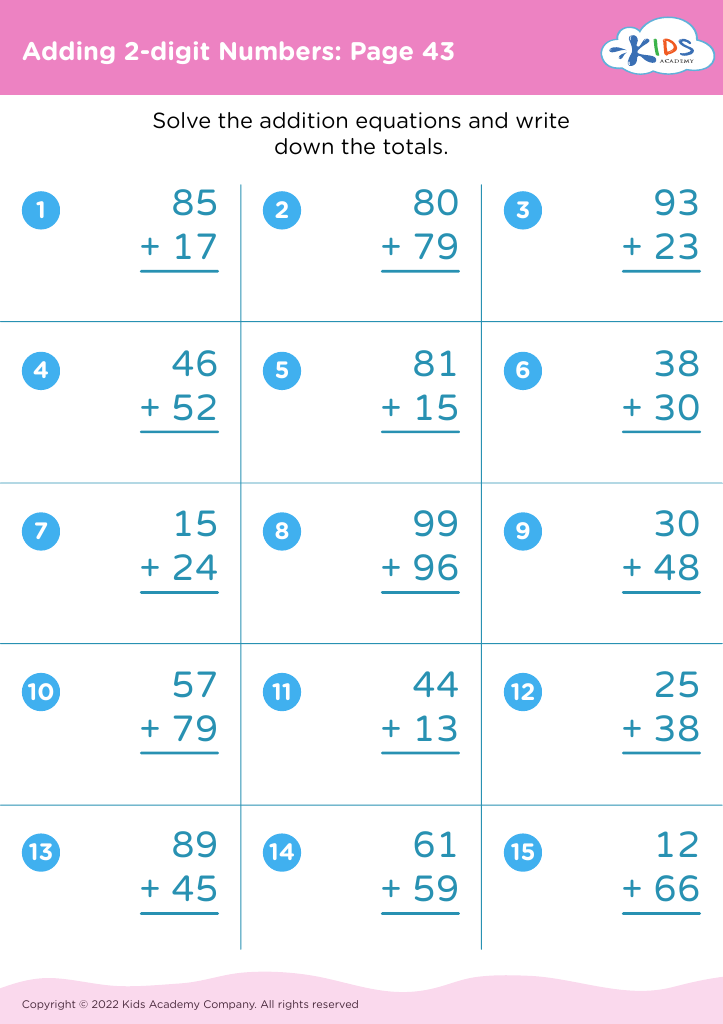
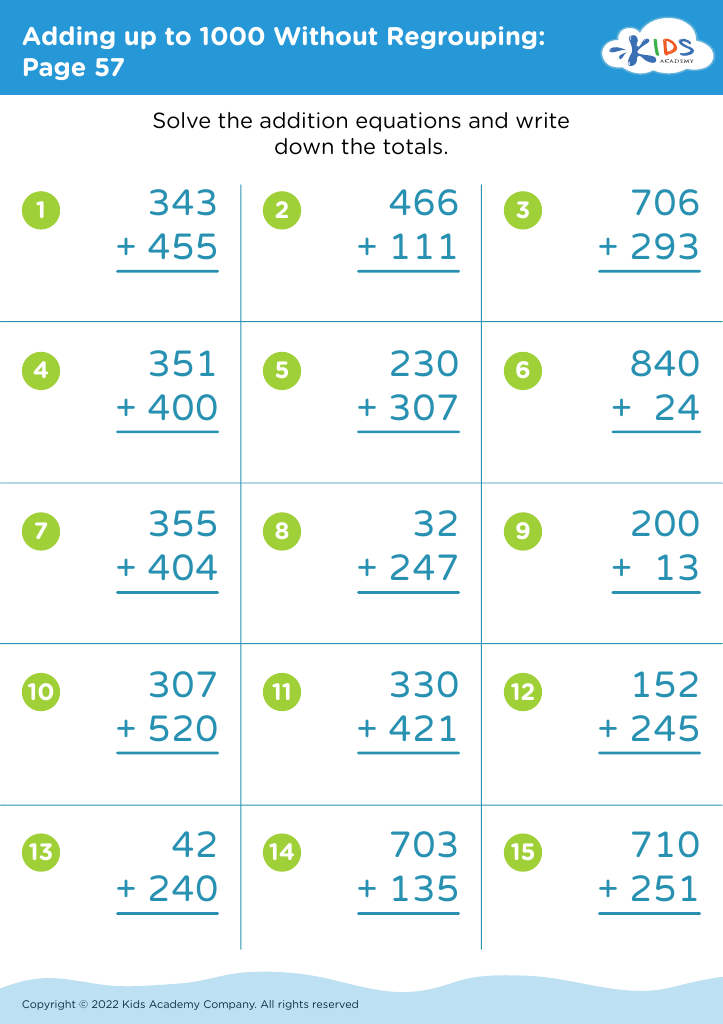
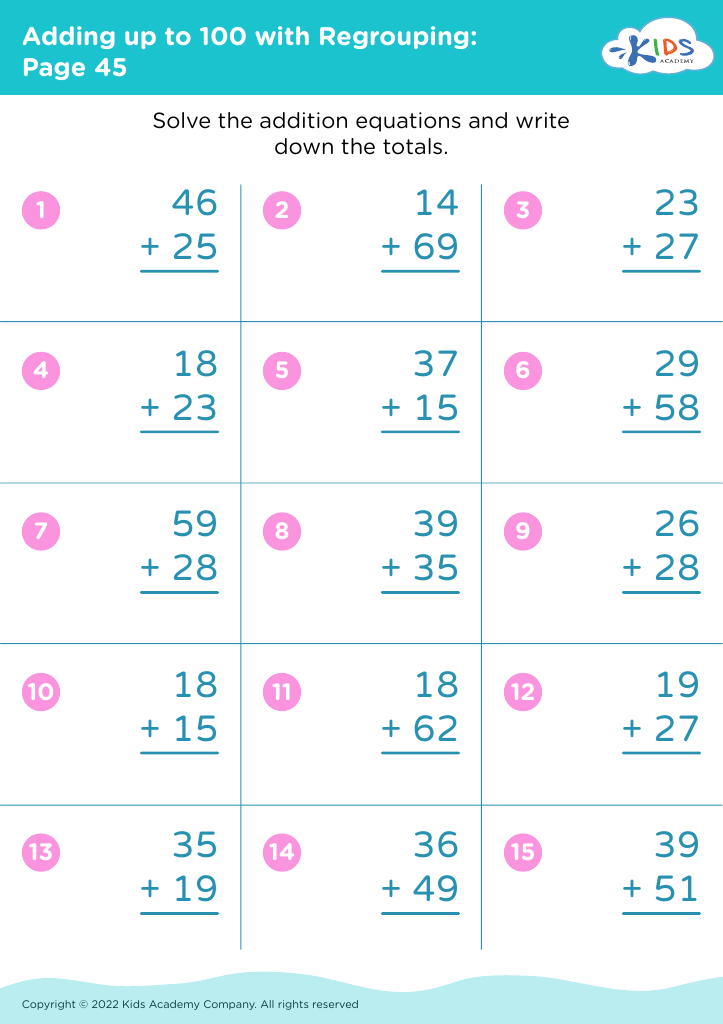
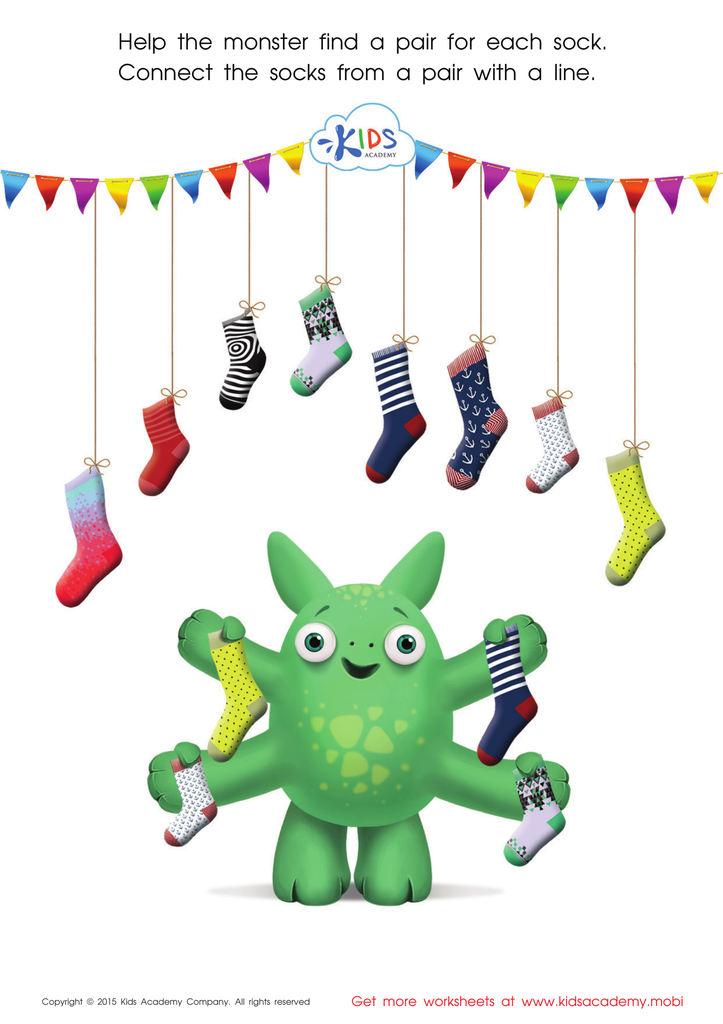
Math Matching Pairs Game: Monsterв's Socks Worksheet
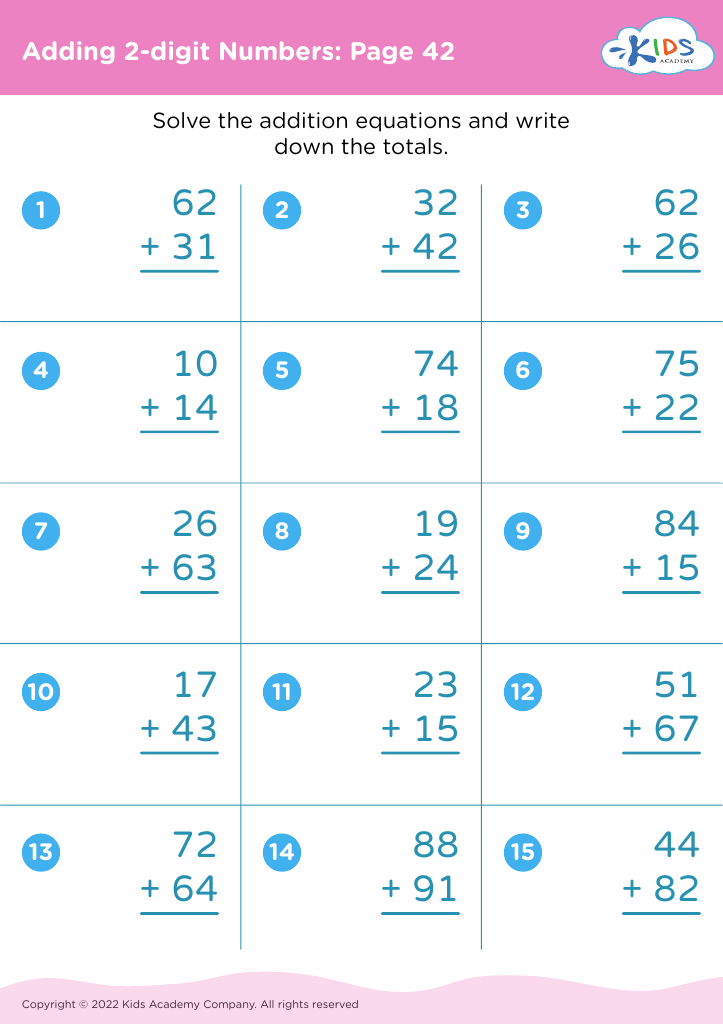
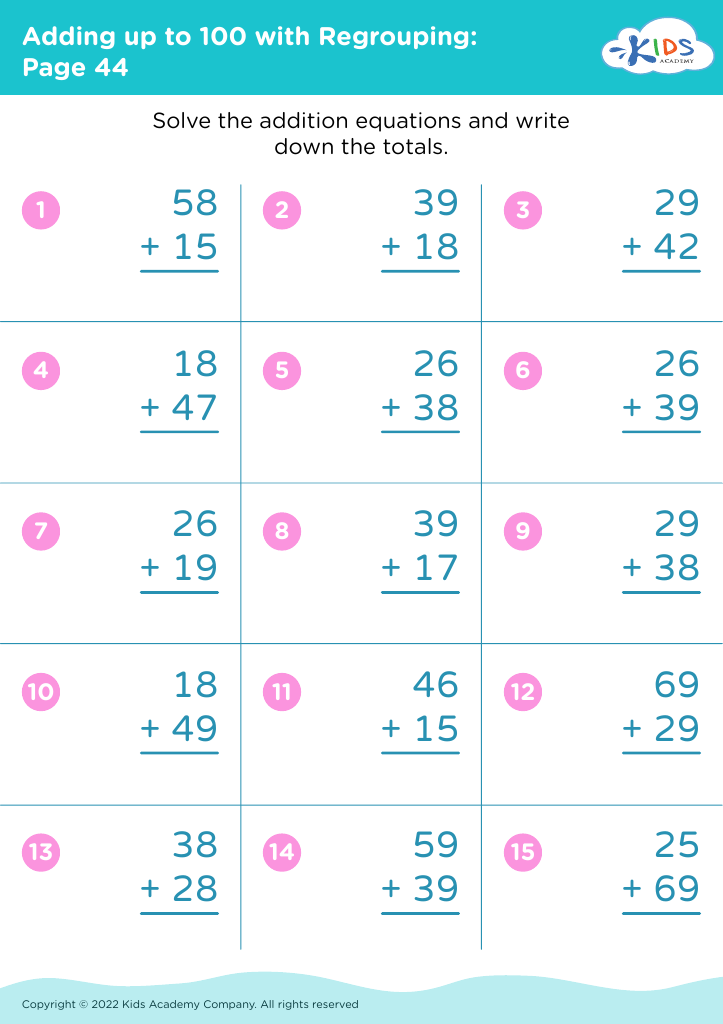








Shape recognition and basic addition and subtraction skills are foundational elements in early childhood education for children aged 4-8. Parents and teachers should care about these skills because they are essential for cognitive development and future mathematical learning. Understanding shapes helps children make sense of the world around them; it aids in visual discrimination, spatial awareness, and reasoning skills. By recognizing different shapes, children also enhance their ability to classify and sort objects, developing critical thinking abilities.
Moreover, addition and subtraction at this age are crucial for introducing the concepts of number sense and operations. Mastering these basic arithmetic skills builds a strong mathematical foundation, encouraging confidence in problem-solving as they progress through their education. Engaging with shape and number recognition promotes active learning, where educators can incorporate hands-on activities and interactive play, making learning enjoyable.
Ultimately, reinforcing shape recognition and basic math operations cultivates an essential skill set that not only supports academic success but also encourages logical reasoning, organization, and perseverance in children's daily lives. By prioritizing these skills, parents and teachers ensure that children are well-prepared for future challenges in math and related disciplines.








