Welcome to our collection of Simplifying Fractions Addition and Subtraction Worksheets, specially designed for young learners aged 4-8! These engaging and interactive worksheets help children grasp the essential concept of simplifying fractions while honing their addition and subtraction skills. Each worksheet includes fun exercises and colorful illustrations to keep students motivated and make learning enjoyable. Our resources cater to diverse learning styles, ensuring that every child can succeed in mastering fractions. Perfect for classroom use or at-home practice, these worksheets lay a strong foundation for future math success. Explore our selection and transform math challenges into fun learning experiences today!
Check out this FREE Trial Lesson on Addition & Subtraction for age 4-8!

X

Favorites
With answer key
Interactive
  • 4-8
  • Simplifying Fractions
  • Addition & Subtraction
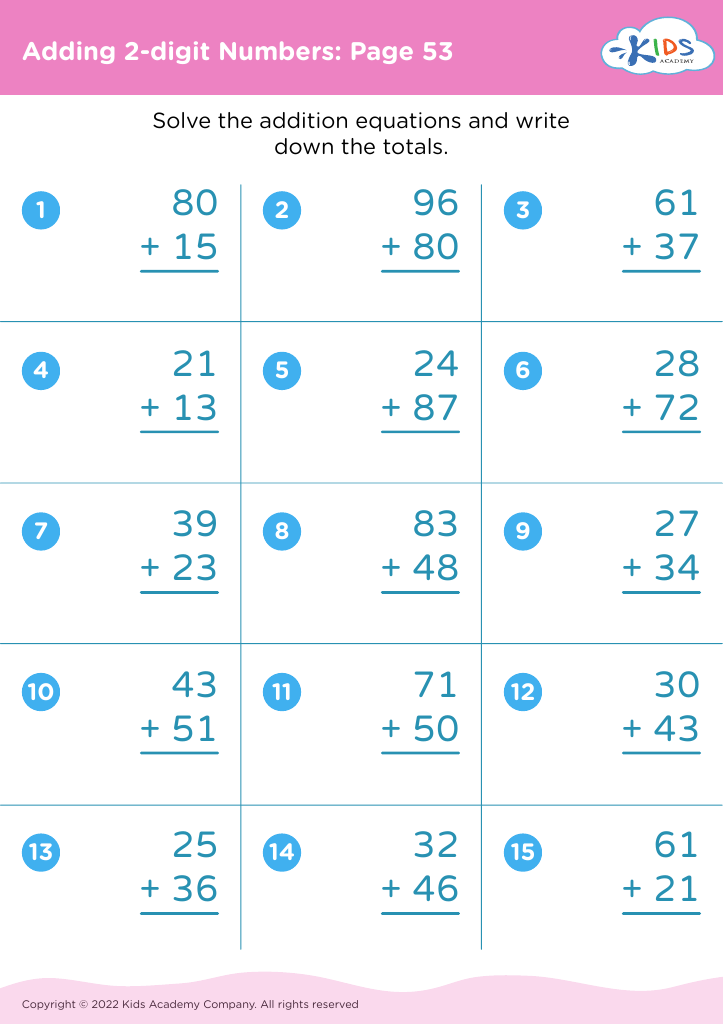
Adding 2-digit Numbers: Page 53

Adding 2-digit Numbers: Page 53

Adding 2-digit Numbers: Page 53
Worksheet
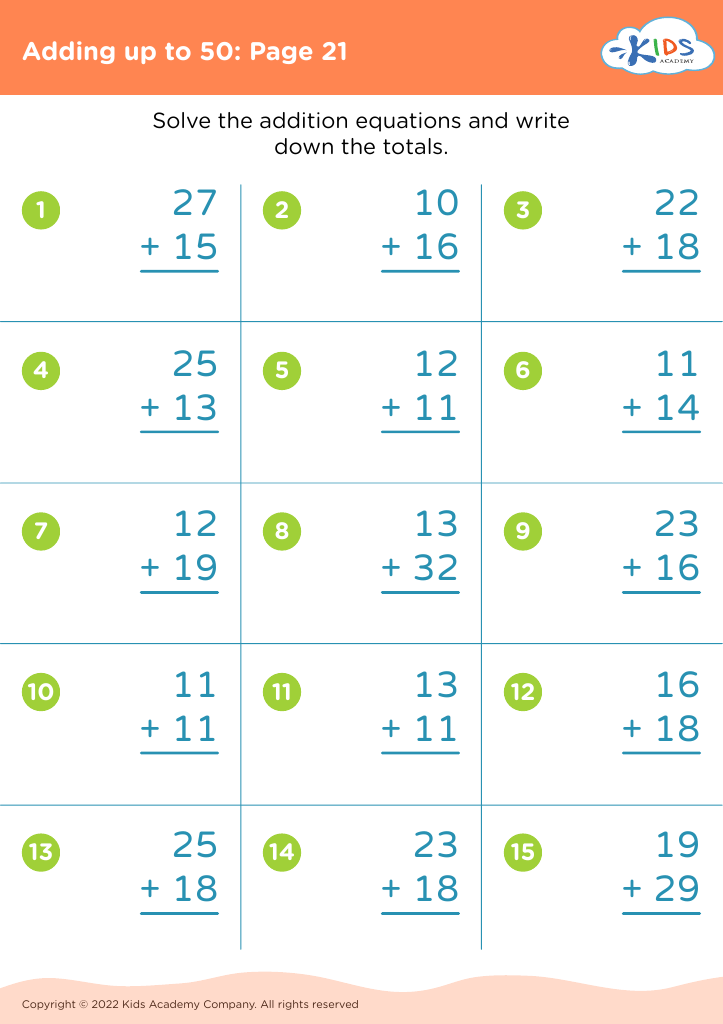
Adding up to 50: Page 21

Adding up to 50: Page 21

Adding up to 50: Page 21
Worksheet
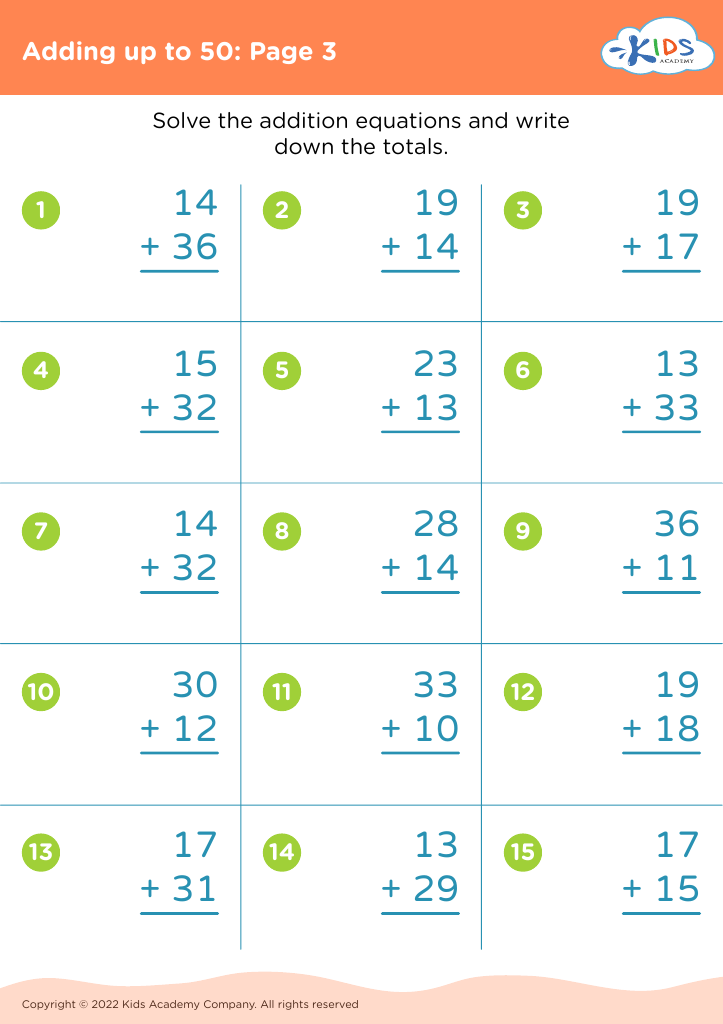
Adding up to 50: Page 3

Adding up to 50: Page 3

Adding up to 50: Page 3
Worksheet
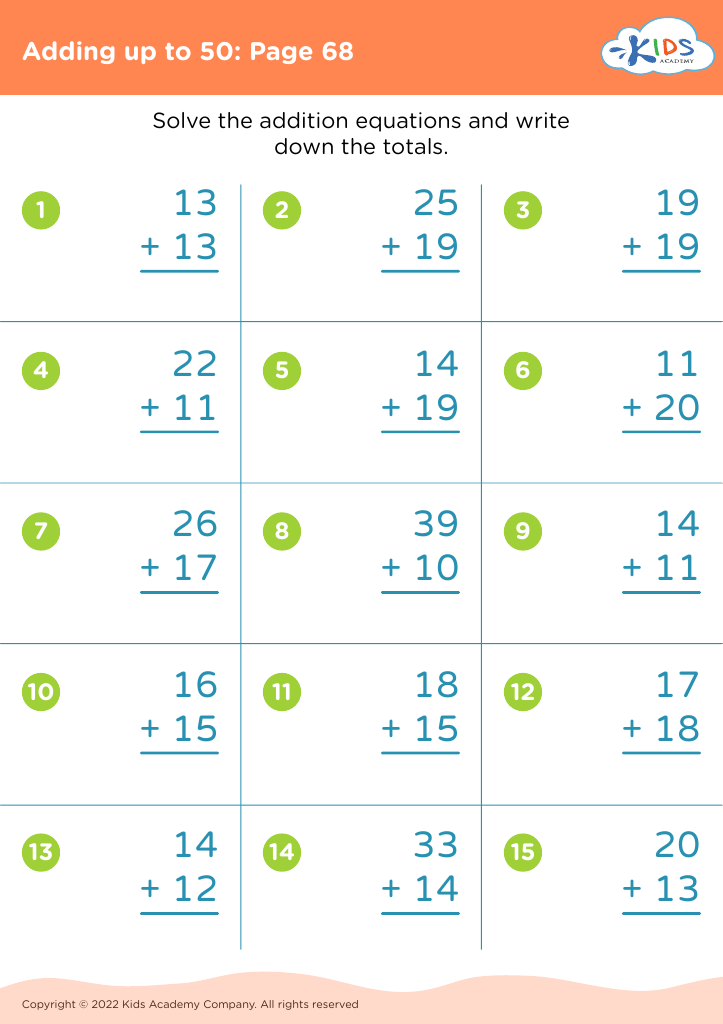
Adding up to 50: Page 68

Adding up to 50: Page 68

Adding up to 50: Page 68
Worksheet
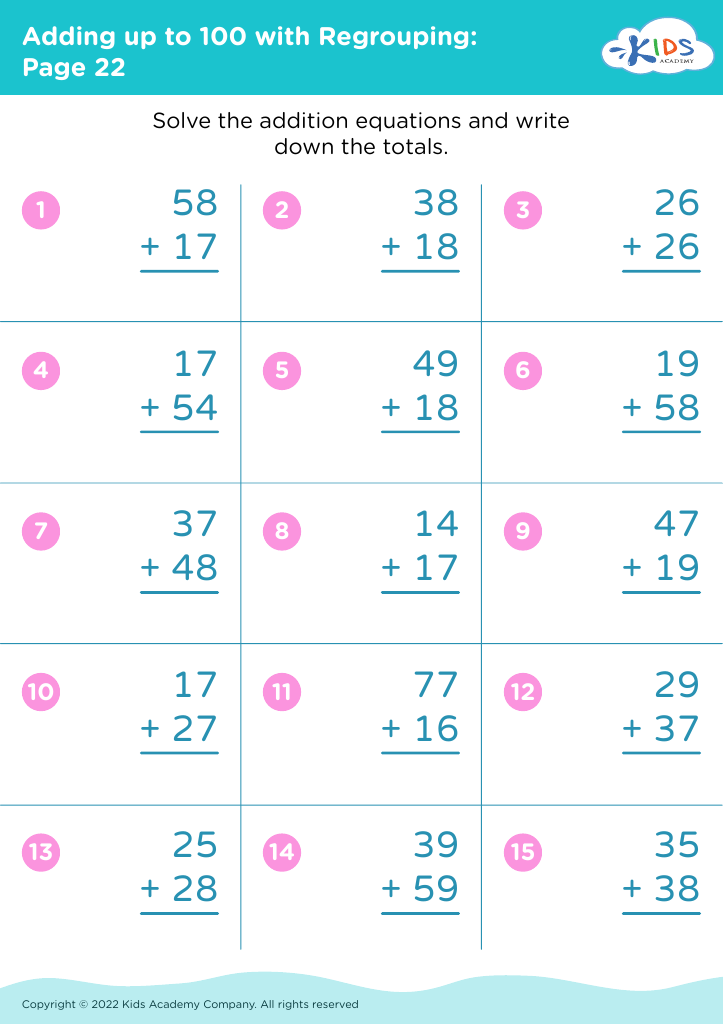
Adding up to 100 with Regrouping: Page 22
Worksheet
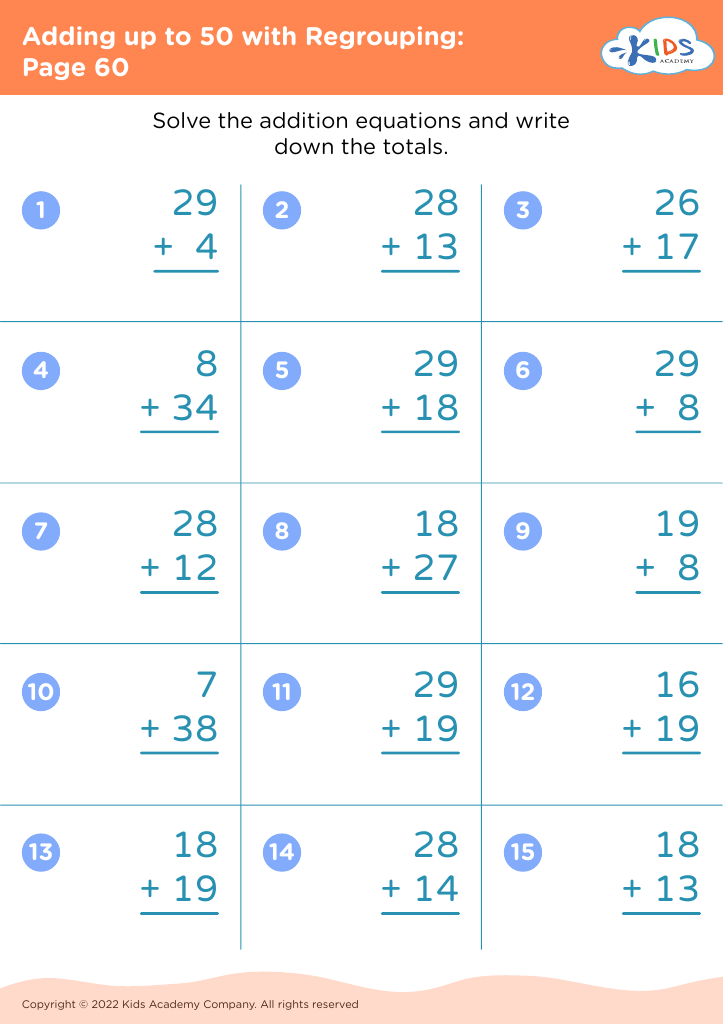
Adding up to 50 with Regrouping: Page 60
Worksheet
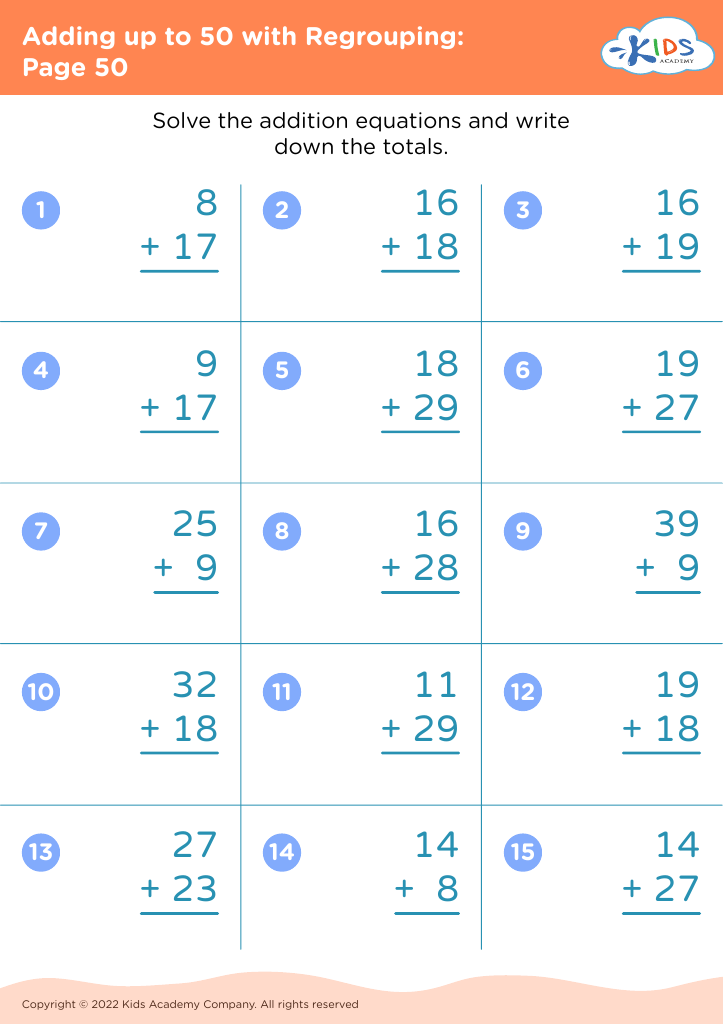
Adding up to 50 with Regrouping: Page 50
Worksheet
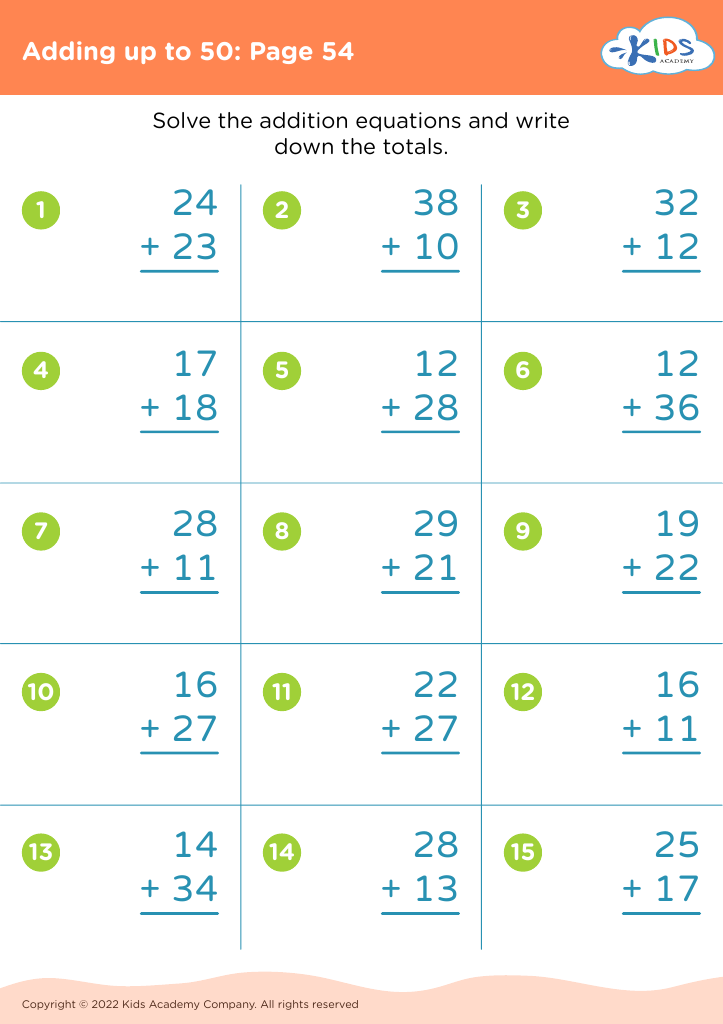
Adding up to 50: Page 54

Adding up to 50: Page 54

Adding up to 50: Page 54
Worksheet
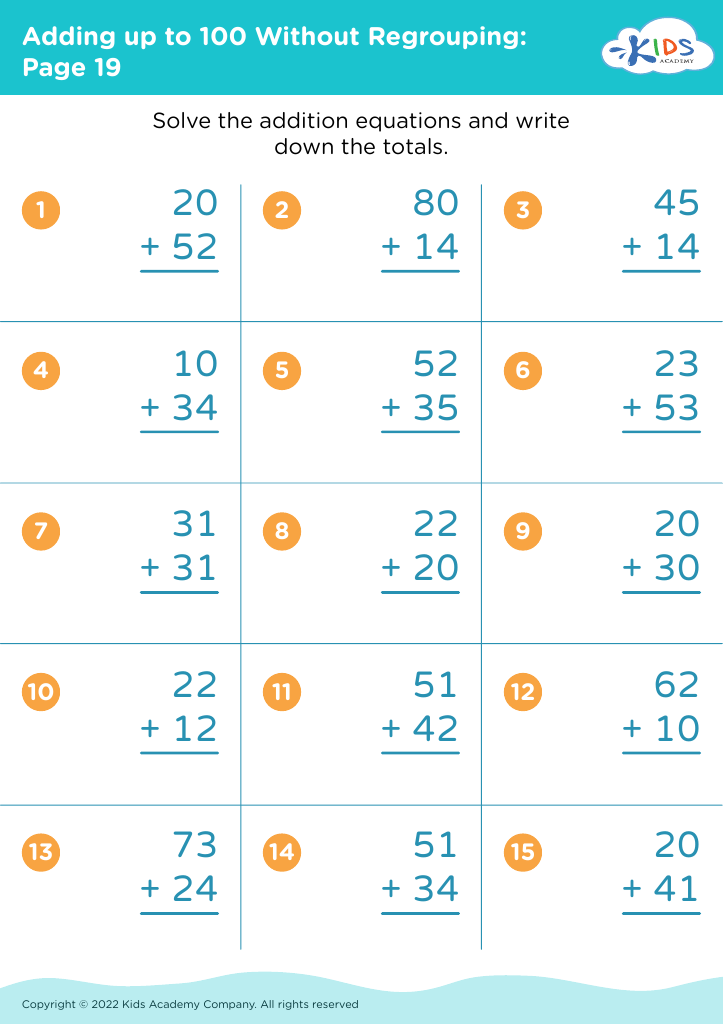
Adding up to 100 Without Regrouping: Page 19
Worksheet
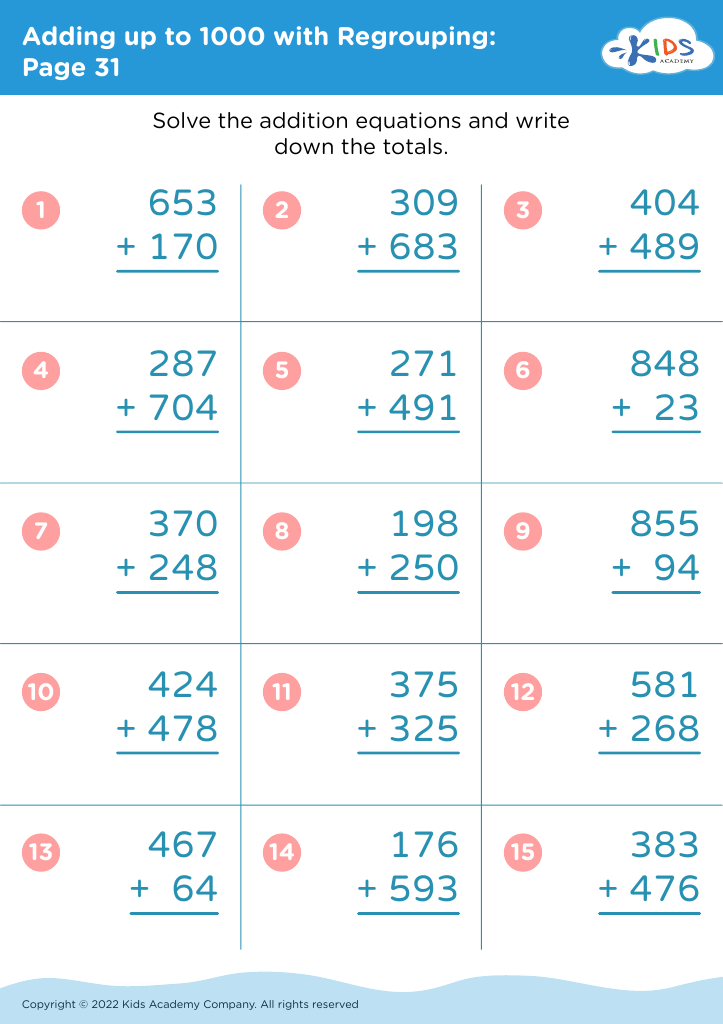
Adding up to 1000 with Regrouping: Page 31
Worksheet
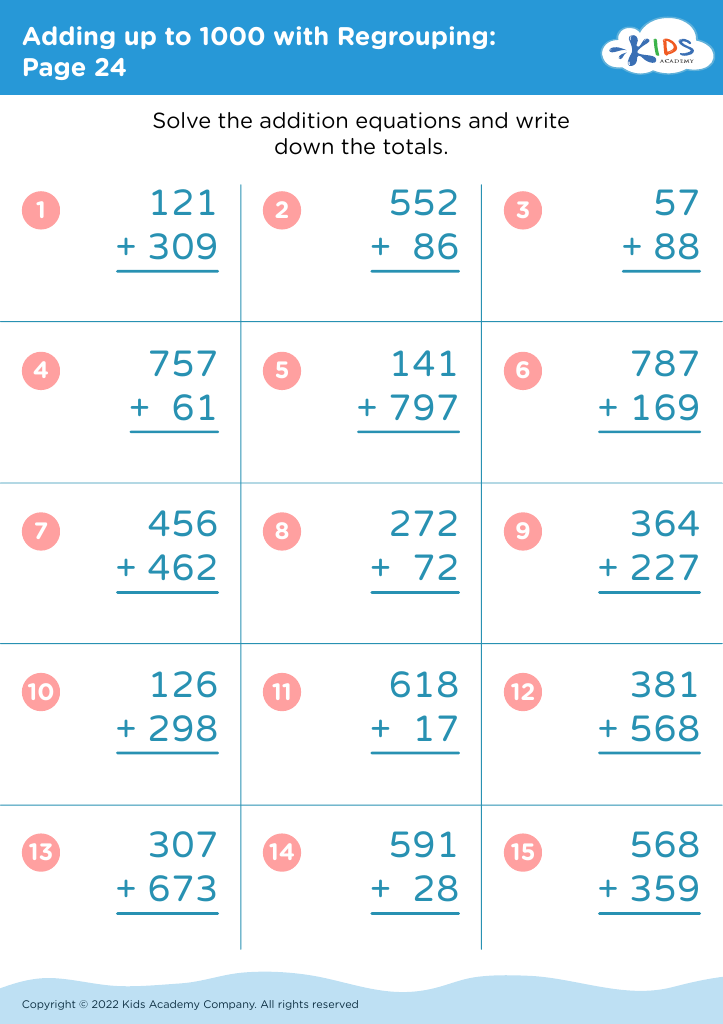
Adding up to 1000 with Regrouping: Page 24
Worksheet
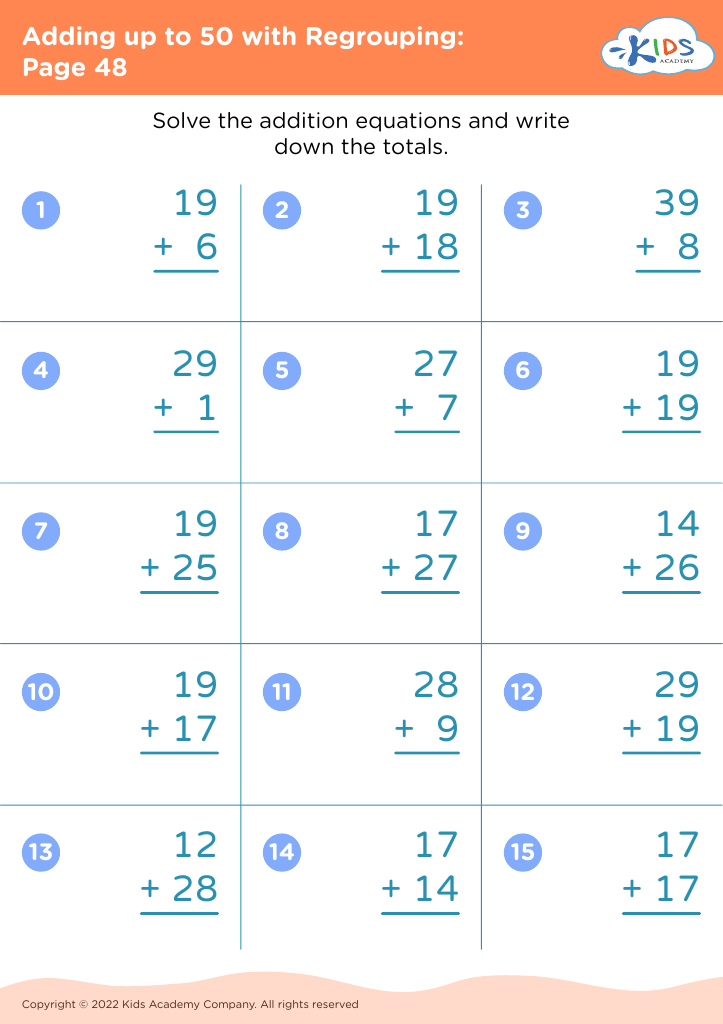
Adding up to 50 with Regrouping: Page 48
Worksheet
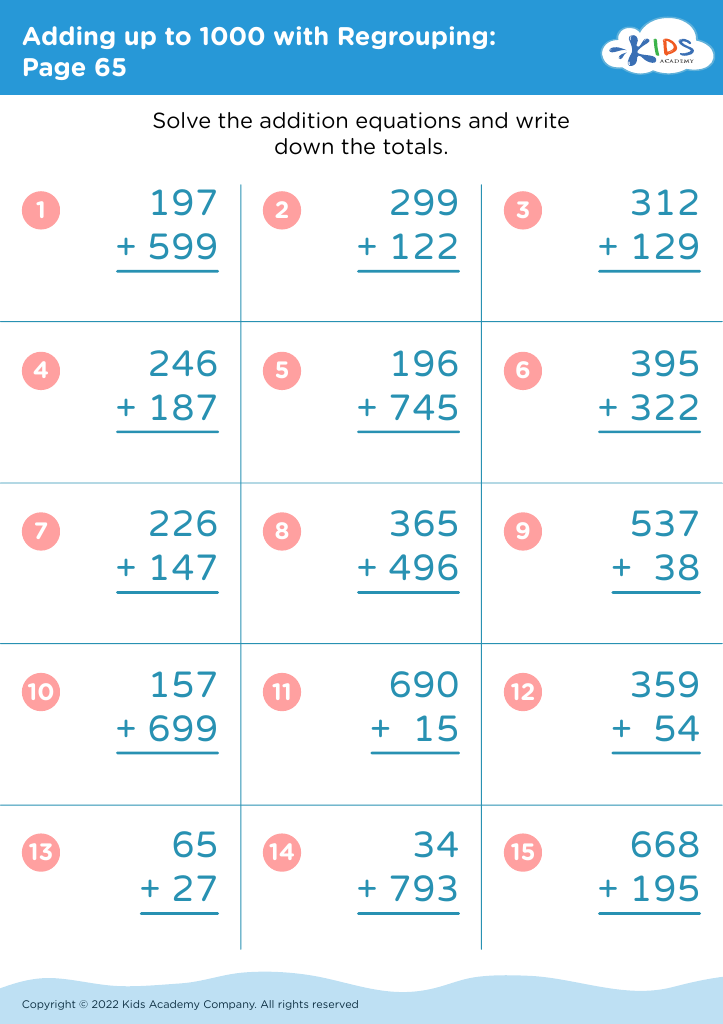
Adding up to 1000 with Regrouping: Page 65
Worksheet
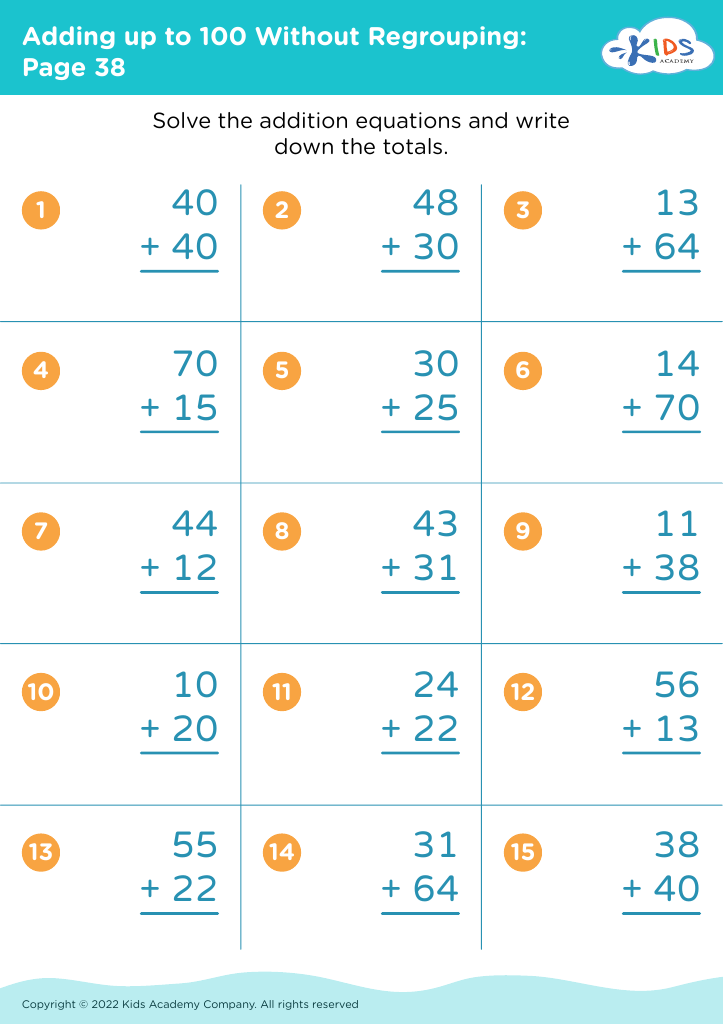
Adding up to 100 Without Regrouping: Page 38
Worksheet
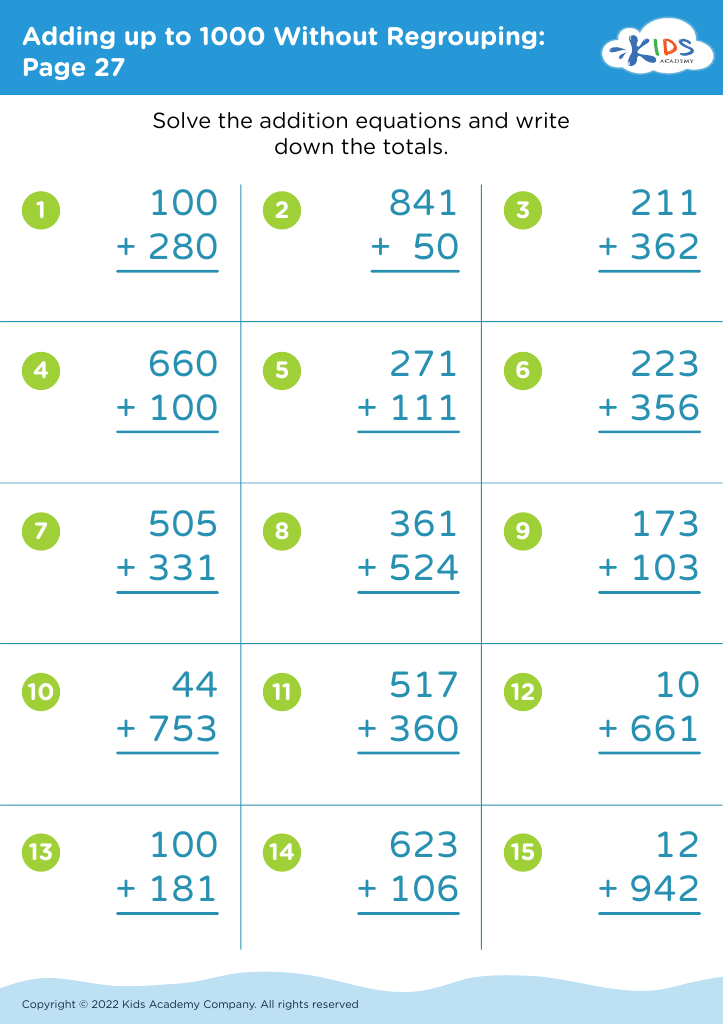
Adding up to 1000 Without Regrouping: Page 27
Worksheet
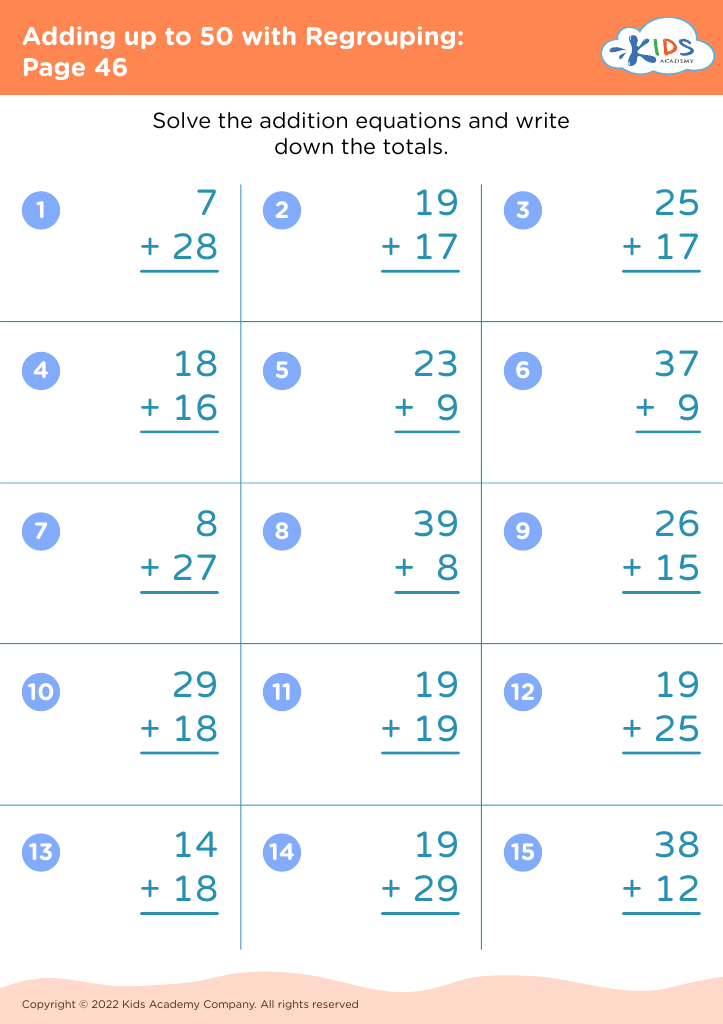
Adding up to 50 with Regrouping: Page 46
Worksheet
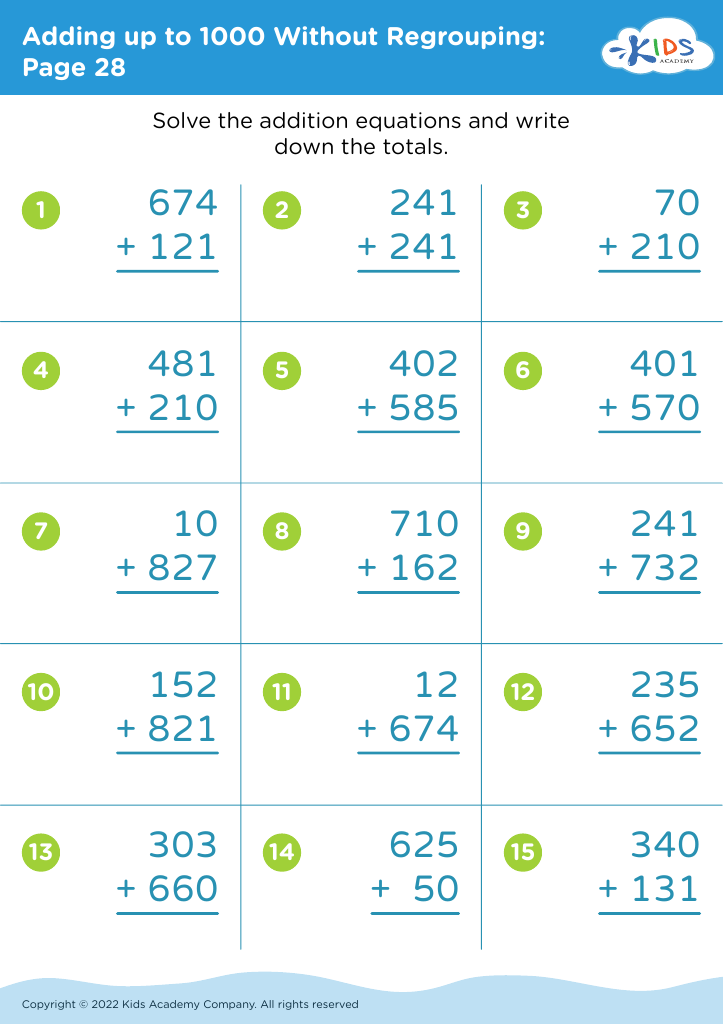
Adding up to 1000 Without Regrouping: Page 28
Worksheet
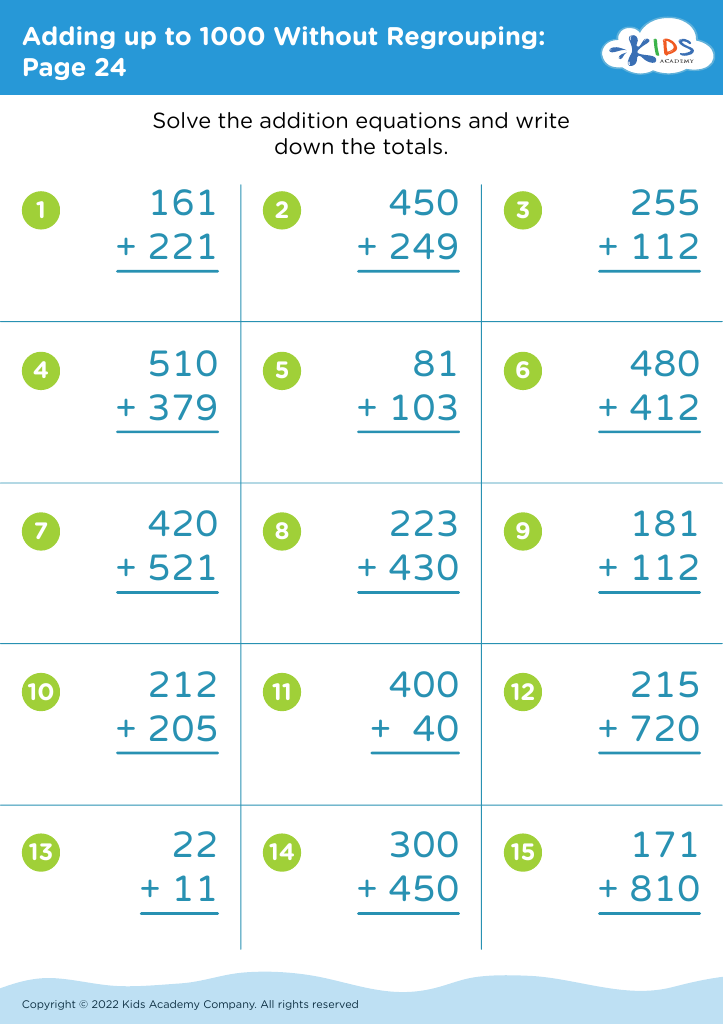
Adding up to 1000 Without Regrouping: Page 24
Worksheet


Parents and teachers should prioritize simplifying fraction addition and subtraction for children aged 4-8 because it lays the foundation for essential mathematical skills that are vital for their academic development. At this early stage, children are beginning to grasp number concepts, and engaging them in simplified fraction operations promotes a deeper understanding of mathematics.

Fraction addition and subtraction exercises develop critical thinking skills and encourage problem-solving abilities. Simplified problems can help children recognize patterns and relationships between numbers, enhancing their mathematical reasoning.

Moreover, mastering fractions early helps to build confidence in learners. When children can easily navigate these concepts, it fosters a positive attitude towards math, reducing anxiety around more complex topics as they progress. Parents and teachers who focus on these skills can also enhance children's ability to relate math to real-world scenarios, like cooking or sharing equally, demonstrating the practical application of math.

By making fractions approachable and fun through games and interactive methods, educators and parents nurture a lifelong love for learning. This crucial phase shapes how children view mathematics in later grades, ultimately impacting their overall academic success. Enabling young learners to simplify fractions helps solidify core concepts that will support them throughout their education.