Counting practice Addition Worksheets for Ages 4-8 - Page 2
292 filtered results
-
From - To
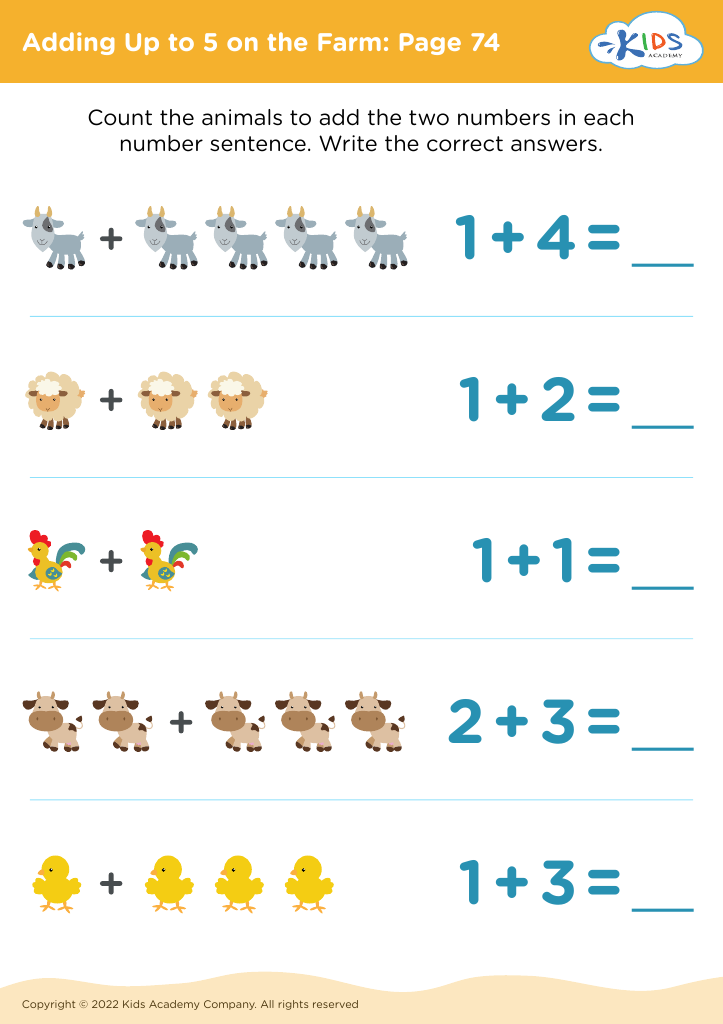
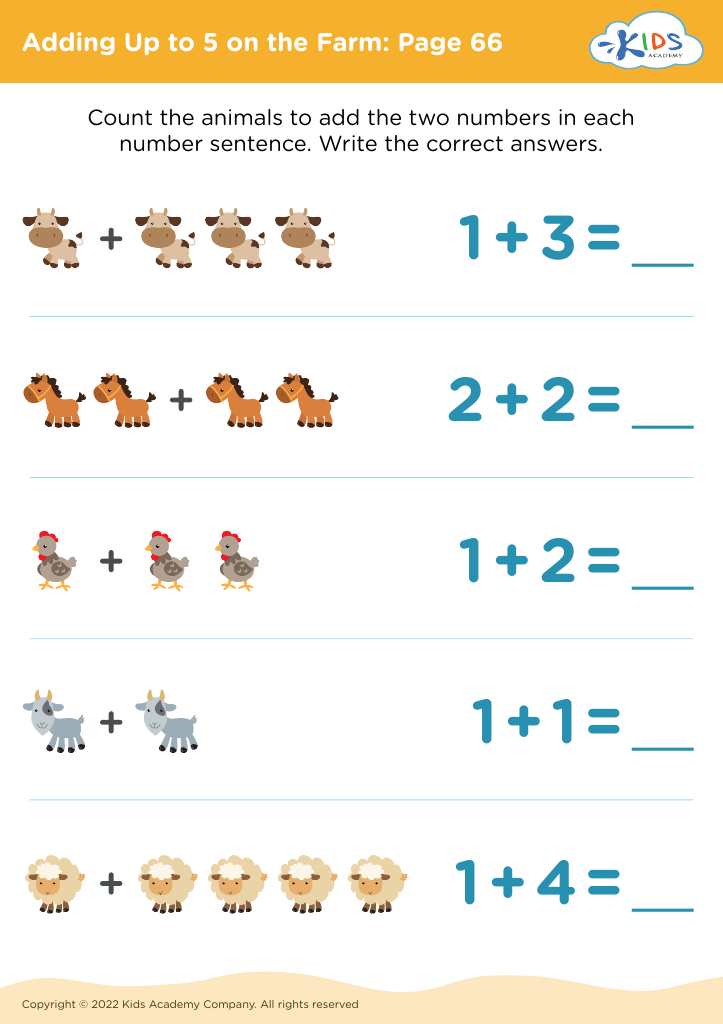
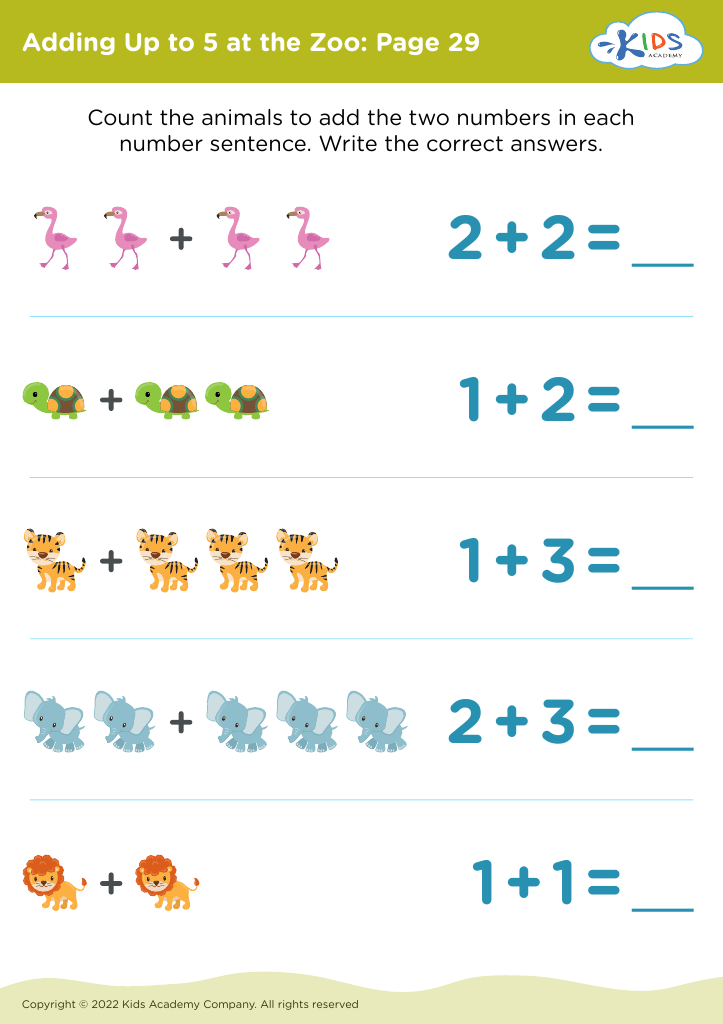
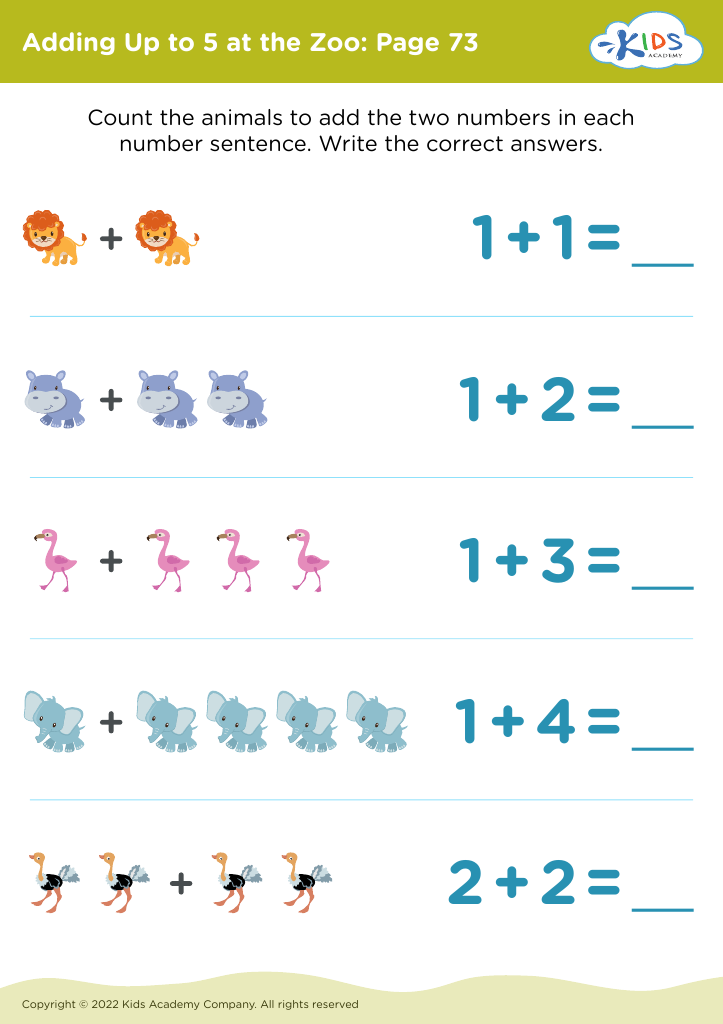
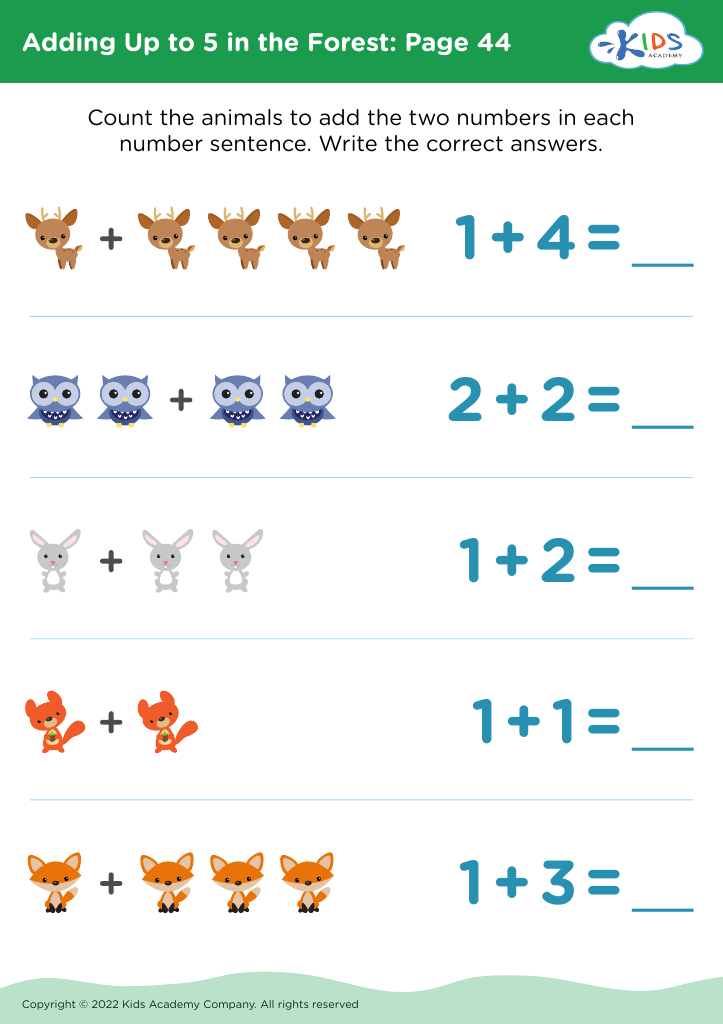
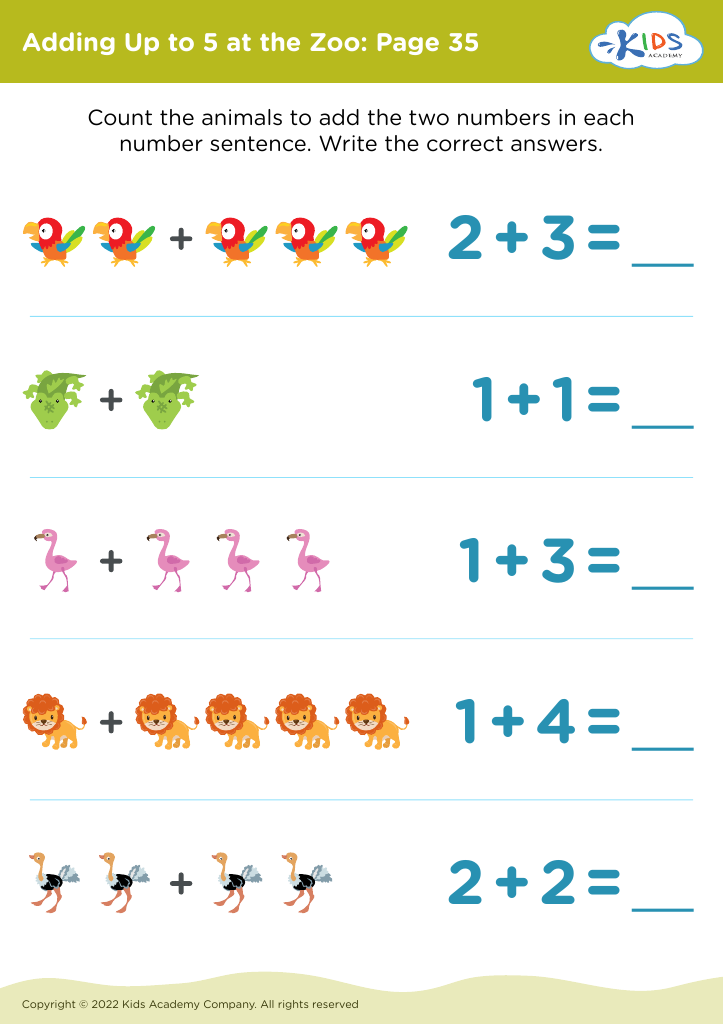
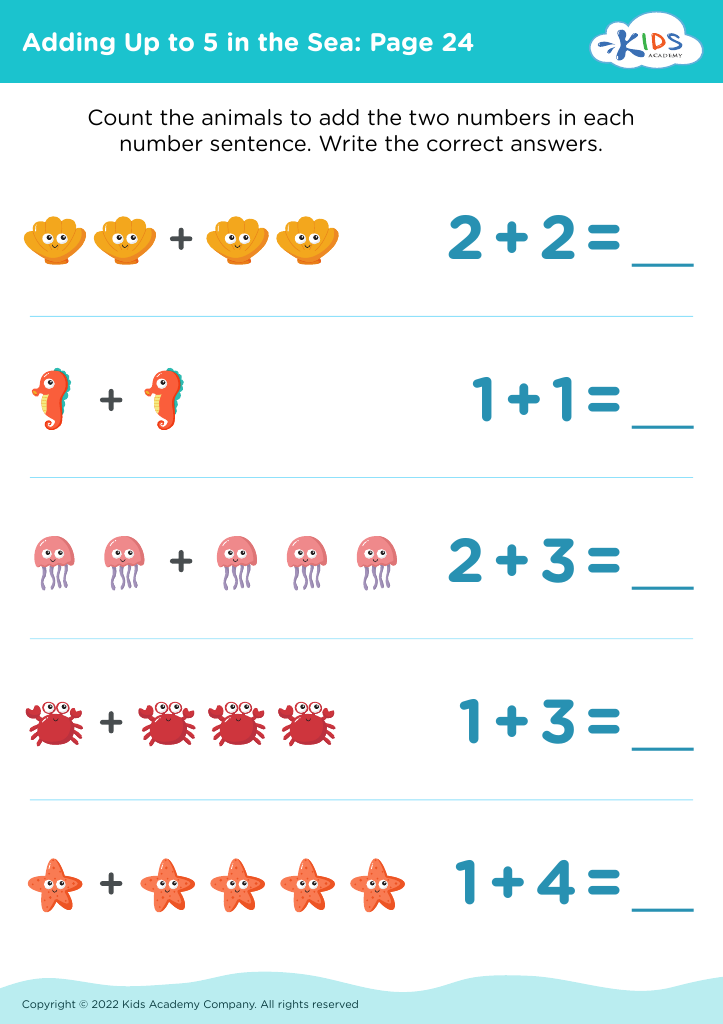
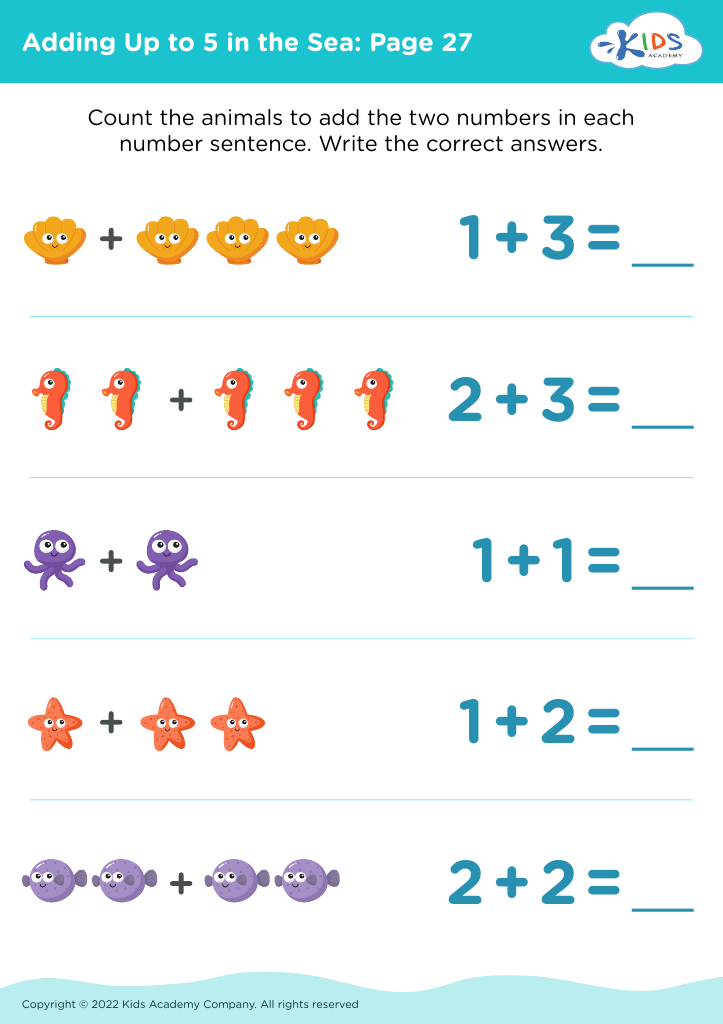
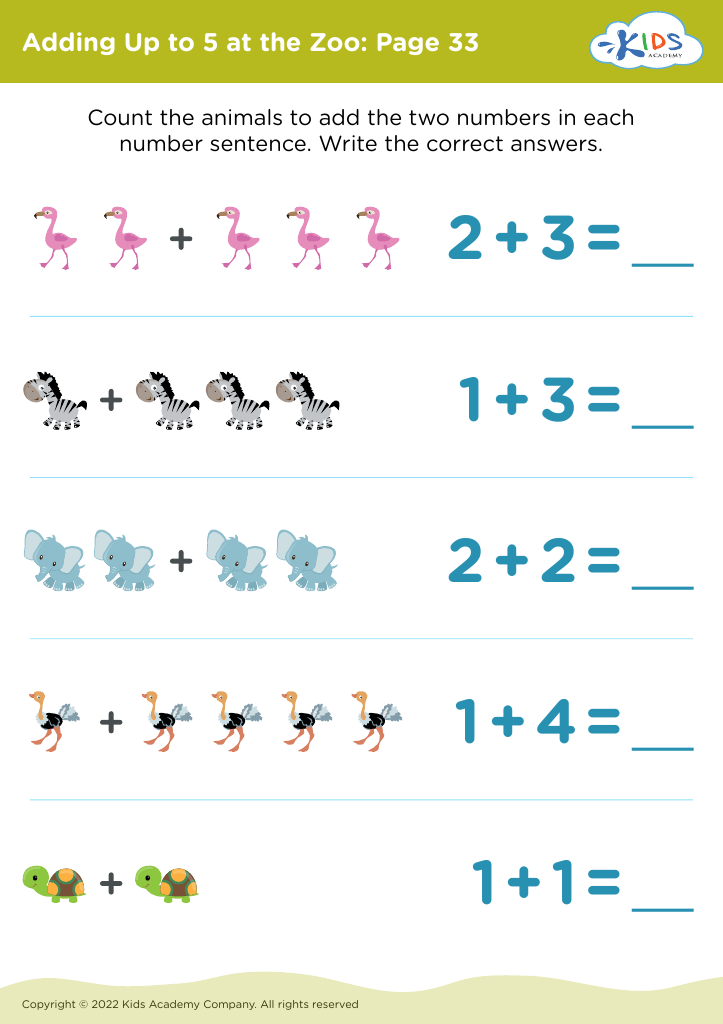
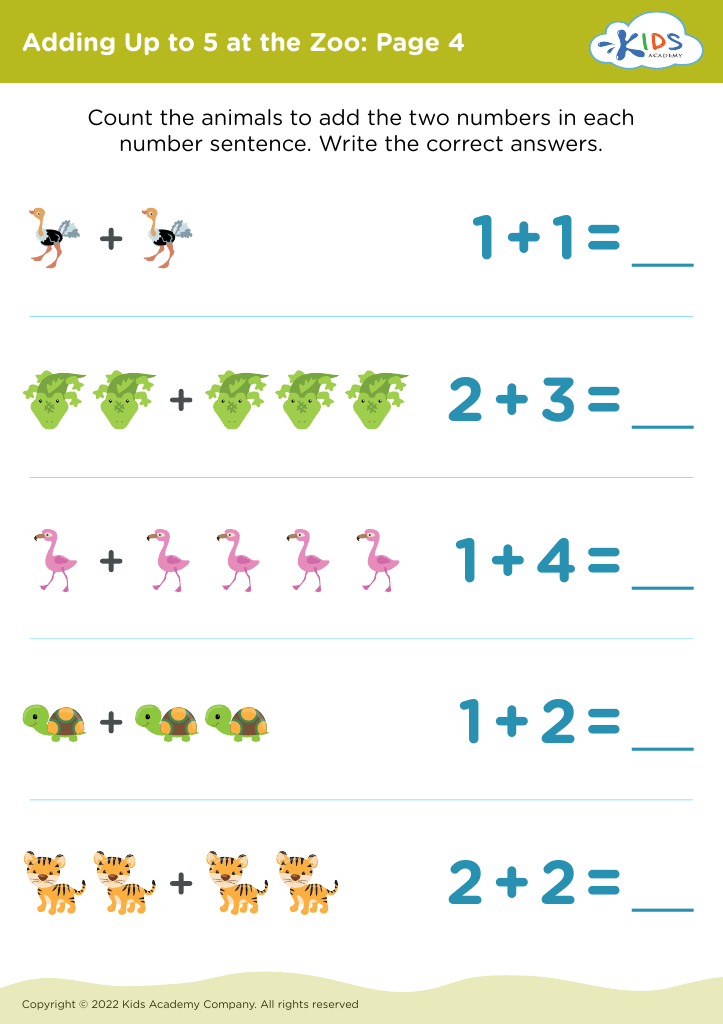
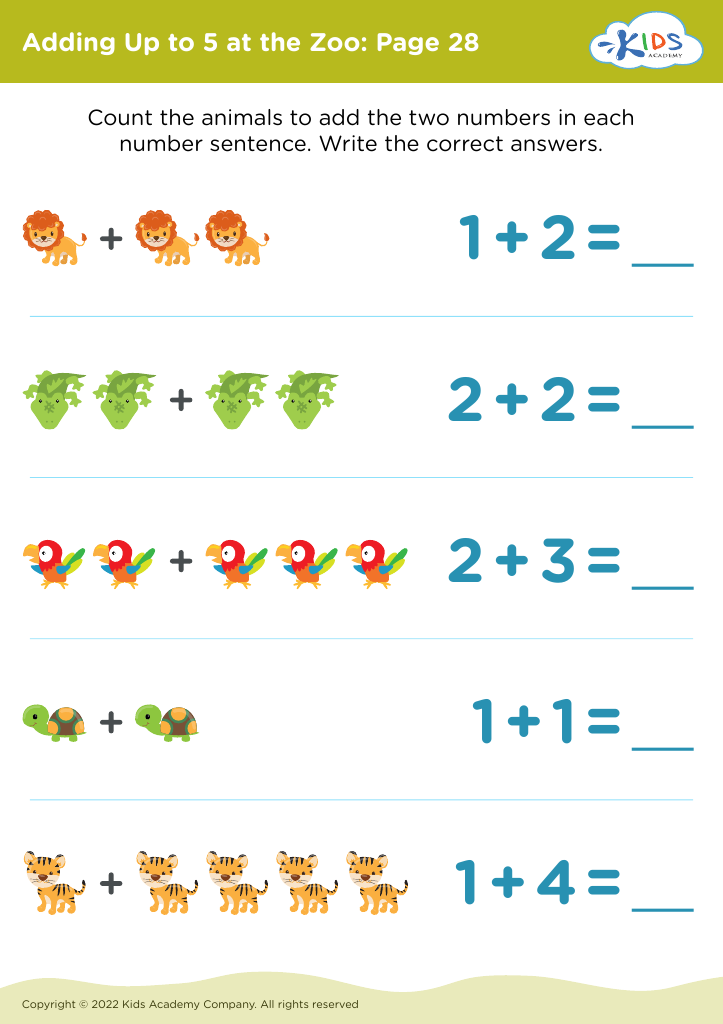
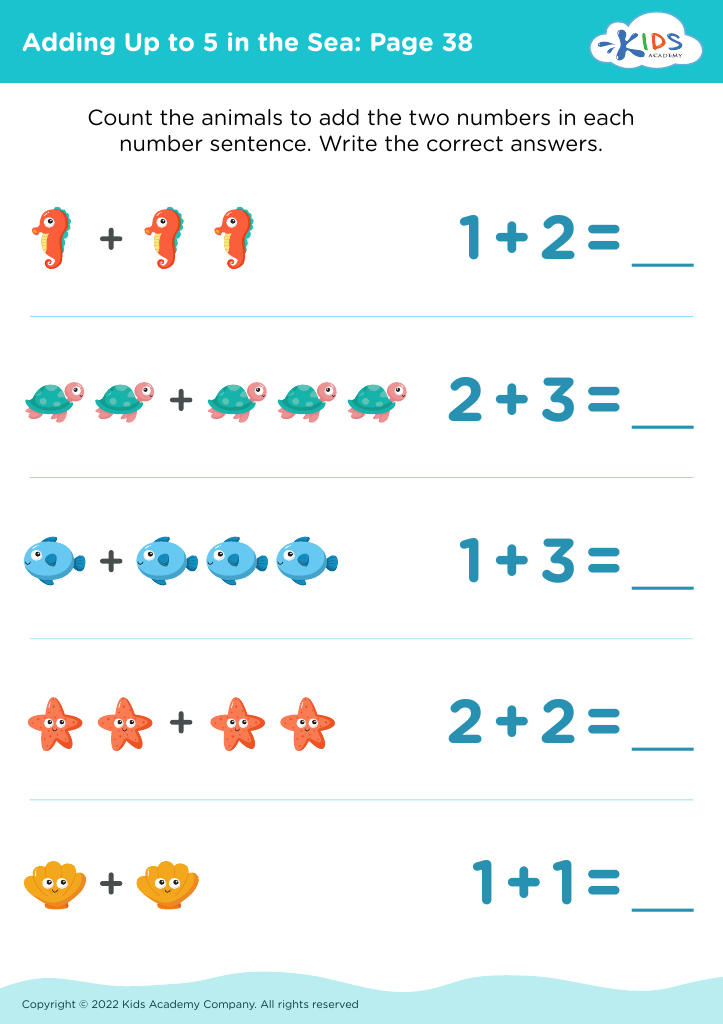
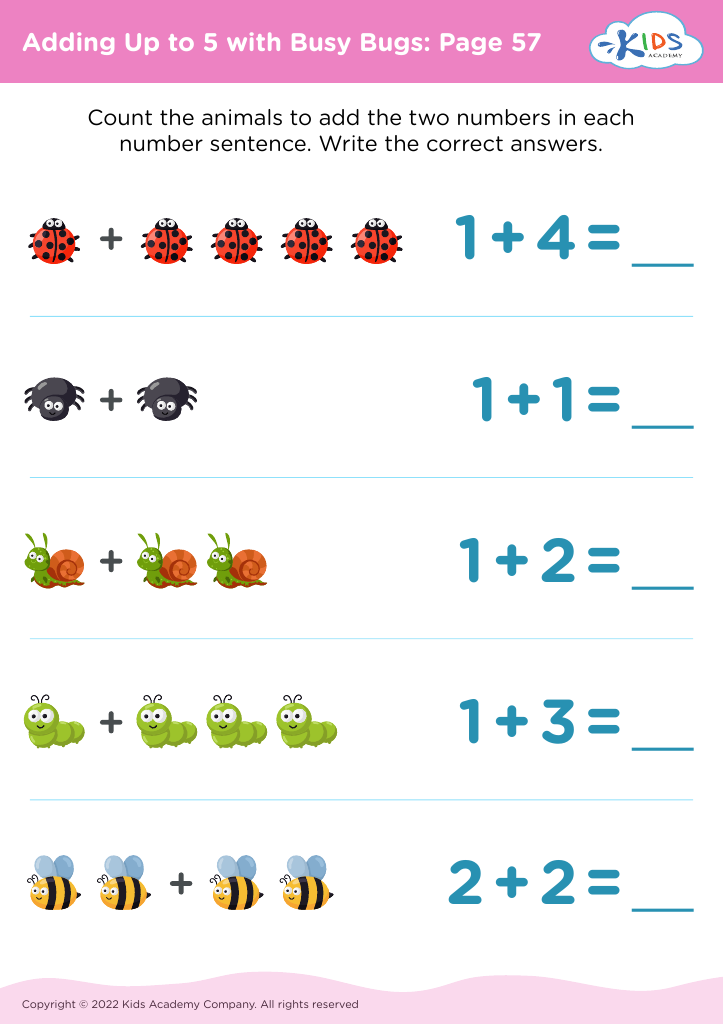
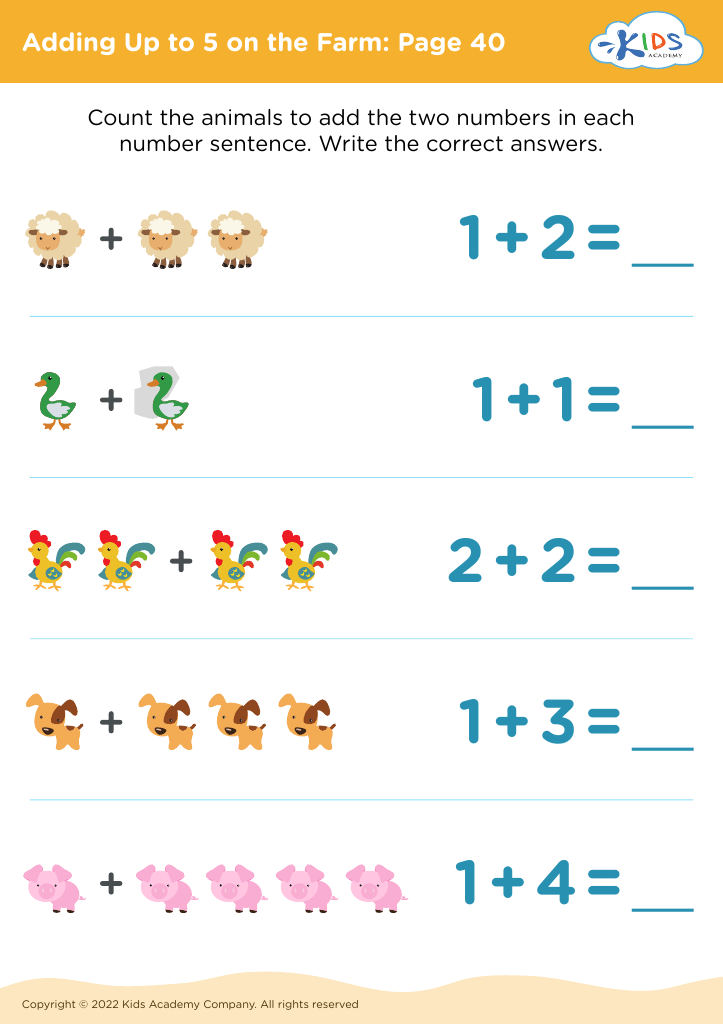
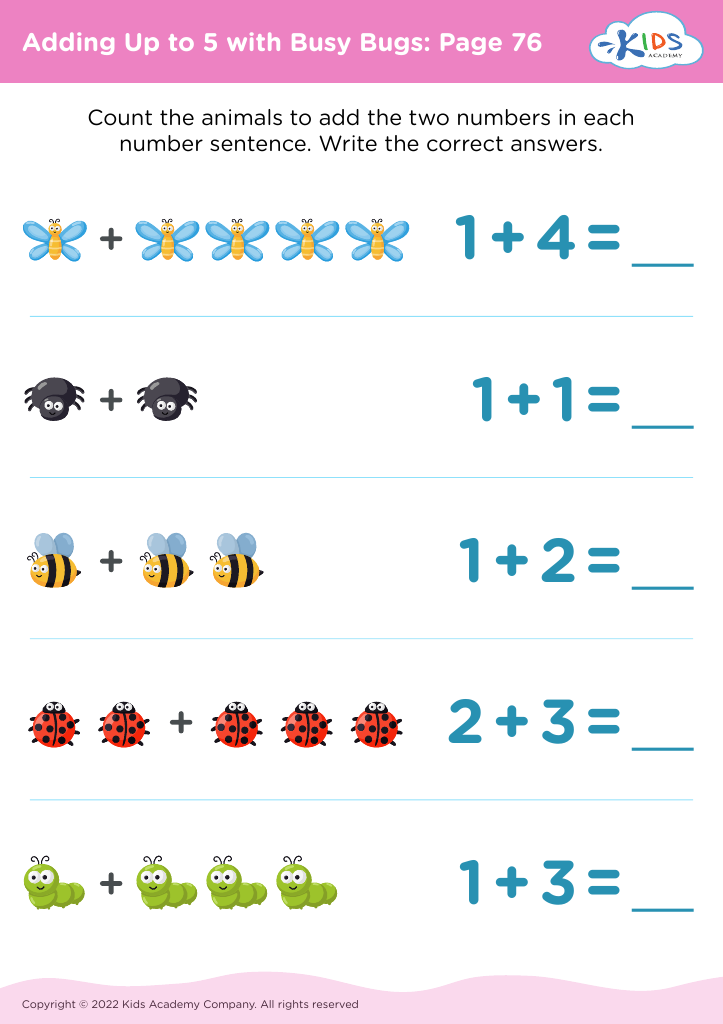
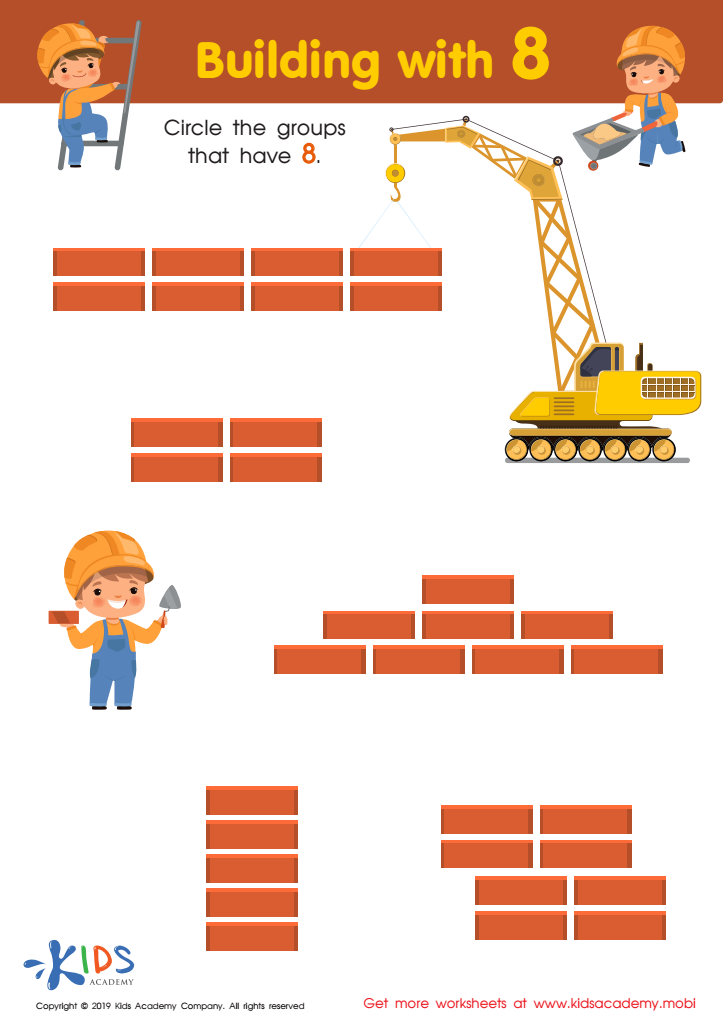
Building with 8 Worksheet
 Assign to My Students
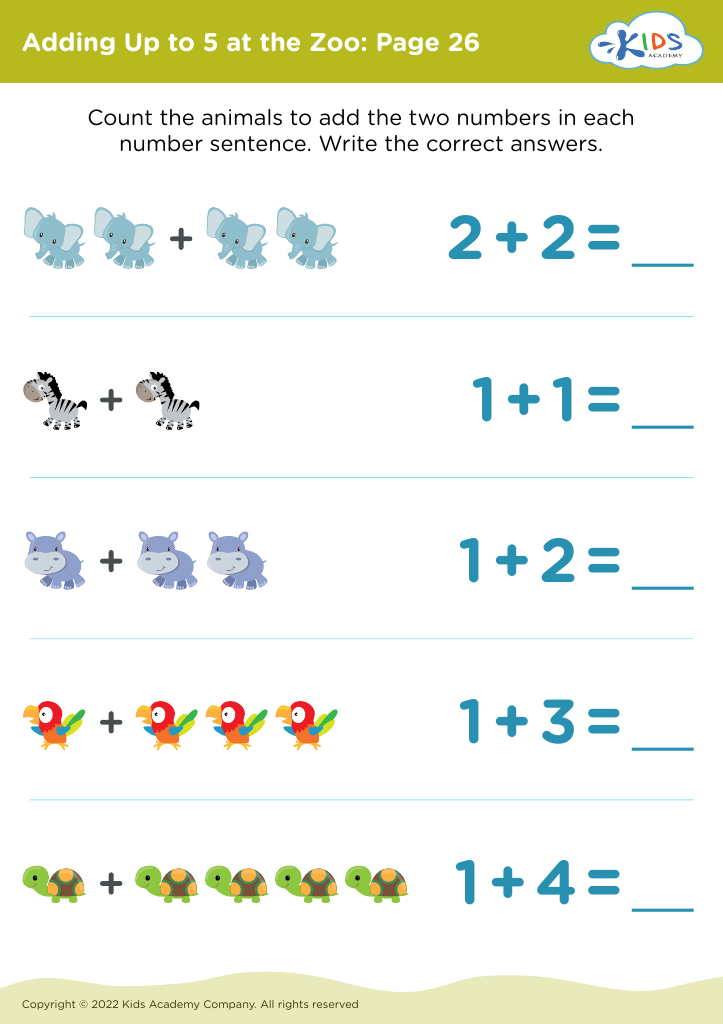
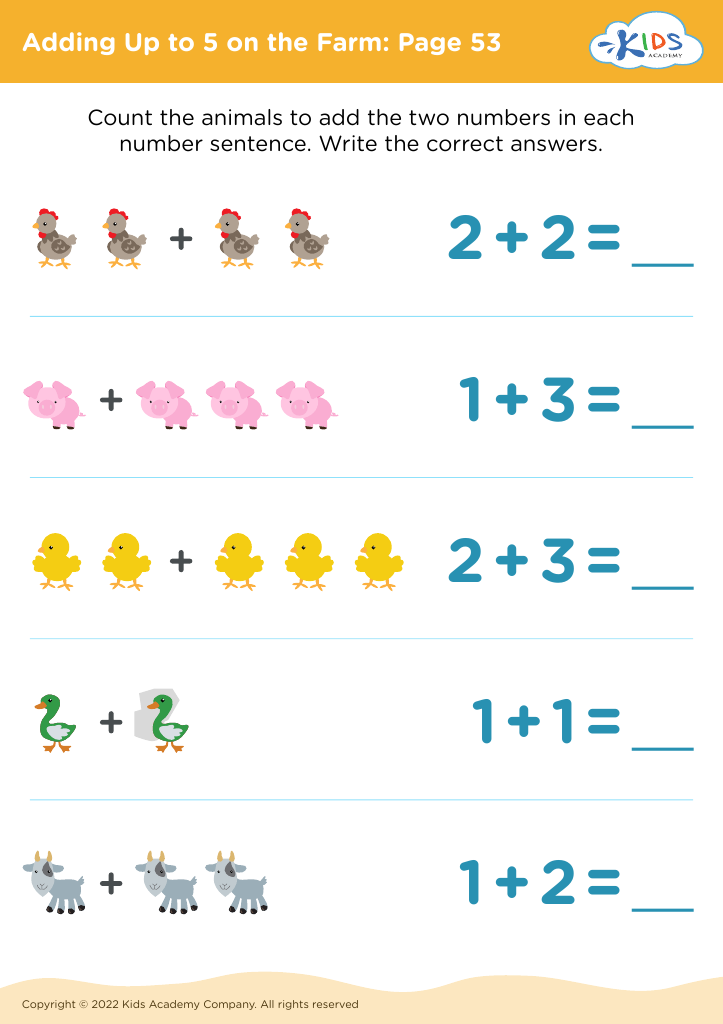
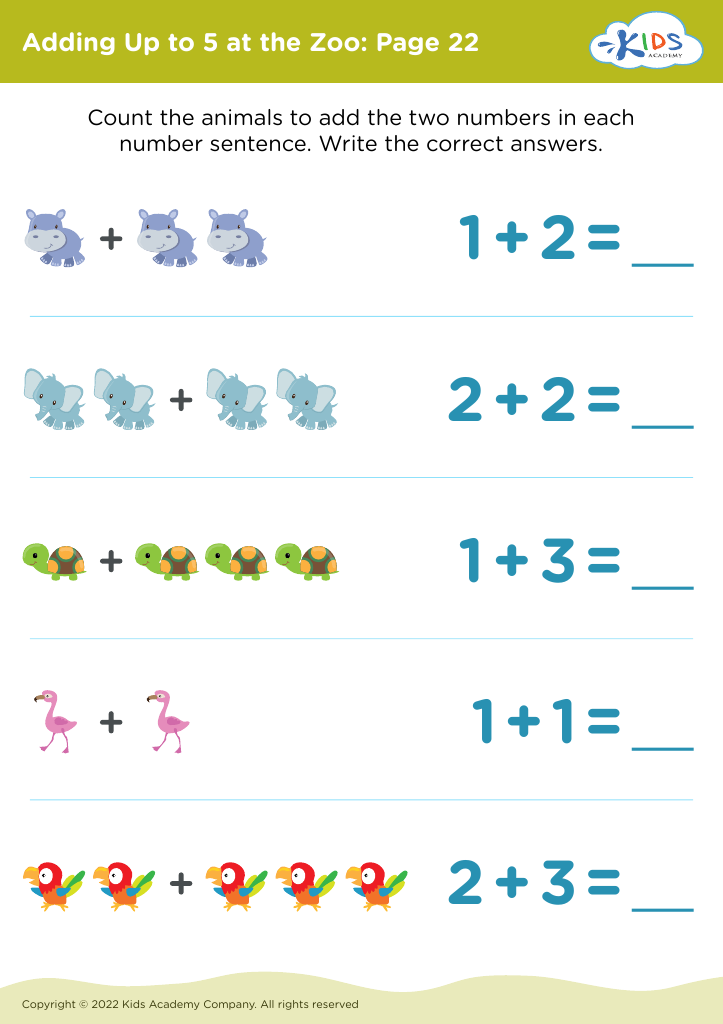
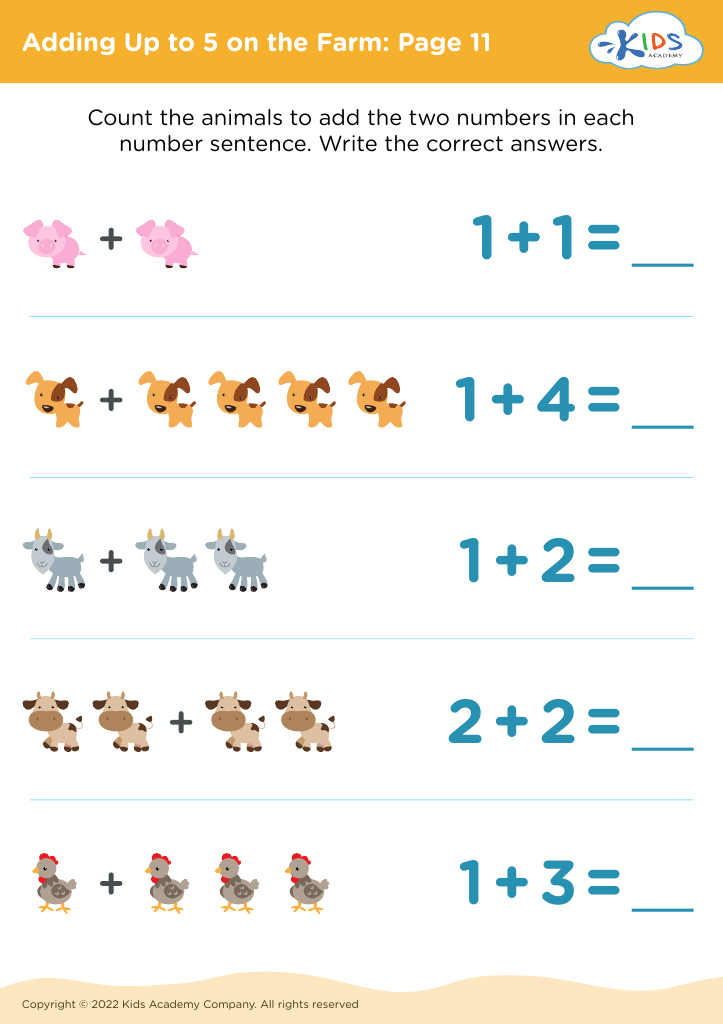








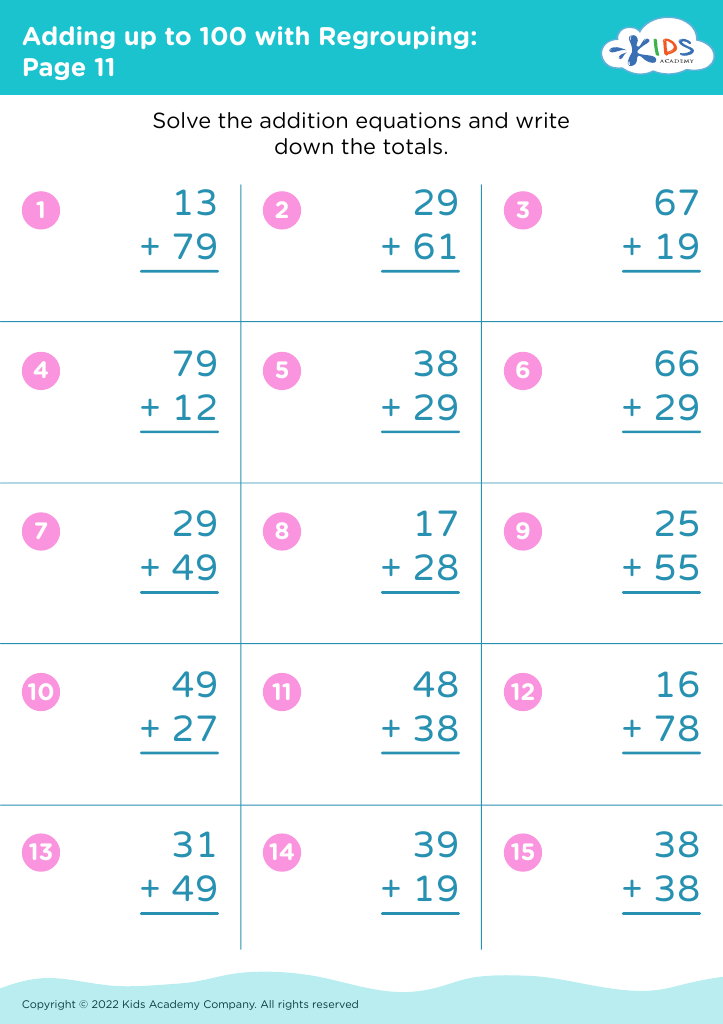
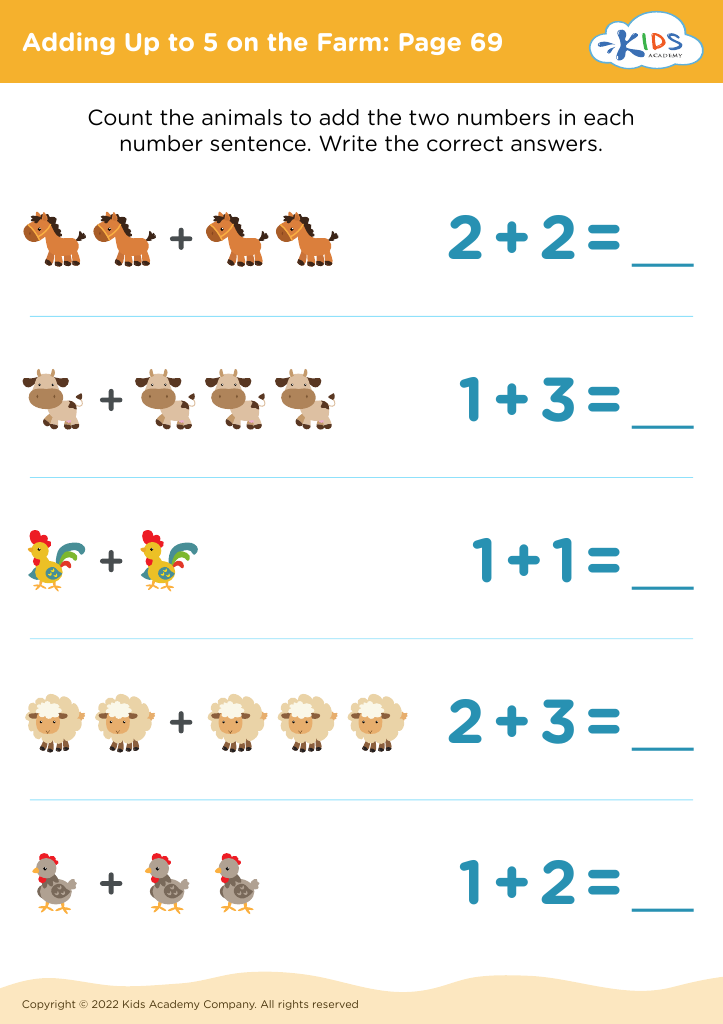
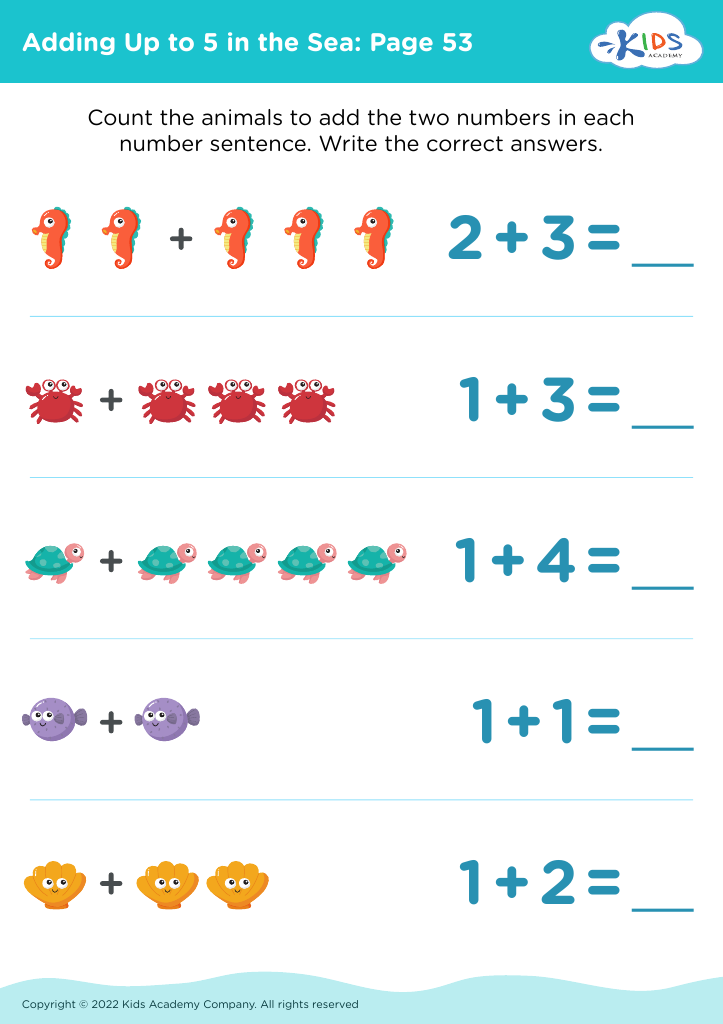
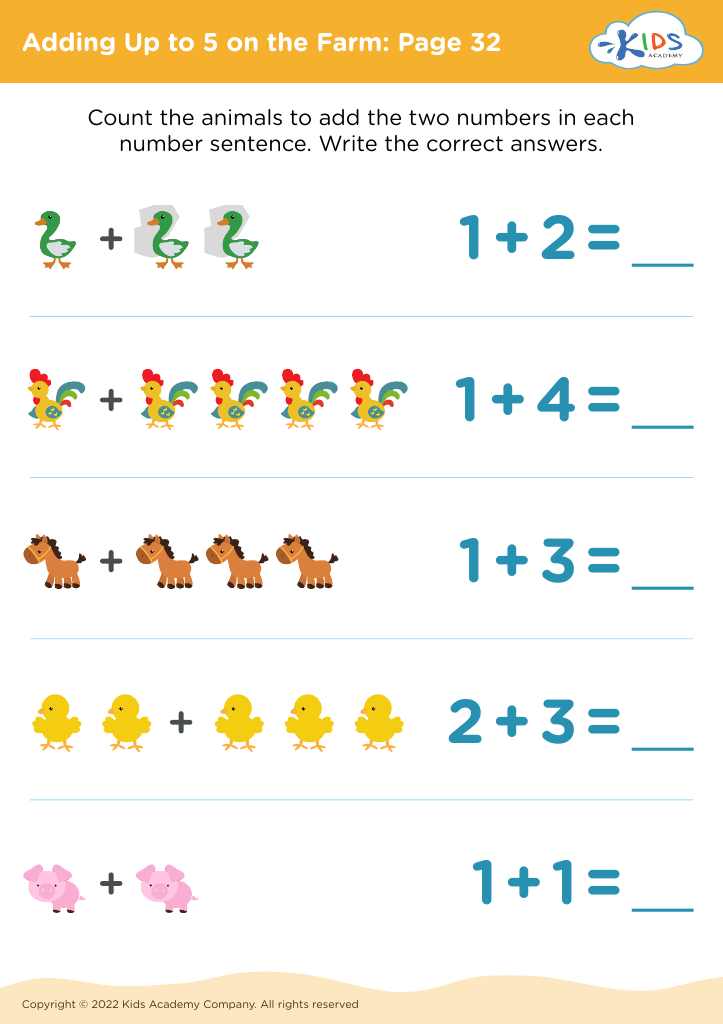
Counting and addition practice for children aged 4-8 is crucial for several reasons. First, it forms the foundation of mathematical thinking. At this age, children's brains are highly receptive, allowing them to grasp basic concepts more easily. When parents and teachers prioritize counting and addition practice, they help foster numerical fluency, enabling kids to manipulate numbers confidently.
Moreover, understanding these core concepts enhances problem-solving skills. As children learn to count and add, they develop critical thinking abilities that are vital for future learning not just in mathematics but across subjects. Engaging with numbers can also promote fine motor skills through hands-on activities involving counting objects or using manipulatives.
Additionally, counting and addition practice can cultivate a positive attitude towards math. Early exposure and practice can diminish math anxiety, making children more likely to embrace challenges as they grow older.
Transforming math practice into playful activities, such as counting games or story problems, can enhance motivation and sustain interest. Overall, by investing time in counting and addition, parents and teachers support a child’s cognitive growth, build fundamental skills, and foster a lifelong love for learning.








