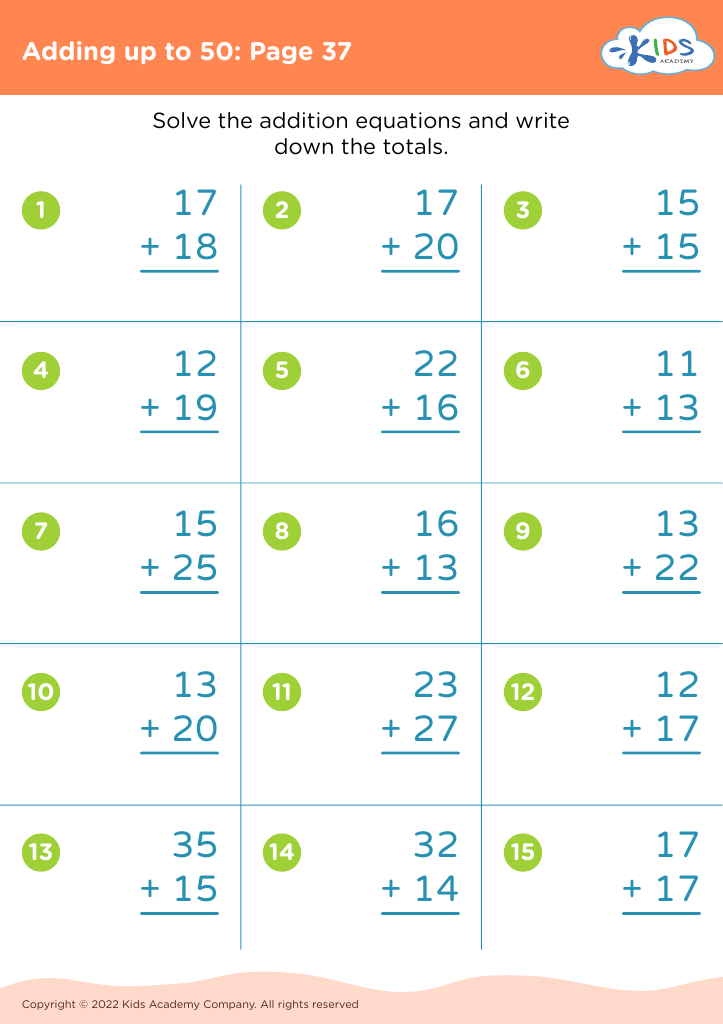
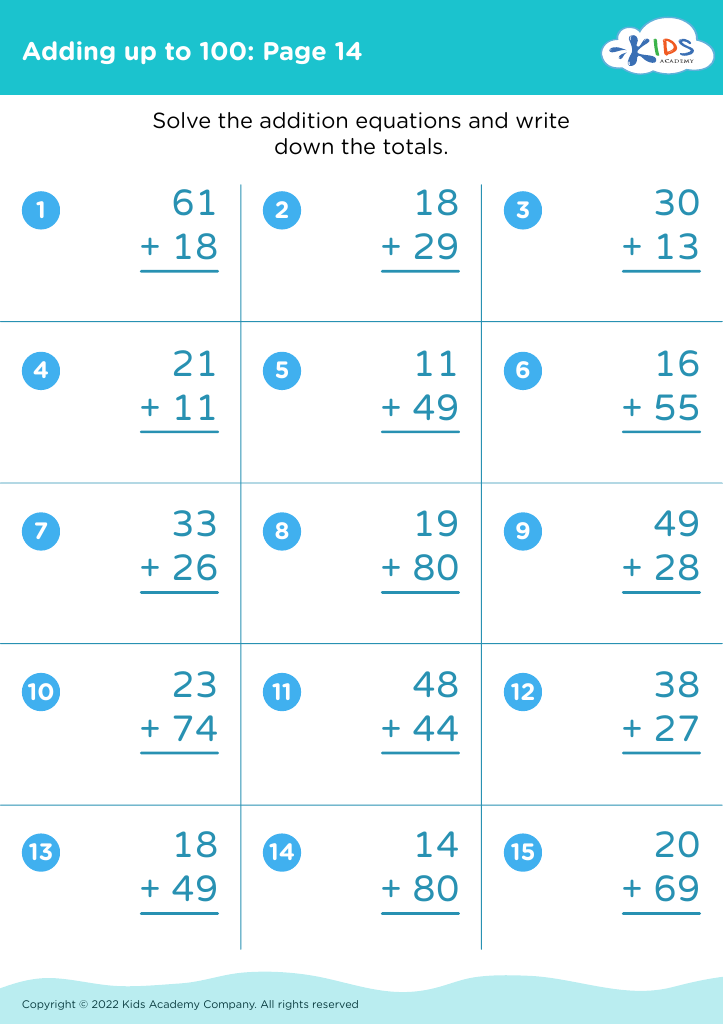
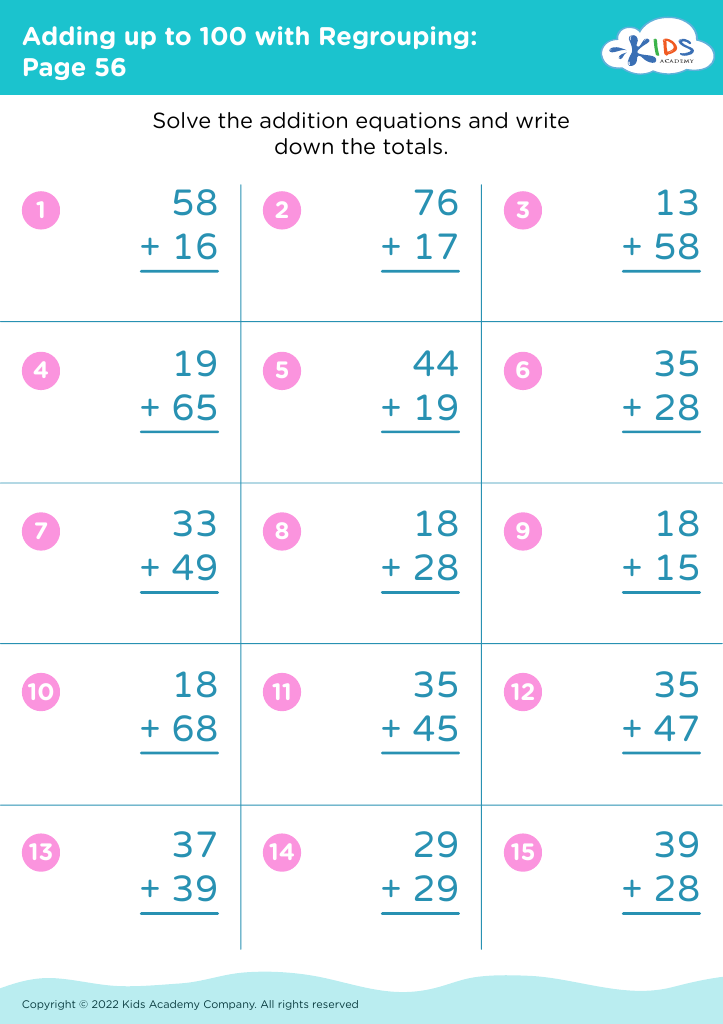
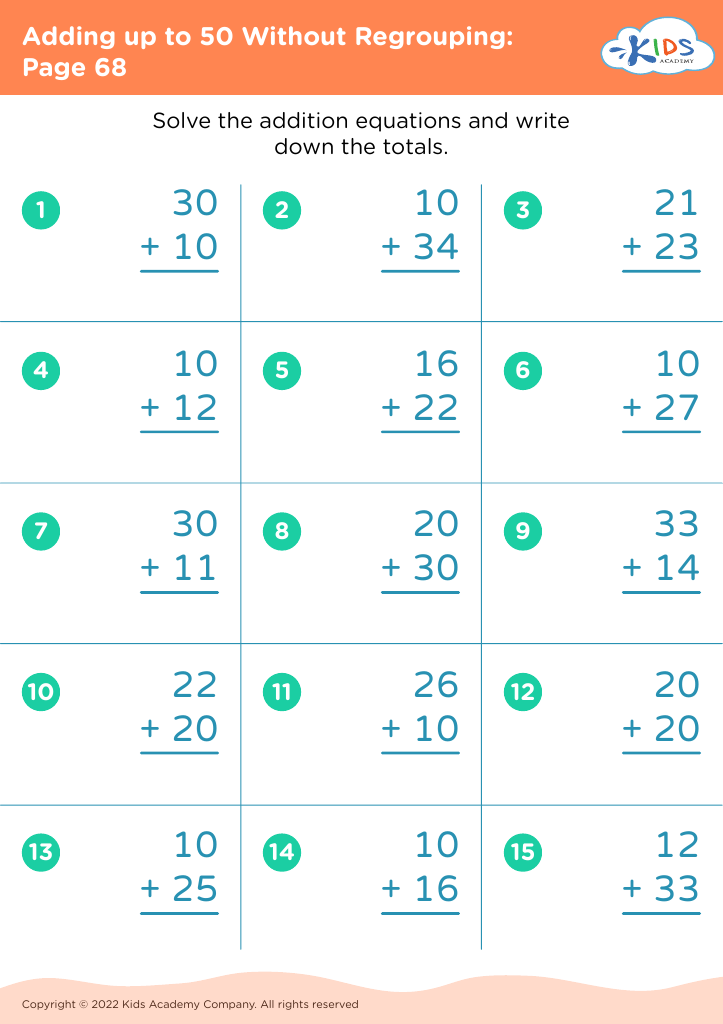








Recognizing shapes and mastering addition are foundational skills crucial for children aged 4-8. These early math concepts are intertwined, fostering cognitive development in multiple ways. When children learn to identify and classify shapes, they enhance their spatial awareness, which is essential for problem-solving in more complex mathematical tasks. Understanding shapes serves as a precursor to grasping geometric concepts later in school.
Moreover, integrating shape recognition with addition promotes a holistic approach to learning. For example, counting the sides of different shapes or adding shapes together can make math tangible and engaging. This interactive learning helps children visualize mathematical operations, making abstract concepts more accessible.
Parents and teachers should care about these skills not only because they are critical for academic success but also because they nurture essential cognitive abilities such as critical thinking, reasoning, and collaboration. Furthermore, fostering a positive attitude towards math and shapes early on can help instill lifelong confidence and enthusiasm for learning. By investing time in these areas, caregivers set the stage for children’s future success in mathematics and inspire a deep curiosity about the world around them.








