
Visual discrimination Addition Worksheets for Ages 4-8
5 filtered results
Difficulty Level
Grade
Age
-
From - To
Subject
Activity
Standards
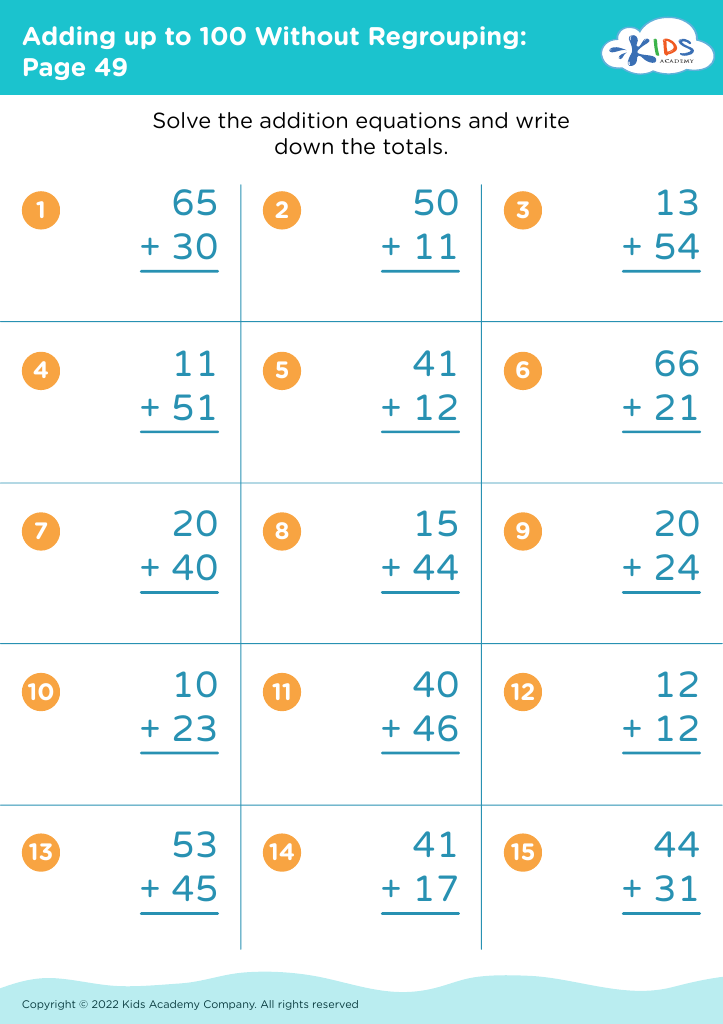
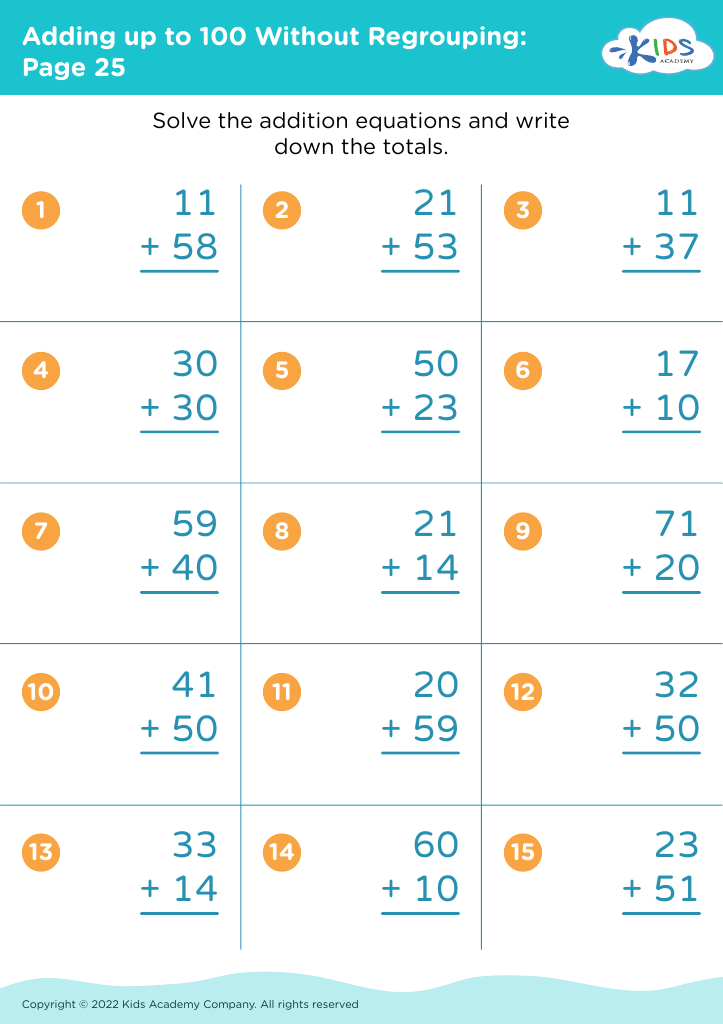
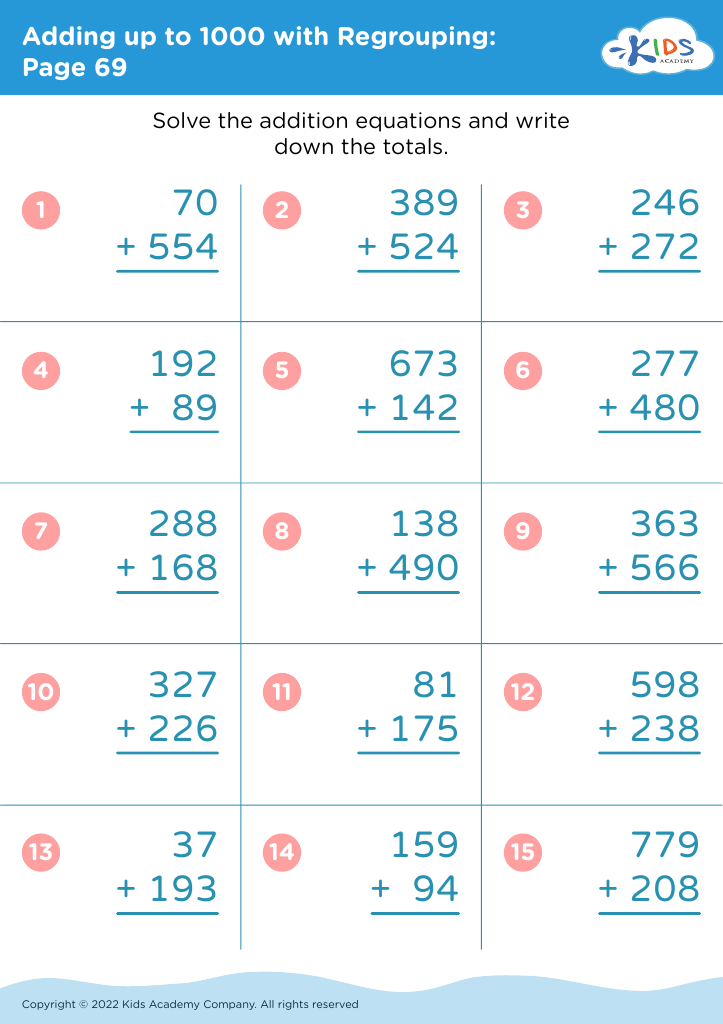
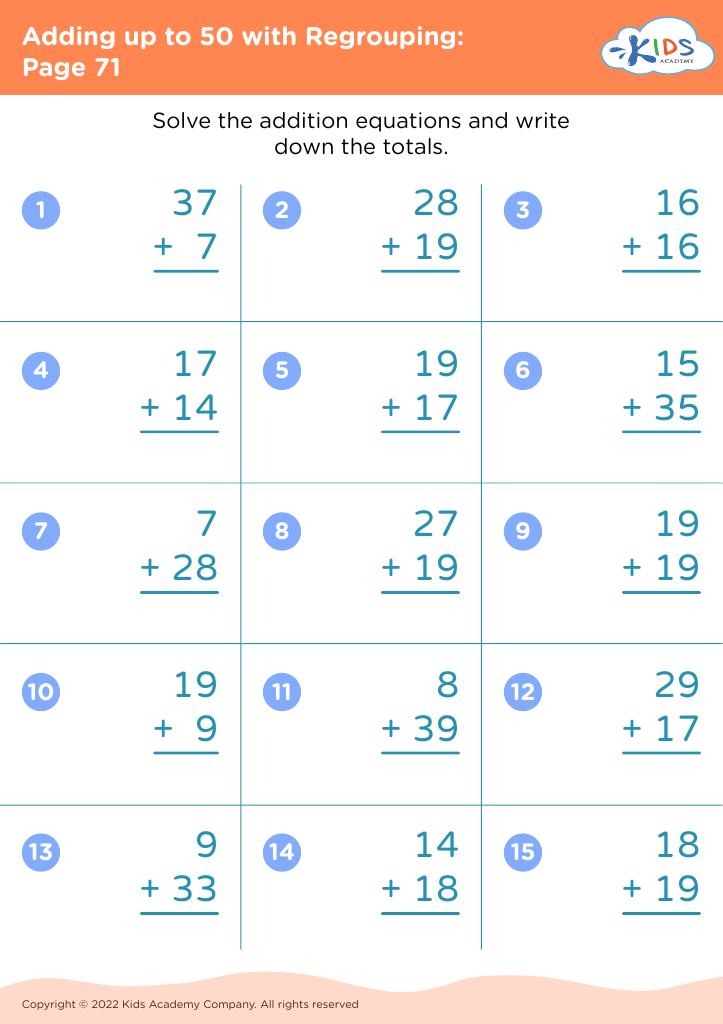
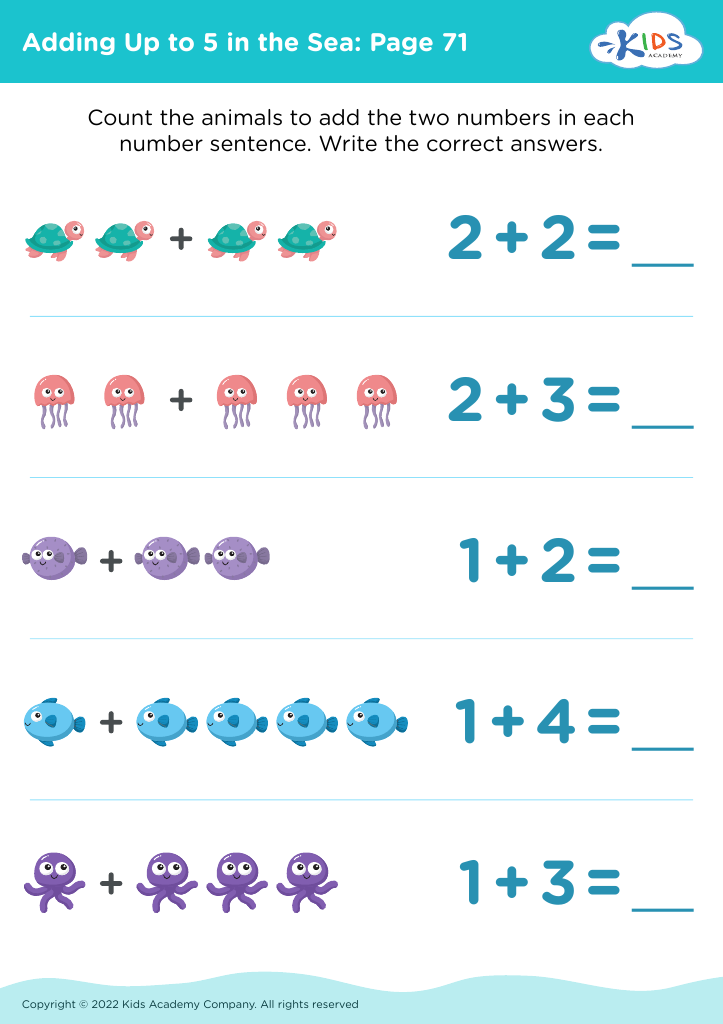
Enhance your child’s math skills with our Visual Discrimination Addition Worksheets designed for ages 4-8! These engaging worksheets are crafted to help young learners develop their visual perception and differentiation skills while practicing addition. By sorting and comparing various visual elements, children will strengthen their ability to recognize numerical patterns and relationships. Ideal for classroom or at-home learning, our worksheets cater to different learning styles, ensuring a fun and effective educational experience. Elevate your child's confidence in math with our comprehensive resources that make learning addition an enjoyable journey for every young learner! Perfect for parents and educators alike!
Favorites
With answer key
Interactive
Join Kids Academy for Free
Who is primarily going to use this learning content?








Visual discrimination is a critical skill for children aged 4-8, as it involves the ability to identify differences and similarities among objects, letters, numbers, and symbols. For parents and teachers, fostering this skill is essential for several reasons.
Firstly, visual discrimination forms the foundation for successful reading and writing. Being able to differentiate letters and words is crucial for developing literacy skills, allowing children to recognize sight words and understand sentence structure. This aids in building comprehension as children progress in their education.
Secondly, visual discrimination supports math learning. Recognizing numbers and understanding their relationships in addition enables early numeracy skills, preparing children for more complex mathematical concepts later on. This foundational knowledge enhances their confidence and engagement in learning.
Additionally, activities that promote visual discrimination, such as puzzles, sorting games, and matching exercises, stimulate cognitive development and fine motor skills. These engaging activities can foster a love for learning and encourage social interaction among peers, where children learn to cooperate and communicate effectively.
Ultimately, by prioritizing visual discrimination skills, parents and teachers equip children with essential tools for academic success and lifelong learning, ensuring they are well-prepared in a rapidly changing world.








