Fine Motor Skills Counting Worksheets for Ages 4-8
7 filtered results
-
From - To
Unlock your child's potential with our Fine Motor Skills Counting Worksheets for ages 4-8! These engaging printables combine essential counting practice with essential fine motor skill development. Each worksheet is designed to captivate young learners while enhancing their hand-eye coordination, dexterity, and control. They will learn to count objects, trace numbers, and complete fun activities that build confidence and foundational math skills. Perfect for home or classroom use, our worksheets cater to diverse learning styles and encourage independent exploration. Start your child’s learning journey today, making counting fun and beneficial for their overall development! Download and print your worksheets now!

8 Petals Worksheet
 Assign to My Students








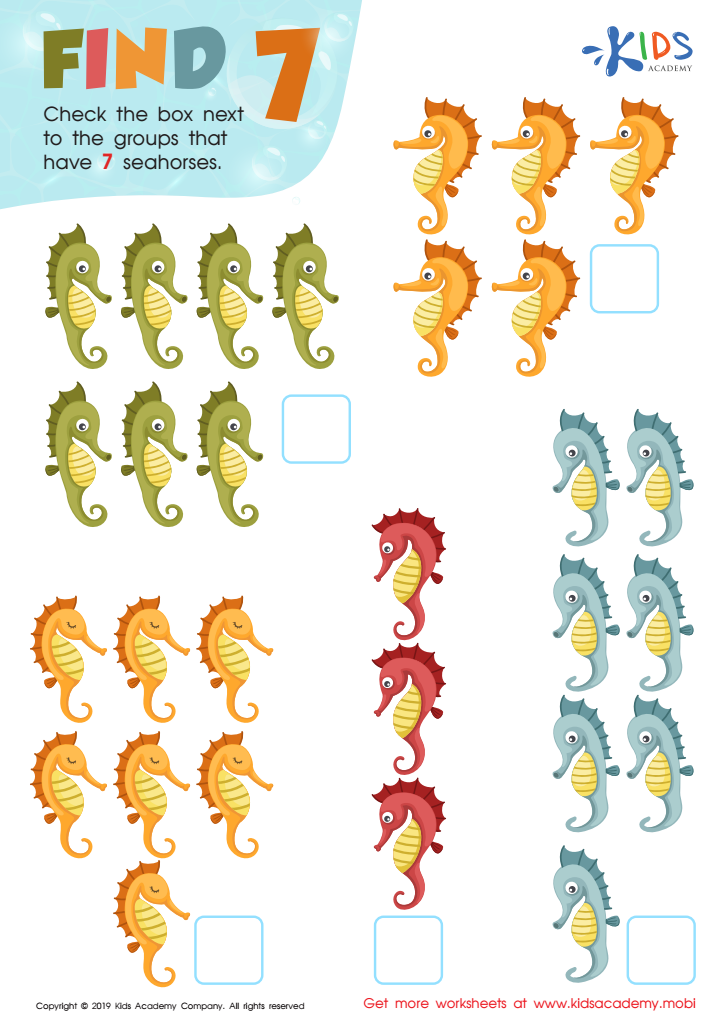
Find 7 Worksheet
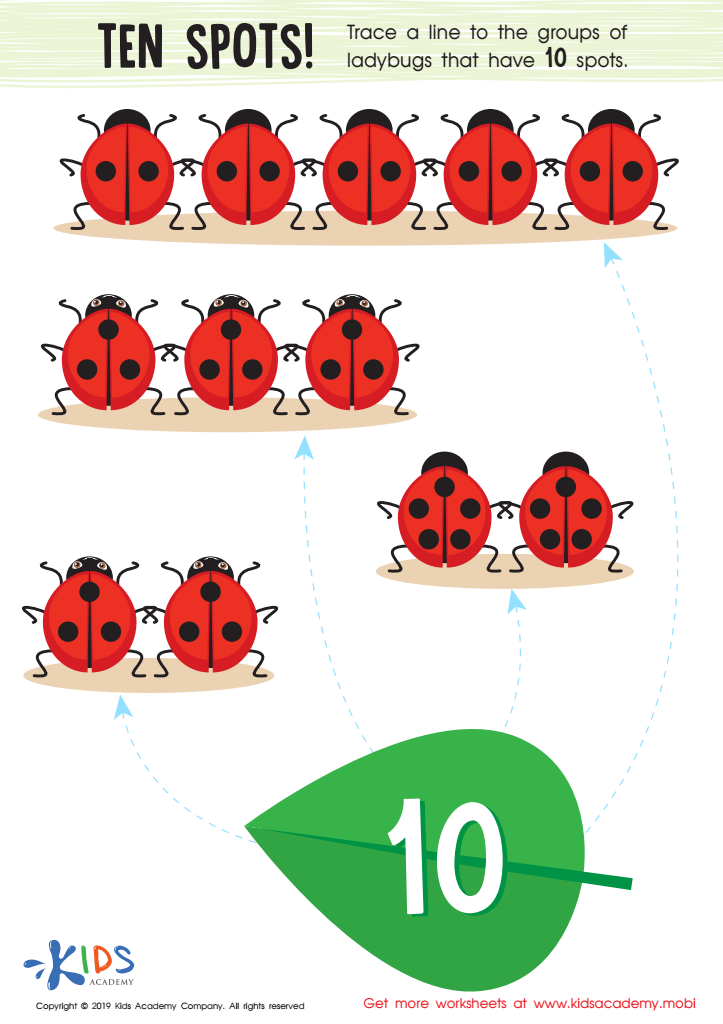
Ten Spots Worksheet
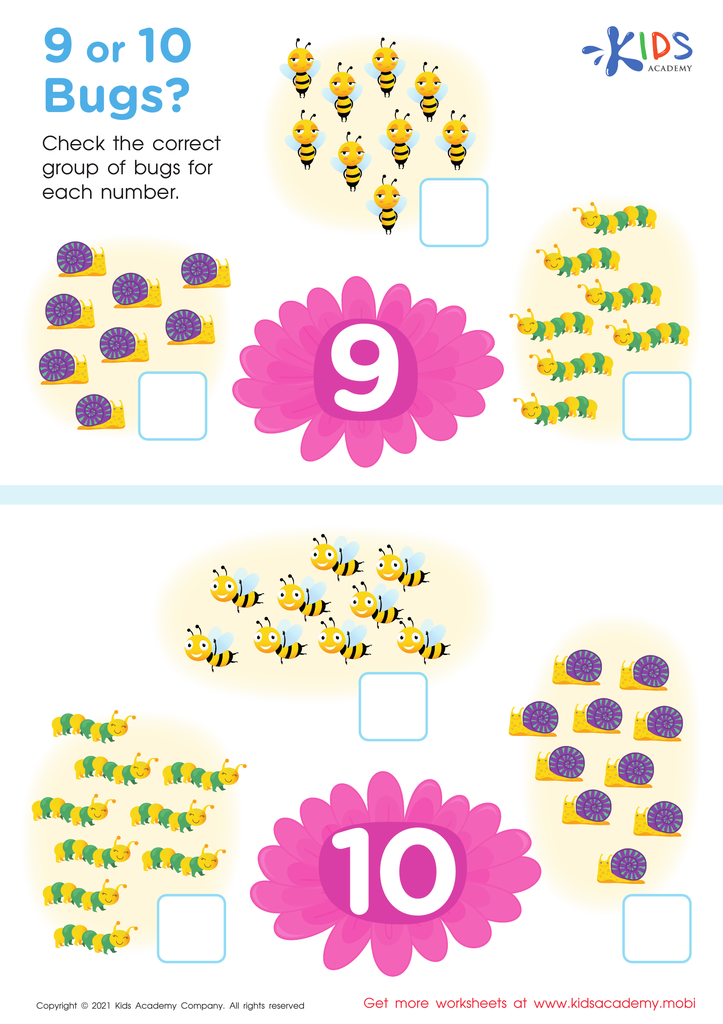
9 or 10 Bugs Worksheet
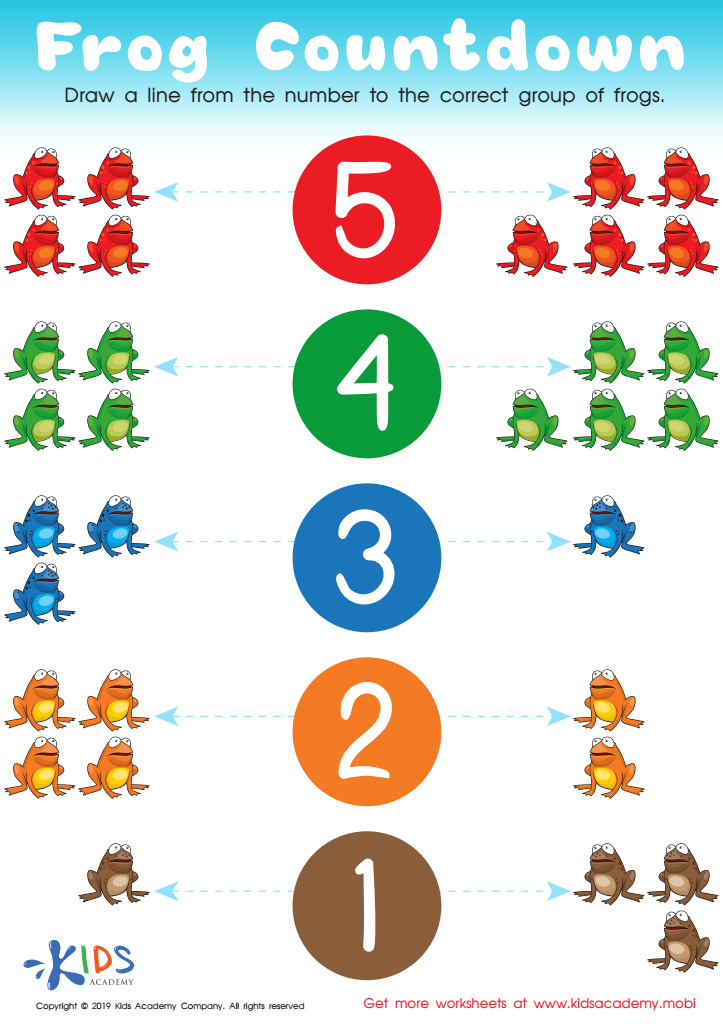
Frog Countdown Worksheet

Count and Match: Feed the Animals Worksheet
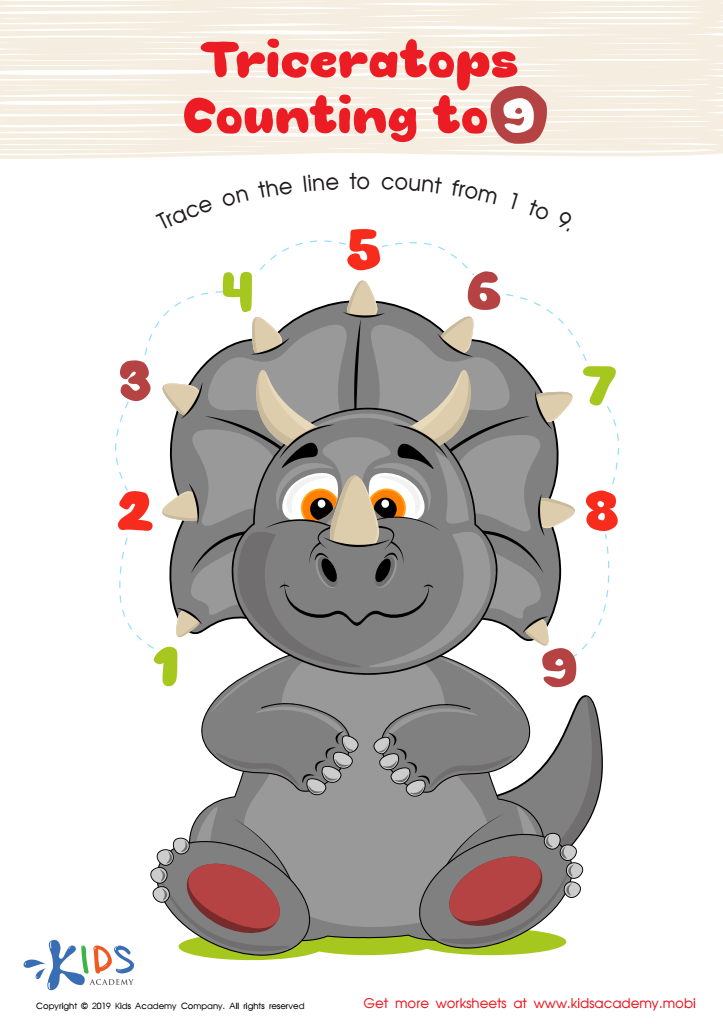
Triceratops Counting to 9 Worksheet





%20(1).jpg)


Fine motor skills are crucial for children aged 4-8 as they form the foundation for various developmental milestones. These skills involve the refined movements of small muscles, particularly in the hands and fingers, enabling tasks like holding a pencil, cutting with scissors, or manipulating small objects. As children engage in activities that enhance their fine motor skills, they also enhance their counting abilities—fundamental for later mathematical understanding.
Parents and teachers should care about fine motor skill development because it directly influences academic performance and daily functioning. Effective counting is not only about recognizing numbers but also involving efficient coordination, such as using fingers, which helps children visualize quantities and understand numerical concepts. Furthermore, engaging children in fine motor activities often cultivates creativity and problem-solving skills critical for future learning.
Additionally, a strong foundation in fine motor skills fosters confidence in children as they master simple tasks, leading to increased motivation and a positive attitude towards learning. By prioritizing fine motor skill activities, educators and parents support holistic development, encouraging children to thrive academically and socially. Investing time and resources into these skills ensures children are well-prepared for their educational journey, promoting success in later stages of learning.








