Logical Reasoning Geometry Worksheets for Ages 4-8
7 filtered results
-
From - To
Explore our engaging Logical Reasoning Geometry Worksheets designed for children ages 4-8! These worksheets foster critical thinking and problem-solving skills through fun, interactive activities centered around essential geometric concepts. Perfect for early learners, our resources encourage creativity while strengthening their understanding of shapes, patterns, and spatial relationships. Each worksheet is tailored to promote logical reasoning through engaging visuals and age-appropriate challenges, making learning both enjoyable and effective. Ideal for homeschoolers, classrooms, or extra practice at home, our worksheets provide a solid foundation in geometry that aligns with early childhood education standards. Unlock your child’s potential today with our printable resources!
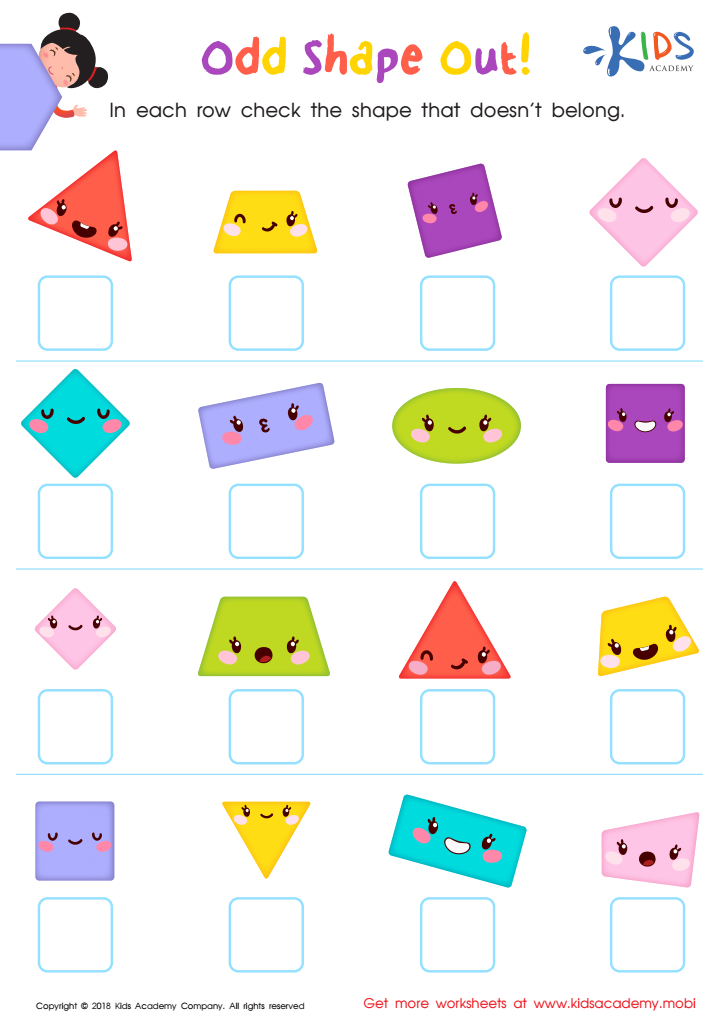
Odd Shape Out Worksheet for Grade 3
 Assign to My Students











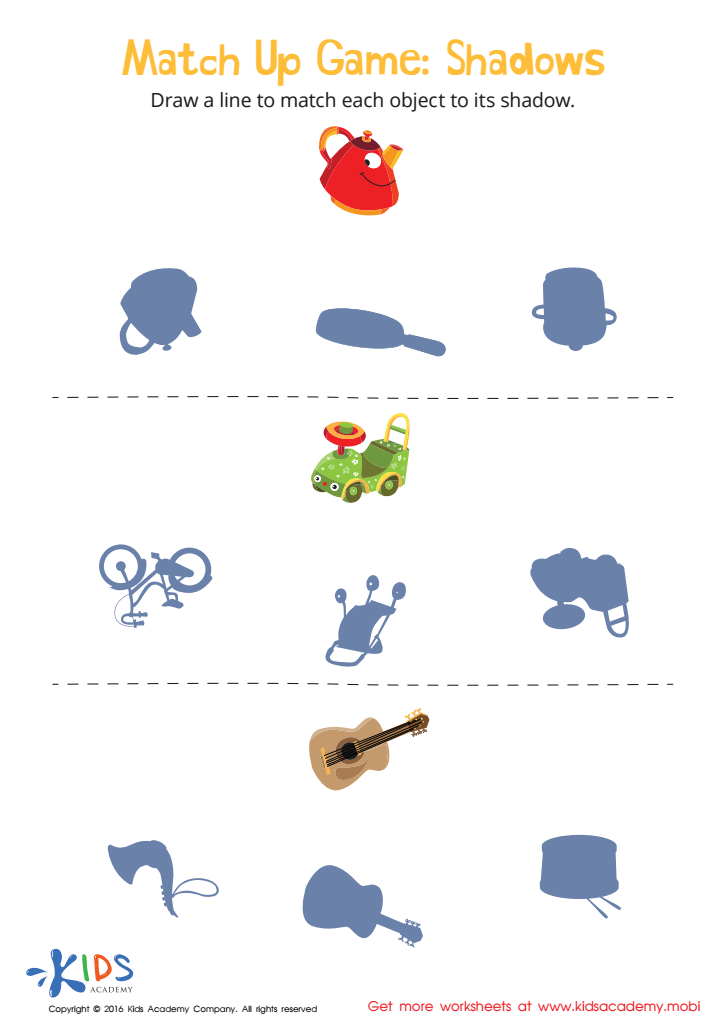
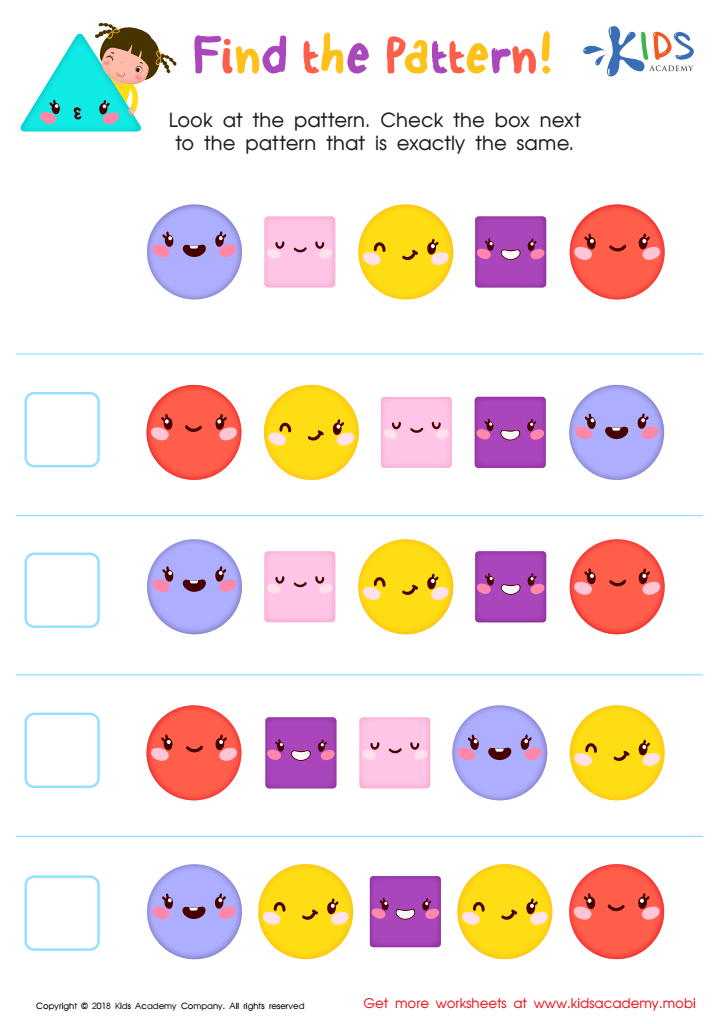
Find the Pattern Worksheet
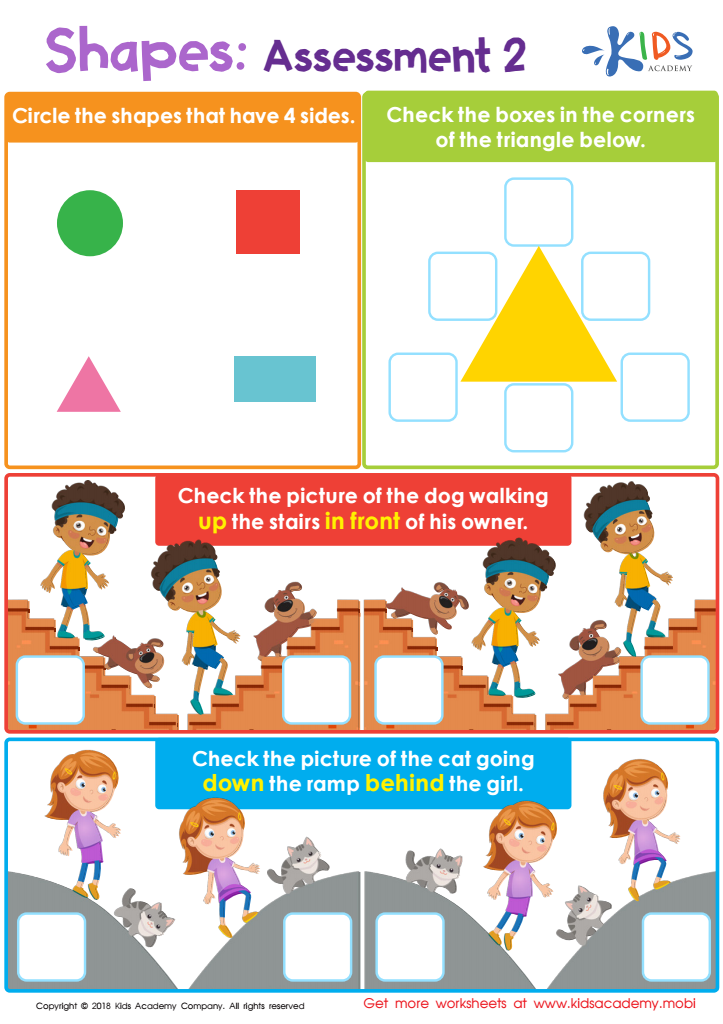
Shapes: Assessment 2 Worksheet
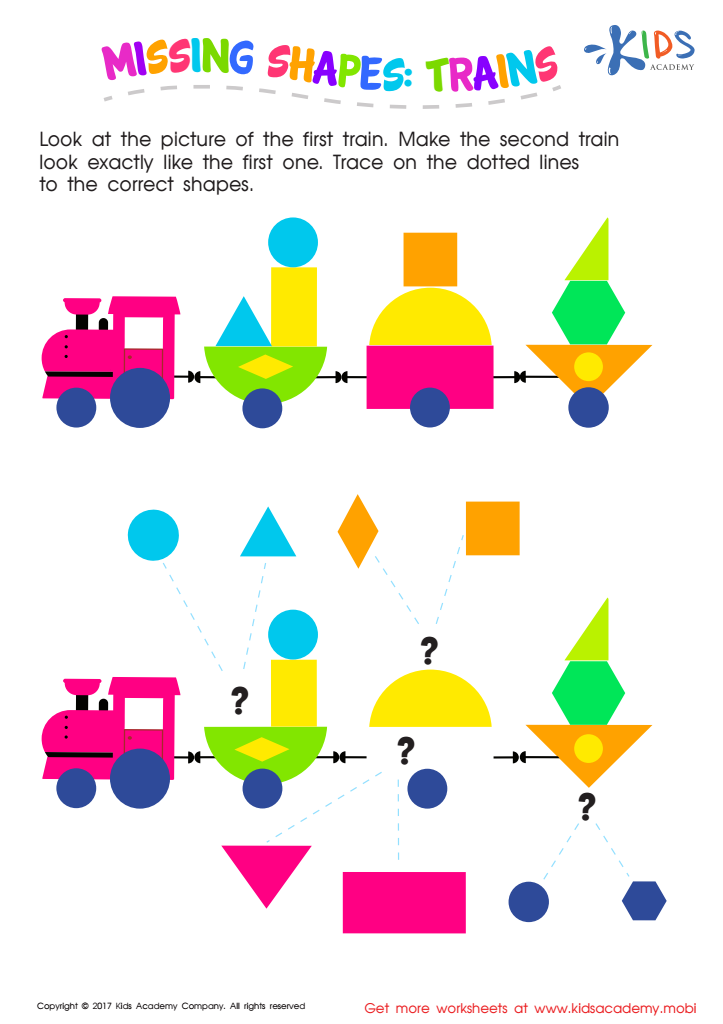
Missing Shapes: Trains Worksheet
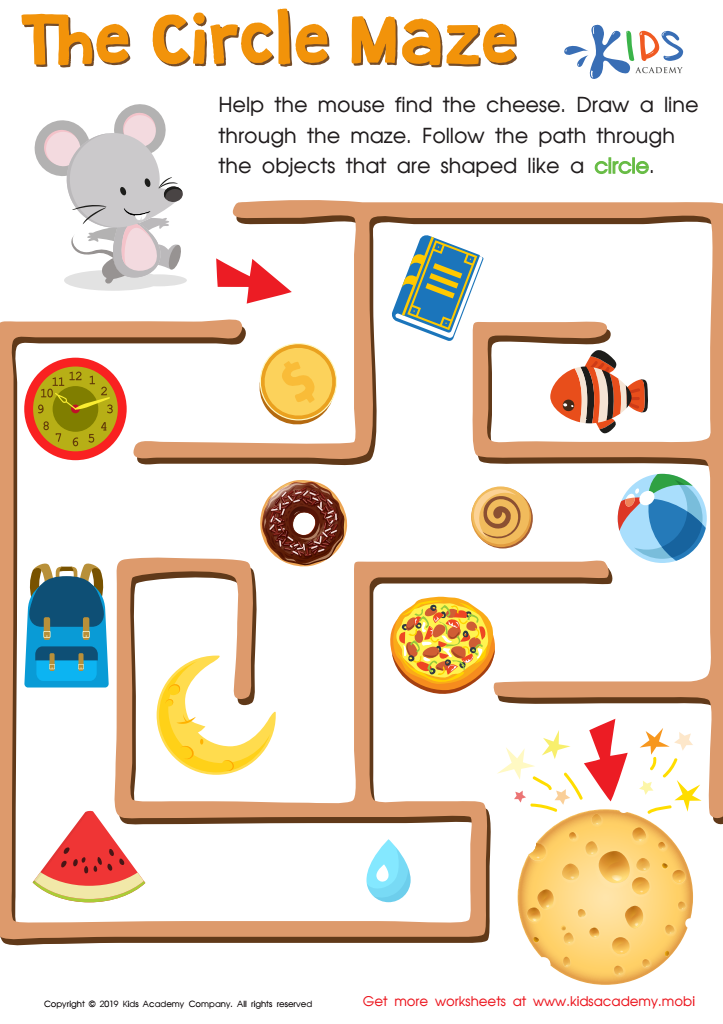
The Circle Maze Worksheet
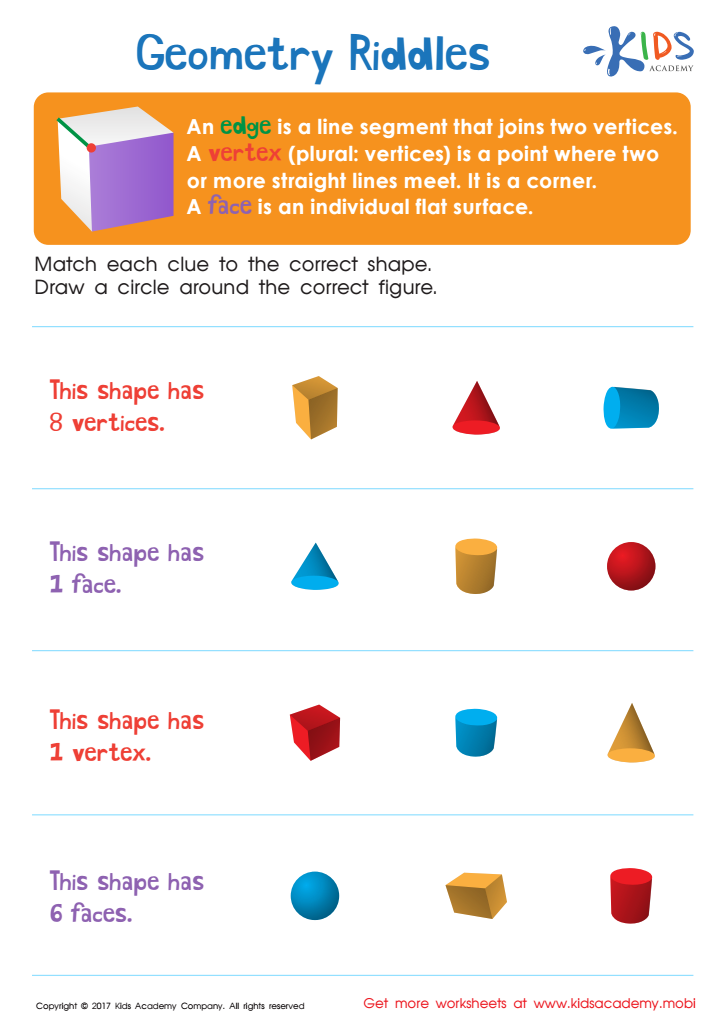
Geometry Riddles Printable








Logical reasoning and geometry are fundamental skills that significantly benefit children aged 4-8 in their cognitive development. From early on, engaging in geometric concepts helps children understand shapes, spaces, and the relationships between objects. This foundational knowledge is crucial for building advanced mathematical skills later in life.
Logical reasoning promotes critical thinking, enabling children to analyze information, identify patterns, and solve problems — skills that transcend math and apply to various aspects of life. When children learn to categorize shapes, compare sizes, or visualize patterns, they enhance their ability to think logically and make connections.
Furthermore, these skills nurture creativity and improve spatial awareness, essential for everyday tasks like navigation and art. Activities that incorporate logical reasoning and geometry, such as puzzles, building blocks, or simple games, foster collaboration and social interactions, reinforcing concepts through play.
Parents and teachers should care about these abilities as they lay the groundwork for academic success and personal growth. By encouraging a love for logical reasoning and geometric exploration at an early age, we prepare children to tackle more complex problems in future learning environments, ultimately empowering them to thrive in a rapidly evolving world.








